CorkCork
Finger Lakes

United States

Finger Lakes

Napa ValleyNapa ValleySonoma CoastSonoma CoastWillamette ValleyWillamette ValleyPaso RoblesPaso RoblesColumbia ValleyColumbia ValleySierra FoothillsSierra FoothillsLodiLodiSanta Cruz MountainsSanta Cruz MountainsSouth CoastSouth CoastSouthern OregonSouthern OregonFinger LakesFinger Lakes

United States wine regions

About Finger Lakes

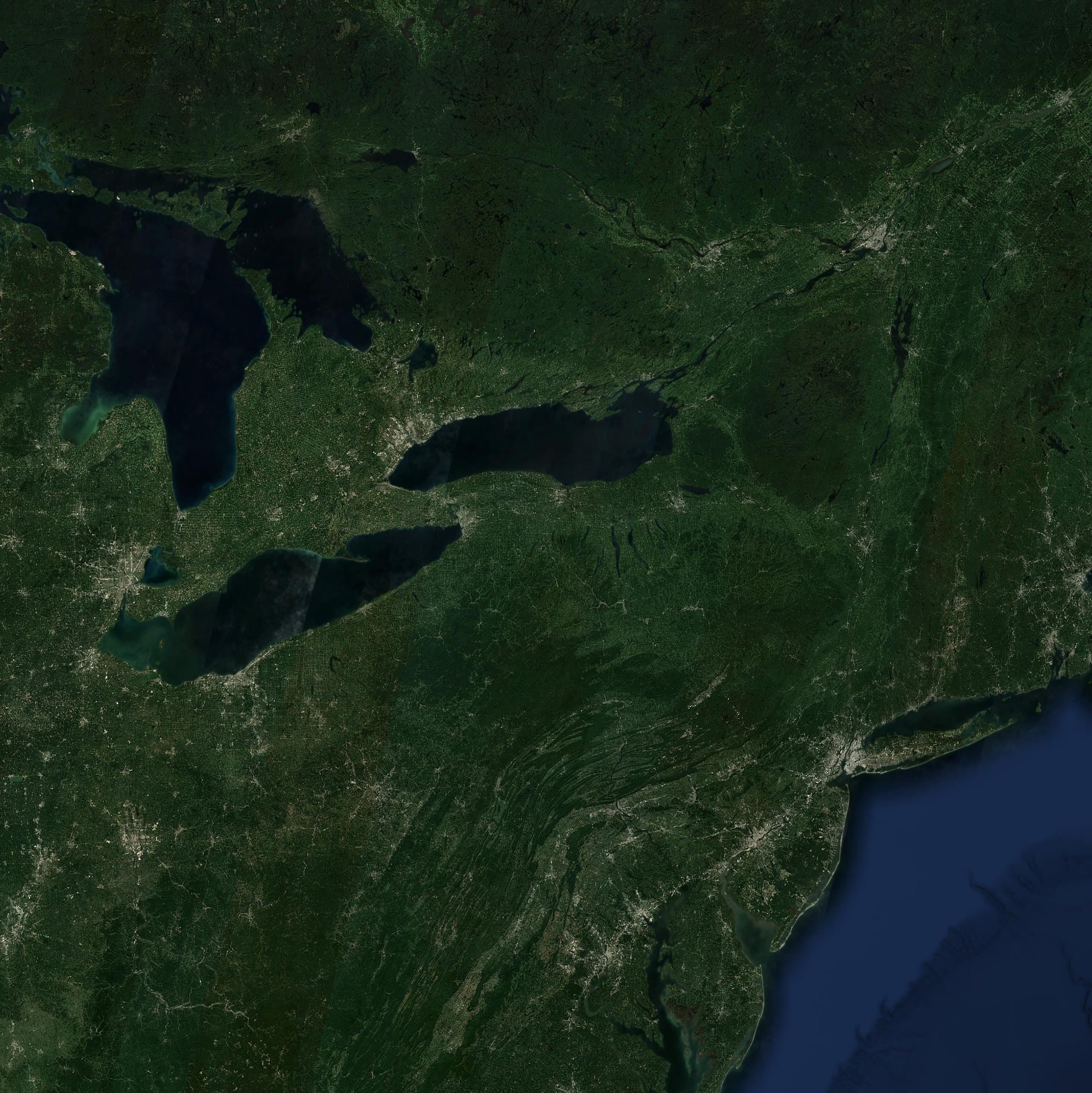
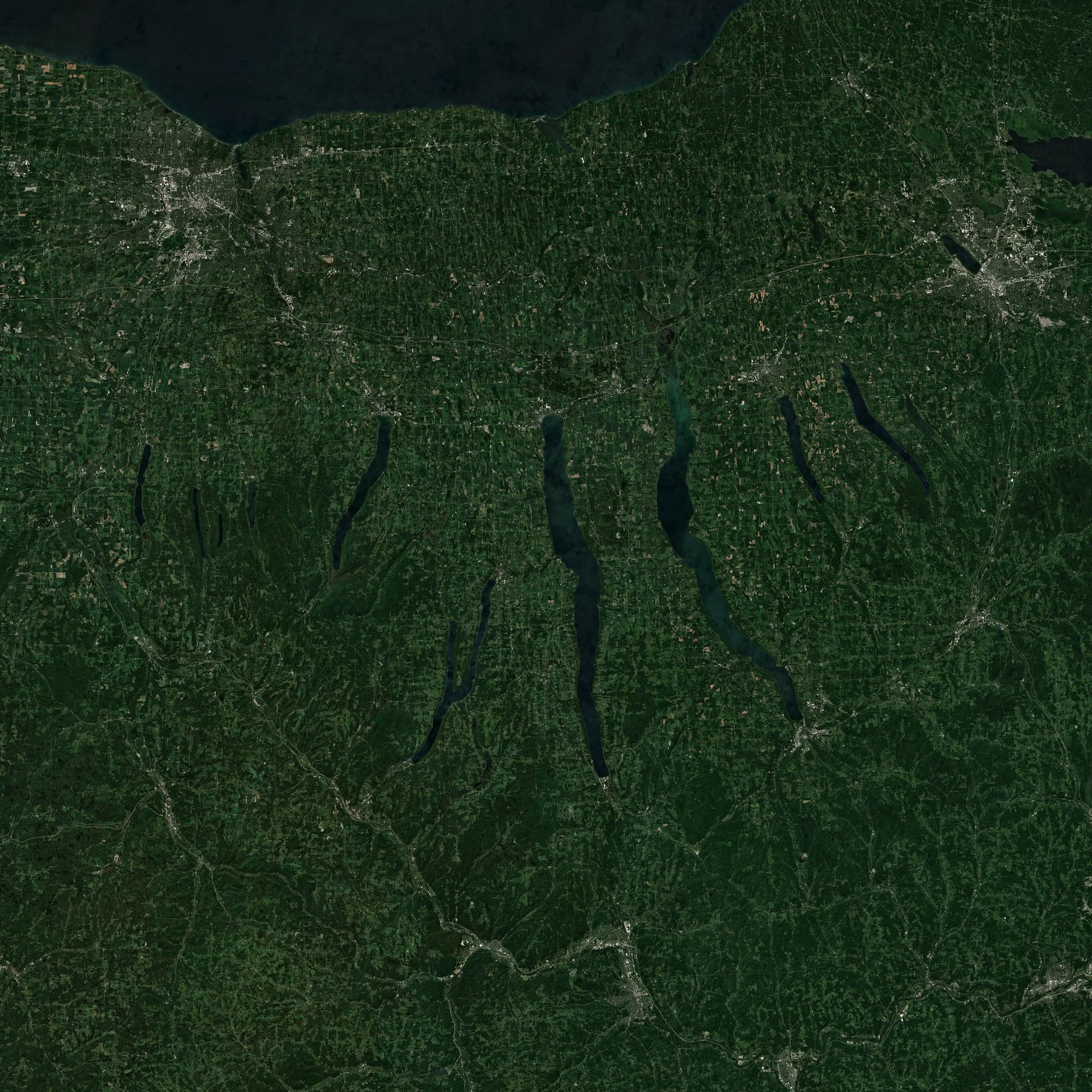
The Finger Lakes is where American Riesling found its voice. Eleven glacial lakes, carved deep by the last Ice Age, hold enough warmth to carry vineyards through brutal upstate New York winters, and the slopes above Seneca and Cayuga grow Riesling with the cut and perfume of a great German valley. Dr. Konstantin Frank proved in the 1950s that European vines could survive here, the 1976 Farm Winery Act opened the door for small family cellars, and today more than 130 wineries ring the lakes, pouring racy whites and bright, peppery Cabernet Franc.

Vintages

20 · 2015–2024

Rating:
95+
90-94
85-89
80-84
<80
PeakReadyHold
Year2024202320222021202020192018201720162015
Red
White

Outstanding Finger Lakes Vintages

The best recent vintages rated excellent or exceptional.

Red

2024

Ready
92Excellent

Ripe, composed Cabernet Franc and silky Pinot Noir; a season growers called a gift.

2026Peak 2028–20322034

2020

At peak
93Excellent

The most complete modern reds from the region: ripe, structured Cabernet Franc built to age.

2022Peak 2024–20302032

2019

At peak
92Excellent

Energetic, precise Cabernet Franc with crunchy red fruit and fine-boned structure.

2021Peak 2023–20282031

2017

At peak
90Excellent

Juicy, perfumed reds with classic peppery lift, ripened at leisure in a sunny autumn.

2019Peak 2021–20262028

2016

At peak
91Excellent

The ripest reds in years: dark-fruited Cabernet Franc with supple tannins and uncommon depth.

2018Peak 2020–20262028

White

2024

At peak
92Excellent

Generous yet fresh, with ripe peach and lime over the trademark cut; an early favourite among growers.

2025Peak 2026–20312034

2022

At peak
90Excellent

Balanced, fragrant whites with juicy acidity, quietly classic in shape and proportion.

2023Peak 2024–20282030

2020

At peak
93Excellent

Concentrated, poised whites with ripe orchard fruit over firm acid lines; dry Riesling of real pedigree.

2021Peak 2023–20302033

2019

At peak
93Excellent

A modern benchmark: taut, complete Riesling with lime, slate, and the length to age gracefully.

2020Peak 2022–20292032

2017

At peak
92Excellent

Precise, aromatic Riesling with classic acidity from a generous, healthy crop picked into a golden autumn.

2018Peak 2020–20272030

2016

Drink up
91Excellent

Riper and rounder than the regional norm, with concentrated stone fruit; dry Riesling carried unusual weight.

2017Peak 2019–20252028

2015

Drink up
90Excellent

Focused, classic Riesling from a small crop; the vines that came through the hard winter gave wines of purity and drive.

2016Peak 2018–20242027

AVAs & Towns

What Finger Lakes produces

White

Riesling in every register from bone dry to luscious ice wine, plus taut Chardonnay and aromatic Gewürztraminer.

Red

Bright, peppery Cabernet Franc is the signature; silky Pinot Noir ripens on the warmest lakeside slopes.

Sparkling

Traditional-method fizz with deep roots; Hammondsport houses have made sparkling wine here since the 1860s.

Similar styles

Lands in the same glass.

Grapes of Finger Lakes

What it tastes like

Body

Medium

Acidity

Bright

Tannin

Firm

Oak

A touch of oak

Ripeness

Fresh

Concentration

Medium

Reds

Medium-bodied and bright, with firm tannin; red fruit, a floral lift and spice, with a taut finish.

red fruit · floral · spicy · stony · taut

Body

Lightish

Acidity

Zippy

Oak

No oak

Ripeness

Fresh

Concentration

Medium

Whites

On the lighter side and zippy; citrus, orchard fruit and stone fruit, with a taut finish.

citrus · apple and pear · stone fruit · floral · stony

Cork's estimate.

Climate

Cool continentalLake-moderatedSevere wintersLong cool autumnsFrost-prone flats

Cool continental, and on paper too cold for fine wine: winters can drop below minus 20 C and the season is short. The deep lakes change everything. They bank summer heat, temper winter lows on the adjacent slopes, delay damaging spring frosts, and stretch autumn by several weeks, with Seneca, the deepest, almost never freezing. Site selection close to the water is the whole game, and the long, cool ripening arc keeps acidity bright.

Terroir

Shale bedrockGlacial tillLimestone seamsThin slope soilsFree-draining slopes

Ice is the architect here: the lakes sit in glacial troughs gouged below sea level in places, and the vineyard slopes above them carry shallow glacial till over shale, siltstone, and limestone bedrock. Soils trend more calcareous around the eastern lakes and more shale-driven to the west, generally thin and free-draining on the slopes, which curbs vigour and concentrates flavour. The best sites tilt toward the water to catch its tempering air.

Typical Aromas

limegreen applewhite peachhoneysucklewet slatepetrol
Explore the aroma wheel

More in United States

Frequently Asked Questions

What makes Finger Lakes wine special?▼
The Finger Lakes is America's Riesling capital, and the secret is the lakes themselves. Eleven deep glacial lakes store enough warmth to protect the vineyards through harsh upstate New York winters and stretch autumn by several weeks, giving the region a cool, slow ripening season much like Germany's great river valleys. Dr. Konstantin Frank proved in the 1950s that European vines could thrive here, and today more than 130 wineries ring Seneca, Cayuga and Keuka lakes making precise, racy Riesling alongside bright Cabernet Franc.
What are the best Finger Lakes vintages?▼
Recent standouts are 2019, 2020 and 2024. 2019 was a cool, even season with a long dry autumn that produced taut, benchmark Riesling, while 2020's warm, dry year gave concentrated whites and the most complete reds of the modern era. 2024 is an early favourite among growers after a mild winter and an even, warm summer. For reds specifically, the 2016 drought year produced unusually ripe, deep Cabernet Franc, and 2017 is a lovely classic year for Riesling.
What grapes are grown in the Finger Lakes?▼
Riesling is the undisputed flagship, made in every style from bone dry to luscious ice wine. Cabernet Franc has emerged as the signature red, bright and peppery in a style closer to the Loire than to California. Chardonnay and Pinot Noir do well on the warmest lake-moderated slopes and anchor the region's traditional-method sparkling wines, a heritage going back to the 1860s at Hammondsport. You'll also find aromatic Gewürztraminer, cold-hardy Blaufränkisch, and heritage hybrid varieties.
Is 2024 a good year for Finger Lakes wine?▼
Yes, 2024 looks excellent. A mild winter spared the buds, the summer ran warm and even, and a dry harvest window let growers pick at leisure. The Rieslings are generous yet fresh, with ripe peach and lime over the region's trademark acidity, and the Cabernet Franc reached full ripeness without losing its perfume. Many growers called it a gift of a season.
When should I drink Finger Lakes Riesling?▼
Dry Finger Lakes Riesling is delicious young but rewards patience: most wines show beautifully from release through about eight years, and top bottlings from structured years like 2019 and 2020 can develop honeyed, slate-driven complexity past a decade. Sweeter late-harvest styles and ice wines age even longer. Cabernet Franc is typically at its best between two and eight years after the vintage.
What food pairs well with Finger Lakes wines?▼
Dry Riesling is one of the most food-friendly whites anywhere: try it with fresh goat cheese, pan-seared trout, raw oysters, or anything with a little spice, like Thai curry. Off-dry styles are brilliant with heat. Cabernet Franc, with its bright acidity and peppery lift, loves herb-roasted chicken, pork roast with apples, and mushroom dishes. The sparkling wines make easy work of fried snacks and salty cheeses.

Map data: AVA boundaries from the UC Davis Library AVA Project (CC0) · Town boundaries © OpenStreetMap contributors (ODbL)