Aegean Islands
Greece
Greece wine regions
About Aegean Islands
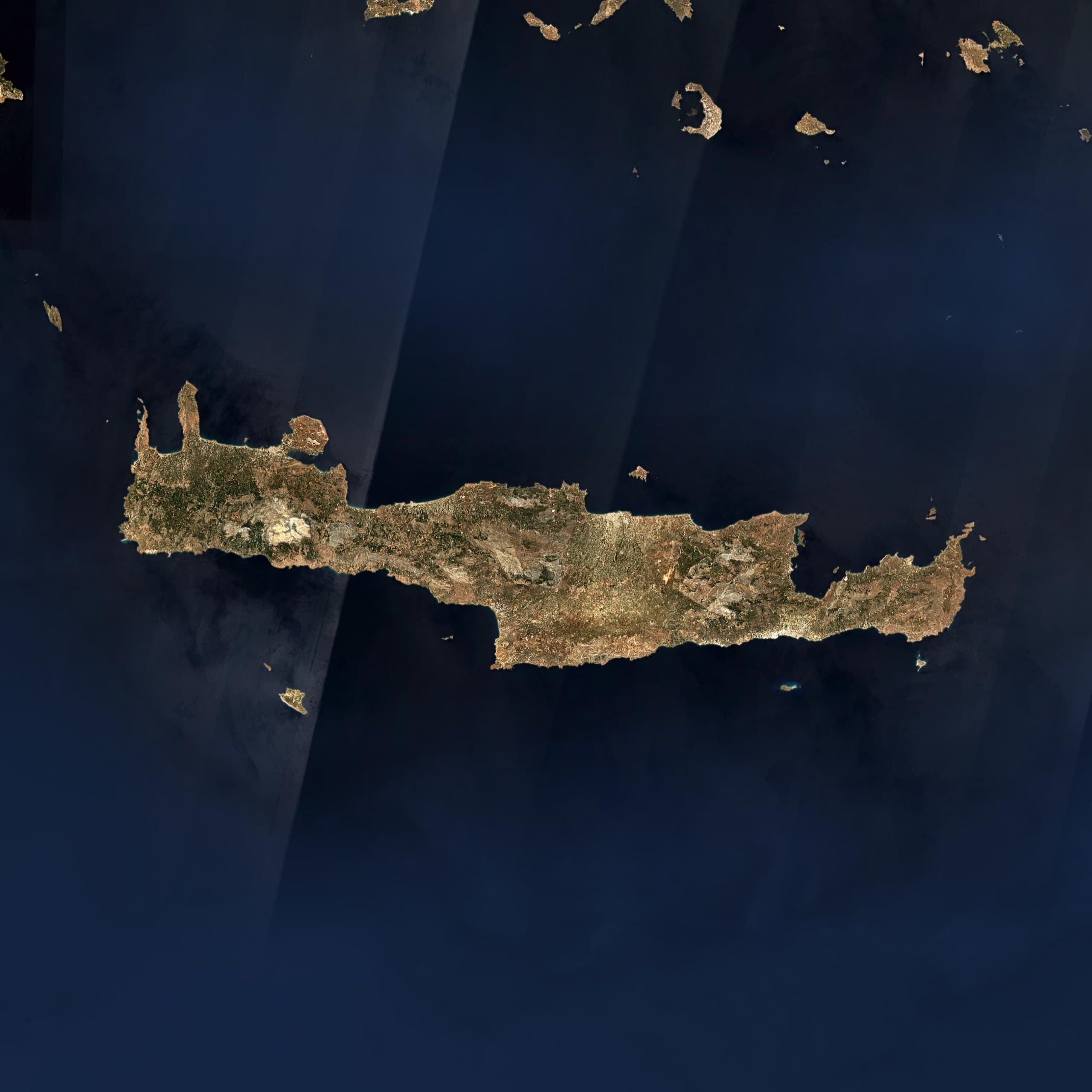
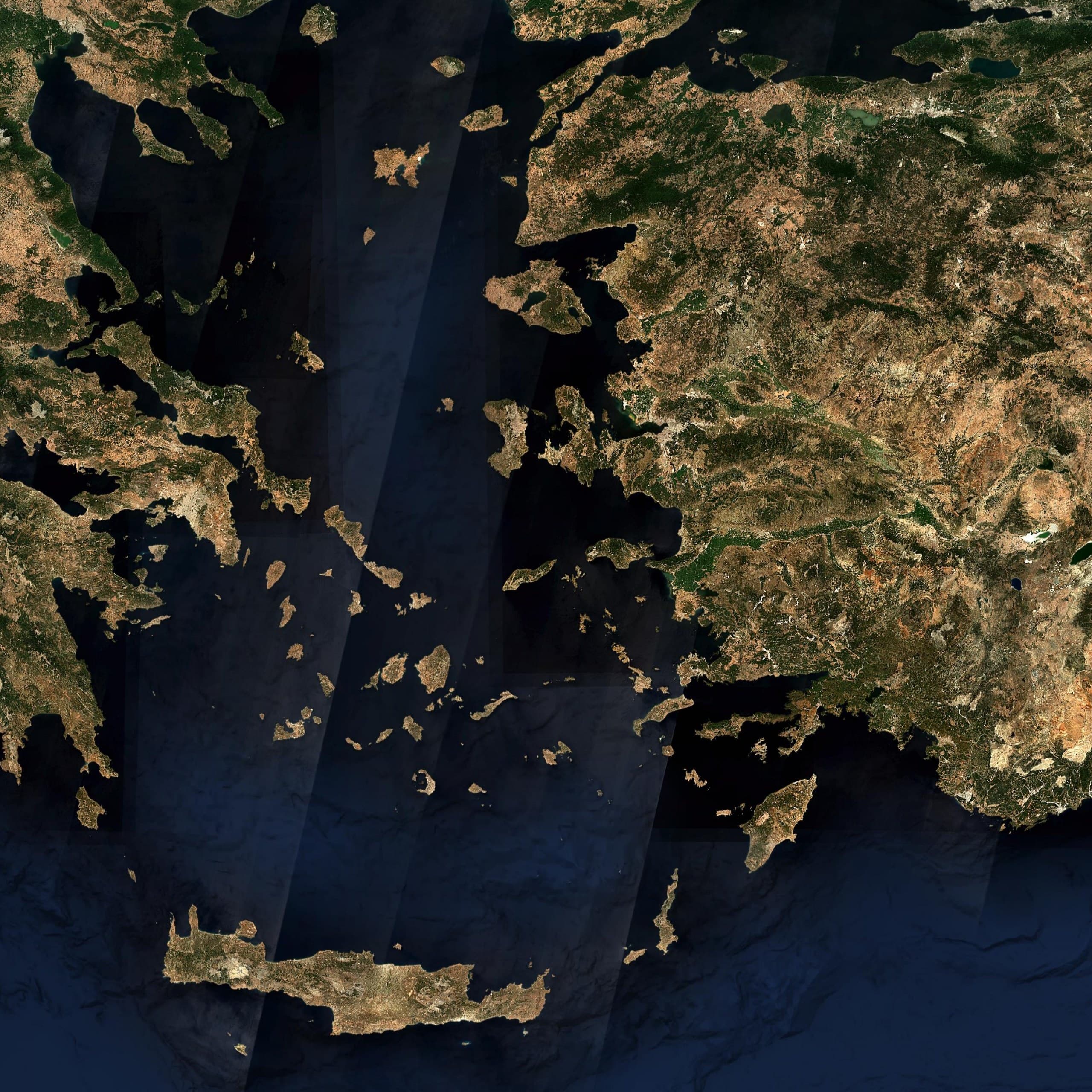
The Aegean Islands include some of Greek wine's most defined and most exported names. Santorini, on the volcanic caldera, makes searing Assyrtiko on ungrafted vines basket-trained into kouloura crowns to survive the wind. Samos's terraced slopes of Mount Ampelos grow some of the world's most distinguished sweet Muscat. Limnos is split between sweet Muscat of Alexandria (PDO Muscat of Limnos) and the dry, red Limnio grape (PDO Limnos). Paros, Rodos and the smaller Cycladic islands each carry their own PDOs and PGIs. PGI Cyclades and PGI Aegean Sea cover the wider archipelago, with Tinos, Sifnos and Naxos all building modern wine reputations on indigenous varieties. Producers from Sigalas, Argyros, Hatzidakis and Gaia on Santorini to ENO.P on Samos and small estates across the Cyclades define the contemporary Aegean style.
Greece wine regions
PDOs & PGIs
Loading map...
Terroir & Character
Climate
AegeanVolcanicWind-exposedHot dry summersLong sunshine
Terroir
Volcanic ashPumiceLimestoneSchistSandy soils
Typical Aromas
Lemon pithSea saltGreen appleCrushed stoneVolcanic ashWhite flowers
Explore the aroma wheelGrapes of Aegean Islands
Frequently Asked Questions
Why are Santorini wines so distinctive?▼
Santorini sits on the rim of a flooded caldera. Its vineyards grow in pumice and volcanic ash on ungrafted vines that survived phylloxera because the volcanic soil starves the louse. The wind is so strong that growers train each vine into a low woven basket called kouloura, with the grapes hanging inside. The result is Assyrtiko with the salinity of a wine grown in sea water and natural acidity that holds for a decade in bottle.
What is Vinsanto?▼
Santorini's traditional sweet wine, made from sun-dried Assyrtiko (with small additions of Aidani and Athiri) and aged for years in old oak. The name predates the Italian Vin Santo and is unrelated. Production is tiny, the wines are dense without being heavy, and the best examples (Sigalas, Argyros, Hatzidakis) can age for decades.
How does Samos Muscat compare to other sweet Muscats?▼
Samos terraces white Muscat (specifically Muscat Blanc à Petits Grains) up the slopes of Mount Ampelos to over 800 metres. The combination of altitude, sea breeze and very old vines produces some of the most distinguished sweet Muscats in the world, ranging from young, fresh Muscat de Samos through aged Anthemis and Nectar styles. Long underappreciated; gradually being reassessed.
What grows on Limnos, Paros and Rodos?▼
Limnos has two PDOs: the red PDO Limnos (from the local Limnio grape) and the sweet PDO Muscat of Limnos (Muscat of Alexandria, sun-dried). Paros has PDO Paros (a unique Mandilaria-Monemvasia co-fermented red and white pair) and PDO Malvasia Paros. Rodos covers both the dry Athiri and Mandilaria PDO Rodos and the sweet PDO Muscat of Rodos. Each island has its own character.
What about the smaller Cycladic islands?▼
Tinos, Sifnos, Naxos, Andros and the smaller Cyclades all bottle wine under PGI Cyclades or PGI Aegean Sea. The modern story here is a generation of small producers reviving local grapes (Mavrotragano, Mandilaria, Aidani, Vidiano, Monemvasia) on tiny plots. Some of the most interesting Greek wine of the last decade has come out of these islands.
Which Santorini producers should I try first?▼
Sigalas, Argyros, Hatzidakis, Gaia, Karamolegos and Domaine Vassaltis cover the spectrum from everyday Assyrtiko to single-vineyard old-vine cuvées and serious Vinsanto. Start with an entry-tier bottling from any of them, then move up to a single-vineyard or 'old vines' selection to see what Santorini can really do.
Map data: Wines of Greece (ΕΔΟΑΟ, PDO/PGI register) · EU eAmbrosia · Administrative boundaries © OpenStreetMap contributors (ODbL)