
Greece
Macedonia
Greece wine regions
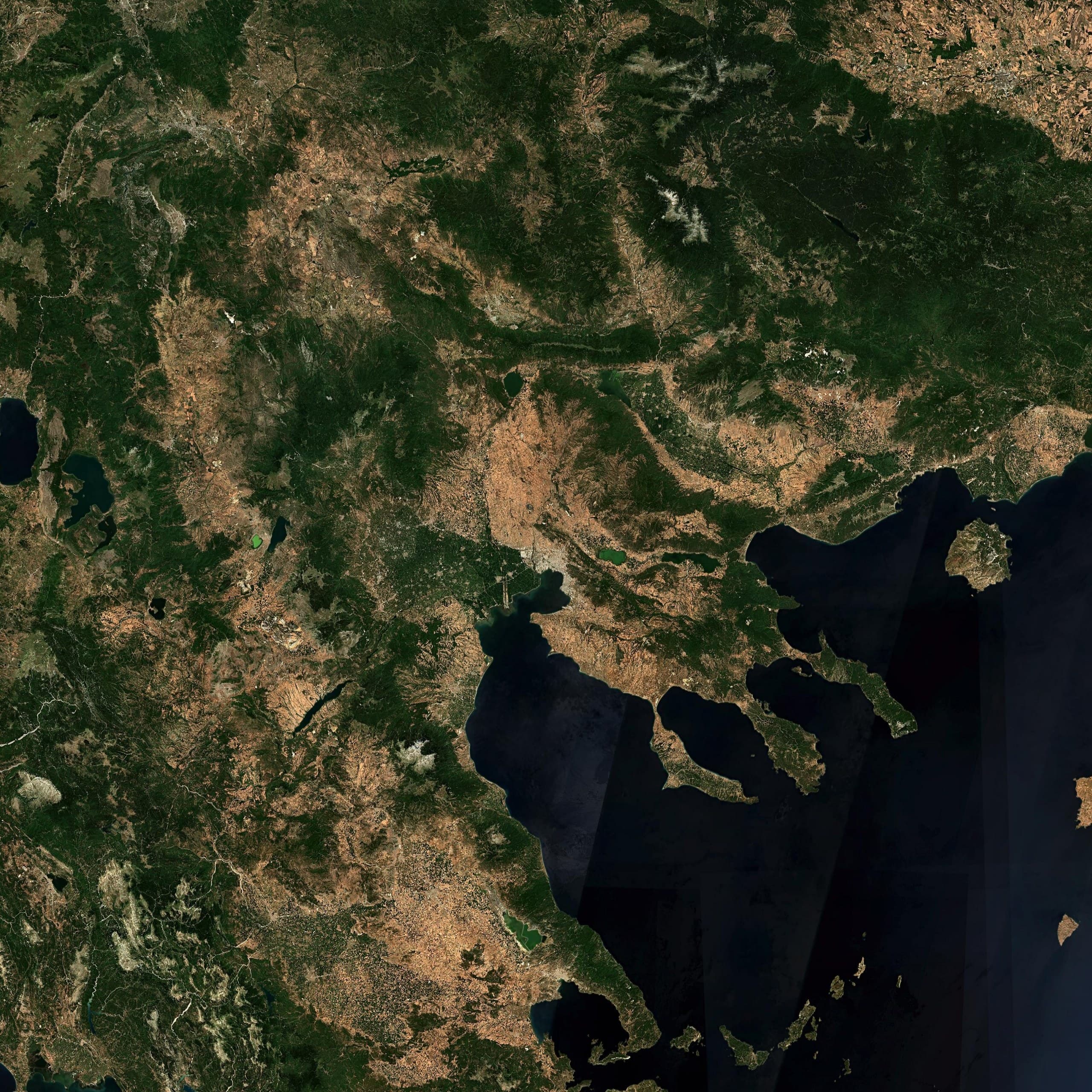
About Macedonia
Greece wine regions
PDOs & PGIs
What Macedonia produces
PGI Macedonia
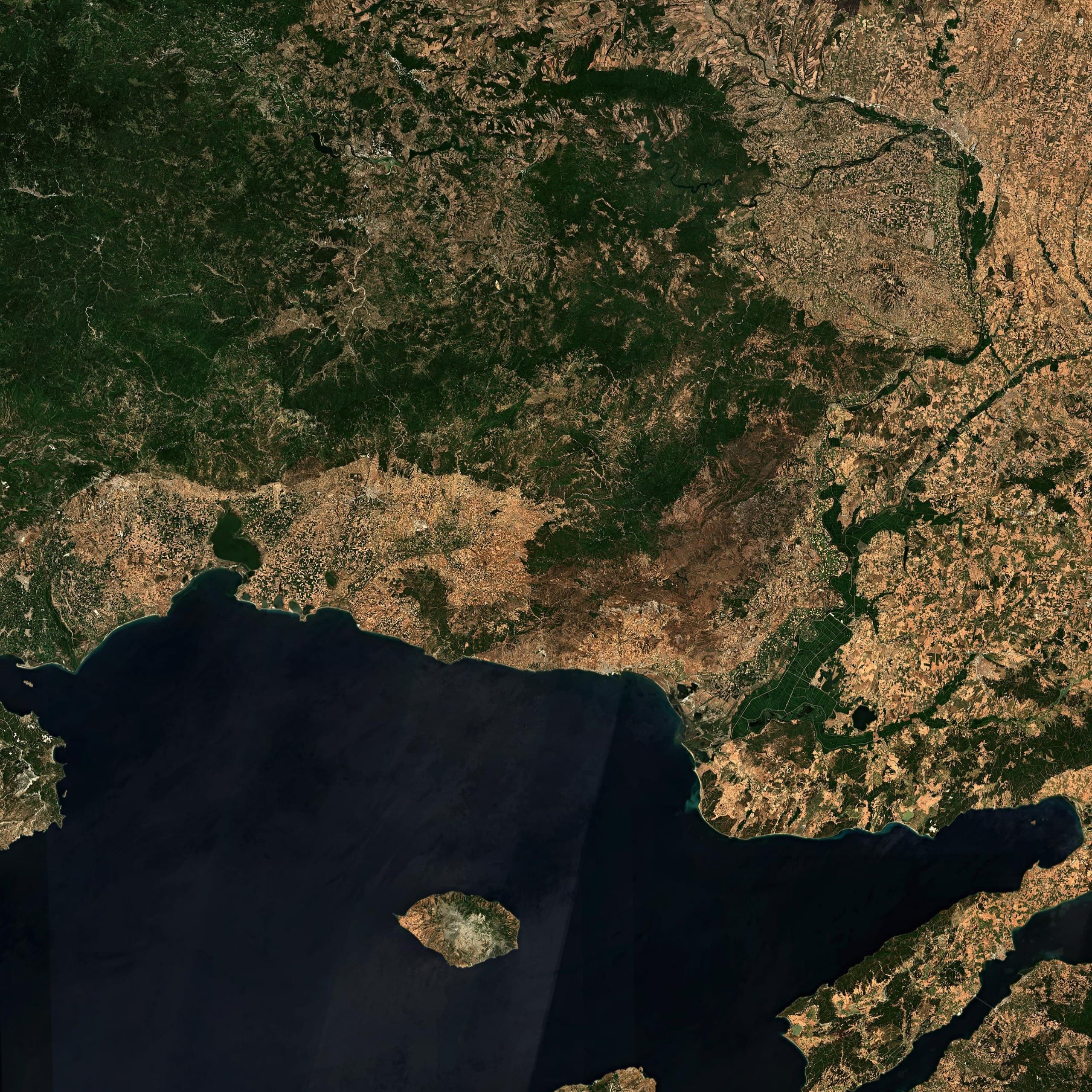
The umbrella designation for all of northern Greece and the label most travelers meet first. Xinomavro-led reds and fresh whites that let producers blend across the region's prefectures.
Similar styles
Lands in the same glass.
Grapes of Macedonia
What it tastes like
Body
Full
Acidity
Zippy
Tannin
Drying
Oak
Some oak
Ripeness
Fresh
Concentration
Medium
Reds
Full-bodied and zippy, with drying tannin and some oak; red fruit, black fruit and a herbal edge, built to age.
red fruit · black fruit · herbal · floral · savoury
Body
Medium
Acidity
Bright
Oak
A touch of oak
Ripeness
Ripe
Concentration
Medium
Whites
Medium-bodied and bright; stone fruit, a herbal edge and a floral lift.
stone fruit · herbal · floral · savoury · earthy
Cork's estimate.
Climate
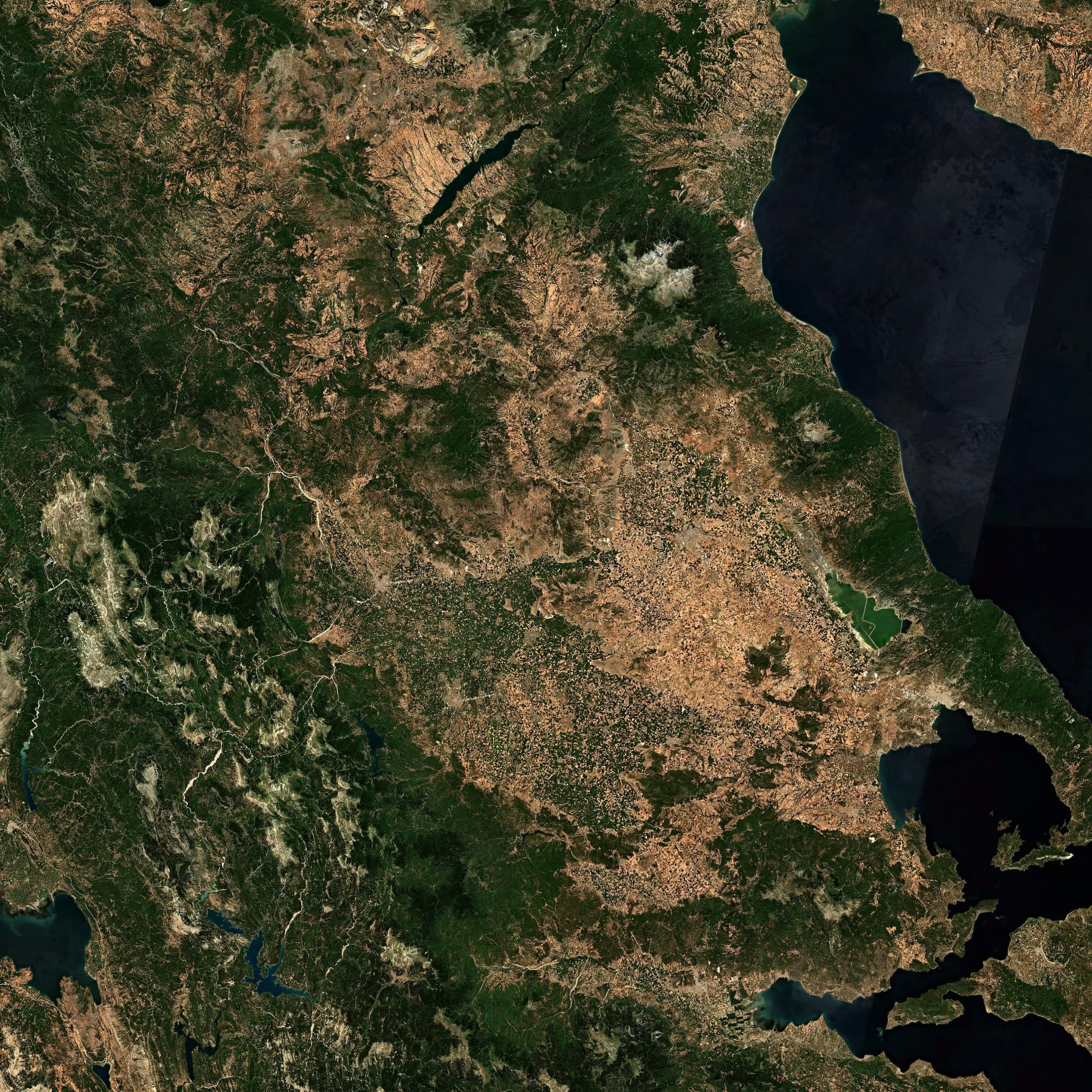
Northern Greece's mountain walls do the work here. Winters are cold, summers warm but rarely extreme, and the altitude of the vineyard zones, from Naoussa's slopes up to the Amyndeon plateau, brings cool nights that stretch Xinomavro's ripening deep into October. Amyndeon's lakes soften the frost risk on what is otherwise the coolest, most continental vineyard land in Greece.
Terroir
Limestone and clay dominate the slopes of Naoussa, where vineyards tilt southeast off Mount Vermio, while Amyndeon sits on sandy soils so poor and loose that phylloxera never took hold and many vines still grow on their own roots. Goumenissa adds clay-limestone foothills and the Slopes of Meliton schist by the sea, with volcanic pockets rounding out one of Greece's most varied vineyard geologies.
Typical Aromas
More in Greece
Frequently Asked Questions
What makes Macedonia the most important wine region in northern Greece?▼
How does Xinomavro compare to Nebbiolo?▼
Which Macedonian PDOs should I try first?▼
What about white wines from Macedonia?▼
Which producers define modern Macedonia?▼
Is Mount Athos wine worth seeking out?▼
Map data: Wines of Greece (ΕΔΟΑΟ, PDO/PGI register) · EU eAmbrosia · Administrative boundaries © OpenStreetMap contributors (ODbL) · Community boundaries © Hellenic Statistical Authority (ELSTAT)