
Country
Greece
Wine's oldest country, on its second act
Greece has been making wine for more than six thousand years. The modern story is shorter and more interesting: a generation of producers rescuing native grapes from anonymity and putting them back on the table.
9
Wine regions
200+
Native varieties
~6,500 years
Vine history
Assyrtiko
Signature white
Xinomavro
Signature red
PDO and PGI
Classification
The country
Why Greece matters
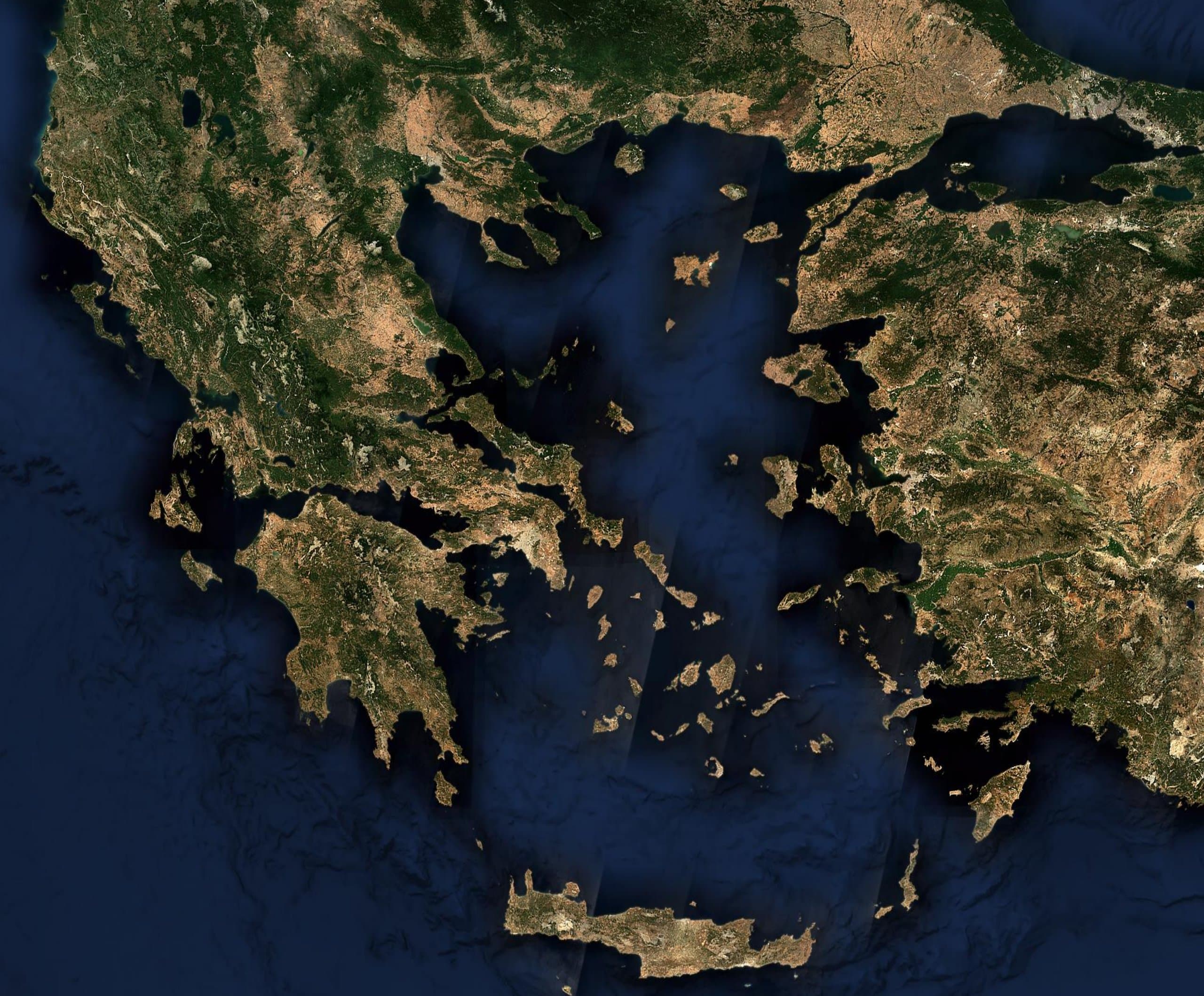
Greek vineyards hold one of the deepest indigenous-grape libraries on earth: more than two hundred varieties still in commercial production, almost none of them grown anywhere else. Assyrtiko on Santorini's volcanic ash, Xinomavro on Macedonia's continental slopes, Agiorgitiko in the limestone bowls of Nemea. These are grapes the international market had never heard of in 1980, and which now sit on serious wine lists from Tokyo to New York.
The turning point came in the late twentieth century. Greek wine before the 1980s meant Retsina, co-op bulk, and cheap tourist whites. A handful of estates (Boutari, Domaine Porto Carras, Gaia, Domaine Sigalas, Kir-Yianni) decided to bottle their own work, planted native varieties on the right slopes, and started shipping. Forty years on, Greece exports to ninety countries and produces wines that compete on style rather than price.
What keeps Greece in the conversation is that almost nothing about it tastes generic. The country grows wine on volcanic islands, glacial mountain valleys, ancient seabeds and Mediterranean garrigue. Drink Greek and you taste places the wider market still has not flattened.
What grows here
The signature grapes
The varieties that define Greece. Tap any card to drill into the grape's profile.
The land
Terroir at a glance
Greece packs four very different climates into one country. The Aegean dries and salts the vine, the Pindus mountains cool it, the Mediterranean south ripens it, and the islands isolate it. Almost every Greek wine is shaped by one of these forces.
Volcanic Aegean
Santorini sits on the rim of a flooded caldera. Its vineyards grow in pumice and ash, on ungrafted vines that survived phylloxera because the volcanic soil starves the louse. The Aegean wind is so strong that growers train each vine into a low woven basket called a kouloura, with the grapes hanging inside. The result is Assyrtiko with the salinity of a wine grown in seawater.
Continental north
Macedonia, Thrace and Thessaly run along the country's northern spine, sheltered from the sea by the Pindus mountains. Summers are hot but nights cool sharply, and many vineyards sit above 500 metres. Xinomavro ripens slowly here, producing reds with Nebbiolo-like tannin and savour. Naoussa, on the slopes of Mount Vermio, is the benchmark site.
Mountain Peloponnese
The Peloponnese is mountainous to its core, and most serious vineyards climb to 400 to 800 metres. Mantinia's high plateau cools Moschofilero into something genuinely aromatic. Nemea's natural amphitheatre stretches Agiorgitiko from broad valley fruit at low elevation to fine-grained structure on the upper slopes. Limestone, schist and red clay alternate underfoot.
Island archipelagos
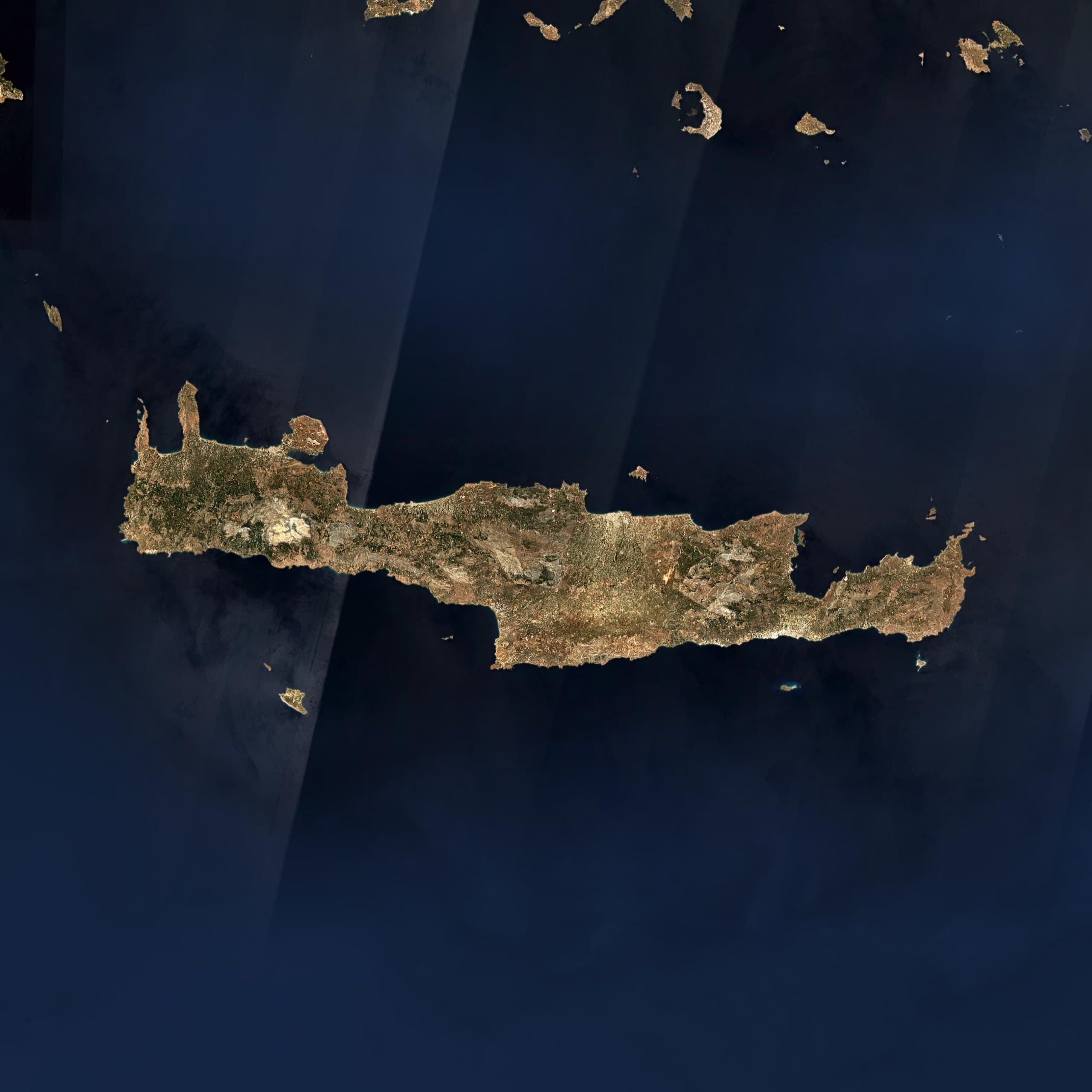
Beyond Santorini, Greece's islands grow wine in conditions found almost nowhere else in Europe. Samos terraces sweet Muscat up the slopes of Mount Ampelos. Kefalonia ripens Robola on limestone scree. Crete, in the deep south, has its own dense library of native grapes (Vidiano, Vilana, Liatiko, Kotsifali, Mandilari) and a four-thousand-year wine record of its own.
On the map
The regions worth visiting
Only regions with mapped vineyards and full guides are shown. Each tile leads to its appellations and vintages.
Greece wine regions. Select a region to learn more.
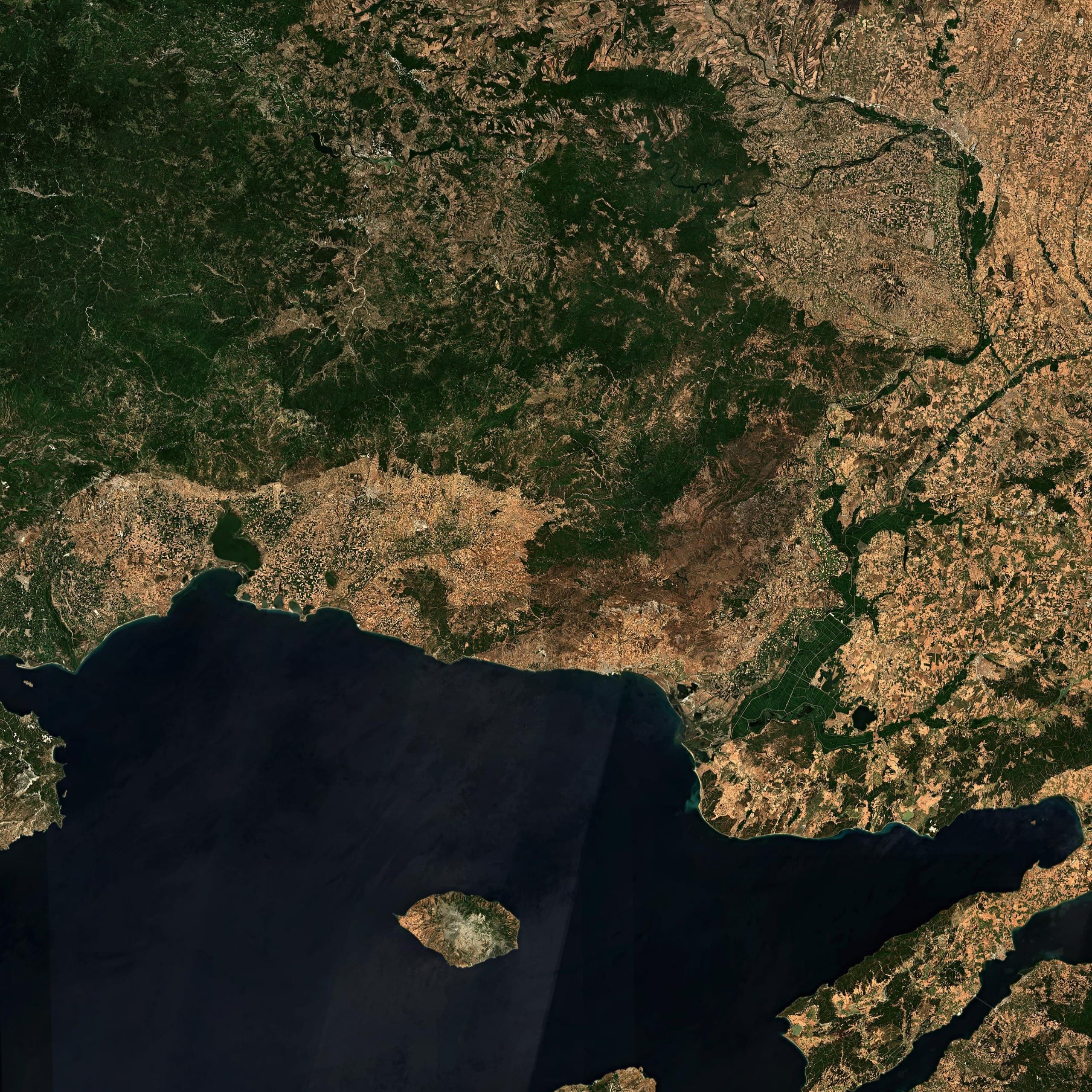
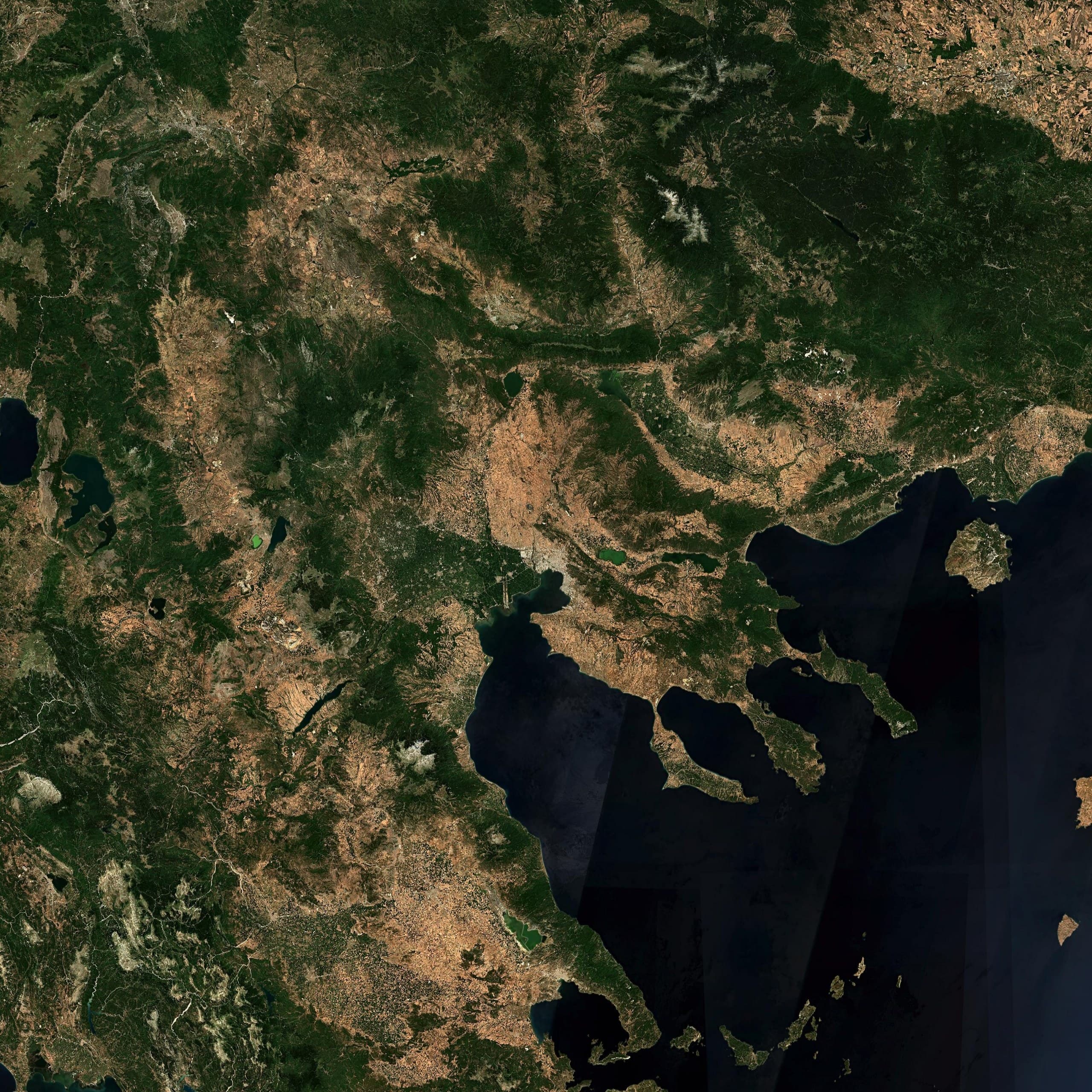
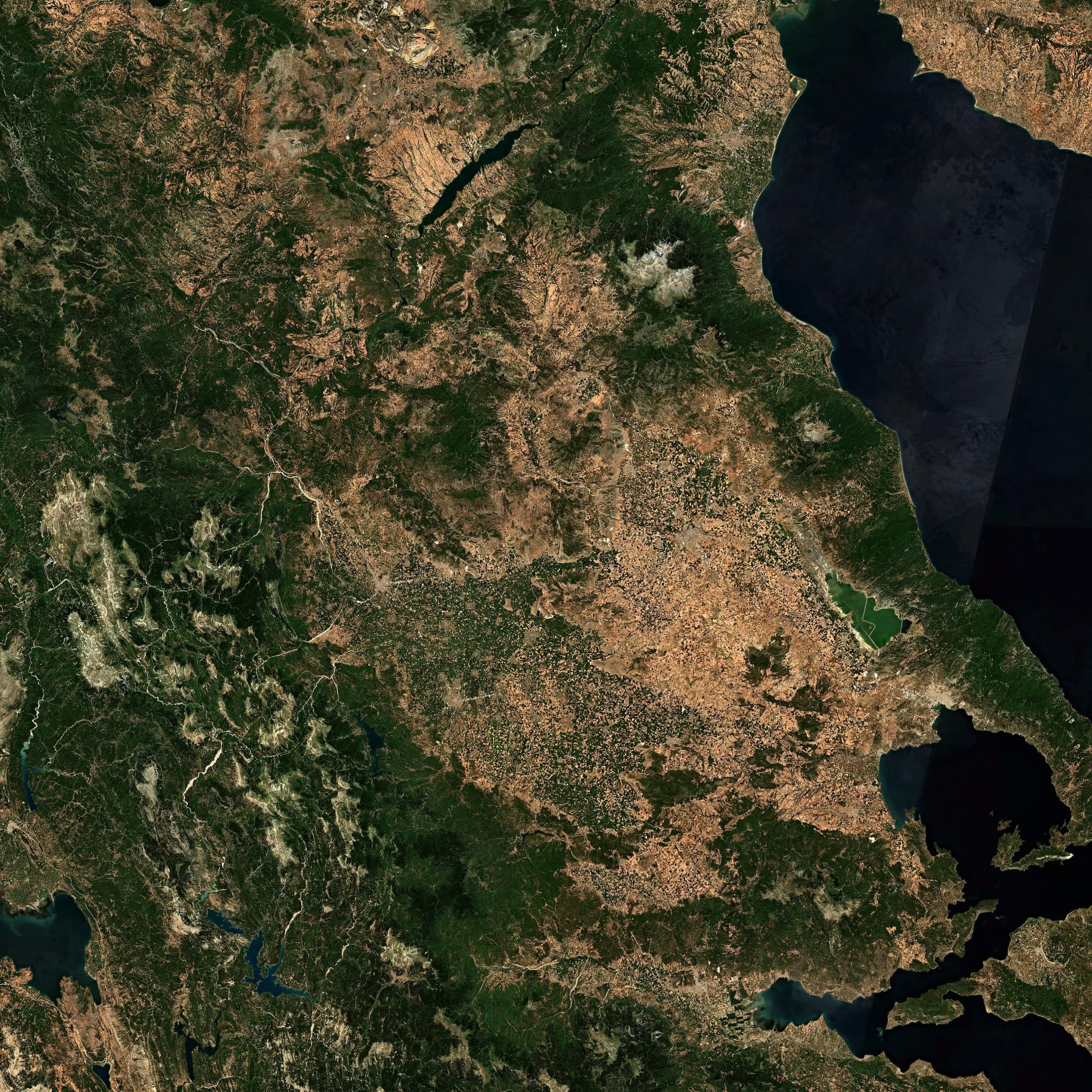
Mainland north
Continental Greece, where the Pindus mountains and the Aegean meet. Xinomavro country at altitude, plus rescued natives like Debina, Limnio and the Xinomavro-Krassato-Stavroto trio of Rapsani.
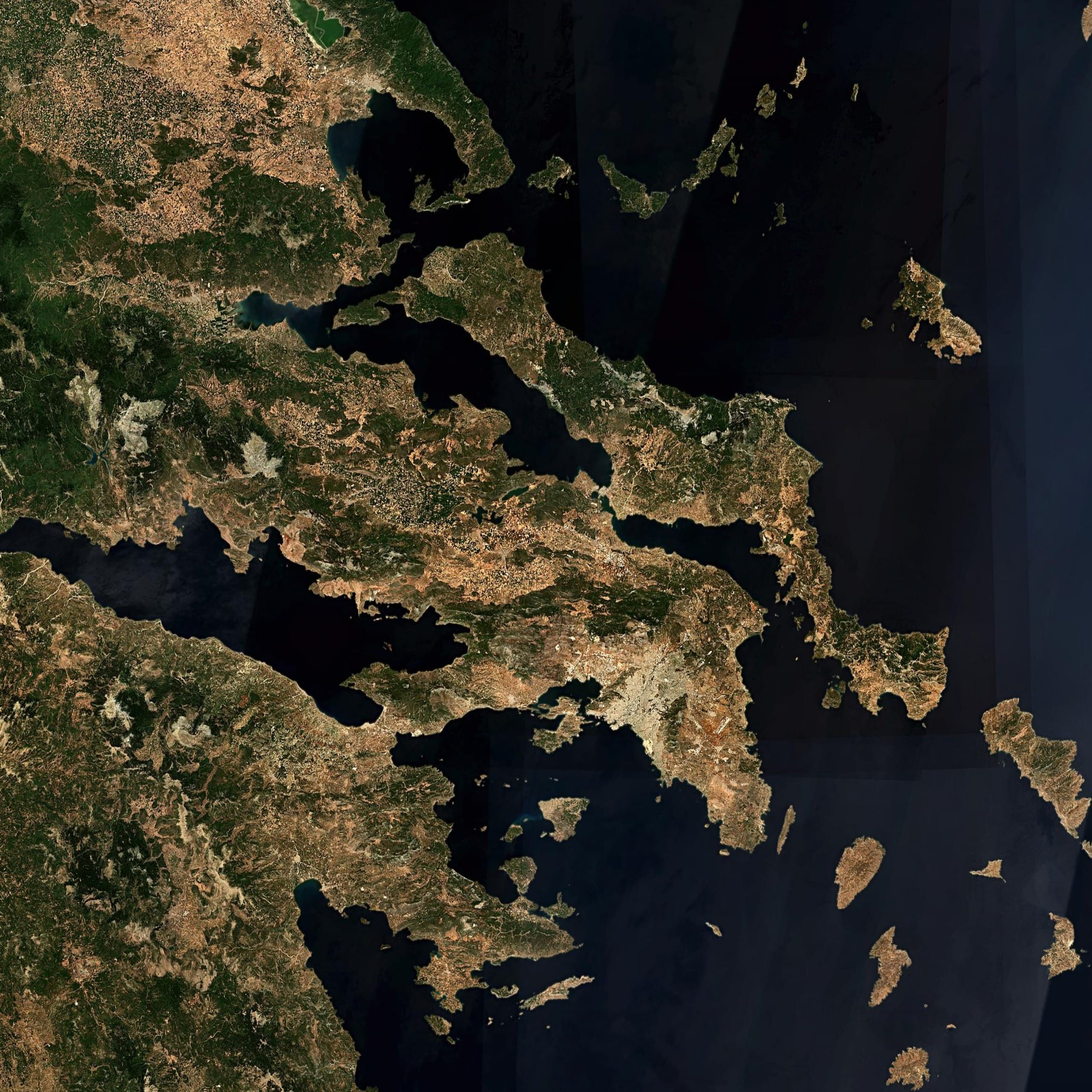
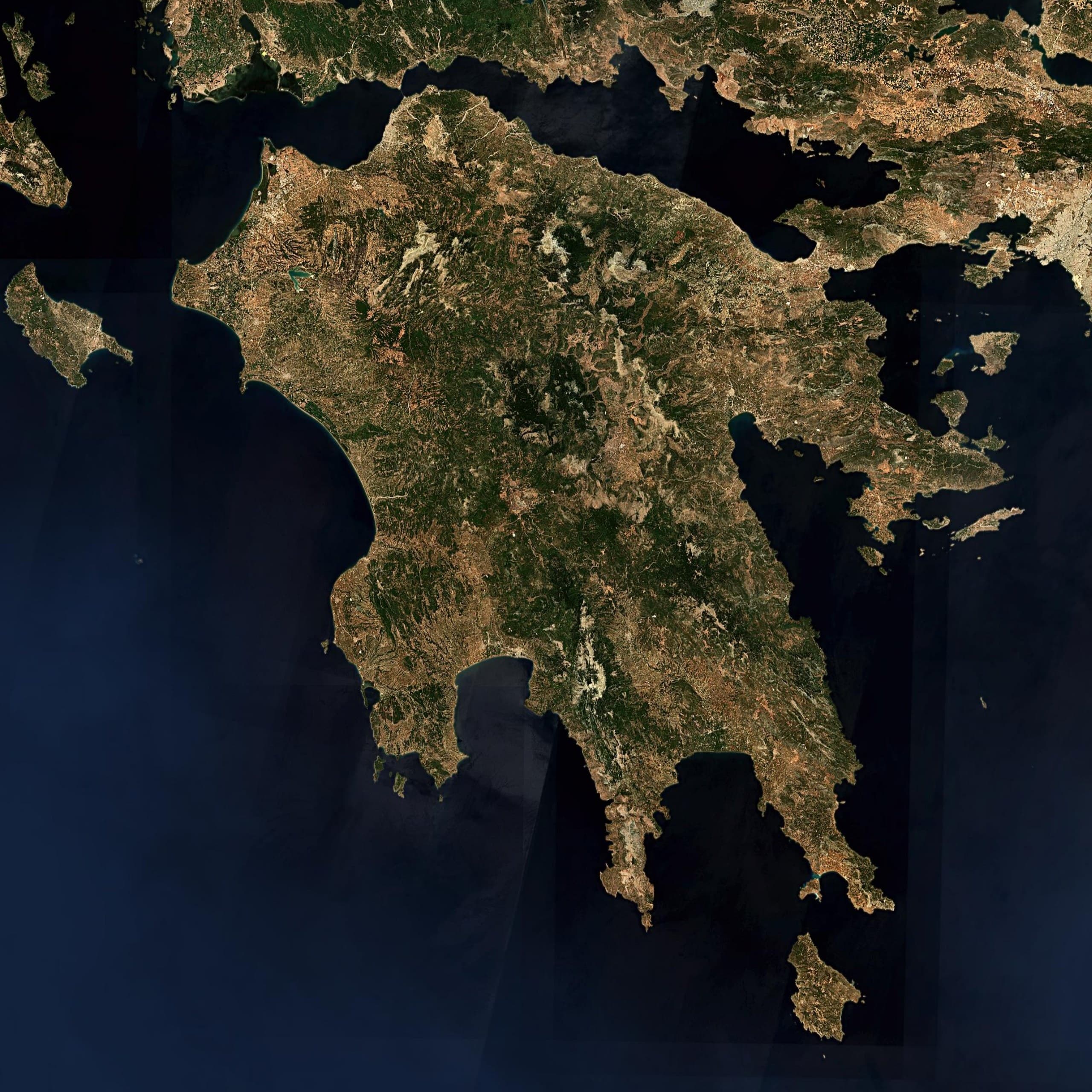
Central and southern mainland
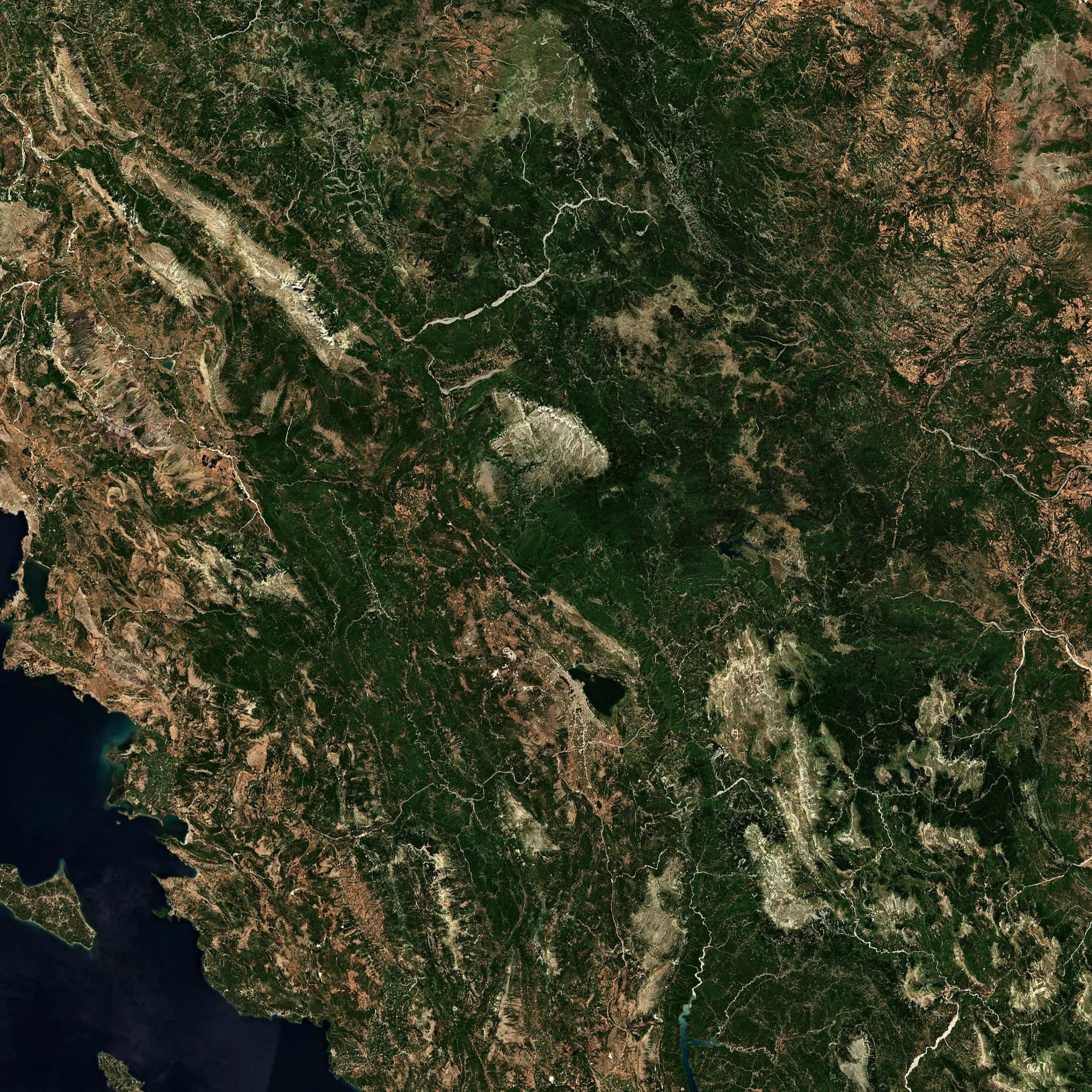
The historical heart of Greek wine. Sterea Ellada is Retsina country and home to Attica's Savatiano. The Peloponnese is the modern engine: Nemea, Mantinia, Patras and the lakes of Lakonia.
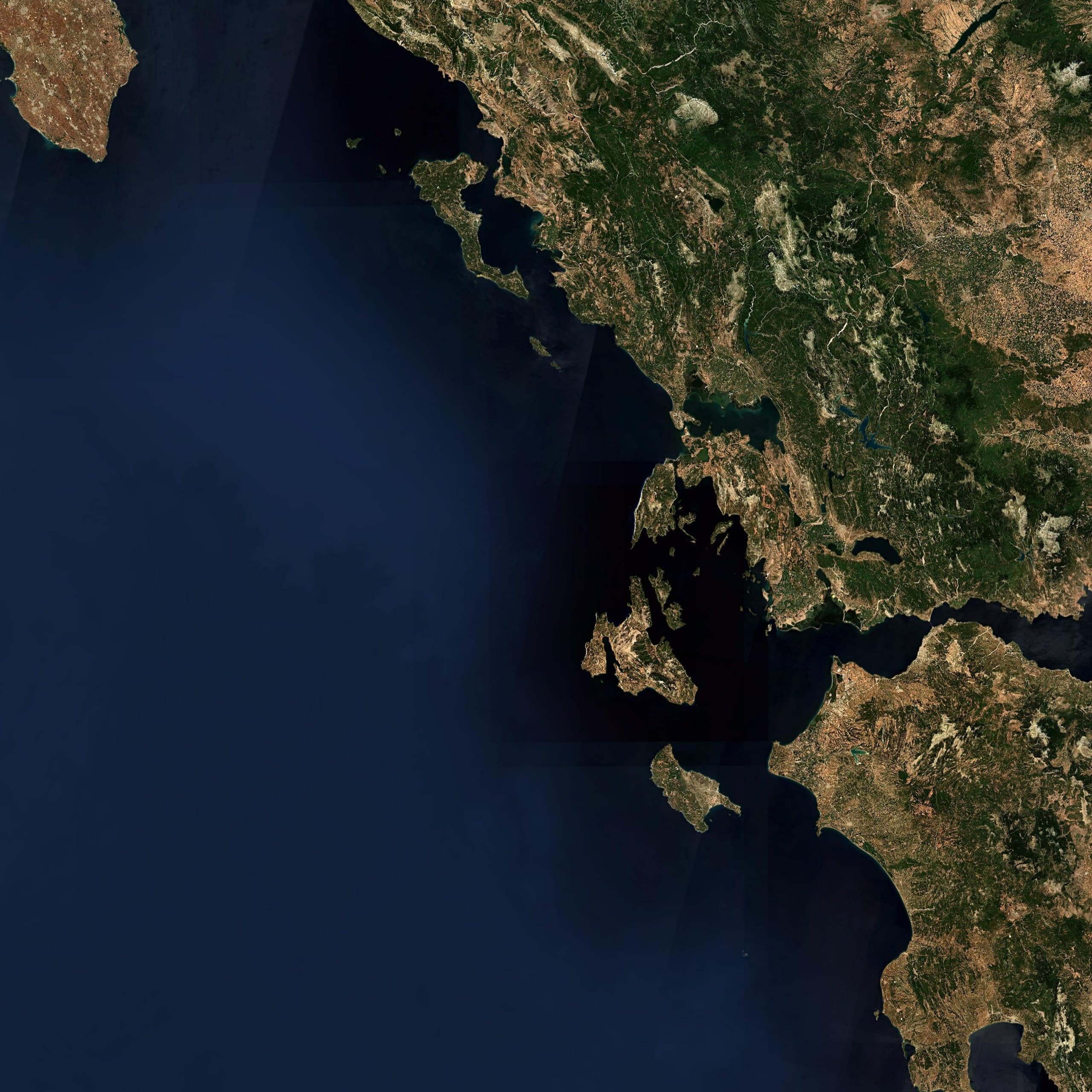
The islands
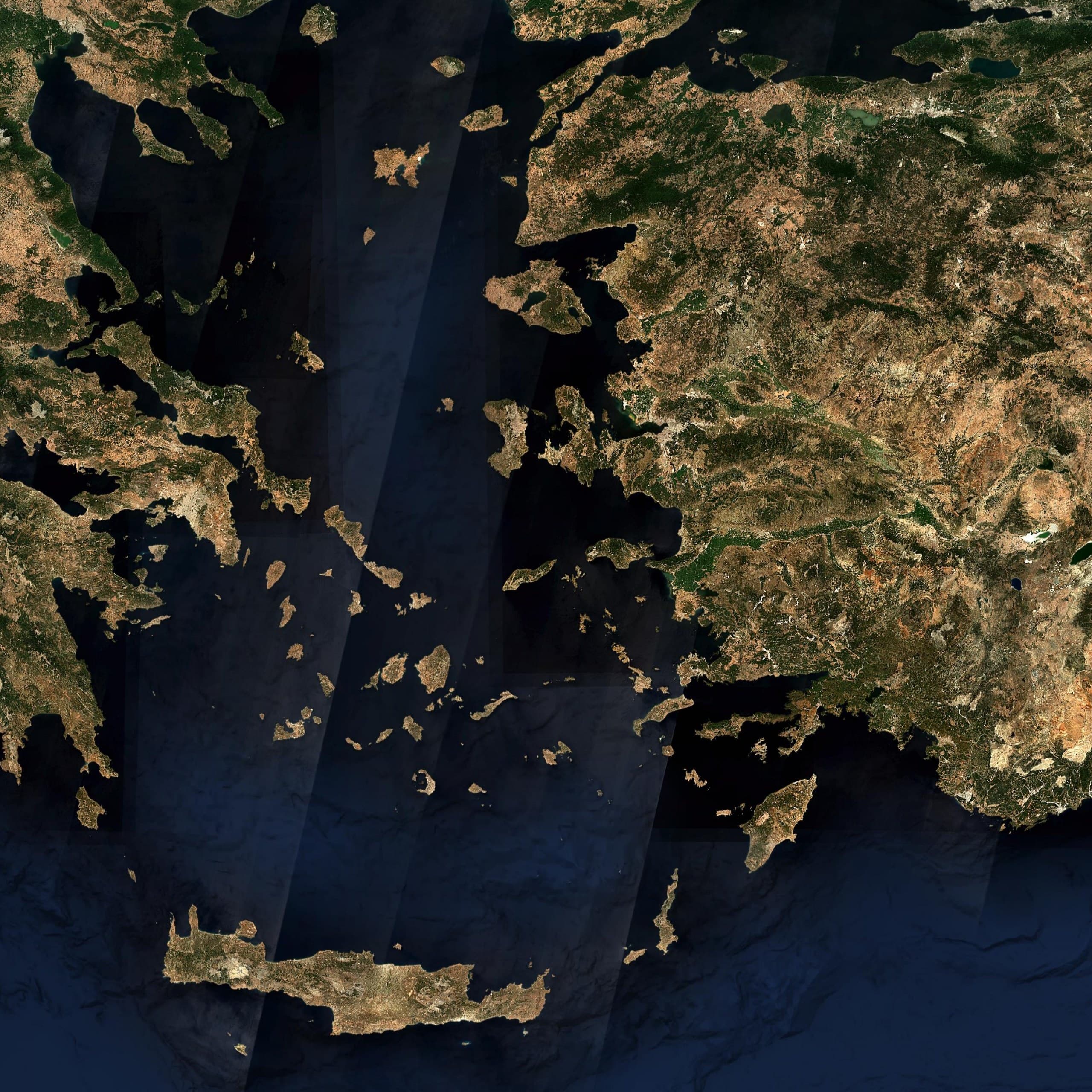
Three island worlds with little in common beyond water. The Ionian leans toward the mainland in style, the Aegean toward volcanic intensity, Crete toward Mediterranean ripeness and a deep library of grapes found nowhere else.
The system
How wine is classified in Greece
Greek wine law follows the EU framework. The two protected tiers, PDO and PGI, replaced the older national labels (OPAP, OPE, Topikos Oinos) when Greece harmonised with EU rules. The principle is the same as in France or Italy: the more specific the place on the label, the stricter the rules.
- 01
PDO
Protected Designation of Origin (ΠΟΠ in Greek, formerly OPAP and OPE). Names a specific wine region with strict rules on grape variety, yields, ripeness and method. Thirty-three Greek PDOs cover the country's most defined wine areas, from Santorini and Nemea to Naoussa and Robola of Kefalonia.
- 02
PGI
Protected Geographical Indication (ΠΓΕ in Greek, formerly Topikos Oinos). A looser tier covering wider geographic areas, from sprawling zones like PGI Macedonia or PGI Peloponnese down to small named hillsides. Greece has roughly one hundred PGIs in total. Retsina, the country's resinated white, sits in this tier and includes more than a dozen sub-zones in Attica, Euboea and Boeotia.
- 03
Varietal Wine
Base-tier table wine, allowed to name a grape variety and vintage but without a specific protected origin. The bulk of Greek supermarket wine sits here, though a small group of producers use it deliberately to bypass PDO rules and work with non-traditional varieties.
A tasting plan
Where to start
Greek wine rewards a slow climb. Start with the bright, aromatic everyday styles, work toward the native reds, and finish with the wines that explain why producers came back to grapes the international market had written off.
Start here
Three approachable, food-friendly Greek wines that show what the country does well at the everyday tier. Each one is built on a native grape and stays well under thirty.
Mantinia Moschofilero
Peloponnese · Moschofilero
Pale pink-skinned grape from the high plateau of Arcadia, vinified as a fragrant white. Rose petal, citrus, a slight prickle of carbon dioxide. The friendliest possible introduction to Greek aromatic whites.
Nemea Agiorgitiko
Peloponnese · Agiorgitiko
Greece's most-planted red in its everyday form: ripe red cherry, gentle tannins, soft oak. The Beaujolais of Greek reds, but with a Mediterranean weight that loves tomato-based food.
Santorini Assyrtiko
Aegean Islands · Assyrtiko
The wine that put modern Greece on the map. Volcanic ash, sea salt, lemon pith and a vertical line of acidity that cuts through anything you put next to it. Look for an entry bottling from Sigalas, Argyros or Hatzidakis.
Go deeper
Step up one tier from the headline names. Same DNA, sharper focus, prices that still make sense for the level.
Naoussa Xinomavro
Macedonia · Xinomavro
The Nebbiolo comparison is overused but earned: rose petal, tomato leaf, sour cherry, savoury tannin, a long savoury finish. Producers like Thymiopoulos, Kir-Yianni and Boutari work at a level that holds its own against serious Piedmont.
Old-vine Santorini
Aegean Islands · Assyrtiko
A single-vineyard or 'old vines' Santorini steps the wine up from briny refreshment to something genuinely cellar-worthy. Try Sigalas Kavalieros, Argyros Estate Cuvée Monsignori or Hatzidakis Skitali. These reward five to ten years of patience.
Robola of Kefalonia
Ionian Islands · Robola
An island white grown on poor limestone scree at altitude. Cut-glass acidity, lemon zest, crushed stone. Gentile and Sclavos are the names to look for. A genuinely original mineral white in a wine world that increasingly does not have many.
For the curious
The wines that explain why Greek producers stay obsessed. Native, often tiny in production, mostly worth a small detour.
Santorini Vinsanto
Aegean Islands · Assyrtiko
Sun-dried Assyrtiko grapes pressed into a dark amber sweet wine that has been made on Santorini since antiquity. Caramel, dried apricot, fig, with the trademark Assyrtiko acidity holding the sweetness up. Aged in oak for years before release.
Single-village Naoussa
Macedonia · Xinomavro
A new generation of growers (Thymiopoulos, Karydas, Dalamara) is bottling Naoussa by site, in the Burgundian sense. Look for named-village or single-vineyard cuvées from the slopes of Mount Vermio. These need time and reward it.
Mavrodaphne of Patras
Peloponnese · Mavrodaphne
Greece's great fortified red, traditionally made for the church and the long after-dinner table. Old bottlings from Parparoussis or Tetramythos taste of fig, walnut, orange peel and warm spice. A small, undervalued category that aged barrel-by-barrel for decades.
At the table
Wine and food in Greece
Greek wine grew up next to food, and almost no one in Greece tastes a bottle without something on the table. The everyday pairings track regional cooking with quiet logic: Assyrtiko with grilled octopus on a Cycladic island, Agiorgitiko with slow-cooked lamb in the Peloponnese, Xinomavro with the rich pork and bean dishes of the Macedonian winter. Pour local where you can, because the wine and the food evolved together.
Frequently Asked Questions
Why are Greek wines so rare outside Greece?▼
Is Retsina actually good?▼
What is Vinsanto?▼
Why does Greek wine taste so different from southern Italian wine?▼
What is the difference between PDO Santorini and a Santorini PGI wine?▼
How long can Greek wines age?▼
What is the easiest way to start exploring Greek wine?▼
Keep exploring