
Greece
Thrace
Greece wine regions
About Thrace
Greece wine regions
PDOs & PGIs
What Thrace produces
PGI Thrace
The region-wide designation for Greece's northeastern frontier, where revived estates blend Mavroudi and Limnio with international varieties on the slopes toward the Aegean.
Climate
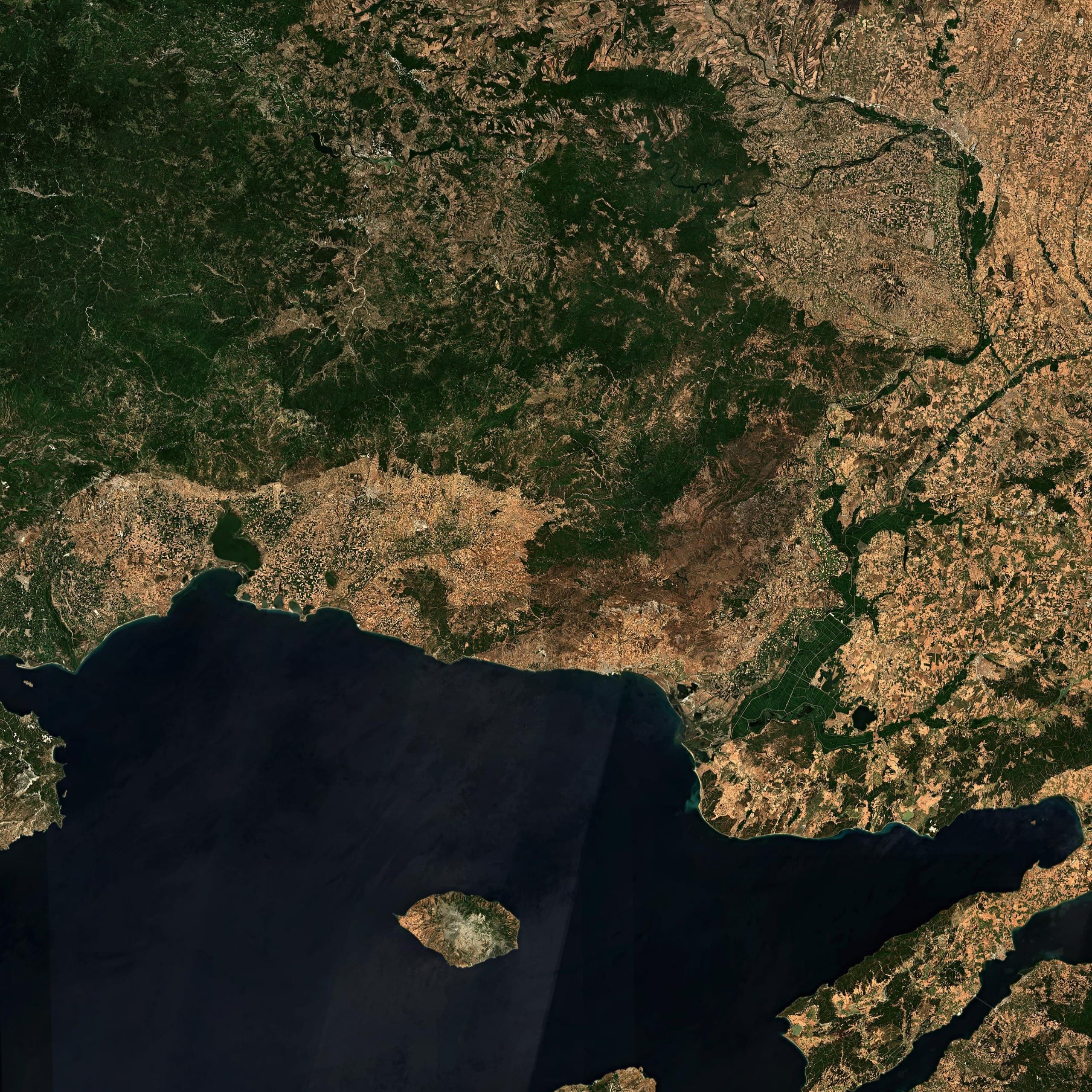
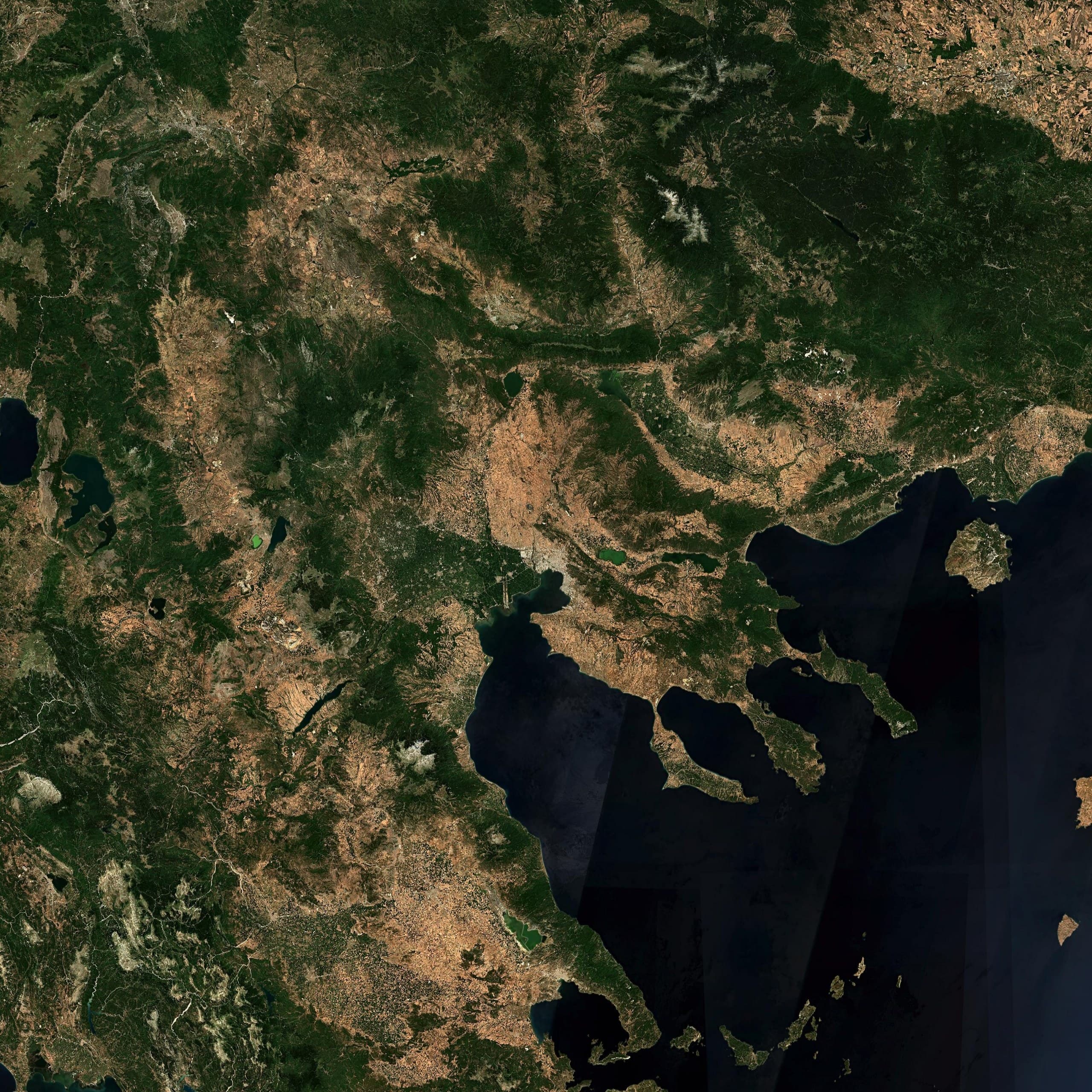
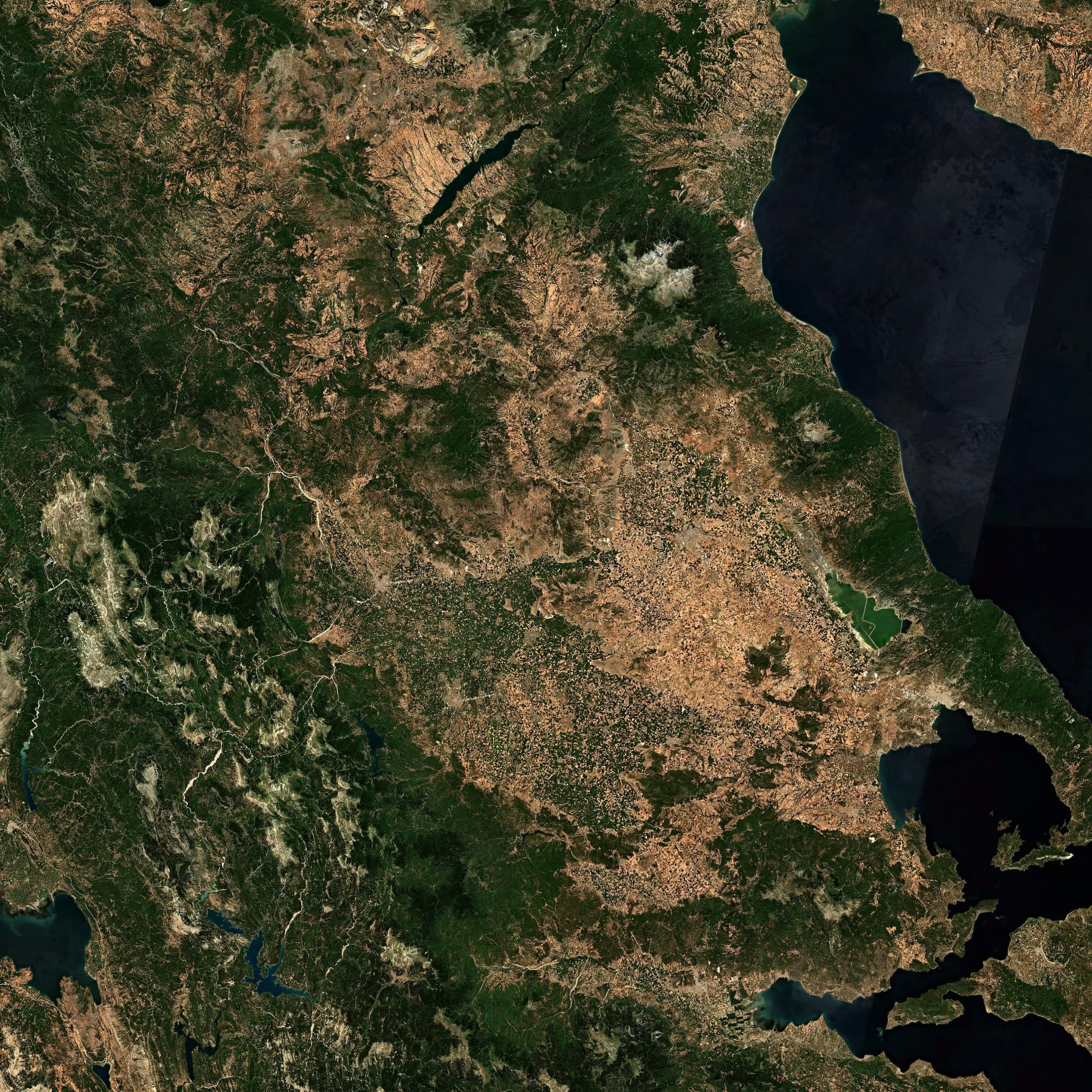
Thrace ripens where two weather systems meet: Aegean warmth rolling in along the coast and cooler continental air sliding down from the Rhodope range to the north. The result is a long, gentle growing season in which summer heat is tempered by sea breezes and autumn stays dry enough to pick without hurry.
Terroir
The Rhodope foothills break down into granite and schist slopes that descend toward sandy loam plains along the northern Aegean shore. The historic vineyards of Ismaros, where Homer had Odysseus source his wine, climb the slopes of their namesake mountain above Maroneia.
Typical Aromas
More in Greece
Frequently Asked Questions
What makes Thrace wine different from the rest of Greece?▼
Are any Thracian wines worth seeking out?▼
What grapes are grown in Thrace?▼
Does Thrace make age-worthy wines?▼
Map data: Wines of Greece (ΕΔΟΑΟ, PDO/PGI register) · EU eAmbrosia · Administrative boundaries © OpenStreetMap contributors (ODbL)