
Greece
Epirus
Greece wine regions
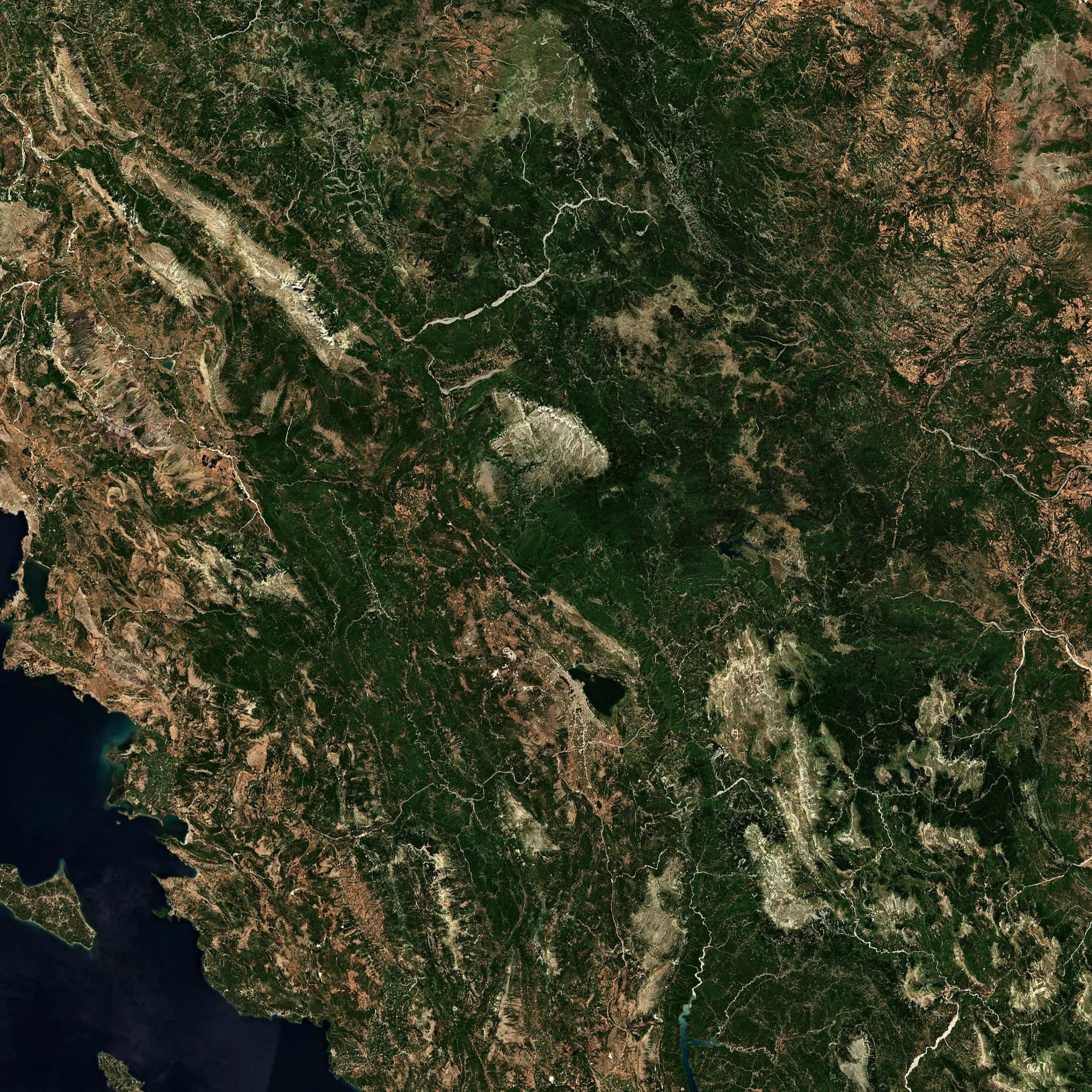
About Epirus
Greece wine regions
PDOs & PGIs
What Epirus produces
PGI Epirus
The region-wide designation for Greece's mountainous northwest, covering alpine Debina whites and cool-climate reds beyond the Zitsa PDO zone.
Climate
This is Greece's rainiest corner, where weather fronts off the Ionian pile into the Pindus and drop their water on the mountains. The growing season is short and genuinely cool, with vineyards among the highest in the country and harvests that wait on the late autumn sun. Debina in Zitsa holds its acidity effortlessly here; the challenge is ripeness, not freshness.
Terroir
Limestone and flysch, the crumbly sandstone-and-clay rock of the Pindus folds, make up most of the vineyard land, giving calcareous, fast-draining soils on steep mountainside plots. The Zitsa vineyards sit on hilly limestone ground, while around Metsovo the vines climb terraced slopes cut into the mountain itself.
Typical Aromas
More in Greece
Frequently Asked Questions
What is the signature wine of Epirus?▼
Why is Metsovo significant in Greek wine history?▼
Is Epirus all about whites?▼
When should I drink Zitsa wines?▼
Map data: Wines of Greece (ΕΔΟΑΟ, PDO/PGI register) · EU eAmbrosia · Administrative boundaries © OpenStreetMap contributors (ODbL)