CorkCork
Ionian Islands

Greece

Ionian Islands

ThraceThraceMacedoniaMacedoniaEpirusEpirusThessalyThessalySterea ElladaSterea ElladaPeloponnesePeloponneseAegean IslandsAegean IslandsCreteCreteIonian IslandsIonian Islands

Greece wine regions

About Ionian Islands

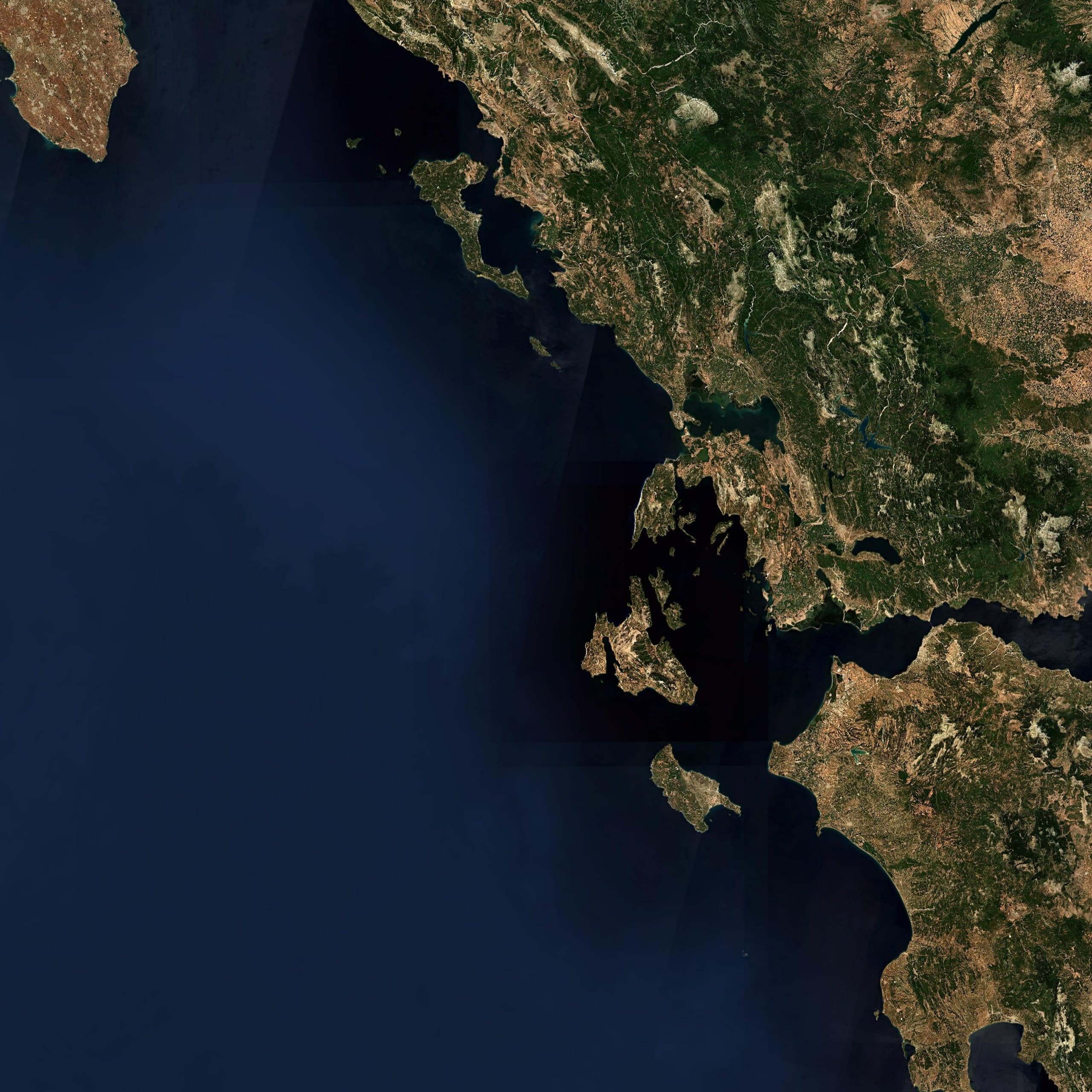
The Ionian Islands sit on Greece's western seaboard, more Italian than Aegean in their wine identity. Kefalonia carries all three of the region's PDOs: Robola of Kefalonia, a saline limestone-grown white; Mavrodaphne of Kefalonia, a fortified red; and Muscat of Kefalonia, a sweet golden Muscat. PGI Corfu, PGI Lefkada and PGI Zakynthos cover the other major islands, with the native Vertzami of Lefkada and the Verdea wine of Zakynthos as local specialities. The climate is milder and wetter than the Aegean, the soils limestone and karst. Producers like Gentile, Sclavos and the Robola Cooperative on Kefalonia are the names to know.

PDOs & PGIs

What Ionian Islands produces

Verdea of Zakynthos

The Ionians' appellation by tradition, a deliberately oxidative white from Zakynthos built on Skiadopoulo and aged like a gentle island sherry. One of Greece's oldest named wines.

Grapes of Ionian Islands

Climate

MediterraneanMaritimeMildHigh rainfallWet winters

The Ionian is the wet side of Greece. Winters bring real rain and the islands stay green in a way the Aegean never does, while summers are mild, humid and sea-tempered rather than scorching. On Kefalonia the best Robola sites climb high enough on the slopes of Mount Ainos that cool air keeps the whites taut.

Terroir

Limestone screeKarstMarlSteep coastal slopes

Hard limestone is the backbone, weathering into the scree and karst that Robola loves, with marl in the lower ground. Vineyards cling to steep coastal hillsides, and on Kefalonia many old plots still grow on their own roots in the rocky, free-draining rubble.

Typical Aromas

Lemon zestCrushed stoneGreen pearWild herbsSea sprayMandarin peel
Explore the aroma wheel

More in Greece

Frequently Asked Questions

What makes Robola of Kefalonia distinctive?▼
Robola of Kefalonia grows on poor limestone scree (kalcoboron in local dialect) at altitude on Mount Ainos. The vines are typically ungrafted, and the harvest is by hand on terrain too steep for machinery. The wines have cut-glass acidity, lemon zest and a saline mineral spine, often compared to high-altitude Riesling but with a distinct Mediterranean island character. Gentile, Sclavos and the Robola Cooperative are the names to look for.
What other PDOs does Kefalonia have?▼
All three Ionian PDOs sit on Kefalonia. Robola of Kefalonia is the dry white. Mavrodaphne of Kefalonia is the sweet fortified red, sibling to the Patras version. Muscat of Kefalonia is the sweet golden Muscat, made from sun-dried fruit and aged in oak. The three together cover the island's traditional wine identity.
What about the other Ionian Islands?▼
Corfu (PGI Corfu) makes a mix of indigenous and international wines on limestone-rich slopes; the Halikouna sub-zone has some interesting producers. Lefkada is home to the native Vertzami grape, a dark, structured red found almost nowhere else, plus PGI Lefkada whites. Zakynthos has the PGI Verdea of Zakynthos for traditional oxidised whites and modern dry styles.
Is Vertzami a wine worth trying?▼
Yes, if you can find it. Vertzami is Lefkada's native red, deeply pigmented, structured and savoury, with a real sense of place. The bottles are tiny in production but a handful of estates (Lykos, Vakakis-Drazinos) put it on serious wine lists. It tastes nothing like any other Greek red.

Map data: Wines of Greece (ΕΔΟΑΟ, PDO/PGI register) · EU eAmbrosia · Administrative boundaries © OpenStreetMap contributors (ODbL) · Community boundaries © Hellenic Statistical Authority (ELSTAT)