CorkCork
Franschhoek

South Africa

Franschhoek

SwartlandSwartlandPaarlPaarlConstantiaConstantiaStellenboschStellenboschElginElginWalker BayWalker BayRobertsonRobertsonFranschhoekFranschhoek

South Africa wine regions

About Franschhoek

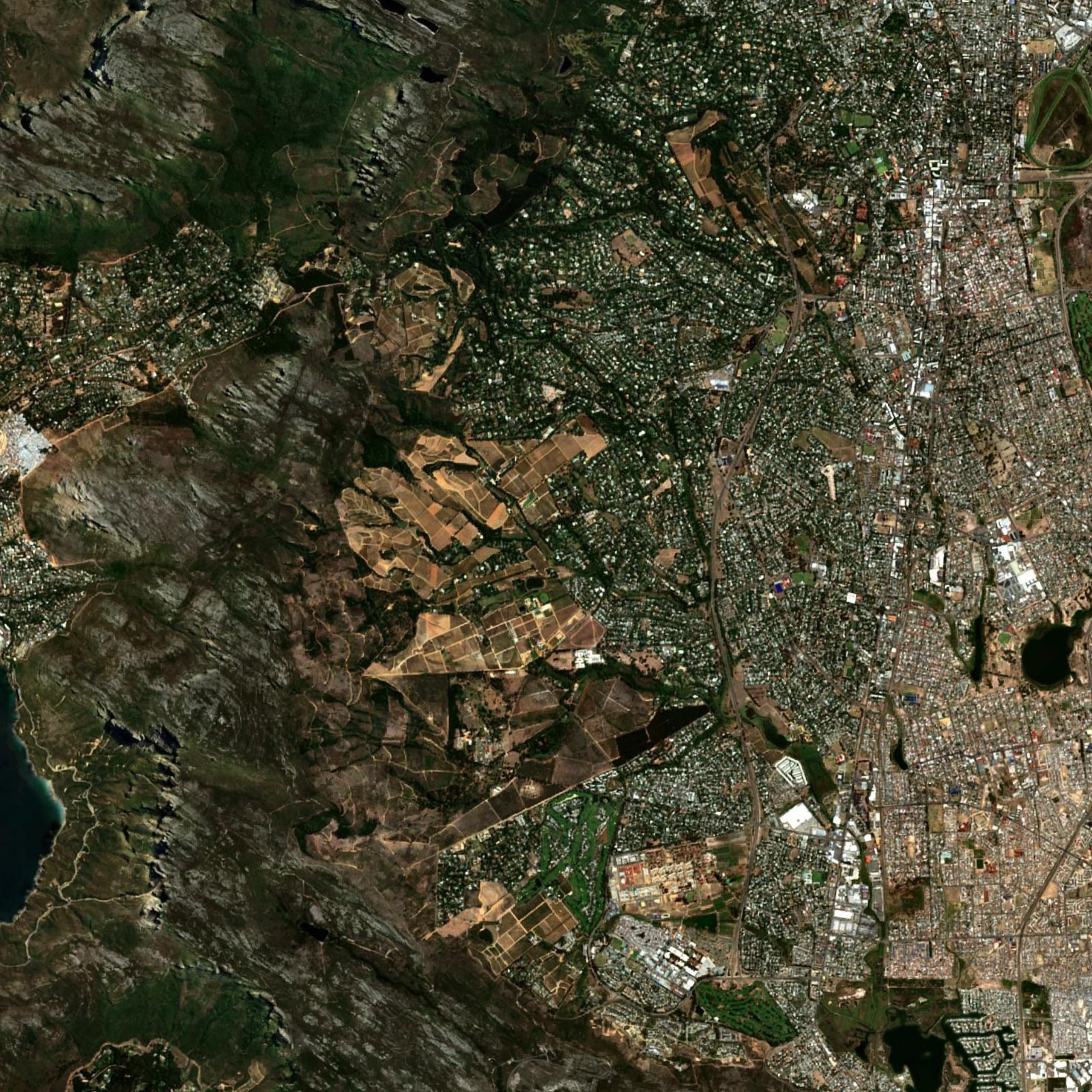
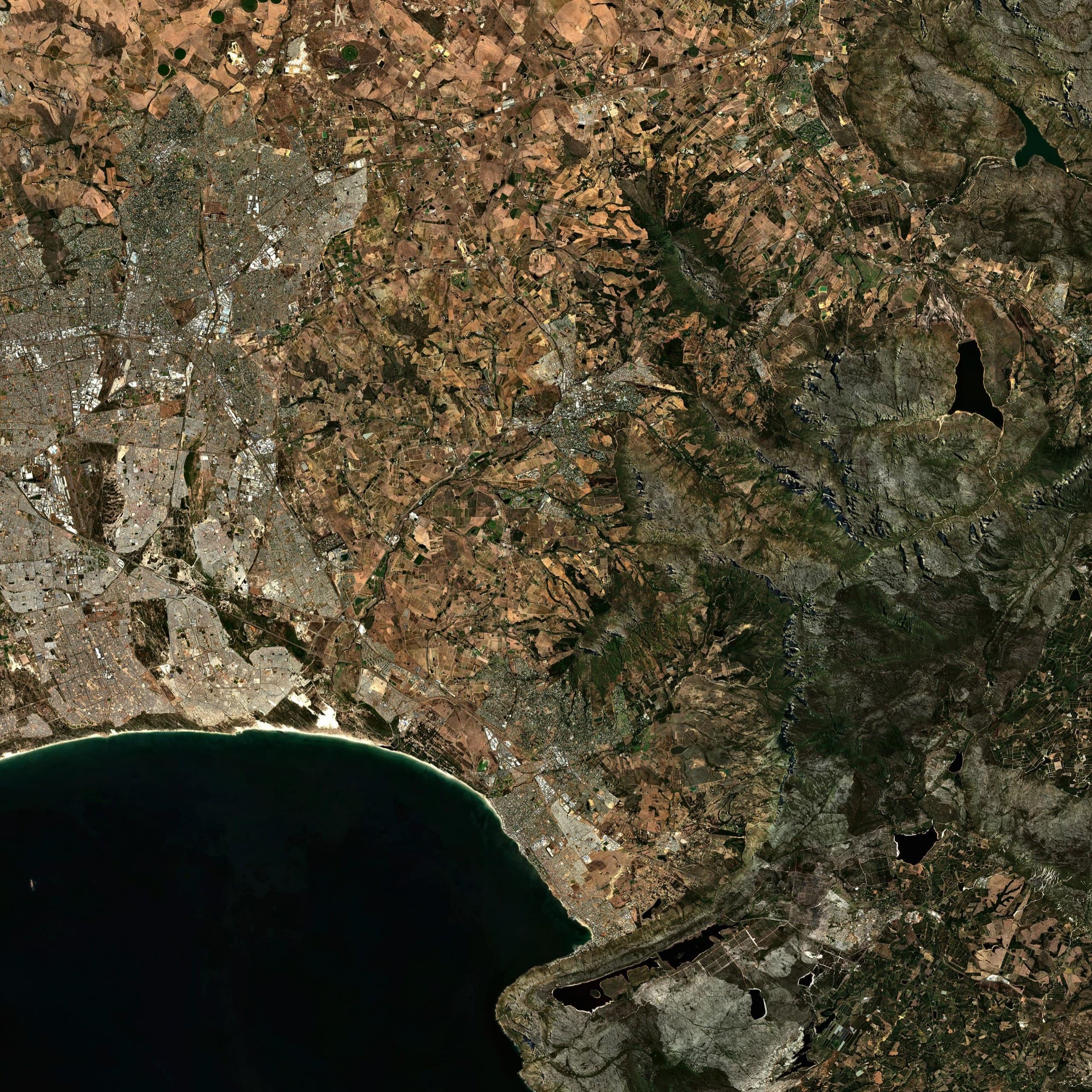
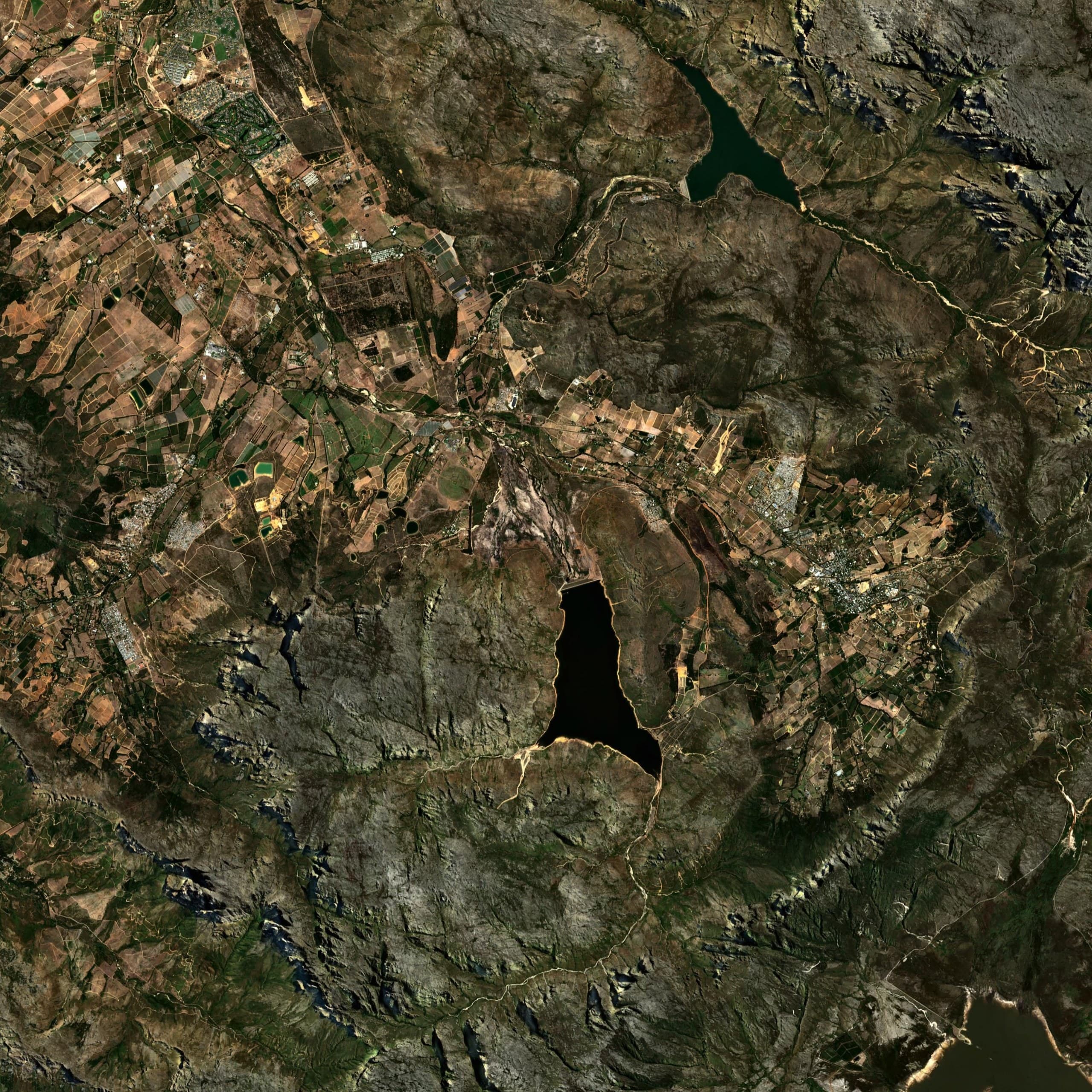
Franschhoek means "French corner": Huguenot refugees settled this box canyon of a valley in 1688, and their farm names, La Motte, Grande Provence, Chamonix, still line the single main road. Walled in on three sides by mountains, the valley has become the Cape's food-and-wine playground, with more celebrated restaurants per block than anywhere in Africa. In the glass its calling cards are gnarled old Semillon vines, some planted in the early 1900s and turned into profound whites by Boekenhoutskloof, and polished Cap Classique sparkling from houses like Colmant and Le Lude. A wine tram trundles between the cellar doors, which tells you how seriously the valley takes pleasure.

Vintages

11 · 2015–2025

Rating:
95+
90-94
85-89
80-84
<80
PeakReadyHold
Year20252024202320222021202020192018201720162015
White

Outstanding Franschhoek Vintages

The best recent vintages rated excellent or exceptional.

White

2025

Ready
92Excellent

Fresh, concentrated, and promising across still and sparkling alike.

2026Peak 2027–20302031

2024

At peak
90Excellent

Vivid, delicate, aromatic whites from a small crop.

2025Peak 2026–20292030

2023

At peak
90Excellent

Bright, moderate-alcohol whites in a classical register.

2024Peak 2025–20282029

2022

At peak
91Excellent

Riper, sunnier whites with charm and breadth.

2023Peak 2024–20272029

2021

At peak
93Excellent

An exceptional white year: piercing acidity, slow-built flavour, age-worthy Semillon.

2022Peak 2023–20292031

2020

At peak
91Excellent

Generous, well-knit whites; a strong year for Cap Classique base wine.

2021Peak 2022–20272028

2019

At peak
90Excellent

Fresh, citrused, quietly classy; lovely Semillon and Chardonnay.

2020Peak 2021–20262027

2017

Drink up
92Excellent

Taut, mineral whites and superb sparkling base wine from a cool, dry year.

2018Peak 2019–20252028

2015

Drink up
93Excellent

Poised, concentrated whites from a famous Cape season; old-vine Semillon excelled.

2016Peak 2018–20252028

The Valley

Classification System

South Africa's Wine of Origin scheme, instituted in 1973, demarcates where a wine may claim to come from: geographical units like the Western Cape, then regions, districts, and finally wards. A WO claim means 100 percent of the grapes grew inside the named area, with the certification seal numbered on every bottle.

Ward

The tightest demarcation, like Simonsberg-Stellenbosch or Hemel-en-Aarde Valley

District

The names labels lead with, Stellenbosch to Walker Bay

Estate / Single Vineyard

A registered contiguous estate, or a registered single vineyard of at most 6 hectares

What Franschhoek produces

White

Old-vine Semillon is the valley's treasure, waxy and age-worthy, with fine Chardonnay and Sauvignon Blanc alongside.

Red

Supple Syrah and Cabernet from the mountain slopes, in a polished, perfumed register.

Sparkling

Some of South Africa's most refined Cap Classique, from dedicated houses that make nothing else.

Grapes of Franschhoek

Climate

MediterraneanMountain-cooledHigher rainfallSlow even ripening

Mediterranean, but cooler and wetter than the plains beyond: the horseshoe of mountains traps winter rain and funnels cool air down the valley on summer evenings. Ripening is slower than in Paarl next door, which suits Semillon, Chardonnay, and the sparkling-wine grapes picked early for freshness.

Terroir

Alluvial valley floorDecomposed granite slopesSandstone soils

A narrow valley floor of alluvial and sandstone soils along the Berg River's headwaters, rising fast into decomposed granite on the steep mountain flanks. The old Semillon blocks sit on deep valley soils that have kept century-old vines alive, while the slopes give brighter, stonier fruit. Vineyards run from about 300 metres on the floor to well above 500 on the shoulders.

Typical Aromas

lemon curdlanolinwhite blossombriochegreen fighazelnut
Explore the aroma wheel

More in South Africa

Frequently Asked Questions

What makes Franschhoek wine special?▼
Franschhoek means French corner: Huguenot refugees settled this mountain-walled valley in 1688, and their farm names still line the single main road. Today it is the Cape's food-and-wine playground, famous for celebrated restaurants, a wine tram between cellar doors, gnarled Semillon vines planted in the early 1900s, and some of South Africa's most refined Cap Classique sparkling wine from dedicated houses like Colmant and Le Lude.
What grapes are grown in Franschhoek?▼
Old-vine Semillon is the valley's treasure, waxy and age-worthy, with Boekenhoutskloof's bottling the most famous. Chardonnay and Pinot Noir are grown widely, much of the crop picked early for Cap Classique sparkling, and there is fine Sauvignon Blanc plus supple Syrah and Cabernet from the mountain slopes.
What are the best Franschhoek vintages?▼
2015 produced poised, concentrated whites, and 2017's cool, dry season made taut wines and superb sparkling base fruit. 2021 is the standout of recent years, an exceptionally cool, late harvest with piercing acidity and age-worthy Semillon. 2025 looks fresh and concentrated for both still and sparkling wines.
What food pairs well with Franschhoek wines?▼
In a valley with this many good restaurants the wines have learned to share a table. Cap Classique with oysters is the classic opener, old-vine Semillon loves butter-roasted chicken or trout with almonds, and the valley's Chardonnays suit creamy dishes and triple-cream brie. Finish with apple tart and a late-harvest glass.
Is Franschhoek good for sparkling wine?▼
It is arguably the Cap Classique capital of South Africa. The mountain-cooled valley lets Chardonnay and Pinot Noir keep the acidity that traditional-method sparkling needs, and houses like Colmant, Le Lude, and Pierre Jourdan make nothing else. The annual Cap Classique route through the valley is one of the Cape's great wine-tourism days.

Map data: Wine of Origin boundaries © WOSA / Western Cape Dept of Agriculture (Cape Farm Mapper) · Town boundaries Stats SA Census 2011 · © OpenStreetMap contributors (ODbL)