CorkCork
Swartland

South Africa

Swartland

PaarlPaarlConstantiaConstantiaStellenboschStellenboschFranschhoekFranschhoekElginElginWalker BayWalker BayRobertsonRobertsonSwartlandSwartland

South Africa wine regions

About Swartland

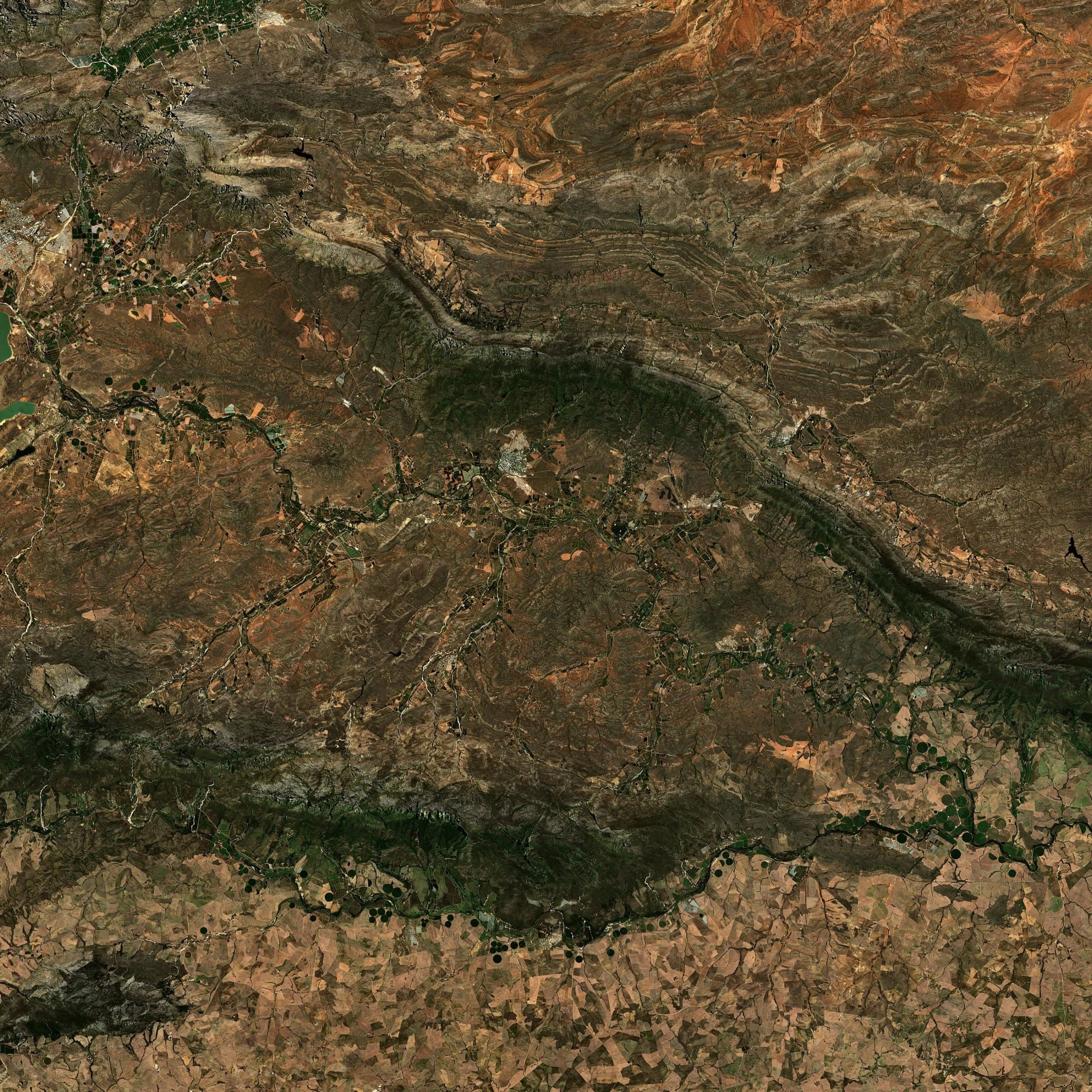
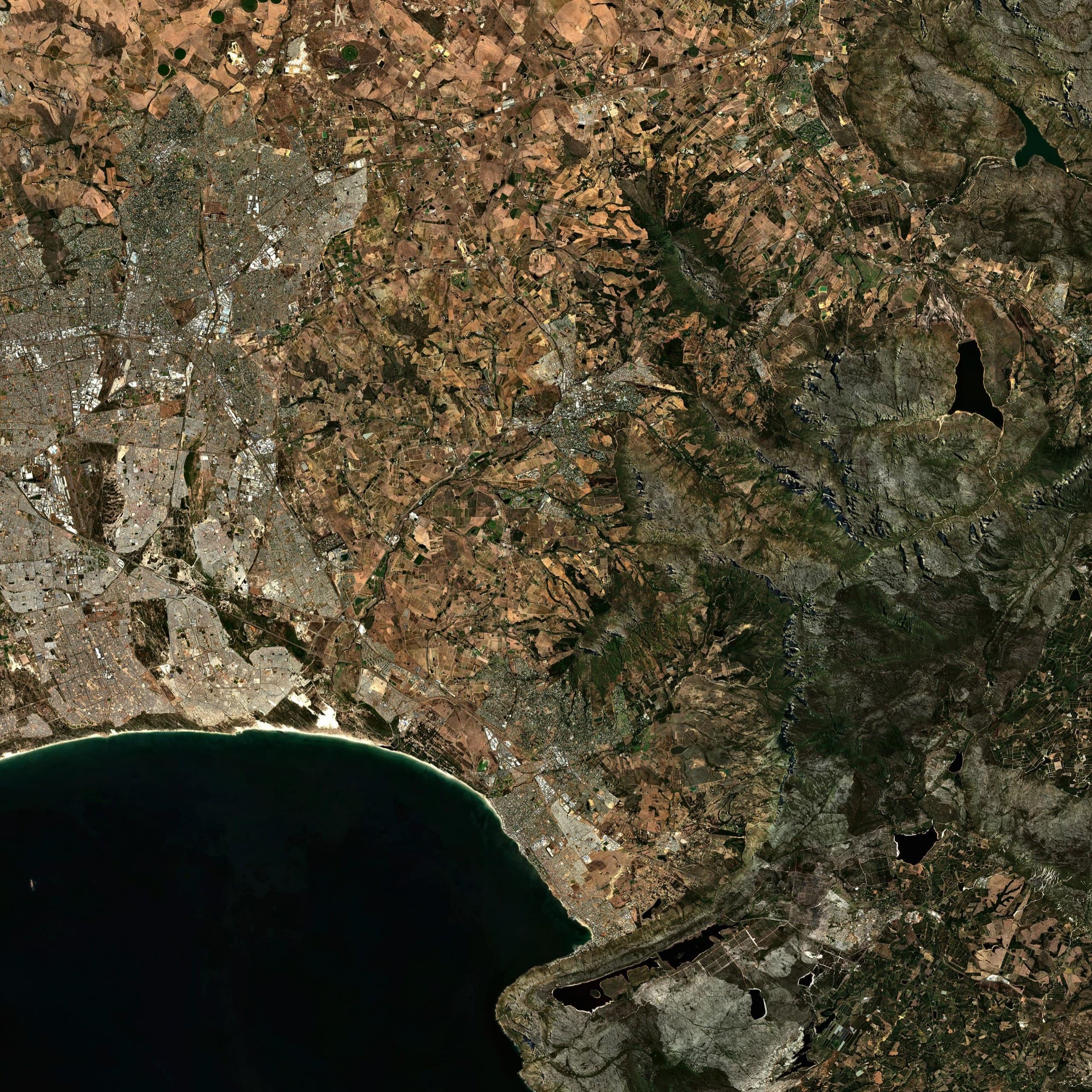
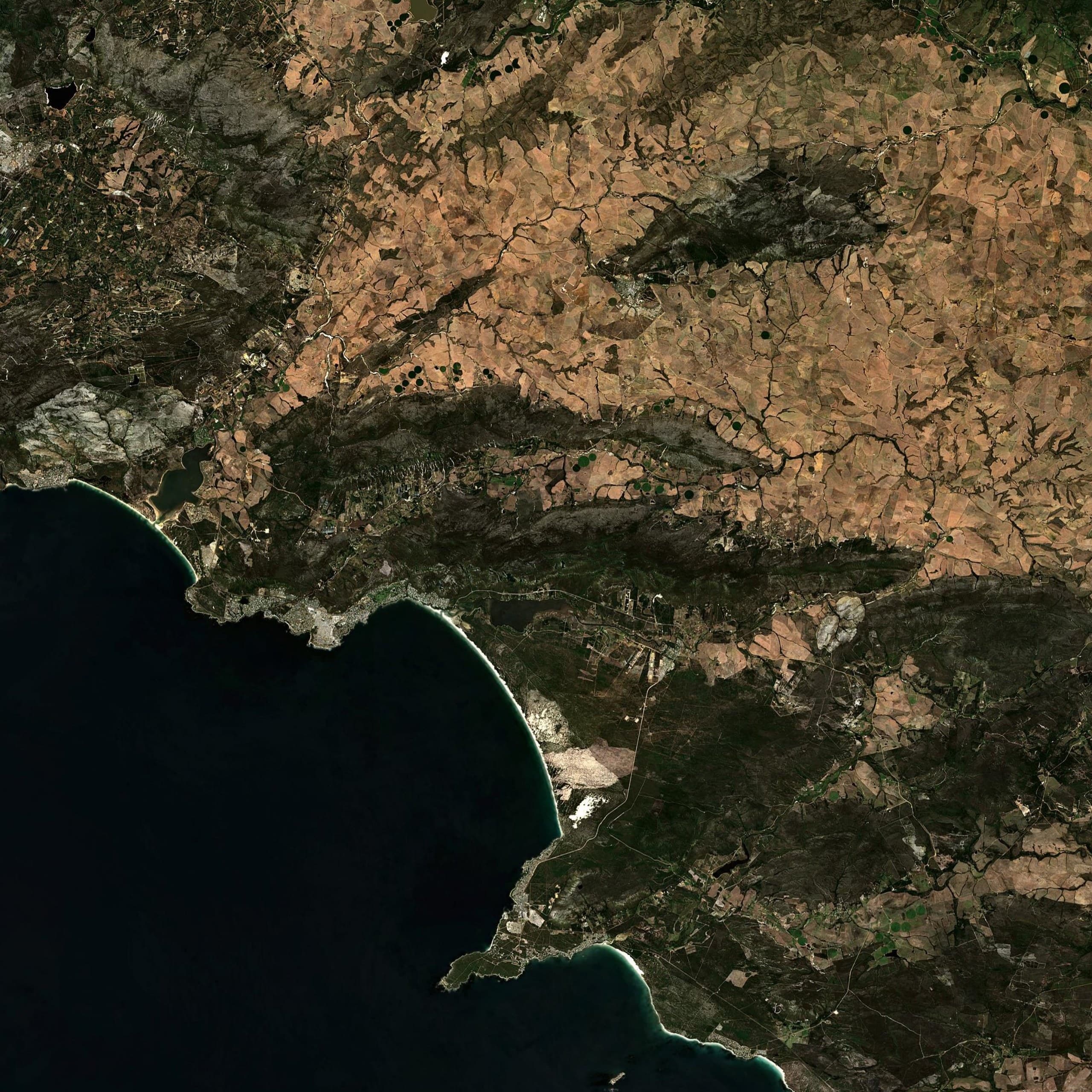
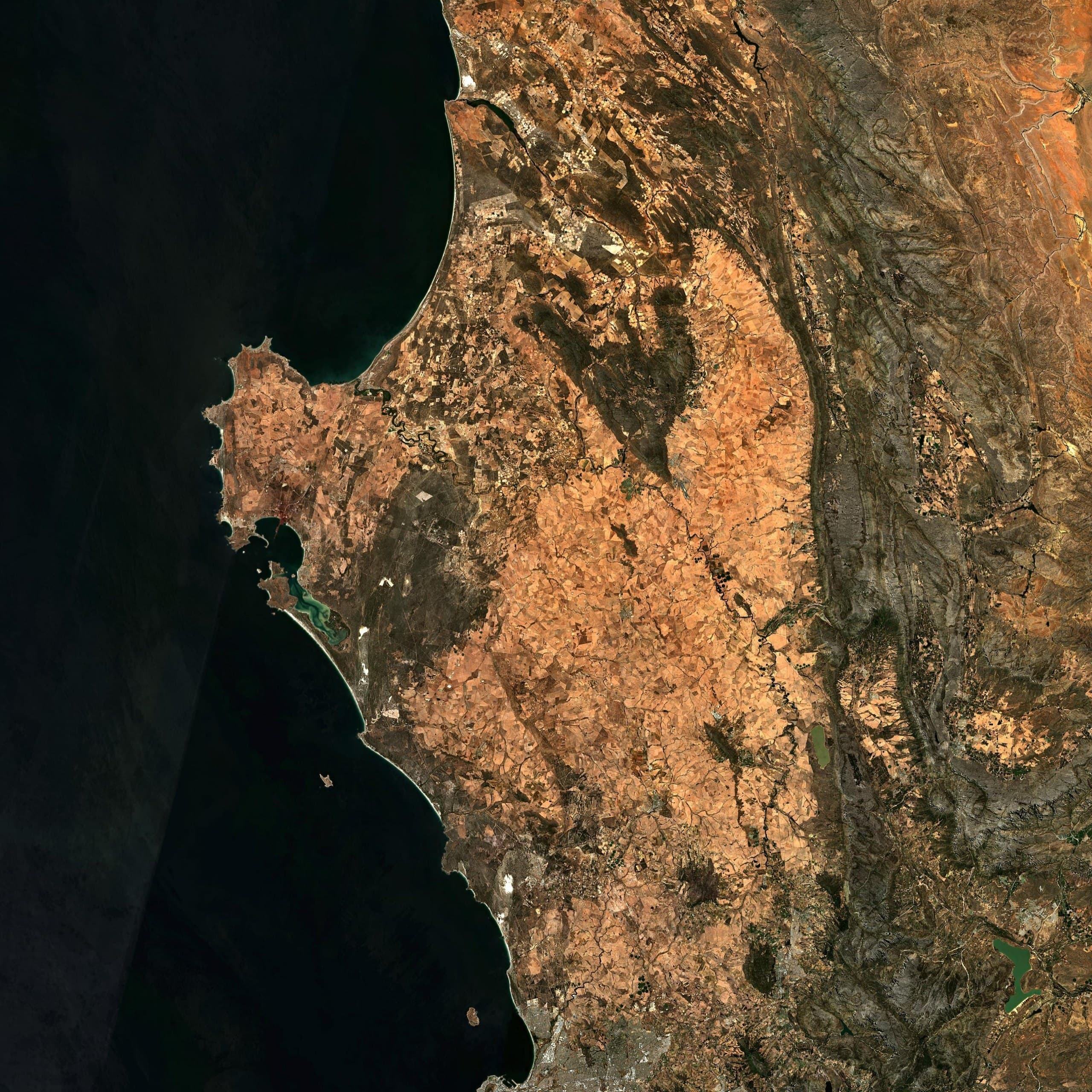
The Swartland is where South African wine got its swagger back. For most of a century this was wheat and brandy country, its old bush vines sold off in bulk, until a band of winemakers led by Eben Sadie realised the dry-farmed Chenin Blanc and Syrah growing in its granite and shale were a buried treasure. The wines that followed, Sadie's Columella and Palladius, Mullineux's Syrahs, Porseleinberg, changed how the world saw the Cape: honest, savoury, alive. It is still farm country, all rolling wheat fields, bush vines, and big skies, with the Paardeberg and the Riebeek valley as its beating heart.

Vintages

22 · 2015–2025

Rating:
95+
90-94
85-89
80-84
<80
PeakReadyHold
Year20252024202320222021202020192018201720162015
Red
White

Outstanding Swartland Vintages

The best recent vintages rated excellent or exceptional.

Red

2025

Almost ready
92Excellent

Dark-fruited, balanced, quietly powerful; an abundant year that kept its focus.

2027Peak 2028–20322035

2023

At peak
90Excellent

Fresh, moderate-alcohol reds with lifted spice; selection separated the field.

2025Peak 2026–20302032

2022

At peak
91Excellent

Riper and rounder, with generous dark fruit; approachable sooner than 2021.

2024Peak 2025–20292032

2021

At peak
93Excellent

Fragrant, fresh, firmly structured Syrah; a cool-year style the region's growers prize.

2023Peak 2025–20312034

2020

At peak
92Excellent

Supple, aromatic reds with fine-grained tannins; a generous, even year.

2022Peak 2024–20292032

2019

At peak
91Excellent

Juicy, peppery, medium-weight Syrah and charming Cinsault.

2021Peak 2022–20282031

2018

At peak
90Excellent

Brooding, compact reds from a punishing year; low volumes, high intensity.

2020Peak 2022–20272030

2017

At peak
93Excellent

Dark, spicy, tightly wound Syrah with notable freshness for so dry a year.

2019Peak 2021–20282032

2015

At peak
94Excellent

Complete, savoury Syrah with ripe tannins and perfume; a reference year for the region.

2017Peak 2020–20282032

White

2025

Ready
93Excellent

Concentrated yet fresh, with early tastings full of promise.

2026Peak 2027–20302032

2024

At peak
90Excellent

Nervy, aromatic Chenin from a small crop; lighter but vivid.

2025Peak 2026–20292030

2023

At peak
91Excellent

Fresh, moderate, classically styled whites; early pickers caught the best balance.

2024Peak 2025–20282030

2022

At peak
92Excellent

Riper, honeyed, and charming, with enough salinity to stay serious.

2023Peak 2024–20282030

2021

At peak
94Excellent

A superb white vintage: tense, mineral Chenin with uncommon ageing potential.

2022Peak 2023–20292031

2020

At peak
92Excellent

Generous, textured old-vine whites with lovely balance.

2021Peak 2022–20272029

2019

At peak
91Excellent

Bright, saline, precise; a quietly excellent Chenin year.

2020Peak 2021–20262027

2018

Drink up
90Excellent

Dense, powerful whites from drought-stricken vines; texture over cut.

2019Peak 2020–20252026

2017

At peak
93Excellent

Intense, stony Chenin with laser focus; tiny berries, huge character.

2018Peak 2019–20262028

2015

Drink up
93Excellent

Saline, concentrated old-vine Chenin from a celebrated season; the top wines aged superbly.

2016Peak 2018–20242027

Wards & Towns

Classification System

South Africa's Wine of Origin scheme, instituted in 1973, demarcates where a wine may claim to come from: geographical units like the Western Cape, then regions, districts, and finally wards. A WO claim means 100 percent of the grapes grew inside the named area, with the certification seal numbered on every bottle.

Ward

The tightest demarcation, like Simonsberg-Stellenbosch or Hemel-en-Aarde Valley

District

The names labels lead with, Stellenbosch to Walker Bay

Estate / Single Vineyard

A registered contiguous estate, or a registered single vineyard of at most 6 hectares

What Swartland produces

Red

Peppery, savoury Syrah and Rhone-style blends from granite and schist, plus perfumed old-vine Cinsault.

White

Old bush-vine Chenin Blanc is the region's treasure: saline, textured, and built to age, often blended with Mediterranean whites.

Grapes of Swartland

Climate

MediterraneanHot dry summersLow rainfallCool Atlantic nights

Hot, dry Mediterranean climate with low rainfall and almost no irrigation; most vineyards are dry-farmed bush vines that root deep to survive. Cold Atlantic air drifts in on summer evenings and cools the nights, which keeps the wines fresher than the daytime heat suggests. Drought years test the region, and the old vines handle them best.

Terroir

Malmesbury shaleDecomposed graniteIron-rich koffieklipSchist outcrops

Three soils tell the Swartland story: crumbly Malmesbury shale through the rolling centre, deep decomposed granite on the Paardeberg, and iron-rich koffieklip gravel in between. The schist of the Porseleinberg and Kasteelberg gives the most brooding Syrah, while granite Chenin is all nerve and salt. Low-vigour ground and ancient vines keep yields tiny without anyone trying.

Typical Aromas

black pepperdark mulberryfynbos scrubquincedried herbswet stone
Explore the aroma wheel

More in South Africa

Frequently Asked Questions

What makes Swartland wine special?▼
The Swartland is the region that gave South African wine its modern swagger. Old dry-farmed bush vines, planted decades ago in granite, shale, and iron-rich soils among the wheat fields, were rediscovered by a generation of winemakers led by Eben Sadie. The results, savoury Syrah, saline old-vine Chenin Blanc, and perfumed Cinsault, changed how the world sees the Cape. It remains honest farm country with big skies and wines full of character.
What grapes are grown in Swartland?▼
Chenin Blanc is the treasure, much of it from gnarled old bush vines that make textured, saline whites built to age. Syrah leads the reds, peppery and savoury from granite on the Paardeberg and schist at Porseleinberg, and old-vine Cinsault, often spelled Cinsaut on labels, makes pale, perfumed reds that have become cult bottlings. Mediterranean varieties round out the blends.
What are the best Swartland vintages?▼
2015 is a reference year, complete and savoury across reds and whites, and 2017 brought intense, tightly wound wines from a cool, dry season. 2021 stands out for its late, cool harvest and mineral, age-worthy Chenin Blanc. The drought years of 2016 to 2018 made smaller, denser wines where the ancient vines proved their worth, and 2025 looks generous and balanced.
What food pairs well with Swartland wines?▼
This is wine for the table and the fire: lamb shank or boerewors off the braai with a peppery Syrah, slow-roasted pork belly with old-vine Chenin, roast chicken with a white blend. The wines' savoury, earthy streak also loves wild mushroom pasta and a chunk of aged cheddar.
How does Swartland compare to the Rhone Valley?▼
The comparison the growers themselves make: dry-farmed Syrah, Grenache, and Mediterranean whites from granite and schist invite it. Swartland wines share the Rhone's savoury, peppery character but add Cape sunshine and a saline freshness from cold Atlantic nights. Where the northern Rhone is steep and manicured, the Swartland is rolling wheatland, and its old-vine Chenin has no Rhone equivalent at all.

Map data: Wine of Origin boundaries © WOSA / Western Cape Dept of Agriculture (Cape Farm Mapper) · Town boundaries Stats SA Census 2011 · © OpenStreetMap contributors (ODbL)