CorkCork
Stellenbosch

South Africa

Stellenbosch

SwartlandSwartlandPaarlPaarlConstantiaConstantiaFranschhoekFranschhoekElginElginWalker BayWalker BayRobertsonRobertsonStellenboschStellenbosch

South Africa wine regions

About Stellenbosch

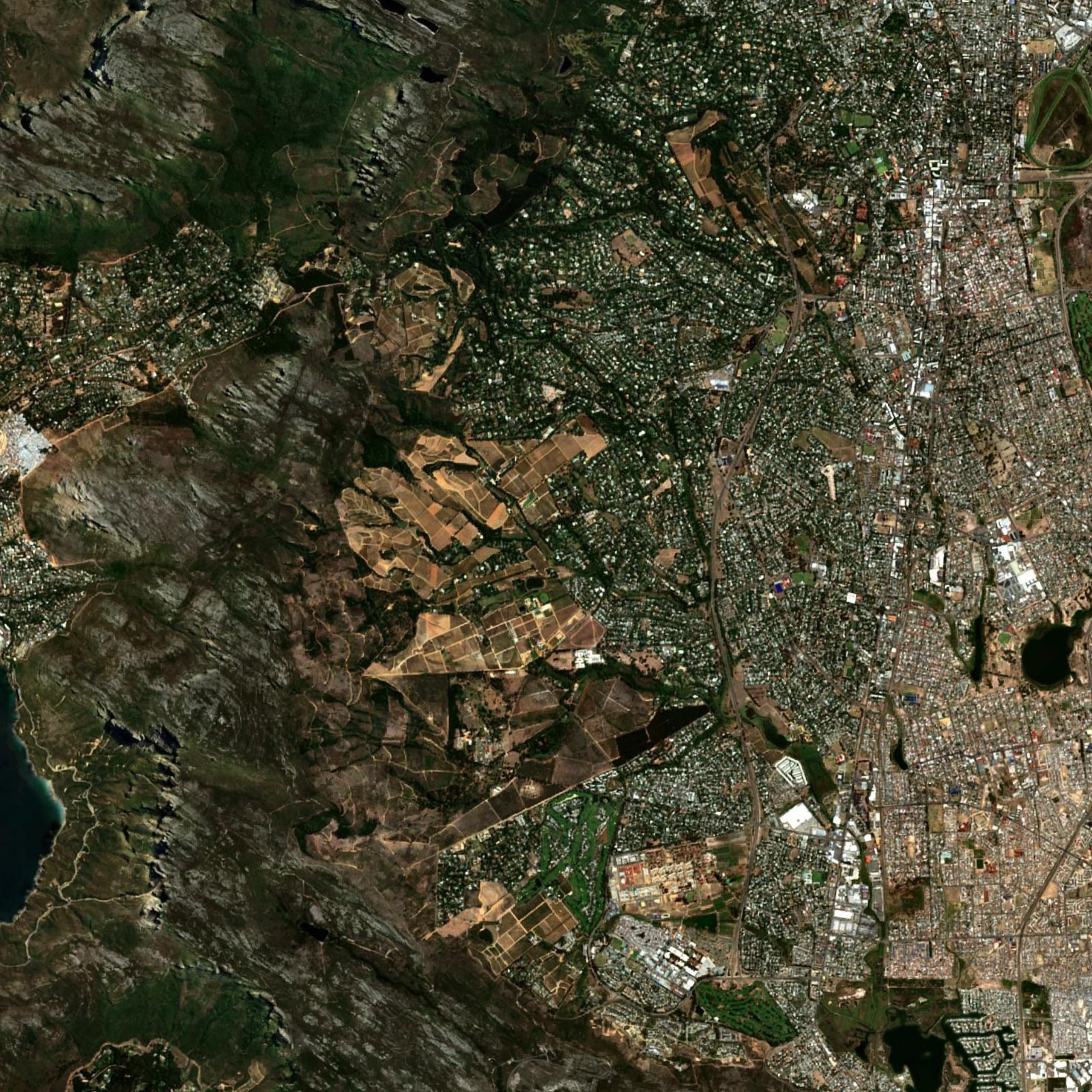
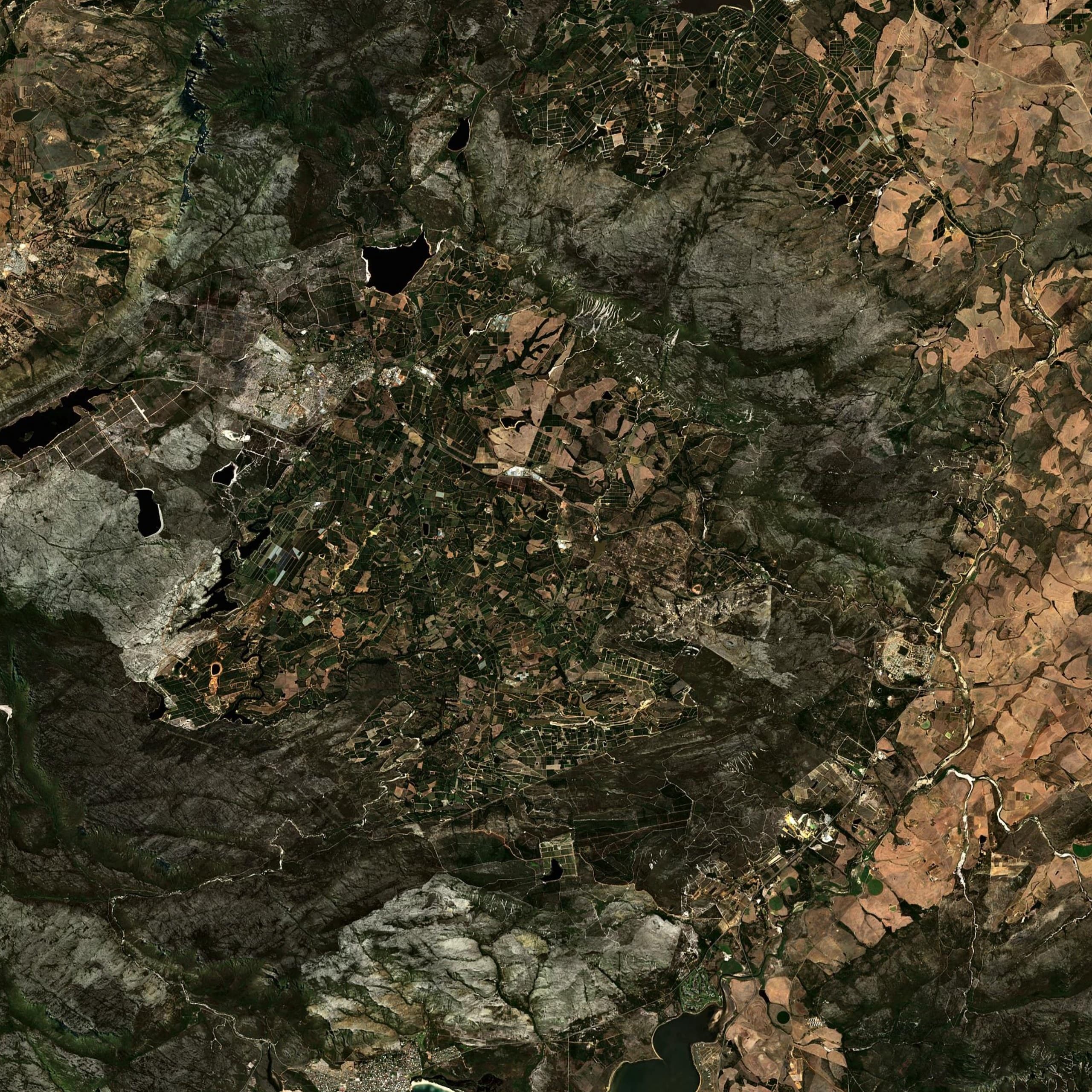
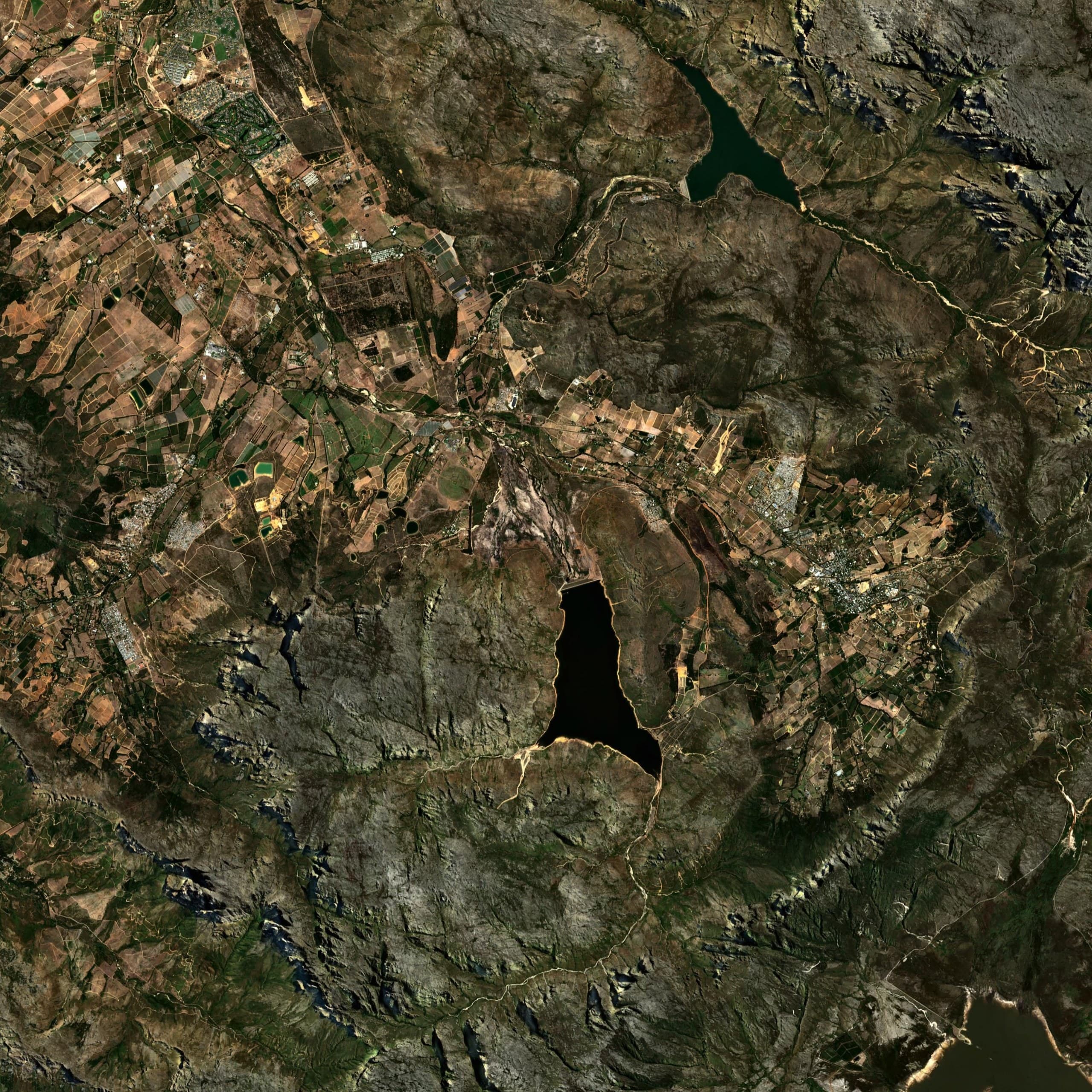
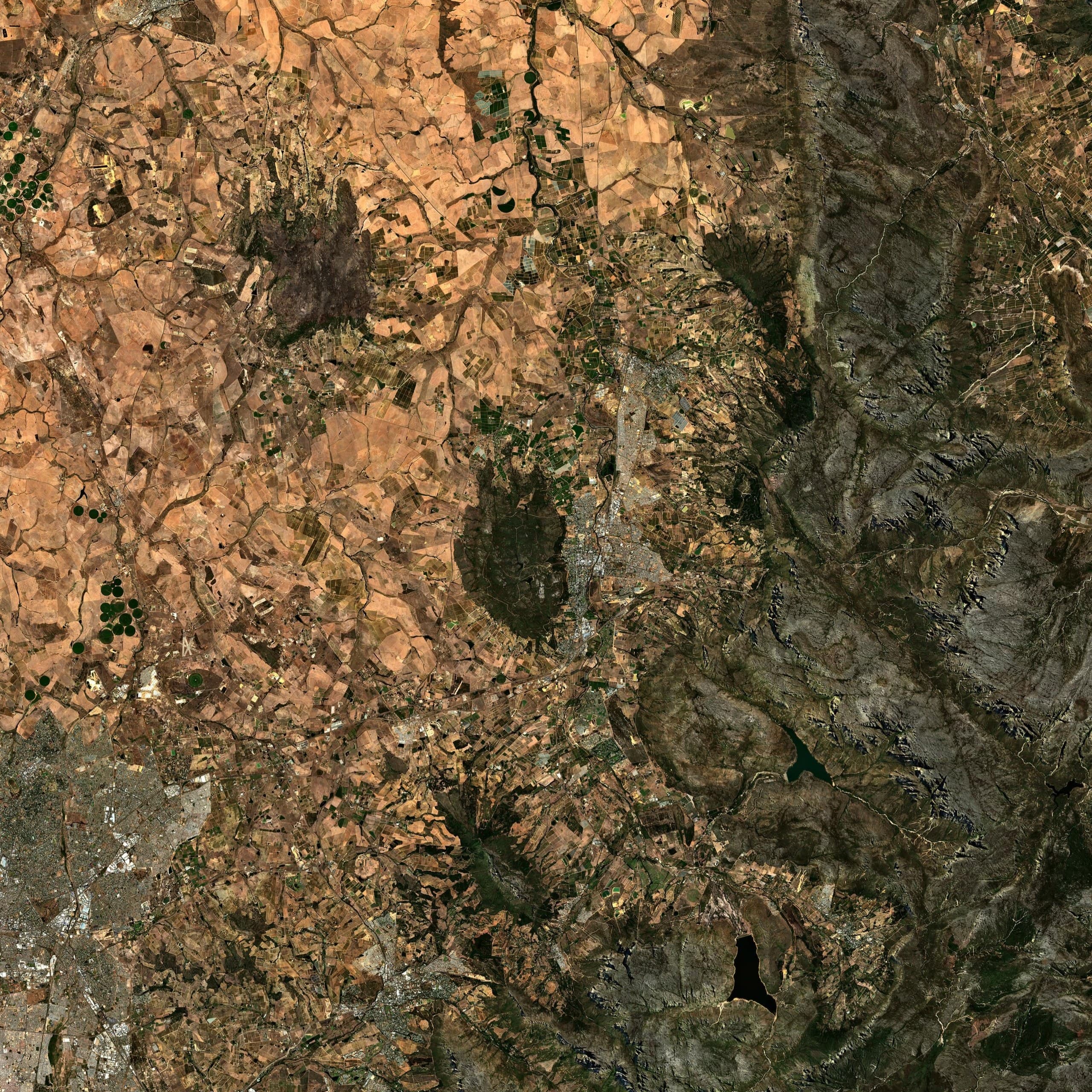
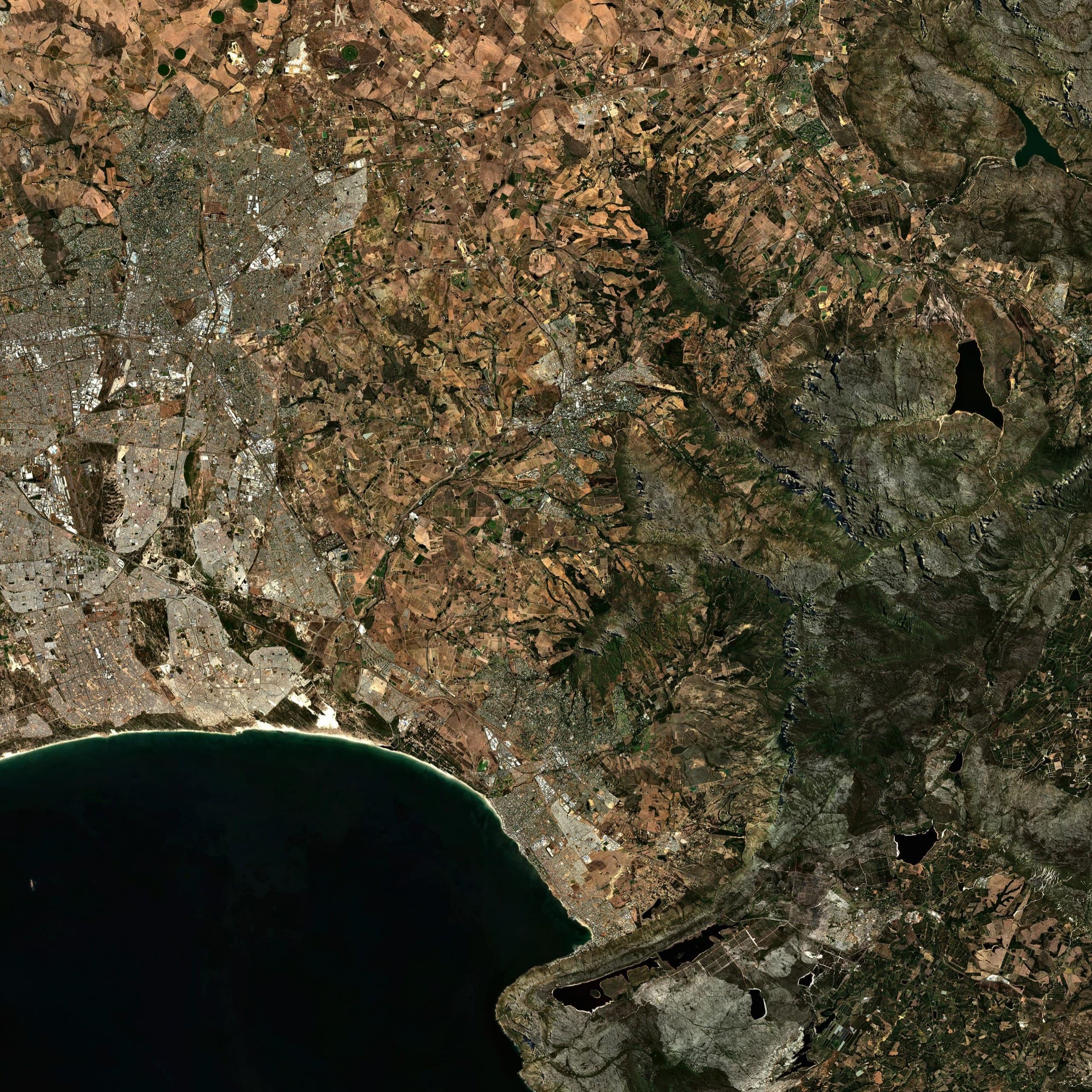
Stellenbosch is the Cape's grand old capital of wine, an oak-lined university town ringed by a mountain amphitheatre of vines. Vineyards have grown here since the 1680s, and the Cape Dutch estates on the granite foothills of the Simonsberg and Helderberg now make South Africa's benchmark Cabernet Sauvignon. This is also home turf for Pinotage, with Kanonkop's bottlings the standard others chase, and the old bush-vine Chenin Blanc scattered through the hills quietly makes some of the country's finest whites. With more than a hundred cellar doors within twenty minutes of the town square, it is the easiest serious wine region in the southern hemisphere to fall for.

Vintages

22 · 2015–2025

Rating:
95+
90-94
85-89
80-84
<80
PeakReadyHold
Year20252024202320222021202020192018201720162015
Red
White

Outstanding Stellenbosch Vintages

The best recent vintages rated excellent or exceptional.

Red

2025

Hold
93Excellent

Dark, poised, and promising: early tastings show depth with freshness, a modern classic in the making.

2028Peak 2030–20372041

2023

Ready
90Excellent

Fresher, more classical reds; late-ripening Cabernet needed patience and careful selection.

2026Peak 2028–20332036

2022

Ready
92Excellent

Ripe, dark-fruited, and concentrated, with riper tannins than 2021; very dependable.

2025Peak 2027–20342038

2021

Ready
94Excellent

A cool-year triumph: perfumed, firmly structured Cabernet built for long ageing.

2025Peak 2028–20382043

2020

At peak
92Excellent

Generous, balanced reds with supple tannins; impressive consistency across the district.

2023Peak 2026–20332036

2019

At peak
91Excellent

Polished, medium-weight Cabernet with bright acidity; a quietly classic year.

2022Peak 2024–20312034

2018

At peak
90Excellent

Dense, compact reds from drought-stressed vines; concentrated, with firmer, drier tannins.

2021Peak 2023–20302033

2017

At peak
94Excellent

Concentrated yet fresh Cabernet from a cool, dry year; many cellars rank it with 2015.

2021Peak 2025–20372042

2015

At peak
95Exceptional

A landmark Cape vintage: deep, perfectly ripe Cabernet with fine tannins and decades ahead of it.

2019Peak 2023–20352040

White

2025

Ready
93Excellent

Aromatic, concentrated, and fresh; early reports put it among the best recent white years.

2026Peak 2027–20302032

2024

At peak
91Excellent

Vivid, nervy whites, among the bright spots of a tricky year.

2025Peak 2026–20292031

2023

At peak
90Excellent

Fresh, classical whites with moderate alcohols; early-picked blocks shone.

2024Peak 2025–20282030

2022

At peak
92Excellent

Riper, fruit-forward whites that kept their shape; delicious relatively young.

2023Peak 2024–20282030

2021

At peak
94Excellent

An outstanding white vintage: electric acidity, depth, and cellar-worthy Chenin.

2022Peak 2023–20292031

2020

At peak
92Excellent

Generous yet balanced whites; a strong old-vine Chenin year.

2021Peak 2022–20272029

2019

At peak
91Excellent

Bright, precise Chenin and Sauvignon with real tension.

2020Peak 2021–20262027

2017

Drink up
93Excellent

Taut, concentrated whites with lovely drive; old-vine Chenin excelled.

2018Peak 2019–20252028

2015

Drink up
93Excellent

Concentrated, poised Chenin and Chardonnay from a celebrated season; the best still drink beautifully.

2016Peak 2017–20232027

Wards & Towns

Classification System

South Africa's Wine of Origin scheme, instituted in 1973, demarcates where a wine may claim to come from: geographical units like the Western Cape, then regions, districts, and finally wards. A WO claim means 100 percent of the grapes grew inside the named area, with the certification seal numbered on every bottle.

Ward

The tightest demarcation, like Simonsberg-Stellenbosch or Hemel-en-Aarde Valley

District

The names labels lead with, Stellenbosch to Walker Bay

Estate / Single Vineyard

A registered contiguous estate, or a registered single vineyard of at most 6 hectares

What Stellenbosch produces

Red

South Africa's benchmark Cabernet Sauvignon and Bordeaux-style blends, plus the country's most serious Pinotage from the Simonsberg and Bottelary hills.

White

Old-vine Chenin Blanc of real depth, with polished Chardonnay and herbal Sauvignon Blanc from the cooler slopes.

Grapes of Stellenbosch

Climate

MediterraneanWarm dry summersSea breezesWinter rainfallLong settled autumns

Classic Mediterranean: warm, dry summers and wet winters, with False Bay close enough that afternoon sea breezes take the edge off the heat. Sites range from warm valley floors to cool, high mountain slopes, which is why the region can ripen Cabernet fully while keeping Chenin and Chardonnay fresh. Autumn is usually long and settled.

Terroir

Decomposed graniteTable Mountain sandstoneAlluvial loamsWeathered mountain soils

Granite is the backbone: deep, weathered granite soils on the foothills of the Simonsberg, Helderberg, and Stellenbosch Mountain give the structured reds, while Table Mountain sandstone and alluvial loams on the lower ground suit the whites. Vineyards climb from near sea level to around 400 metres, and aspect matters as much as altitude in this folded landscape.

Typical Aromas

blackcurrantdark plumcedargraphitequincebaked apple
Explore the aroma wheel

More in South Africa

Frequently Asked Questions

What makes Stellenbosch wine special?▼
Stellenbosch is South Africa's grand old wine capital, an oak-lined university town ringed by granite mountains where vines have grown since the 1680s. The foothills of the Simonsberg and Helderberg produce the country's benchmark Cabernet Sauvignon, Kanonkop sets the standard for serious Pinotage, and old bush-vine Chenin Blanc hides in the hills. With over a hundred cellar doors within twenty minutes of the town square, it is also one of the easiest great wine regions in the world to explore.
What grapes are grown in Stellenbosch?▼
Cabernet Sauvignon is the flagship, often blended Bordeaux-style with Merlot and Cabernet Franc from the granite foothills. Pinotage reaches its finest expression here, especially on the Simonsberg and in the Bottelary hills. Among whites, old-vine Chenin Blanc quietly makes some of the country's best, with polished Chardonnay and herbal Sauvignon Blanc from cooler, higher slopes like Banghoek and the Polkadraai Hills.
What are the best Stellenbosch vintages?▼
2015 is the modern landmark, a near-perfect dry season whose Cabernets will live for decades, and 2017 runs it close with concentrated yet fresh reds from a cool, dry year. The long, cool 2021 produced structured, age-worthy reds and some of the finest whites in a decade. Among recent years, 2025 shows real promise after a settled, healthy season.
What food pairs well with Stellenbosch wines?▼
Stellenbosch Cabernet was made for the braai: lamb chops over coals, aged beef fillet, or a slow venison pie. Pinotage loves smoky, spiced dishes like bobotie or oxtail. The old-vine Chenins are more versatile than almost any white, happy alongside roast chicken, mushroom risotto, or a plate of mature gouda.
How does Stellenbosch compare to Bordeaux?▼
Both build their reputations on Cabernet and structured blends, but Stellenbosch ripens more reliably in its sunny Mediterranean climate, so the wines carry riper fruit with the tannic backbone intact. Granite soils and False Bay's sea breezes give a distinctive dusty, fresh edge that sets the wines apart from Bordeaux's gravel-grown clarets, usually at a fraction of the price.

Map data: Wine of Origin boundaries © WOSA / Western Cape Dept of Agriculture (Cape Farm Mapper) · Town boundaries Stats SA Census 2011 · © OpenStreetMap contributors (ODbL)