CorkCork
Constantia

South Africa

Constantia

SwartlandSwartlandPaarlPaarlStellenboschStellenboschFranschhoekFranschhoekElginElginWalker BayWalker BayRobertsonRobertsonConstantiaConstantia

South Africa wine regions

About Constantia

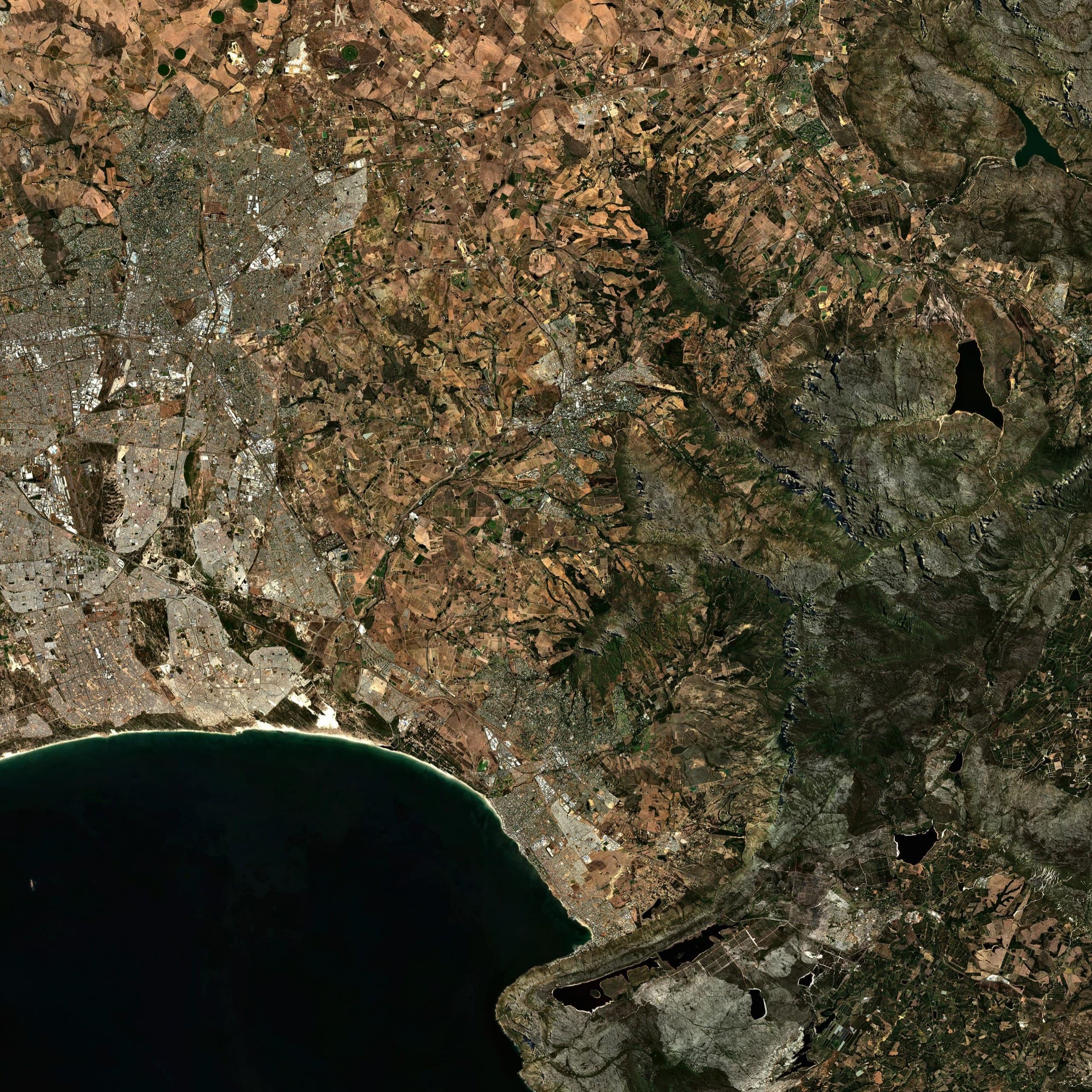
Constantia is where South African wine began. Simon van der Stel planted vines on these Cape Peninsula slopes in 1685, and by the early 1800s the sweet Muscat of Constantia was the most famous wine in the world, shipped to Napoleon in exile and poured in Jane Austen's novels. The valley is now a leafy Cape Town suburb, but the handful of surviving estates, Groot Constantia, Klein Constantia, Steenberg, Buitenverwachting, farm some of the coolest vineyards in the country on the back of Table Mountain. Zesty, fynbos-scented Sauvignon Blanc is the modern signature, and Vin de Constance, the revived sweet Muscat, remains one of the world's great dessert wines.

Vintages

11 · 2015–2025

Rating:
95+
90-94
85-89
80-84
<80
PeakReadyHold
Year20252024202320222021202020192018201720162015
White

Outstanding Constantia Vintages

The best recent vintages rated excellent or exceptional.

White

2025

Ready
93Excellent

Aromatically exuberant with real depth; an early favourite among growers.

2026Peak 2027–20292031

2024

At peak
90Excellent

Delicate, vivid whites from a small, slow crop.

2025Peak 2026–20282029

2023

At peak
91Excellent

Fresh, classical, moderate in alcohol; fine definition.

2024Peak 2025–20282029

2022

At peak
91Excellent

Riper tropical notes over the usual herbal core; generous and appealing.

2023Peak 2024–20272028

2021

At peak
94Excellent

A brilliant white vintage: piercing, saline, long-lived Sauvignon and Semillon.

2022Peak 2023–20282030

2020

At peak
92Excellent

Aromatic, balanced, and quietly concentrated.

2021Peak 2022–20272028

2019

At peak
92Excellent

Zesty, precise Sauvignon with classic fynbos lift.

2020Peak 2021–20262027

2018

Drink up
90Excellent

Compact, mineral whites from a thirsty year at the drought's height.

2019Peak 2020–20242026

2017

Drink up
93Excellent

Intense, flinty, herbal whites with excellent concentration.

2018Peak 2019–20252028

2015

Drink up
94Excellent

Electric, aromatic Sauvignon and superb Semillon; one of the valley's great modern years.

2016Peak 2017–20242027

The Ward

Classification System

South Africa's Wine of Origin scheme, instituted in 1973, demarcates where a wine may claim to come from: geographical units like the Western Cape, then regions, districts, and finally wards. A WO claim means 100 percent of the grapes grew inside the named area, with the certification seal numbered on every bottle.

Ward

The tightest demarcation, like Simonsberg-Stellenbosch or Hemel-en-Aarde Valley

District

The names labels lead with, Stellenbosch to Walker Bay

Estate / Single Vineyard

A registered contiguous estate, or a registered single vineyard of at most 6 hectares

What Constantia produces

White

Sauvignon Blanc with a cool, herbal, fynbos-tinged edge, plus elegant Semillon and Chardonnay.

Red

A small amount of fine-boned red, mostly Bordeaux varieties grown on the warmer pockets.

Dessert

Vin de Constance and its peers: the legendary sweet Muscat de Frontignan, unctuous yet fresh, revived from the valley's 18th-century fame.

Grapes of Constantia

Climate

Cool maritimeSea windsHigh rainfallSlow ripening

Cool maritime, the coolest of the Cape's historic wine areas: the vineyards face False Bay on the eastern flank of the Constantiaberg, brushed almost daily by the south-easterly sea wind locals call the Cape Doctor. Rainfall is generous by Cape standards and ripening is slow, which keeps the whites piercing and aromatic.

Terroir

Weathered graniteSandstone bedrockEast-facing slopes

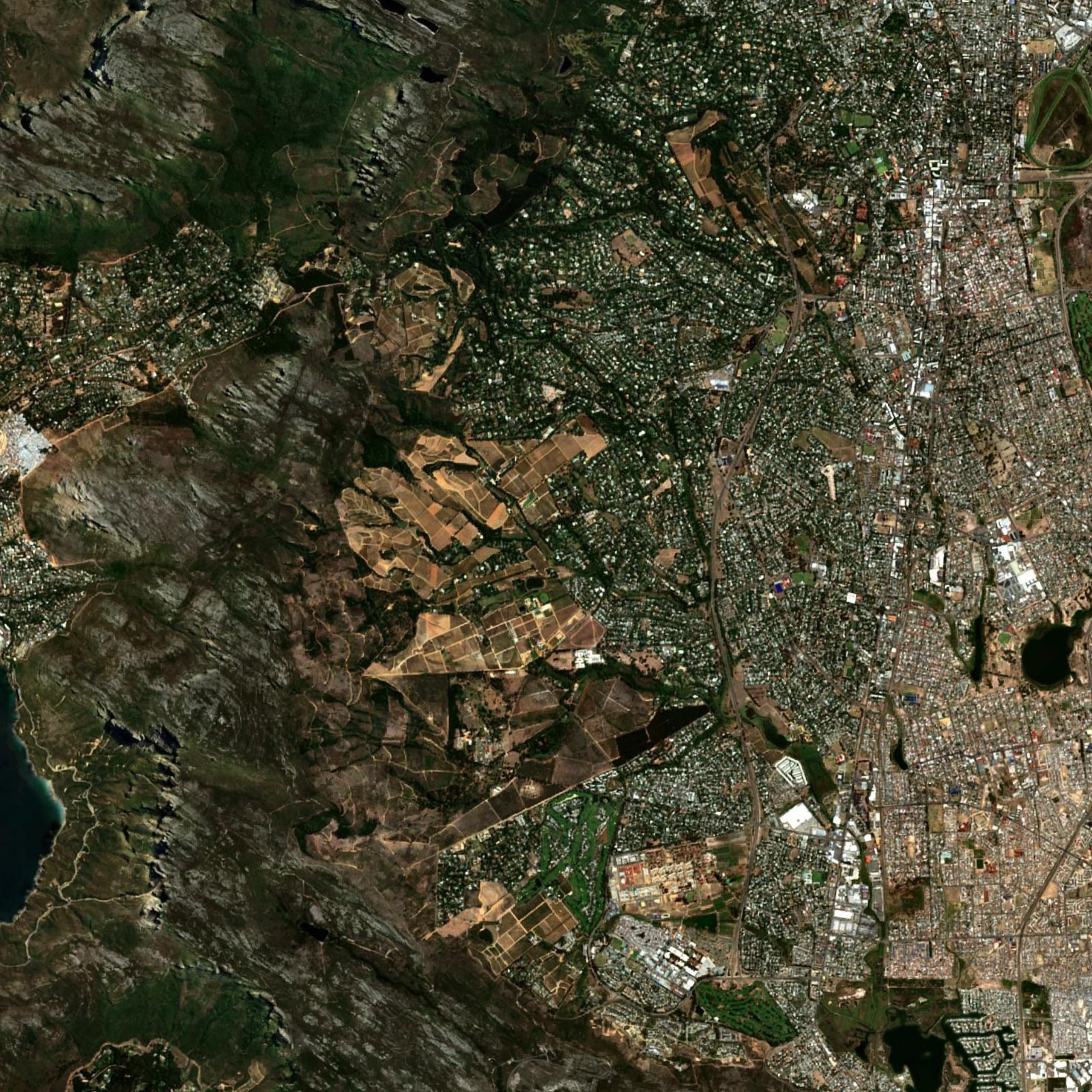
Deep, weathered granite soils on the slopes of the Constantiaberg, well drained and acidic, over a sandstone mountain spine. The vineyards tilt east and south-east toward False Bay at 100 to 400 metres, catching morning sun and afternoon wind. Old Muscat de Frontignan blocks share the slopes with Sauvignon Blanc and Semillon.

Typical Aromas

gooseberryblackcurrant leaffynboslimewhite peachorange blossom
Explore the aroma wheel

More in South Africa

Frequently Asked Questions

What makes Constantia wine special?▼
Constantia is where South African wine began: Simon van der Stel planted vines on these Cape Peninsula slopes in 1685, and by the early 1800s the sweet Muscat of Constantia was the most famous wine in the world, shipped to Napoleon in exile and mentioned in Jane Austen's novels. Today a handful of historic estates farm some of the country's coolest vineyards on the back of Table Mountain, making zesty Sauvignon Blanc and the revived Vin de Constance.
What grapes are grown in Constantia?▼
Sauvignon Blanc is the modern signature, cool and herbal with a fynbos edge, from estates like Steenberg and Klein Constantia. Semillon and Chardonnay add depth, and old Muscat de Frontignan blocks supply the legendary sweet wines. A little fine-boned red, mostly Bordeaux varieties, grows in the warmer pockets.
What is Vin de Constance?▼
The revival of the 18th-century legend: a naturally sweet wine from sun-raisined Muscat de Frontignan grapes, unctuous yet fresh, golden, and extraordinarily long-lived. Klein Constantia brought it back in the 1980s from the same slopes that once supplied European courts, and it now ranks among the world's great dessert wines. It is the rare bottle that tastes like drinking history.
What are the best Constantia vintages?▼
2015 and 2021 are the recent stars, both cool, slow seasons that gave electric, saline Sauvignon Blanc and Semillon with years ahead of them. 2017 and 2019 produced intense, flinty whites, and even the drought years stayed fresher here than inland thanks to the peninsula's maritime air. 2025 looks aromatic and deep.
What food pairs well with Constantia wines?▼
Grilled linefish or oysters with a Constantia Sauvignon Blanc is Cape Town on a plate. The herbal freshness also suits sushi, goat cheese salads, and springbok carpaccio. Vin de Constance is glorious with apricot tart or blue cheese, or simply on its own at the end of a long dinner.

Map data: Wine of Origin boundaries © WOSA / Western Cape Dept of Agriculture (Cape Farm Mapper) · Town boundaries Stats SA Census 2011 · © OpenStreetMap contributors (ODbL)