CorkCork
Itata Valley

Chile

Itata Valley

Limarí ValleyLimarí ValleyAconcagua ValleyAconcagua ValleyCasablanca ValleyCasablanca ValleyMaipo ValleyMaipo ValleyColchagua ValleyColchagua ValleyCuricó ValleyCuricó ValleyMaule ValleyMaule ValleyItata ValleyItata Valley

Chile wine regions

About Itata Valley

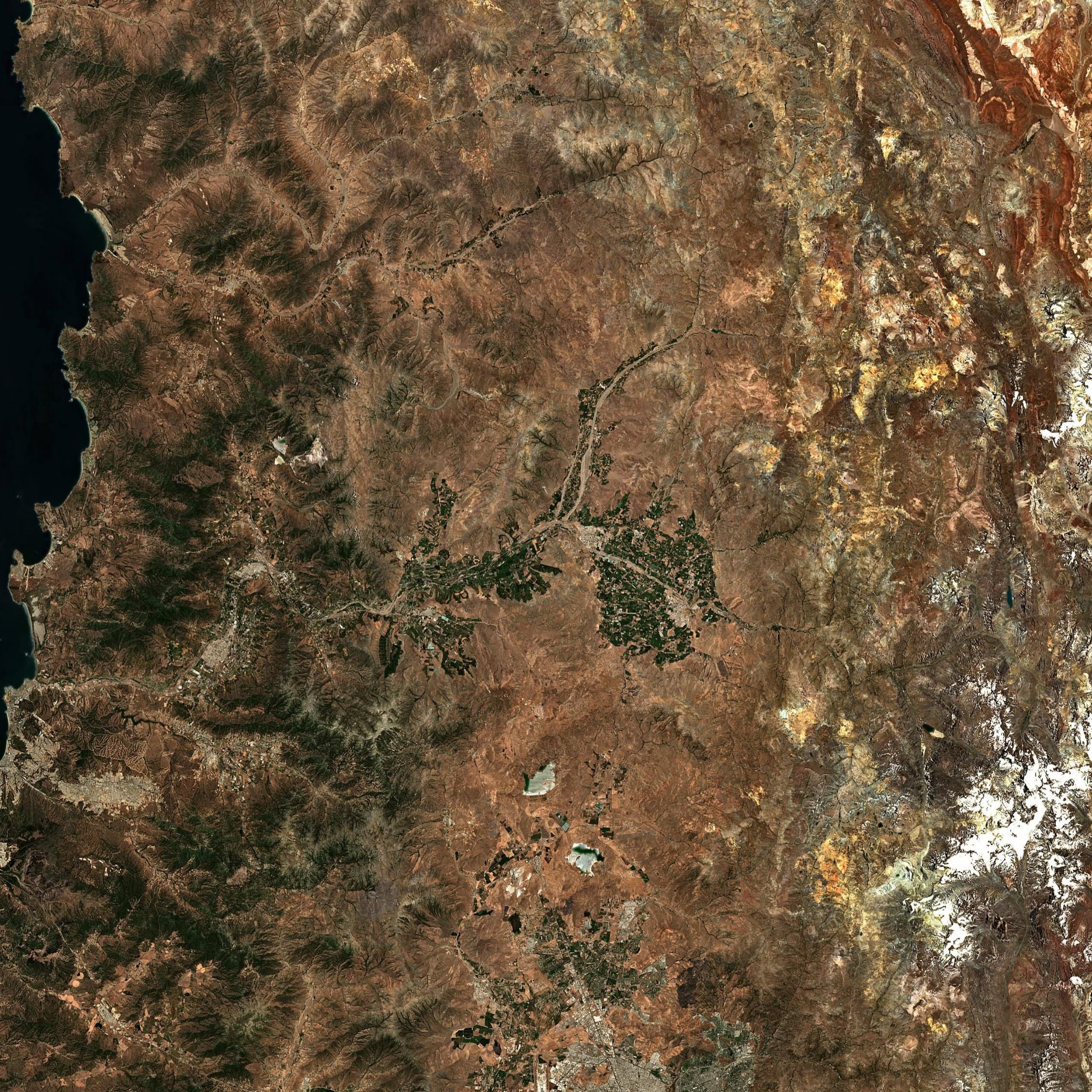
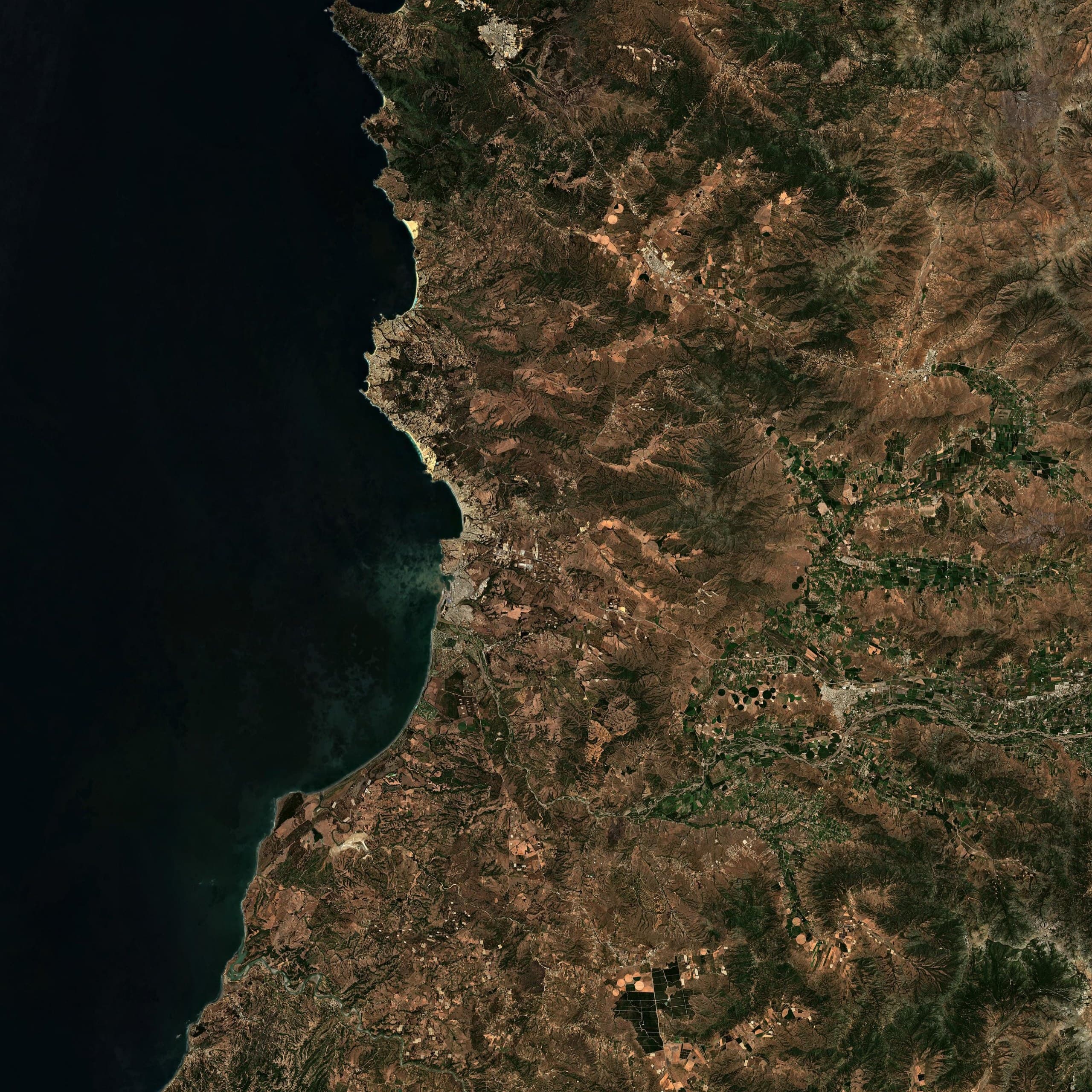
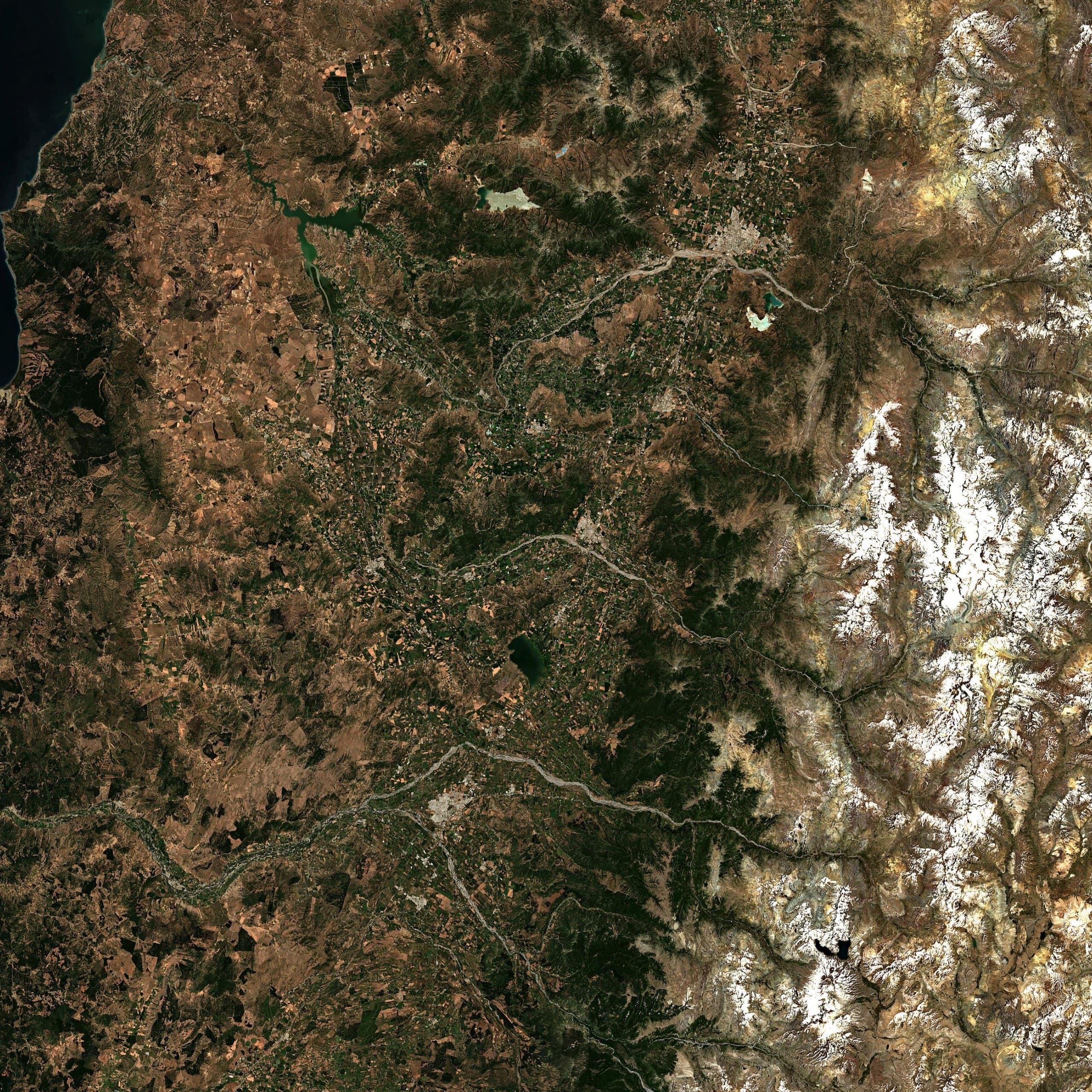
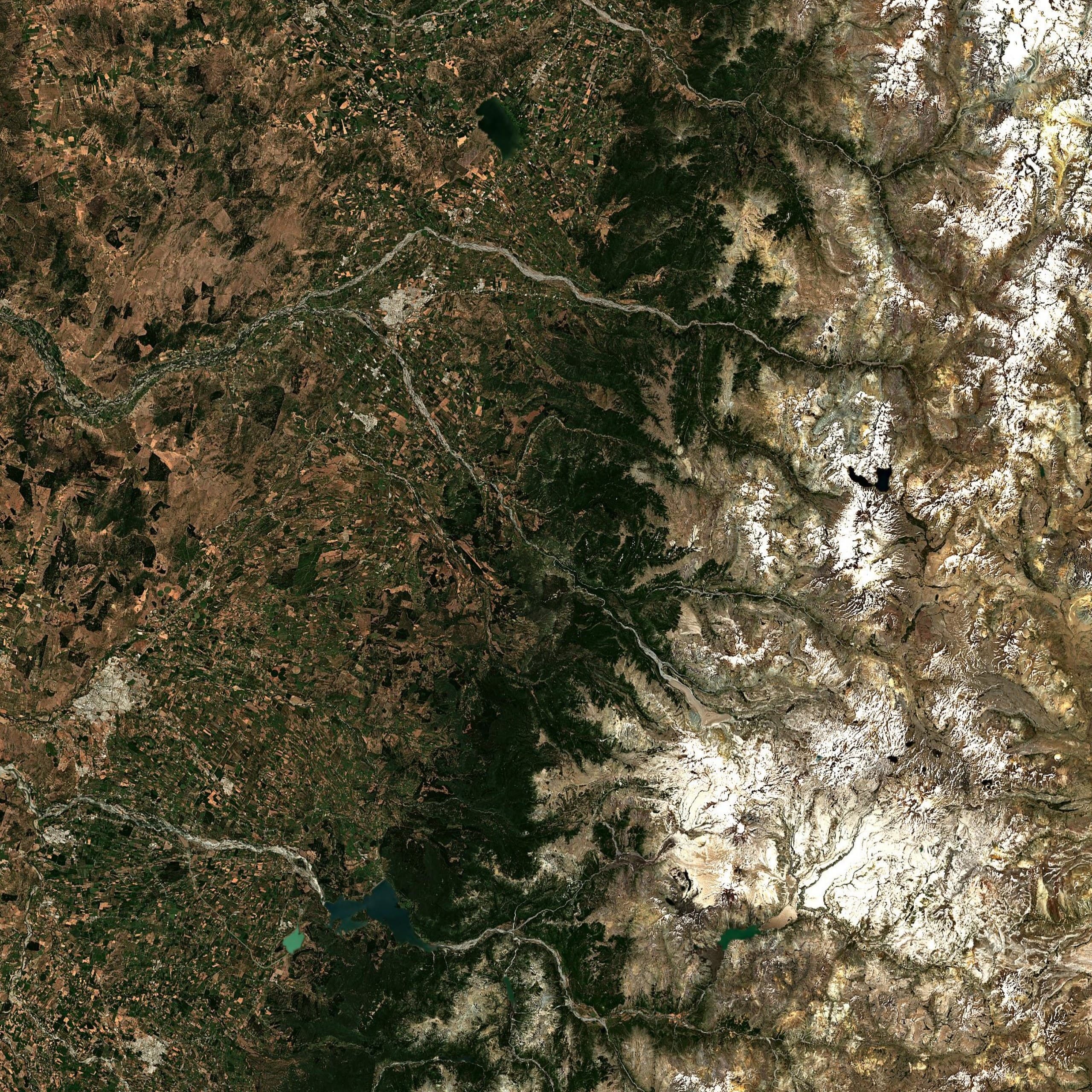
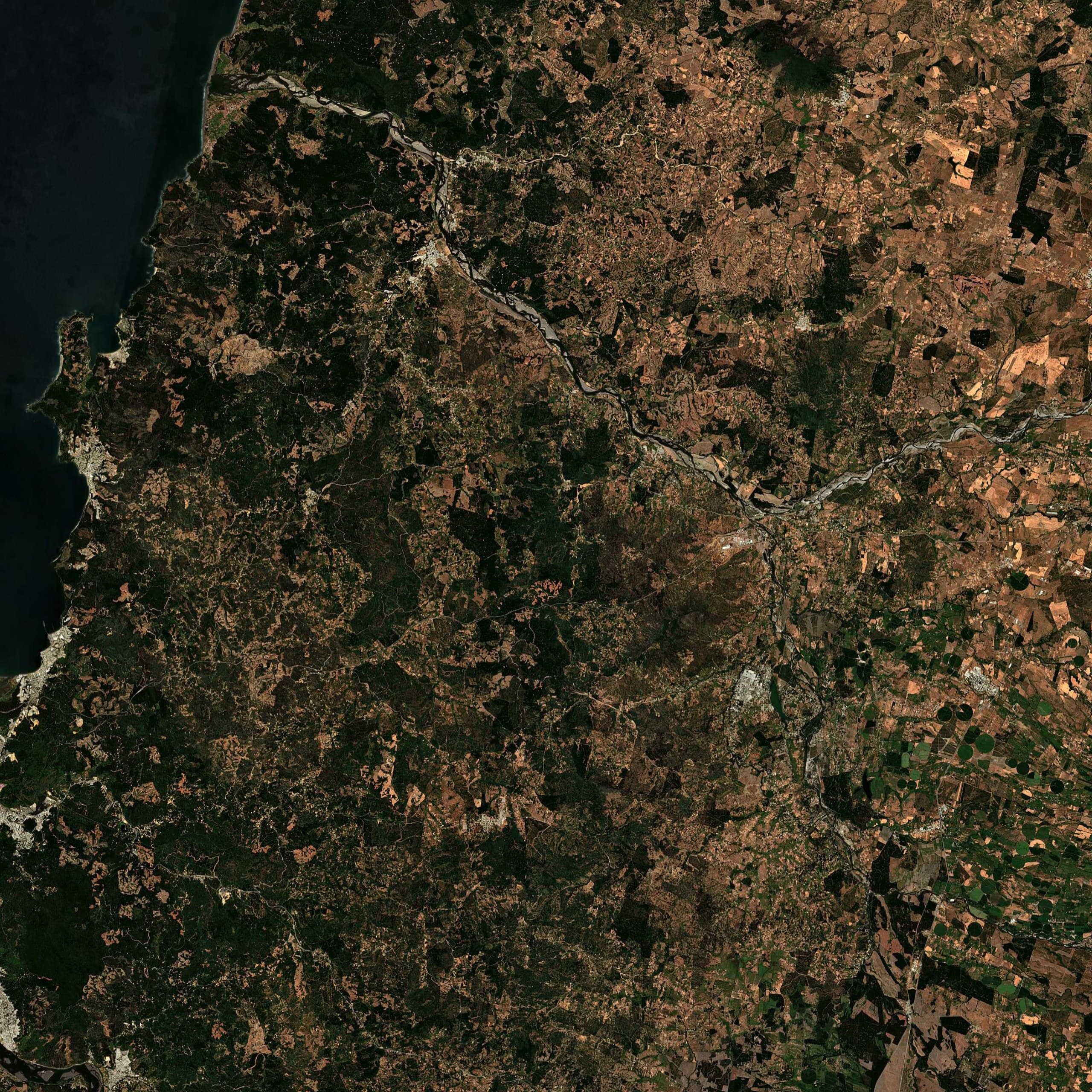
Itata is where Chilean wine began, and where it feels newest. The Spanish planted vines in these coastal hills near Concepción in the 1550s, and the País, Cinsault, and Muscat bush vines farmed by campesino families today, many over a century old and never irrigated, descend directly from that world. Terroir hunter Pedro Parra, whose own wines come from the granite of Guarilihue, helped the wine world rediscover the valley, and a generation of growers and natural winemakers followed. The wines are fresh, fragrant, and utterly themselves: crunchy reds and floral whites from one of the oldest vineyard landscapes in the Americas.

Vintages

11 · 2015–2025

Rating:
95+
90-94
85-89
80-84
<80
PeakReadyHold
Year20252024202320222021202020192018201720162015
Red

Outstanding Itata Valley Vintages

The best recent vintages rated excellent or exceptional.

Red

2025

Ready
90Excellent

Bright, supple, well-balanced old-vine reds.

2026Peak 2027–20292030

2024

At peak
92Excellent

A heartening rebound: fresh, fragrant, classic Itata reds.

2025Peak 2026–20292030

2022

At peak
91Excellent

Very good, balanced, aromatic reds.

2023Peak 2024–20272028

2021

At peak
93Excellent

The cool year: vivid, floral, finely etched old-vine reds of real distinction.

2022Peak 2023–20272028

2019

Drink up
91Excellent

Concentrated, energetic reds; the dry-farmed vines dug deep.

2020Peak 2021–20252027

2018

At peak
93Excellent

A beautiful, unhurried year: perfumed, balanced, quietly deep Pais and Cinsault.

2019Peak 2021–20262028

Zones & Comunas

Classification System

Chile's DO system names the valley on the label, and since 2011 three optional terms describe where the fruit grew across the country's east-west axis: Costa for the fog-cooled coast, Entre Cordilleras for the central flats, Andes for the mountain foothills.

Single Vineyard

Named site, like Don Melchor's Puente Alto parcels

DO Valley

The valley designation, Maipo to Itata

Costa / Entre Cordilleras / Andes

The east-west zone terms added in 2011

What Itata Valley produces

Red

Old-vine País and Cinsault, light, crunchy, and fragrant, made for a slight chill and a long lunch.

White

Floral, grapey Muscat of Alexandria from ancient bush vines, dry, saline, and quietly profound.

Grapes of Itata Valley

Climate

Cool MediterraneanRainy wintersOcean breezesMild summersLong growing season

Cool, rainy Mediterranean at the southern edge of Chile's fine-wine country: over 1,000 mm of winter rain, warm but rarely hot summers, and steady Pacific breezes through the coastal hills. Dry farming works because the rain soaks the deep granite soils every winter. The season is long and the harvest late.

Terroir

Decomposed graniteQuartzIron-rich soilsVolcanic ashRolling hills

Deep decomposed granite, quartz-flecked and red with iron, draped over rolling coastal hills. Vines sink roots metres down into the rotten rock, which is how century-old bush vines survive without a drop of irrigation. Pockets of volcanic ash and clay add variety; Guarilihue's granite slopes are the most celebrated.

Typical Aromas

wild strawberrysour cherryrose petalorange blossomwet earthwhite pepper
Explore the aroma wheel

More in Chile

Frequently Asked Questions

What makes Itata Valley wine special?▼
Itata is where wine in Chile began. The Spanish planted vines in these coastal hills near Concepción in the 1550s, and the País, Cinsault, and Muscat bush vines farmed by local families today, many over a century old and never irrigated, descend directly from that world. The wines are fresh, fragrant, and full of personality: crunchy, lightly chilled reds and floral, saline whites from one of the oldest vineyard landscapes in the Americas.
Why is Itata considered the birthplace of Chilean wine?▼
Vines arrived here with the Spanish in the mid-1500s, centuries before Maipo or Colchagua were planted with French varieties. Winegrowing never stopped: the same granite hills have been farmed by campesino families generation after generation, mostly as head-trained bush vines without irrigation. Walking a parcel in Guarilihue, you're looking at a living piece of the hemisphere's wine history.
What grapes grow in Itata Valley?▼
País leads, making light, crunchy, high-toned reds that have become the symbol of Chile's old-vine revival. Old Cinsault, planted widely in the mid-20th century, gives juicy, floral reds full of wild strawberry. The historic white is Muscat of Alexandria, which turns dry, saline, and quietly profound from ancient bush vines on granite.
Which Itata producers should I look for?▼
Pedro Parra, the famed terroir consultant, makes benchmark Cinsault and País from the granite of Guarilihue under his own name. Roberto Henríquez and Leonardo Erazo champion old dry-farmed parcels, Rogue Vine's Grand Itata bottlings are a lovely introduction, and De Martino's Itata wines are easy to find abroad. All of them share the valley's signature freshness.
How should I serve Itata wines?▼
Treat the reds a little like Beaujolais: 30 minutes in the fridge does wonders for País and Cinsault, bringing out their bright fruit and energy. They're perfect with grilled sardines, seafood empanadas, charcuterie, and tomato salads. The Muscat shines alongside shellfish, fresh cheeses, and anything with herbs and citrus.

Map data: División Político-Administrativa, Biblioteca del Congreso Nacional de Chile (BCN)