CorkCork
Curicó Valley

Chile

Curicó Valley

Limarí ValleyLimarí ValleyAconcagua ValleyAconcagua ValleyCasablanca ValleyCasablanca ValleyMaipo ValleyMaipo ValleyColchagua ValleyColchagua ValleyMaule ValleyMaule ValleyItata ValleyItata ValleyCuricó ValleyCuricó Valley

Chile wine regions

About Curicó Valley

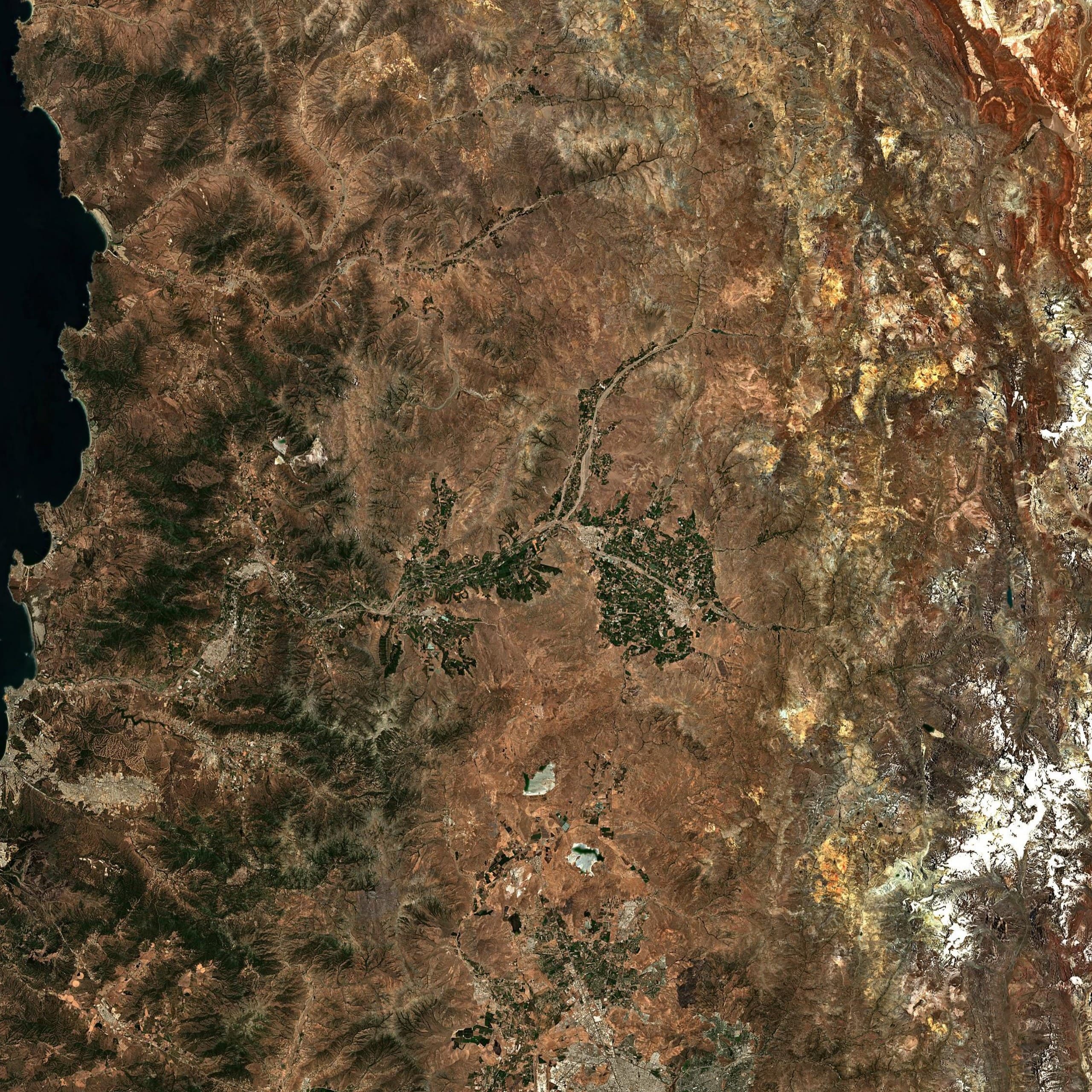
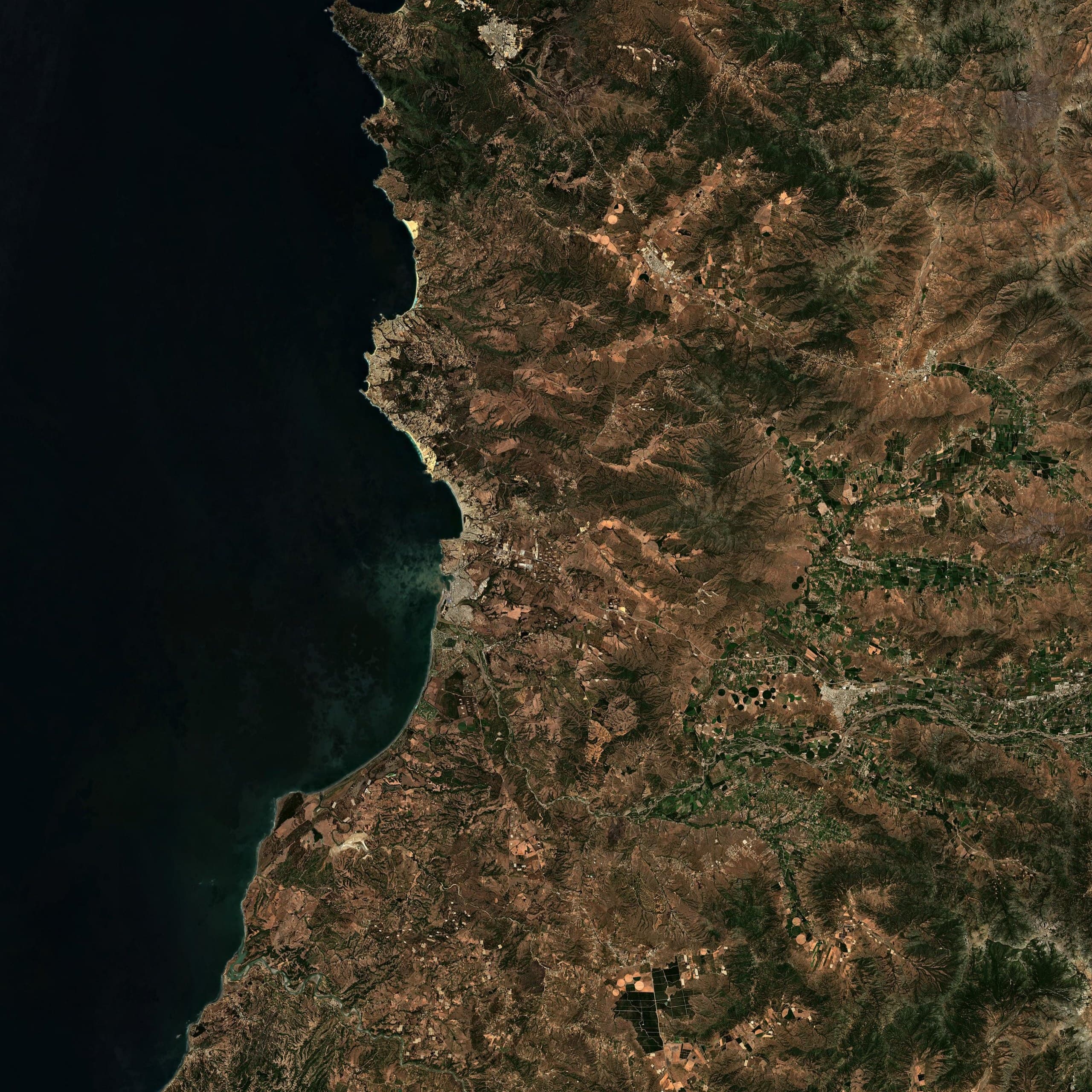
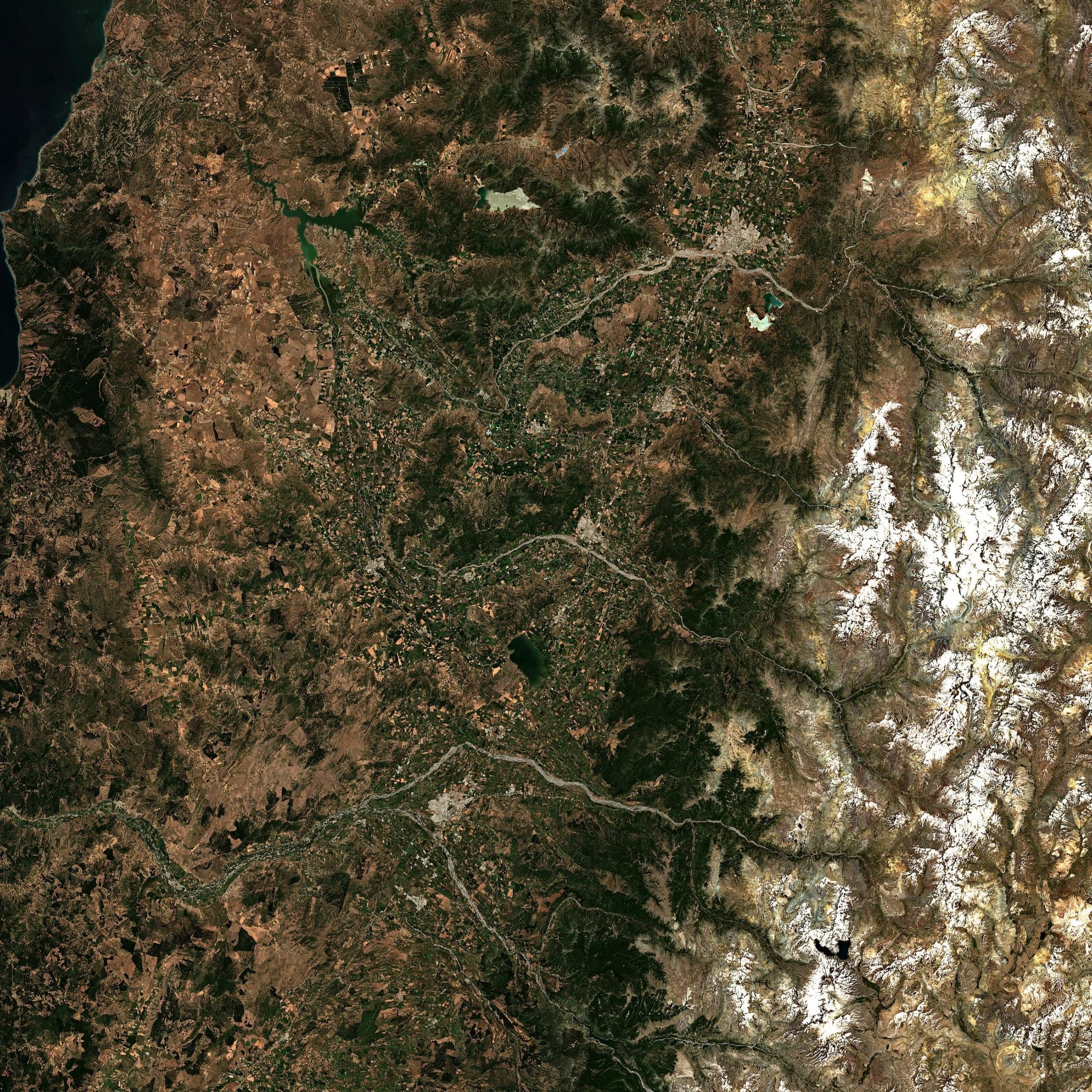
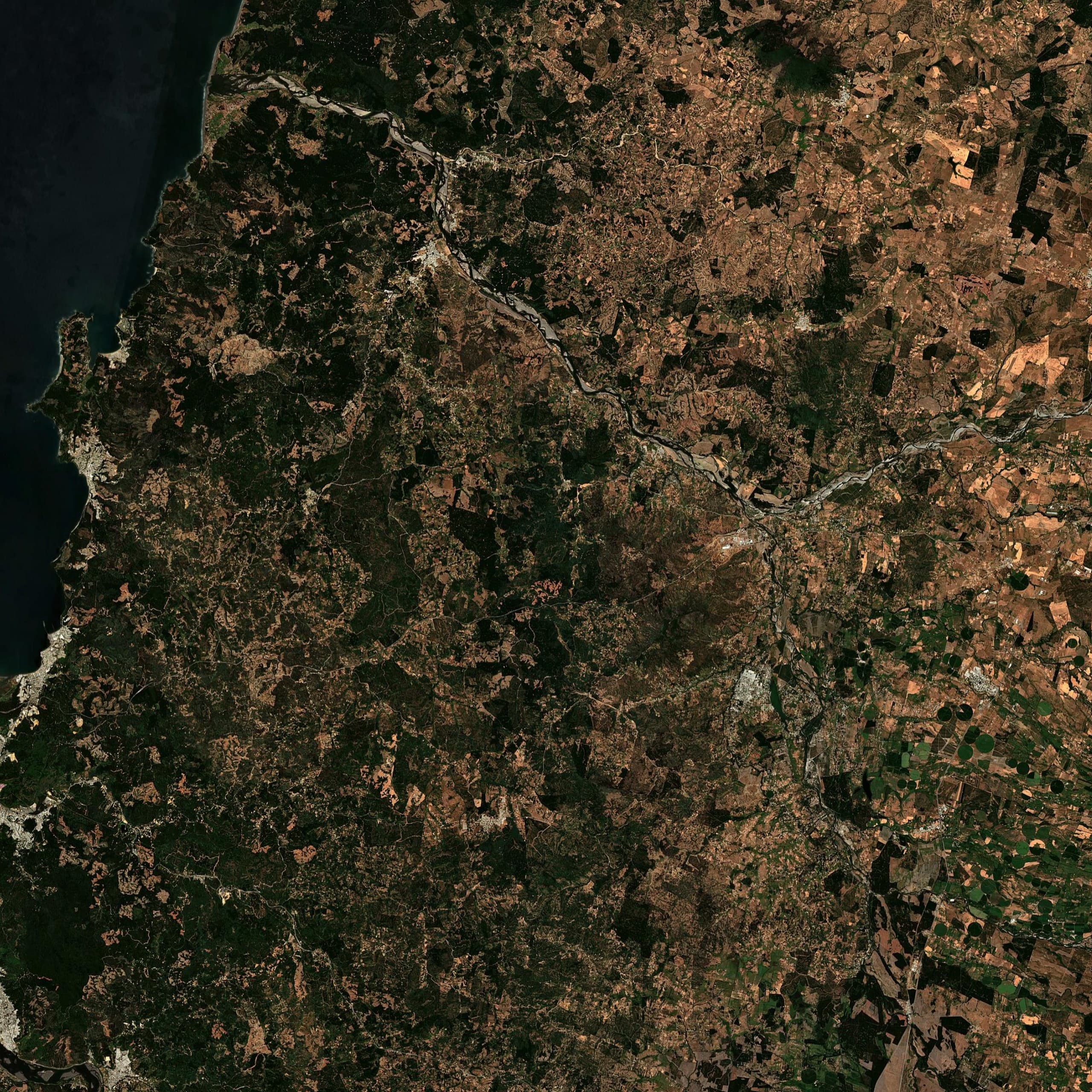
Curicó is where modern Chilean wine began its export story. Miguel Torres arrived from Catalonia in 1979, brought stainless steel and cold fermentation, and showed the whole country a new way to work. The valley remains Chile's engine room: a broad, generous landscape of Cabernet Sauvignon and Sauvignon Blanc between the Andes and the coastal hills, where old family vineyards and big cellars turn out some of South America's most reliable value. Look closer and there are surprises, century-old vine patches among them, plus a lively harvest festival in the town square each autumn.

Vintages

11 · 2015–2025

Rating:
95+
90-94
85-89
80-84
<80
PeakReadyHold
Year20252024202320222021202020192018201720162015
Red

Outstanding Curicó Valley Vintages

The best recent vintages rated excellent or exceptional.

Red

2025

Almost ready
91Excellent

Well-colored, rounded reds with ripe tannin and generous fruit.

2027Peak 2028–20332036

2024

Ready
92Excellent

A return to freshness: classic, structured Cabernet with drive.

2026Peak 2028–20322034

2022

At peak
90Excellent

Very good, balanced reds; ripe fruit without excess.

2024Peak 2026–20302032

2021

At peak
92Excellent

A cool year of real finesse: fragrant, energetic, fine-tannined reds.

2023Peak 2025–20302033

2019

At peak
90Excellent

Concentrated, firm reds from drought-reduced yields.

2021Peak 2023–20282030

2018

At peak
93Excellent

The modern benchmark: complete, balanced Cabernet with depth and freshness.

2020Peak 2023–20292032

2015

Drink up
90Excellent

Ripe, generous Cabernet with warm plum fruit and soft structure.

2017Peak 2019–20252027

Zones & Comunas

Classification System

Chile's DO system names the valley on the label, and since 2011 three optional terms describe where the fruit grew across the country's east-west axis: Costa for the fog-cooled coast, Entre Cordilleras for the central flats, Andes for the mountain foothills.

Single Vineyard

Named site, like Don Melchor's Puente Alto parcels

DO Valley

The valley designation, Maipo to Itata

Costa / Entre Cordilleras / Andes

The east-west zone terms added in 2011

What Curicó Valley produces

Red

Friendly, fruit-forward Cabernet Sauvignon, honest and ready early, with stonier sites adding structure.

White

Crisp, grassy Sauvignon Blanc that anchors Chile's everyday whites.

Similar styles

Lands in the same glass.

Grapes of Curicó Valley

What it tastes like

Body

Big

Acidity

Bright

Tannin

Drying

Oak

Some oak

Ripeness

Rich

Concentration

Medium

Reds

Big and bright, with drying tannin, some oak and rich fruit; black fruit, red fruit and a herbal edge.

black fruit · red fruit · herbal · spicy · stony

Body

Lightish

Acidity

Bright

Oak

No oak

Ripeness

Fresh

Concentration

Medium

Whites

On the lighter side and bright; tropical fruit, citrus and a herbal edge.

tropical · citrus · herbal · stony

Cork's estimate.

Climate

MediterraneanHot dry summersWet wintersCool nightsSunny

Classic Mediterranean: hot, dry, sunny summers and cool, wet winters, with more rain than the valleys to the north. The coastal range blocks most direct ocean influence, so the refreshing is done by night air drifting down from the Andes. A long frost-free season makes it dependable farming country.

Terroir

Alluvial loamClayRiver gravelDecomposed graniteValley-floor soils

Deep alluvial soils on the valley floor, clay and loam over gravel laid down by the Teno and Lontué rivers, grading into tougher granite-based soils in the coastal hills. Fertility is higher than in Maipo or Apalta, which suits generous, fruit-forward styles, while the stonier edges give the more serious reds.

Typical Aromas

black plumcassisfresh citruscut grassred cherrysweet spice
Explore the aroma wheel

More in Chile

Frequently Asked Questions

What makes Curicó Valley wine special?▼
Curicó is where modern Chilean wine took off. When Miguel Torres arrived from Catalonia in 1979 with stainless steel tanks and cold fermentation, he changed how the whole country made wine, and the valley has been Chile's reliable engine room ever since. It's a generous landscape of Cabernet Sauvignon and Sauvignon Blanc between the Andes and the coastal hills, and it delivers some of South America's most dependable value.
What grapes grow in Curicó Valley?▼
Cabernet Sauvignon and Sauvignon Blanc lead the plantings. The Cabernet is friendly and fruit-forward from the valley's deep alluvial soils, with stonier sites adding structure, while the Sauvignon Blanc is crisp, grassy, and refreshing. Scattered through the valley are older plantings and surprises, including century-old vine patches that reward the curious.
Is Curicó only about everyday wine?▼
Mostly, and that's its charm, but not entirely. The valley's best old vineyards and hillside sites make wines well above their price, and Miguel Torres' top bottlings showed long ago that Curicó can be serious. If you want Chile's famous value sweet spot, this is it: honest, well-made wines for the table, with the occasional gem hiding in plain sight.
What food pairs well with Curicó wines?▼
These are table wines in the best sense. The Cabernet loves pastel de choclo, empanadas de pino, roast chicken, and grilled vegetables, while the Sauvignon Blanc is a natural with ceviche, fresh salads, and queso fresco. Open a bottle of each and you've covered most of a Chilean family lunch.

Map data: División Político-Administrativa, Biblioteca del Congreso Nacional de Chile (BCN)