CorkCork
Maule Valley

Chile

Maule Valley

Limarí ValleyLimarí ValleyAconcagua ValleyAconcagua ValleyCasablanca ValleyCasablanca ValleyMaipo ValleyMaipo ValleyColchagua ValleyColchagua ValleyCuricó ValleyCuricó ValleyItata ValleyItata ValleyMaule ValleyMaule Valley

Chile wine regions

About Maule Valley

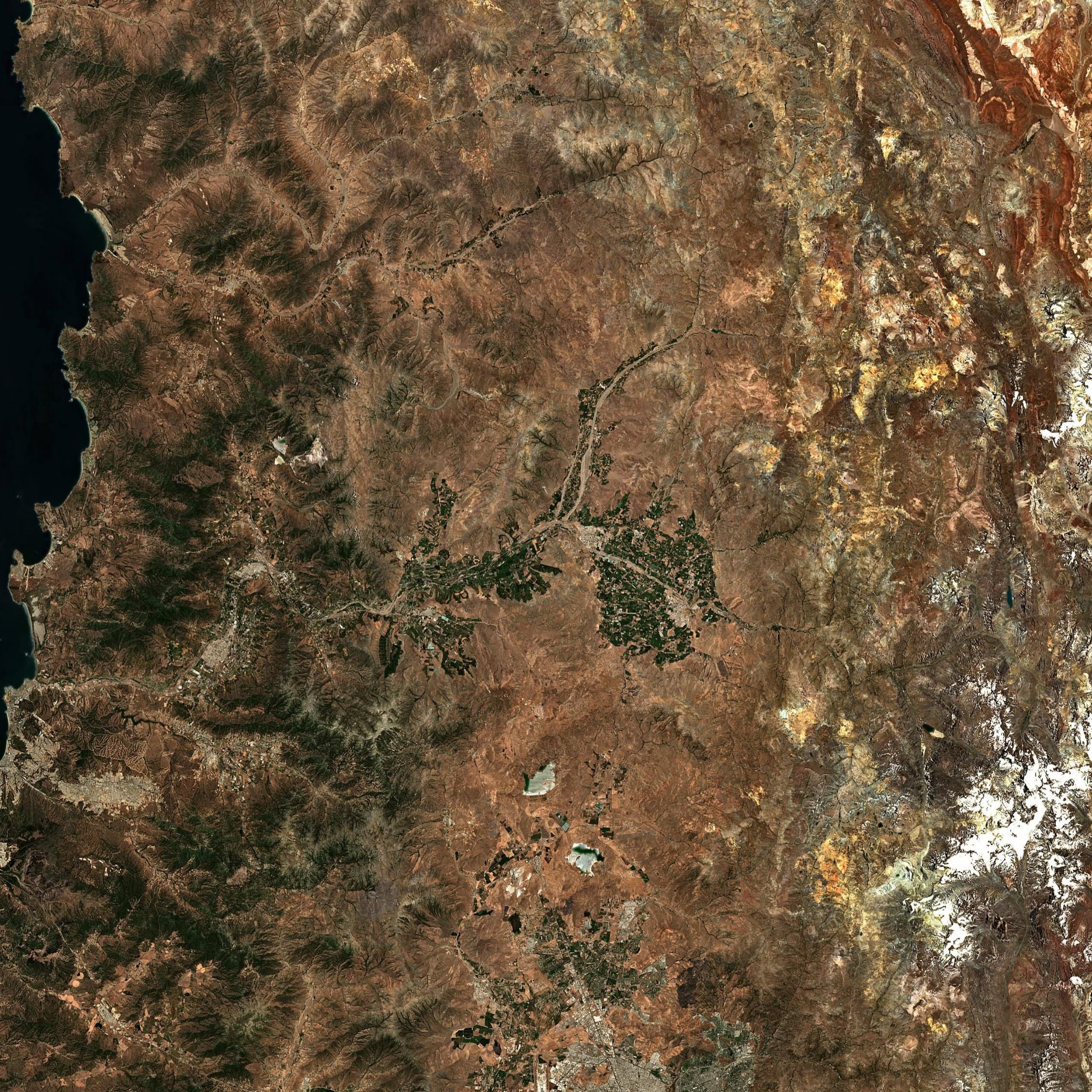
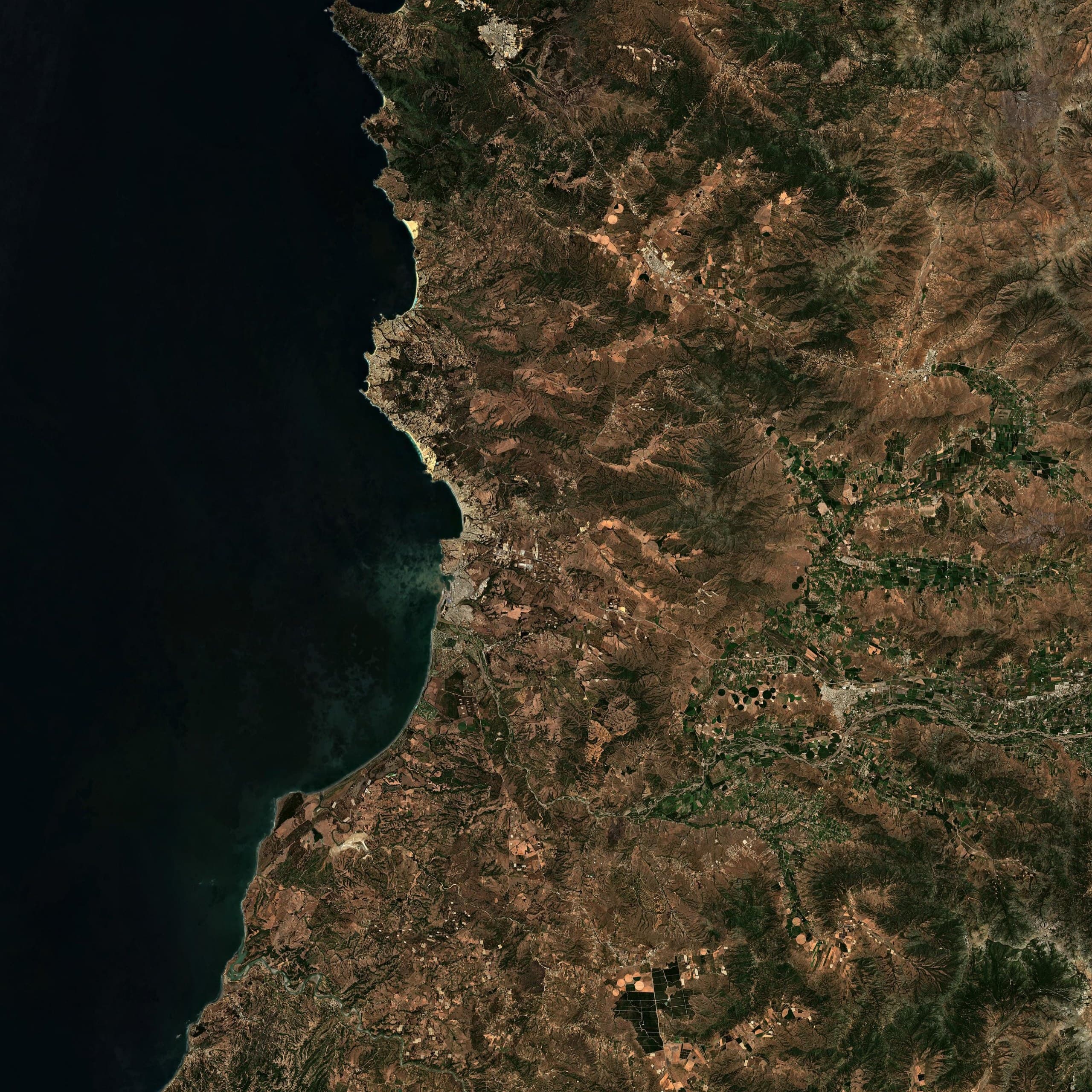
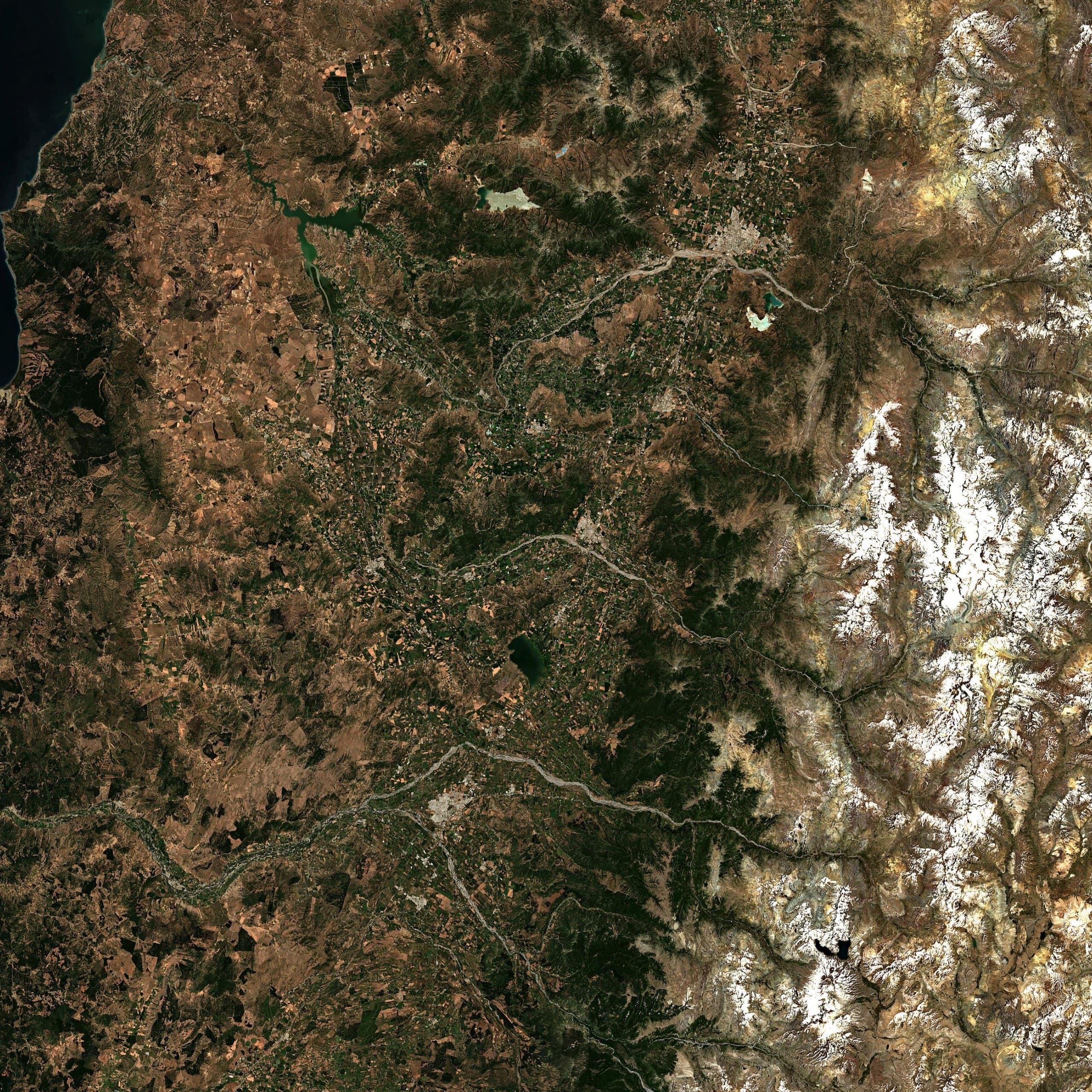
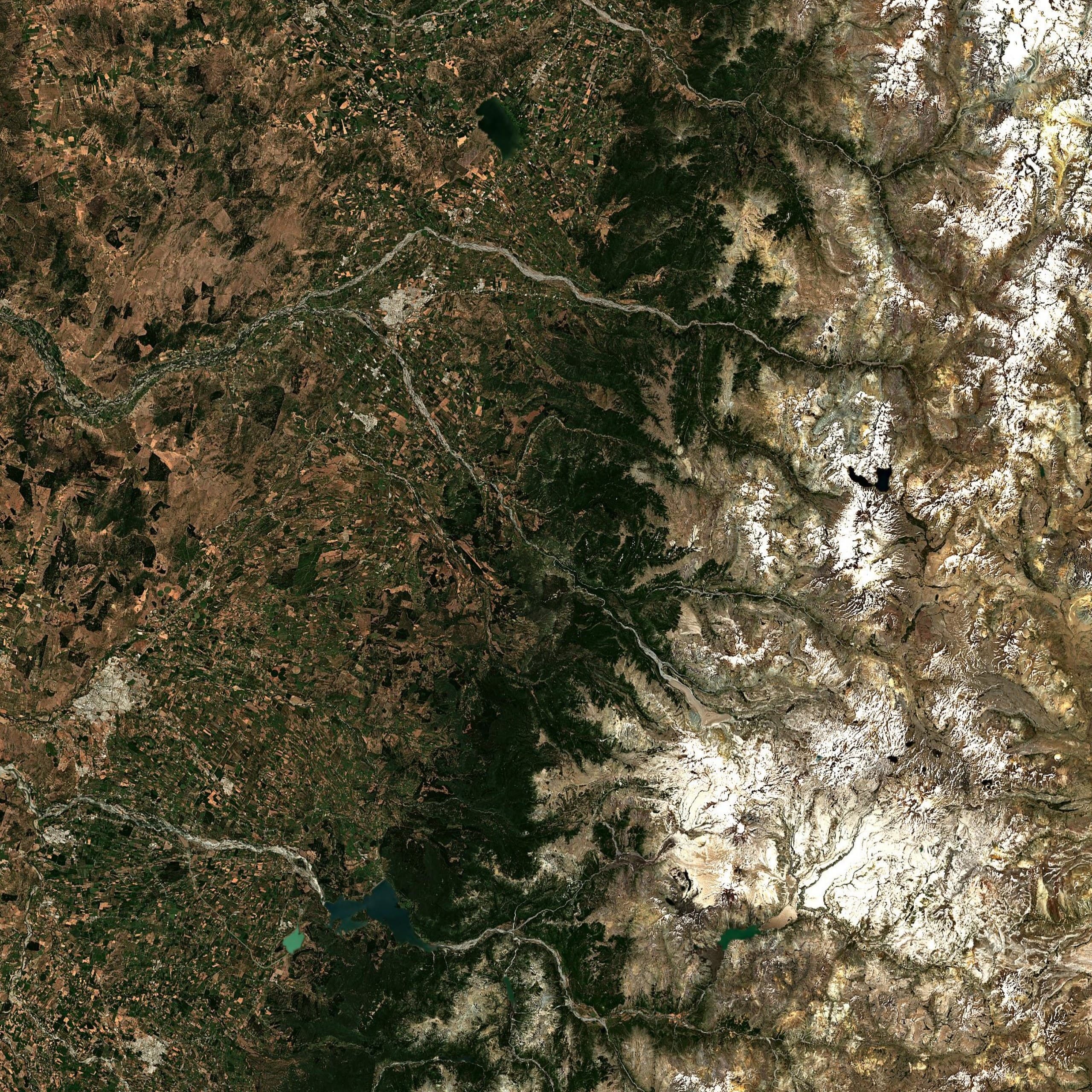
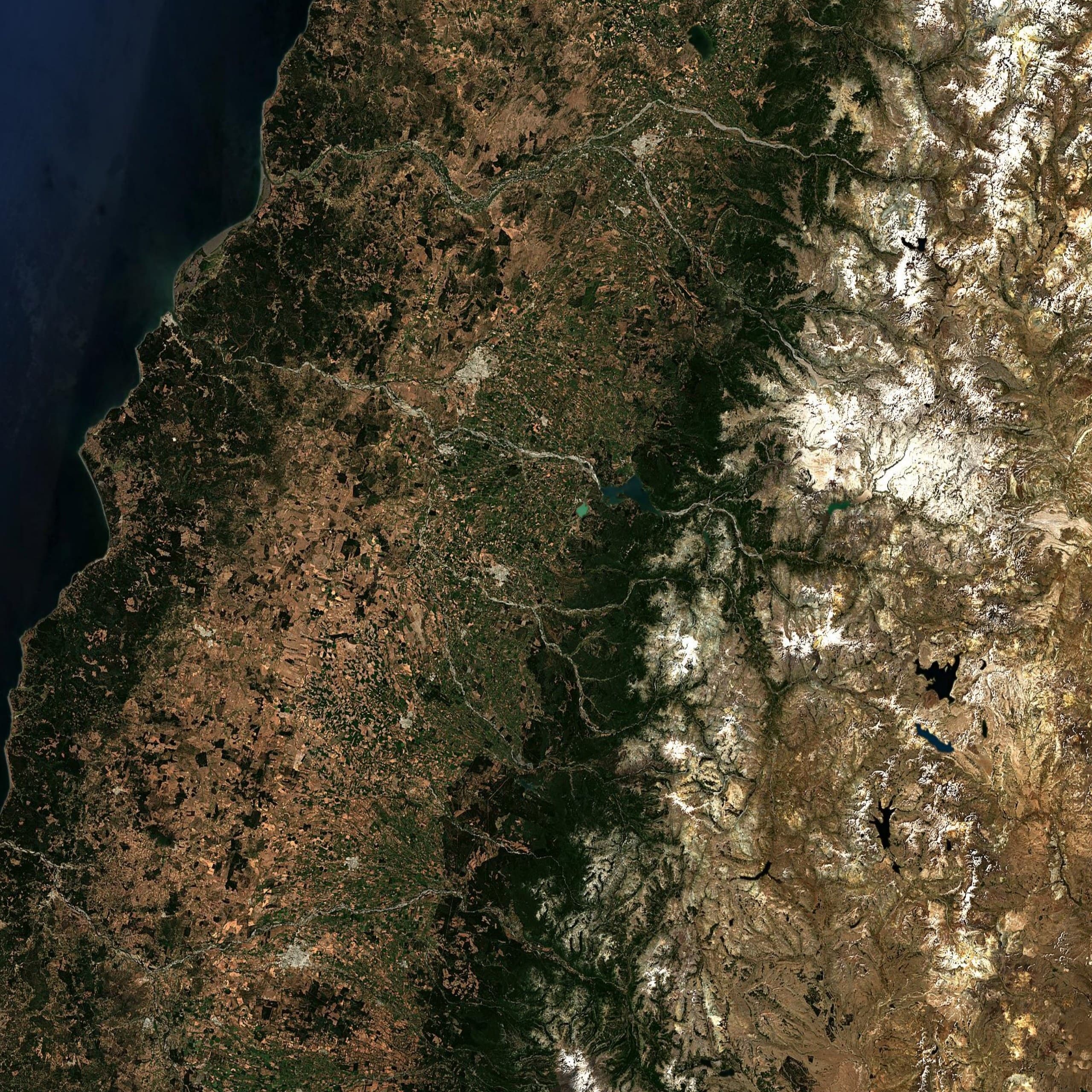
Maule is Chile's old soul. The country's largest wine valley, three hours south of Santiago, is a rolling landscape of dry-farmed bush vines, many planted more than a century ago, worked by small farmers in the unirrigated secano. For decades its old Carignan and País went into bulk blends; then growers and winemakers formed VIGNO in 2011, a producers' pact around old-vine Carignan, and the world noticed. The wines are deep, savoury, and alive with acidity, and names like Gillmore, Garage Wine Co., and De Martino have made Maule the proud heart of Chile's old-vine revival.

Vintages

12 · 2014–2025

Rating:
95+
90-94
85-89
80-84
<80
PeakReadyHold
Year202520242023202220212020201920182017201620152014
Red

Outstanding Maule Valley Vintages

The best recent vintages rated excellent or exceptional.

Red

2025

Almost ready
91Excellent

Promising, aromatic reds with good color and lift from a season that cooled at the right time.

2027Peak 2029–20342036

2024

Ready
92Excellent

A return to freshness: winter rains revived the dry-farmed hills and the wines show classic balance and drive.

2026Peak 2028–20332036

2022

At peak
90Excellent

Very good, balanced reds; moderate warmth gave ripe fruit without excess, and the old vines shone.

2024Peak 2026–20312033

2021

At peak
92Excellent

A cool year of uncommon finesse: fragrant, energetic Carignan and País with bright acid lines.

2023Peak 2025–20312034

2019

At peak
90Excellent

Drought concentrated the wines: small berries, deep color, firm structure, best with a little patience.

2021Peak 2023–20292031

2018

At peak
93Excellent

The modern benchmark: a long, unhurried season gave complete, balanced reds, old-vine Carignan with depth, freshness, and real aging potential.

2020Peak 2023–20302033

2015

Drink up
90Excellent

A warm, early year that suited the secano: ripe, generous Carignan and País with supple tannins.

2017Peak 2019–20252027

Zones & Comunas

Classification System

Chile's DO system names the valley on the label, and since 2011 three optional terms describe where the fruit grew across the country's east-west axis: Costa for the fog-cooled coast, Entre Cordilleras for the central flats, Andes for the mountain foothills.

Single Vineyard

Named site, like Don Melchor's Puente Alto parcels

DO Valley

The valley designation, Maipo to Itata

Costa / Entre Cordilleras / Andes

The east-west zone terms added in 2011

What Maule Valley produces

Red

Old-vine Carignan with dark fruit and electric acidity, rustic-charming País, and honest Cabernet from the plain.

White

A quiet tradition of old-vine Semillon and fresh country whites, lovingly revived.

Grapes of Maule Valley

Climate

MediterraneanWarm dry summersWet wintersWide diurnal swing

Mediterranean with a southern accent: warm, dry summers, cold wet winters with 700 mm or more of rain, and a wide day-night swing. The secano, the coastal-range dryland where the old vines grow, sees no irrigation at all; vines live on winter rain stored deep in the soil. Harvests run later than in the valleys to the north.

Terroir

Decomposed graniteIron-rich red soilsAlluvial clayRolling hills

Decomposed granite is the signature: red, iron-rich soils over crumbling granite across the coastal range and secano hills, poor ground that keeps old bush vines small and deeply rooted. The central plain along the Loncomilla and Maule rivers is alluvial clay and loam, home to the valley's bigger plantings.

Typical Aromas

sour cherryraspberrydried herbscracked pepperpomegranateearthy spice
Explore the aroma wheel

More in Chile

Frequently Asked Questions

What makes Maule Valley wine special?▼
Old vines, and lots of them. Maule is Chile's largest wine valley and its secano hills hold dry-farmed bush vines planted a century or more ago, worked by small farming families. For decades that fruit vanished into bulk blends; now producers like Gillmore, Garage Wine Co., and De Martino turn it into deep, savoury Carignan and bright, rustic-charming País. If you love wines with history in the glass, Maule is one of South America's most exciting places to explore.
What is VIGNO?▼
VIGNO (Vignadores de Carignan) is a producers' pact founded in 2011 to champion Maule's old Carignan. Wines carrying the VIGNO name must come from old, dry-farmed bush vines in the secano, so the label works like an unofficial appellation for the valley's heritage vineyards. It's one of the great stories of growers banding together, and a VIGNO bottling is the perfect first taste of serious Maule.
What grapes grow in Maule Valley?▼
Carignan is the flagship, giving dark, savoury reds with electric acidity from old bush vines. País, the grape the Spanish first brought to the Americas, makes light, high-toned reds that are lovely with a slight chill. The central plain grows plenty of honest Cabernet Sauvignon, and there's a quiet revival of old-vine Semillon among the whites.
What are the best Maule Valley vintages?▼
2018 is the modern benchmark, a long, mild season that gave complete, age-worthy reds. 2021 is nearly its equal with a cooler, more fragrant style, and 2024 brought back real freshness after the drought years. 2015, 2019, and 2022 are all very good. The trickier years were 2016, with harvest rain, and 2017, when heat and wildfires cut the crop.
What food pairs well with Maule wines?▼
Old-vine Carignan loves slow-roasted pork, grilled lamb ribs, and hearty dishes like lentil stew or charquicán, the Chilean beef and vegetable classic. Its bright acidity cuts through rich, smoky food beautifully. Lightly chilled País is a brilliant companion for charcuterie, empanadas, and long alfresco lunches.

Map data: División Político-Administrativa, Biblioteca del Congreso Nacional de Chile (BCN)