CorkCork
Aconcagua Valley

Chile

Aconcagua Valley

Limarí ValleyLimarí ValleyCasablanca ValleyCasablanca ValleyMaipo ValleyMaipo ValleyColchagua ValleyColchagua ValleyCuricó ValleyCuricó ValleyMaule ValleyMaule ValleyItata ValleyItata ValleyAconcagua ValleyAconcagua Valley

Chile wine regions

About Aconcagua Valley

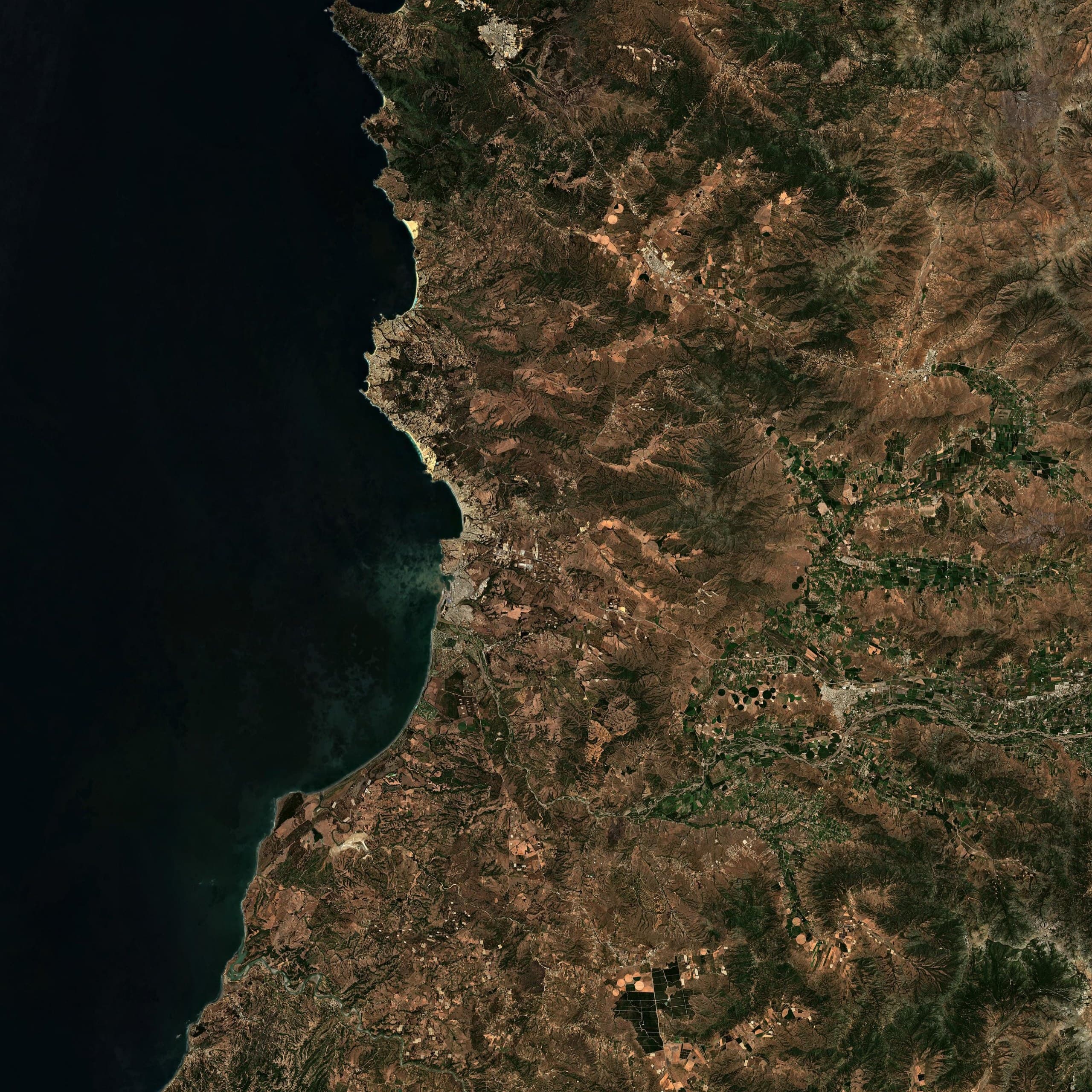
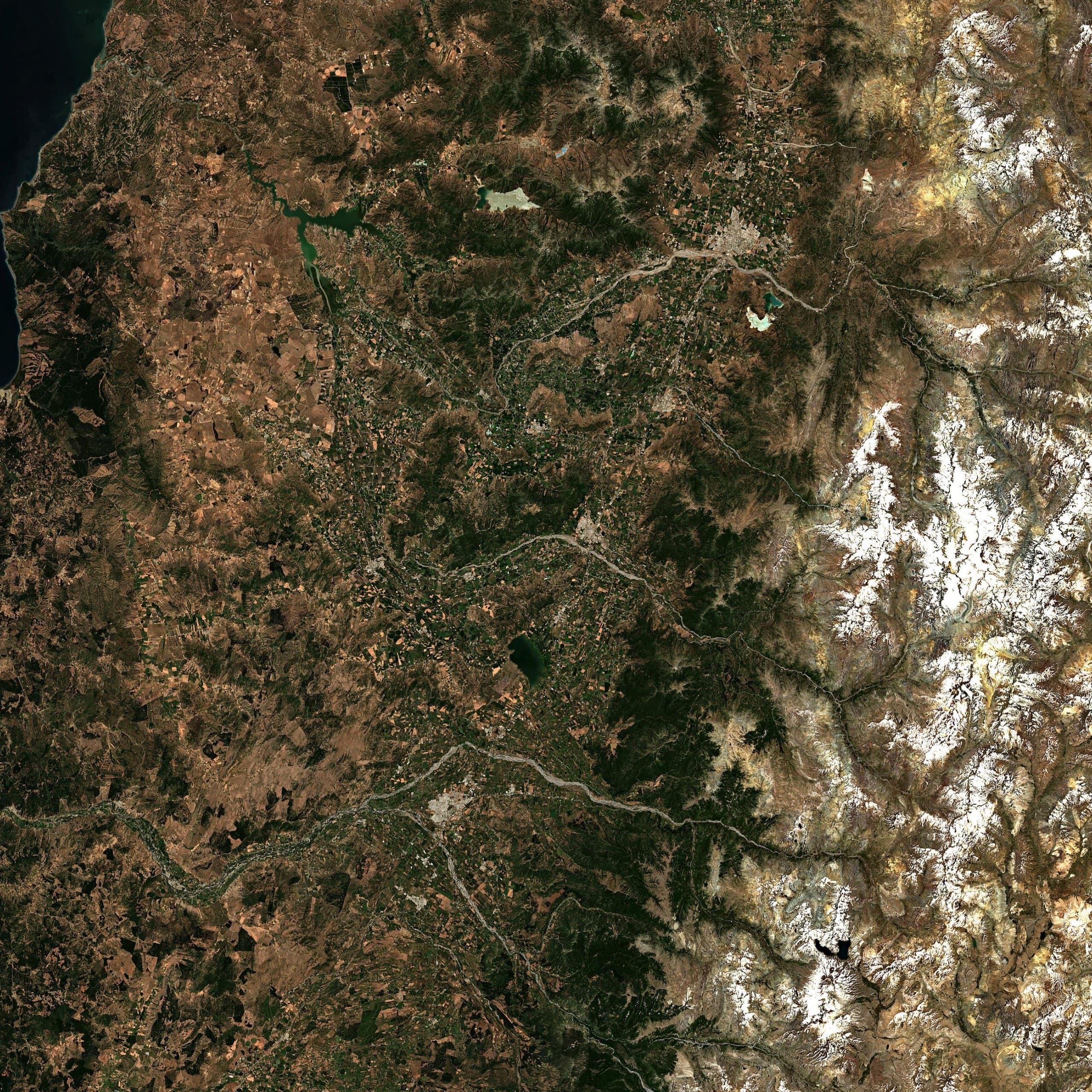
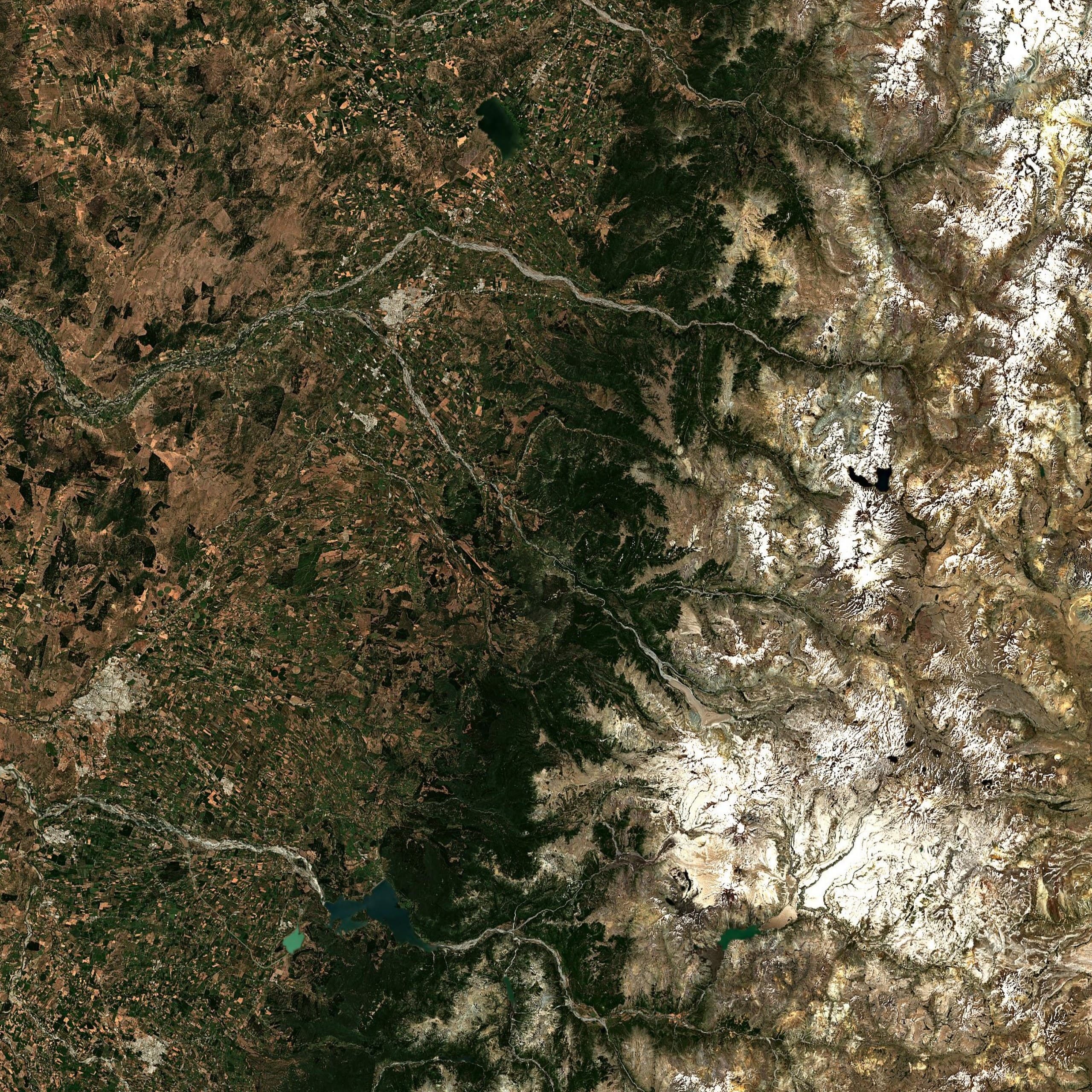
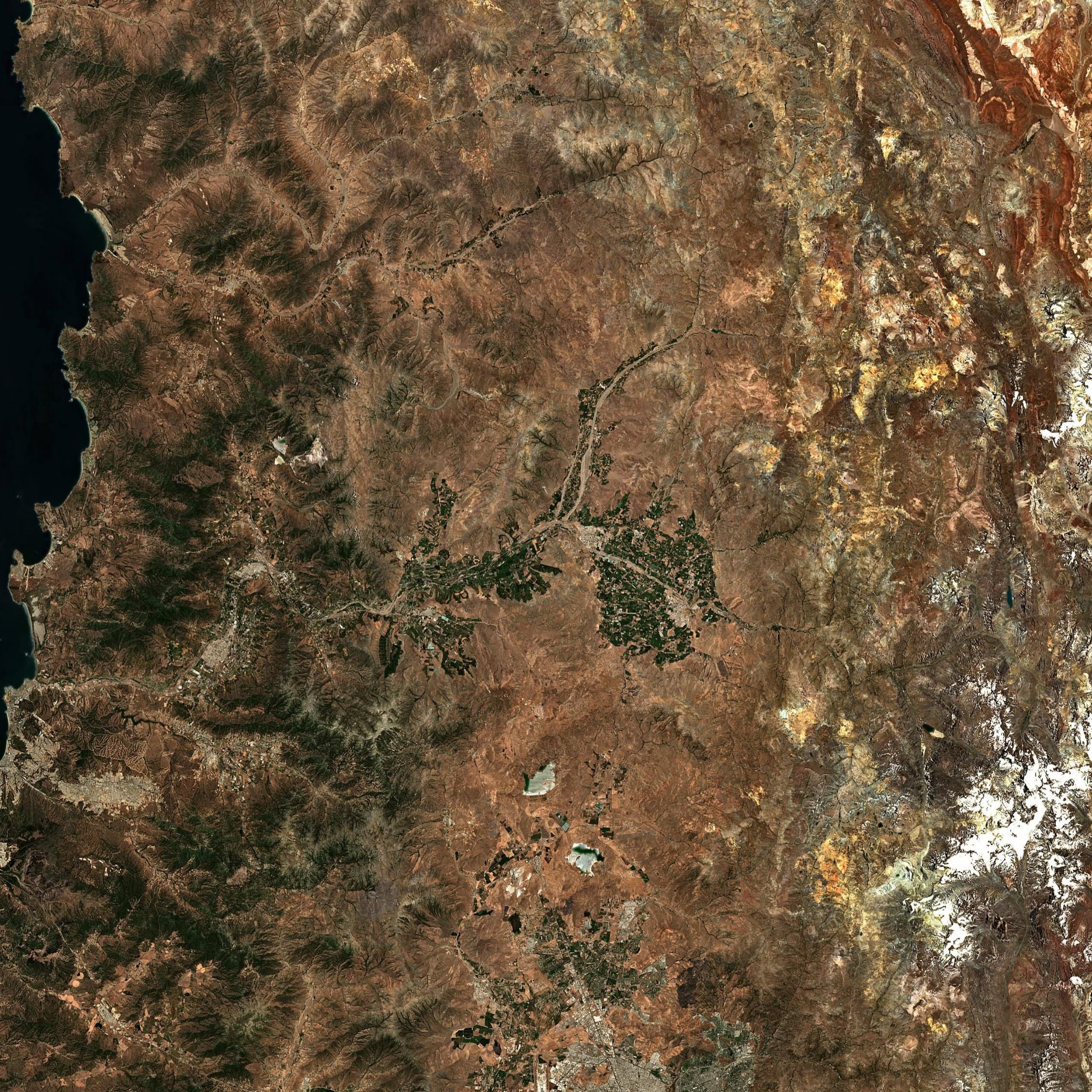
Aconcagua runs from the highest peak in the Americas to the Pacific, and its wines span the same range. Maximiano Errázuriz planted the warm inland hills at Panquehue in 1870, and his descendants' winery still anchors the valley; the Seña joint venture and the Berlin Tasting of 2004, where Chilean reds outscored famous Bordeaux, made its reputation global. Inland, Syrah and Cabernet Sauvignon ripen on sun-baked slopes cooled by mountain air. Near the coast, the Aconcagua Costa vineyards planted from 2005 add a second register: taut Sauvignon Blanc, Chardonnay, and Pinot Noir grown in the sea fog.

Vintages

11 · 2015–2025

Rating:
95+
90-94
85-89
80-84
<80
PeakReadyHold
Year20252024202320222021202020192018201720162015
Red

Outstanding Aconcagua Valley Vintages

The best recent vintages rated excellent or exceptional.

Red

2025

Almost ready
92Excellent

Structured, aromatic Syrah and Cabernet of very good depth.

2027Peak 2029–20332035

2024

Ready
93Excellent

Classic, fresh, deeply colored reds; a lovely return to balance.

2026Peak 2028–20332035

2022

At peak
91Excellent

Very good, balanced reds with ripe tannins and lift.

2024Peak 2026–20302032

2021

At peak
93Excellent

Cool-year finesse: fragrant, precise, finely tannic reds.

2023Peak 2026–20312034

2020

At peak
90Excellent

Ripe, generous, earlier-maturing reds.

2022Peak 2024–20282030

2019

At peak
91Excellent

Dense, firm reds from drought-stressed, low-yielding vines.

2021Peak 2023–20292031

2018

At peak
94Excellent

An exceptional year: complete, structured, age-worthy Syrah and Cabernet.

2020Peak 2024–20312035

2015

At peak
91Excellent

Ripe, polished Syrah and Cabernet with generous dark fruit.

2017Peak 2020–20272030

Zones & Comunas

Classification System

Chile's DO system names the valley on the label, and since 2011 three optional terms describe where the fruit grew across the country's east-west axis: Costa for the fog-cooled coast, Entre Cordilleras for the central flats, Andes for the mountain foothills.

Single Vineyard

Named site, like Don Melchor's Puente Alto parcels

DO Valley

The valley designation, Maipo to Itata

Costa / Entre Cordilleras / Andes

The east-west zone terms added in 2011

What Aconcagua Valley produces

Red

Peppery, polished Syrah and structured Cabernet Sauvignon from the warm inland hills.

White

Saline Sauvignon Blanc and precise Chardonnay from the foggy Costa vineyards.

Grapes of Aconcagua Valley

Climate

MediterraneanWarm dry inlandCool foggy coastMountain breezesCool nights

Two climates in one valley. Inland around Panquehue it is warm and dry, with fierce sun, mountain breezes channelled down the Aconcagua river, and cool nights. The coastal end lives under morning fog and constant ocean wind, several degrees cooler in summer. Rain is scarce everywhere and falls in winter.

Terroir

Alluvial terracesColluvial slopesRed clayMetamorphic rockDecomposed granite

Alluvial terraces of stones, sand, and clay along the Aconcagua river inland, with rocky colluvial slopes on the hillsides where the best Syrah grows. The coastal sector is entirely different: shallow red clay over fractured metamorphic rock and granite, lean soils that hold the vines to small, intense crops.

Typical Aromas

blackberryblack peppervioletcassisgrapefruitsea spray
Explore the aroma wheel

More in Chile

Frequently Asked Questions

What makes Aconcagua Valley wine special?▼
Aconcagua runs from the highest peak in the Americas all the way to the Pacific, and its wines cover the same range. The warm inland hills around Panquehue, planted by Maximiano Errázuriz in 1870, grow powerful Syrah and Cabernet Sauvignon, while the fog-cooled coastal vineyards of Aconcagua Costa produce taut Sauvignon Blanc, Chardonnay, and Pinot Noir. Few valleys anywhere offer both registers at this level.
What was the Berlin Tasting?▼
In 2004, Eduardo Chadwick of Errázuriz put his top Chilean reds into a blind tasting in Berlin against famous Bordeaux and Italian wines, judged by European critics. Chilean wines took the top two places, with Viñedo Chadwick 2000 first and Seña 2001 second. It did for Chile what the Judgment of Paris did for California, and Aconcagua was at the heart of it.
What grapes grow in Aconcagua Valley?▼
Syrah is the modern signature, peppery and polished from rocky inland slopes. Cabernet Sauvignon is the historic backbone and the core of Seña's blends. On the coast it's a different world: Sauvignon Blanc with grapefruit and sea-spray freshness, precise Chardonnay, and fragrant Pinot Noir from shallow clay over metamorphic rock.
What is Aconcagua Costa?▼
It's the valley's cool coastal arm, a band of fog-cooled hills a dozen kilometres from the sea that Errázuriz began planting in 2005. Morning fog and constant ocean wind keep it several degrees cooler than the inland valley, so the wines are all about tension and salinity. It turned a valley once known only for reds into one of Chile's most complete wine regions.
What food pairs well with Aconcagua wines?▼
Match the register. The inland Syrah and Cabernet love grilled beef skewers, pepper-crusted steak, and slow-cooked lamb. The coastal whites are made for ceviche, grilled octopus, and oysters, and the Costa Pinot Noir is lovely with salmon or roast duck. A hard mountain cheese works across the whole lineup.

Map data: División Político-Administrativa, Biblioteca del Congreso Nacional de Chile (BCN)