
Country
Chile
Carmenère, Pacific fog, and ungrafted vines
A ribbon of vineyards squeezed between the Andes and the cold Pacific. Chile rediscovered a lost Bordeaux grape in its own backyard, farms pre-phylloxera vines on their own roots, and reads its climate east to west rather than north to south.
~130,000 ha
Under vine
~1,400 km north to south
Vineyard span
Carmenère
Signature red
Never arrived
Phylloxera
Humboldt Current
Coastal engine
Costa / Entre Cordilleras / Andes
Climate labels
The country
Why Chile matters
For over a century Chile grew a grape it called Merlot that ripened late and tasted of spice and tomato leaf. In 1994 the French ampelographer Jean-Michel Boursiquot walked a Maipo vineyard and recognised it as Carmenère, a Bordeaux variety thought lost to phylloxera. Chile now grows more of it than the rest of the world combined.
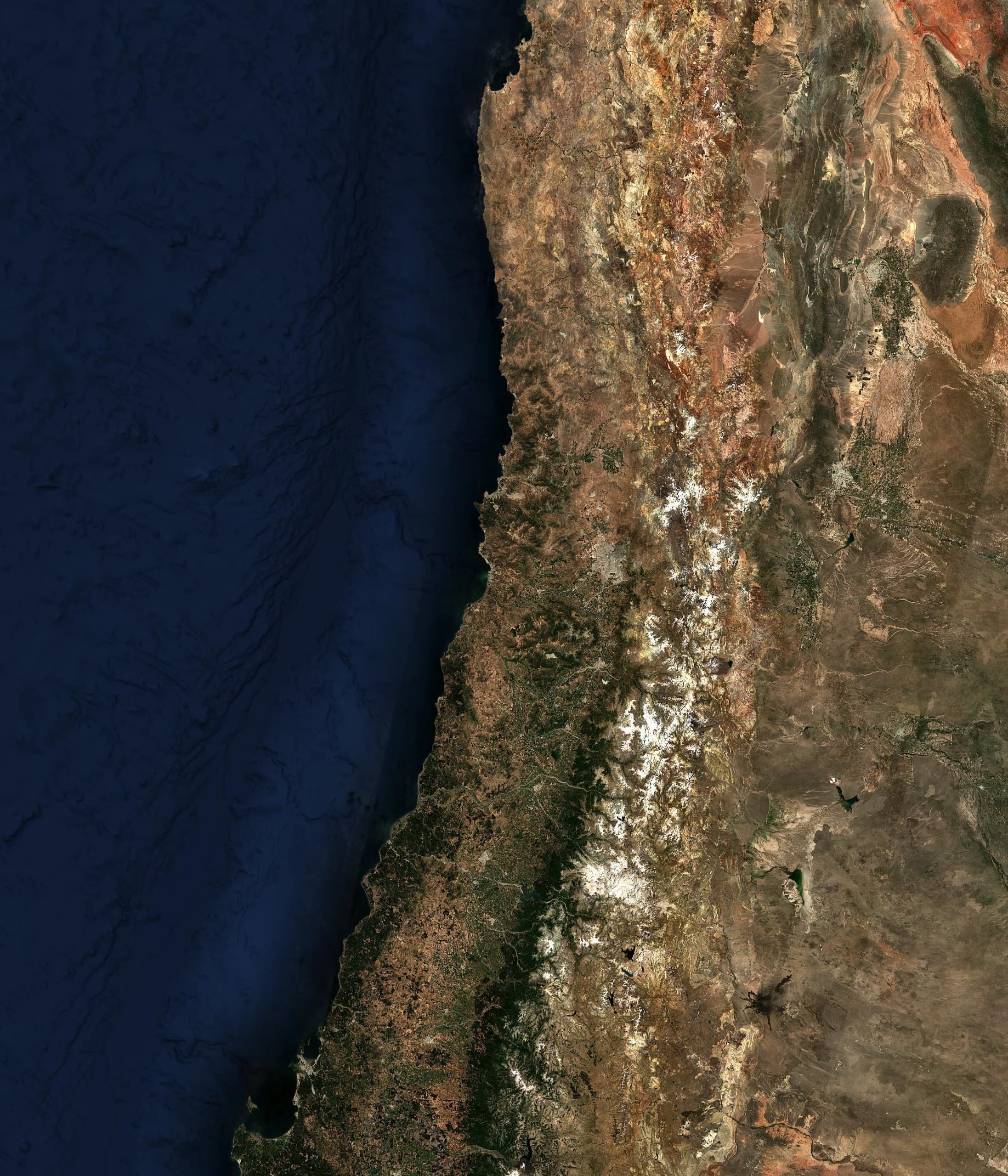
The country is a natural fortress: the Atacama desert to the north, the Andes to the east, Patagonian ice to the south, and the cold Pacific along its whole length. Phylloxera never got in, so most vines grow ungrafted on their own roots from cuttings that left Bordeaux before the louse struck Europe.
And the story keeps widening: icon Cabernets from Maipo and Aconcagua, electric coastal whites, and a revival of centuries-old dry-farmed País and Carignan in the south.
What grows here
The signature grapes
The varieties that define Chile. Tap any card to drill into the grape's profile.
The land
Terroir at a glance
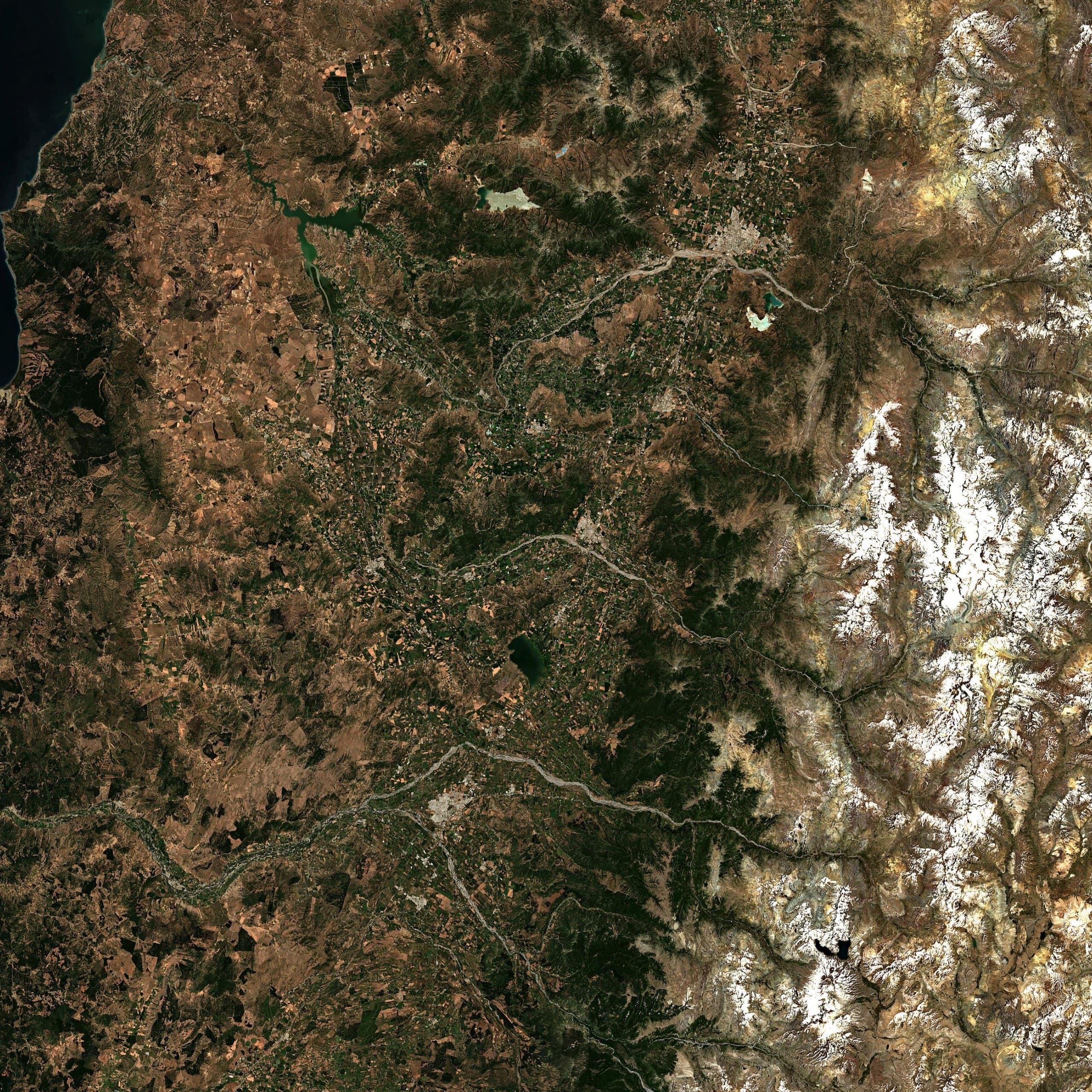
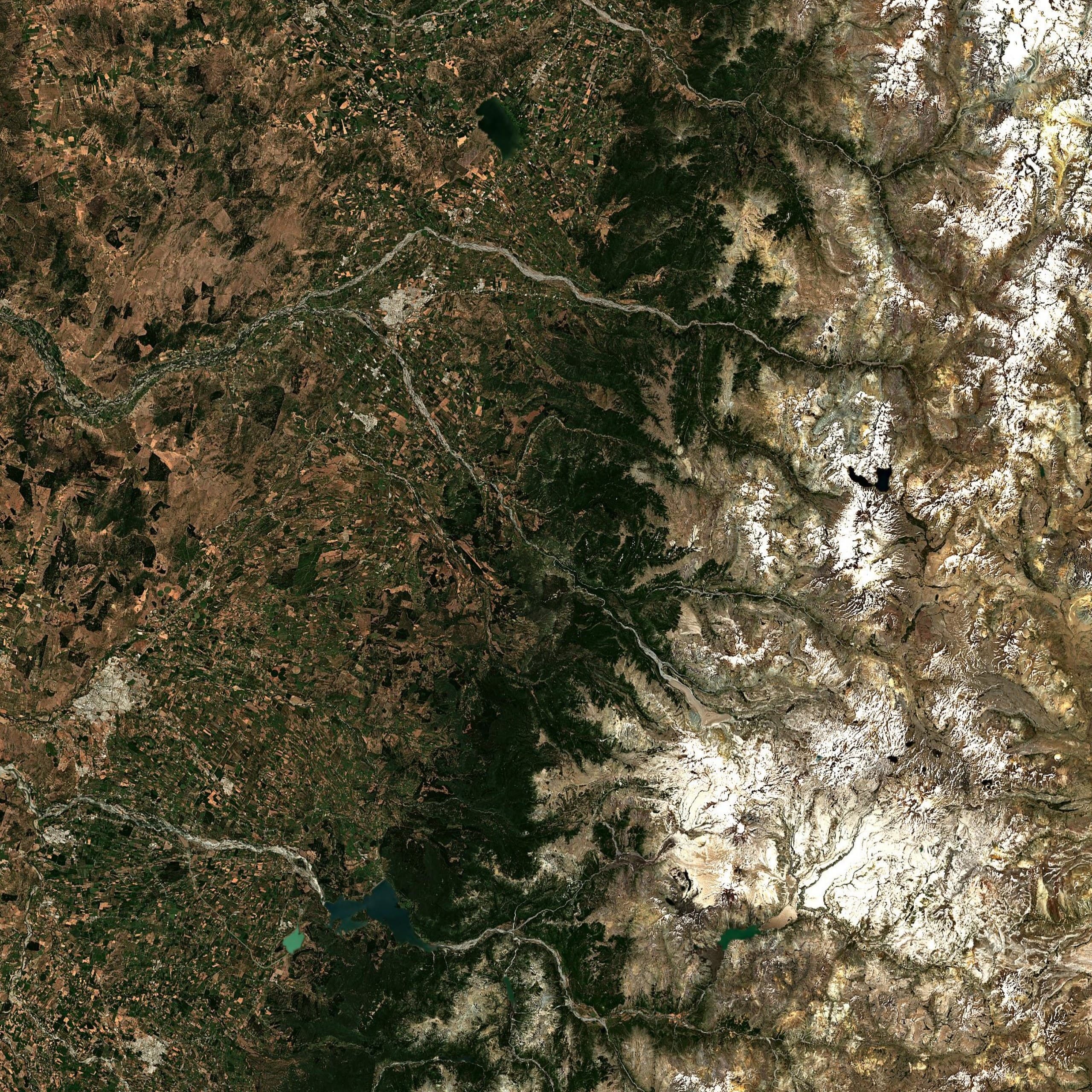
Chilean geography runs on one counterintuitive rule: moving east or west changes the climate more than moving hundreds of kilometres north or south. Every valley is a transect from cold ocean to high mountain.
The Humboldt Current
A cold ocean current sweeps up from Antarctica along the entire coast, chilling the air above it and rolling morning fog, the camanchaca, into the coastal valleys. It is why Sauvignon Blanc and Pinot Noir thrive in Casablanca at a latitude that would be hot anywhere else, and why Chile's whites taste of citrus and sea air.
The Andes effect
On the eastern edge of each valley the mountains take over: altitude, poor rocky soils, and cold air that drains down the slopes every night. Alto Maipo's Cabernet owes its firm tannin and fresh herbal lift to these piedmont sites, and Andean snowmelt irrigates nearly everything below them.
East to west, not north to south
A vineyard near the coast in Colchagua is cooler than one in the middle of Casablanca's warm pockets, so latitude alone tells you little. Chile formalised this in 2011 with three complementary labels, Costa, Entre Cordilleras, and Andes, that slice every valley crosswise by its real climate.
Own roots and old bush vines
With no phylloxera, vines grow ungrafted on their own roots, and in the rainy south they grow without irrigation too. Itata and Maule hold dry-farmed bush vines of País, Carignan, Cinsault, and Moscatel, some over a century old, farmed by hand much as they were in colonial times.
On the map
The regions worth visiting
Only regions with mapped vineyards and full guides are shown. Each tile leads to its appellations and vintages.
Chile wine regions. Select a region to learn more.
The northern limestone edge
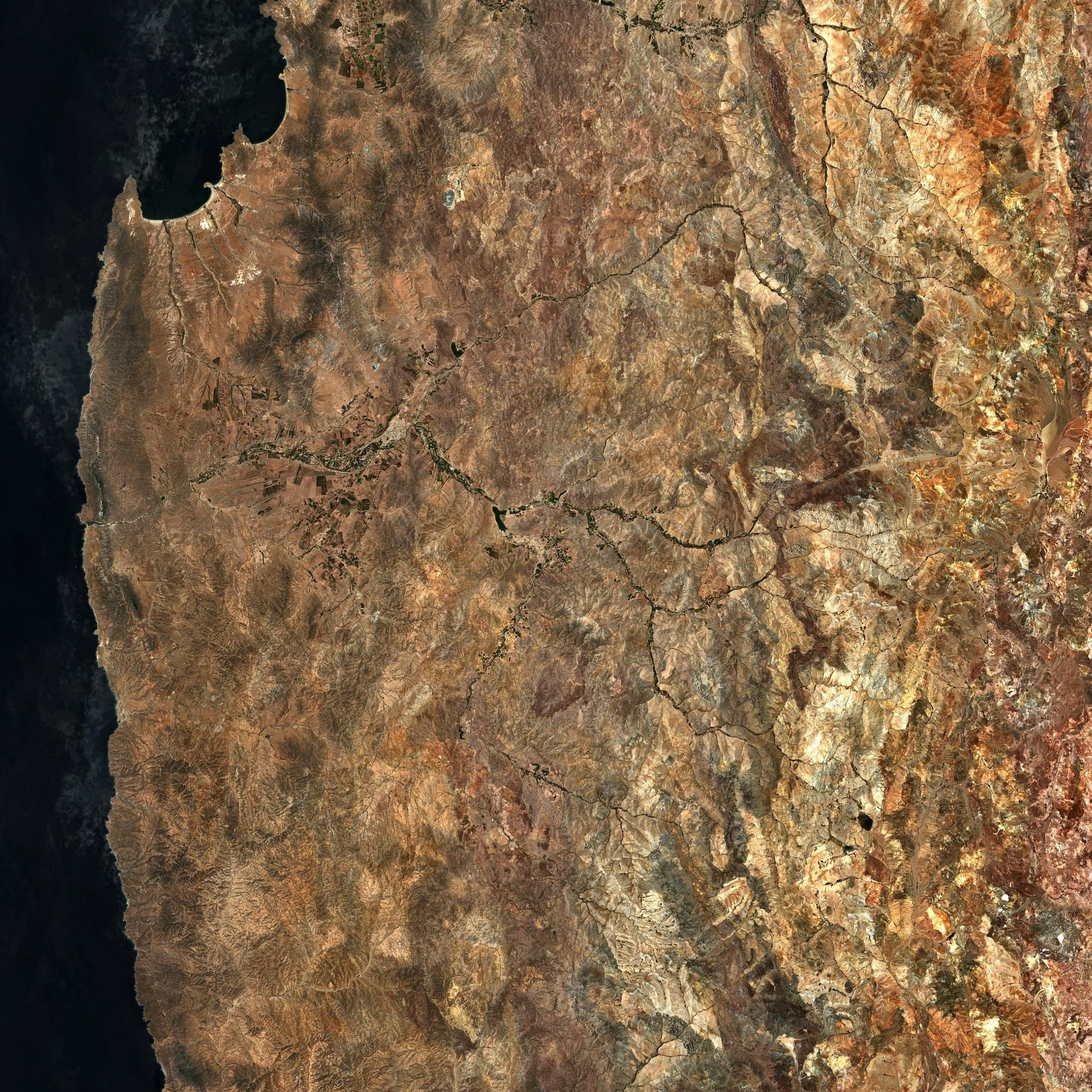
Semi-desert softened by coastal fog, with rare calcareous soils underneath. Limarí does Chile's most mineral Chardonnay and peppery, cool-toned Syrah at the sunny top of the country.
The cool coastal valleys
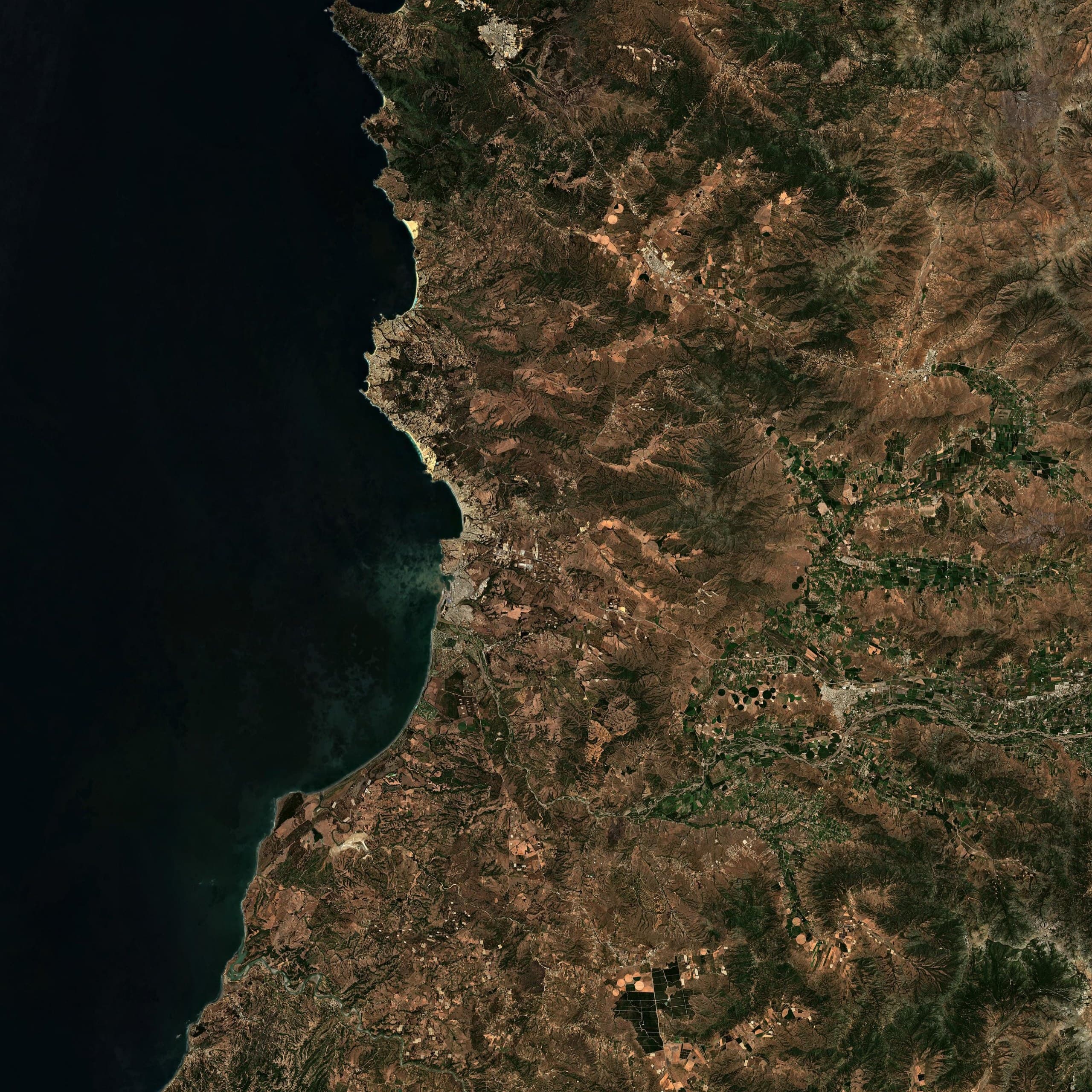
The Humboldt Current's home turf. Casablanca, planted from the 1980s onward, proved Chile could do crisp Sauvignon Blanc, taut Chardonnay, and perfumed Pinot Noir within sight of the ocean.
The central heartland
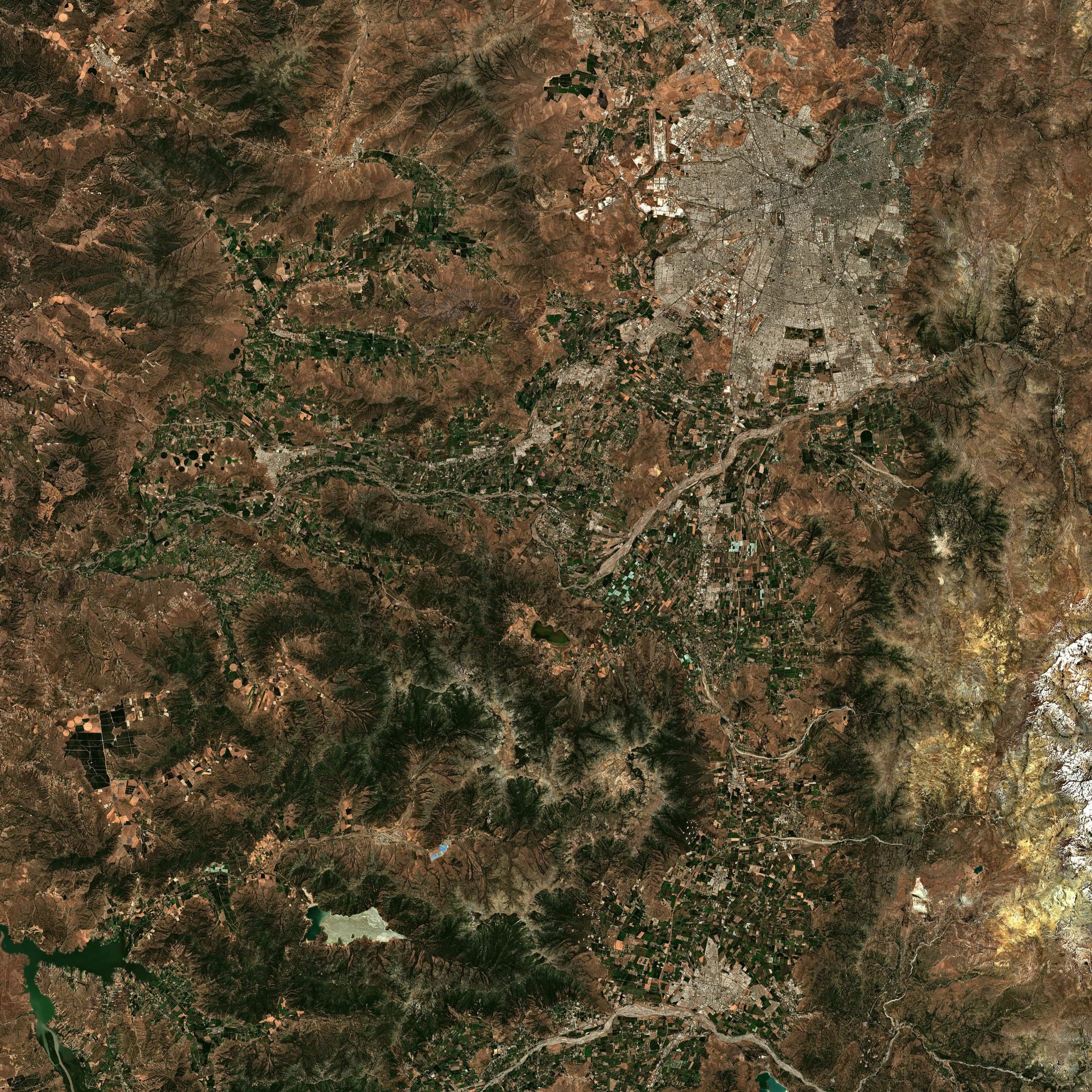
The engine of Chilean red wine. Alto Maipo's Cabernet and the icons of Puente Alto, Aconcagua's Seña, Colchagua's plush Carmenère from Apalta, and Curicó's broad, reliable plantings in between.
The system
How wine is classified in Chile
Chile's system is simple by European standards: a Denominación de Origen map based on its valleys, plus a clever east-west overlay added in 2011. Producer and vineyard names still carry most of the quality signal.
- 01
DO (Denominación de Origen)
The geographic framework, defined in 1994 and built around valleys rather than villages. It nests from broad regions down through subregions and zones to areas, so a label can read simply Valle Central or precisely Apalta or Puente Alto.
- 02
Costa / Entre Cordilleras / Andes
Complementary terms introduced in 2011 that cut every valley crosswise: Costa for coastal-influenced sites, Entre Cordilleras for the warm middle, Andes for the mountain foothills. They capture the east-west climate logic that the valley names alone miss.
- 03
The fine print
A varietal label requires 75 percent of the named grape under Chilean law, though wines made for export typically meet the stricter 85 percent standard. Reserva and Gran Reserva are loosely regulated, so lean on producer, vineyard, and place names instead.
A tasting plan
Where to start
Chile rewards tasting across its width. Start with the valley classics, then move toward the coast and the far south, where the country's most distinctive wines live.
Start here
Three wines that explain why Chile became one of the world's most trusted names for honest, generous wine.
Colchagua Carmenère
Colchagua Valley · Carmenère
The national grape in its happiest home. Warm Colchagua, especially the Apalta amphitheatre, ripens Carmenère fully: dark plum, soft spice, a brush of paprika, and velvet texture. Montes and the big Colchagua houses set a high floor here.
Casablanca Sauvignon Blanc
Casablanca Valley · Sauvignon Blanc
The Humboldt Current in a glass. Fog-cooled mornings keep the grape zesty and herbal, with lime, green pepper, and a saline finish. One of the best-value crisp whites anywhere, and a natural partner for Chile's seafood.
Maipo Cabernet Sauvignon
Maipo Valley · Cabernet Sauvignon
Chile's classic red from the valley around Santiago. Cassis, dusty earth, and a signature cool minty lift, with ripe but orderly tannin. Even entry-level Maipo Cabernet shows the style that made the country's reputation.
Go deeper
Head north to the limestone, out to the cool fringes, and south to the old vines. Same country, completely different accents.
Limarí Chardonnay
Limarí Valley · Chardonnay
Calcareous soils are rare in Chile, and Limarí has them under a blanket of coastal fog. The result is tense, stony, citrus-driven Chardonnay closer in spirit to Chablis than to the tropical New World style.
Cool-climate Syrah
Limarí or Elqui · Syrah
From Chile's cool northern and coastal sites, Syrah turns peppery, floral, and savoury, with crunchy dark fruit and real freshness. A fascinating counterpoint to the plush inland style, and still underpriced for the quality.
Itata old-vine País
Itata Valley · País
From dry-farmed bush vines whose lineage reaches back to the 1550s. Pale, fragrant, lightly grippy red, closer to a rustic cru Beaujolais than to anything oaky. De Martino and a wave of small growers lead the revival.
For the curious
The summit and the roots: Puente Alto's icon Cabernets and the hand-farmed old vines of the south.
Puente Alto icon Cabernet
Maipo Valley · Cabernet Sauvignon
One gravelly district under the Andes produces both Don Melchor, Concha y Toro's flagship since 1987, and Almaviva, the joint venture with Baron Philippe de Rothschild. Polished, age-worthy Cabernet that stands comparison with classified Bordeaux.
Seña
Aconcagua Valley · Cabernet Sauvignon
Founded by Eduardo Chadwick of Errázuriz with Robert Mondavi, and the wine that beat first-growth Bordeaux at the 2004 Berlin Tasting. A biodynamically farmed hillside blend that made the world take Chilean icons seriously.
Maule old-vine Carignan
Maule Valley · Carignan
Ancient dry-farmed vines on Maule granite, many rescued by the VIGNO growers' association. Garage Wine Co's small-lot versions show the style: wild dark fruit, firm acidity, and the taste of a farming tradition that nearly vanished.
At the table
Wine and food in Chile
The Chilean table swings between fire and ocean. The asado and empanadas de pino call for Carmenère and Cabernet, while the seafood of the long coast, machas, congrio, fresh ceviche, belongs to coastal Sauvignon Blanc and Chardonnay. In the south, a chilled old-vine País alongside a humble pastel de choclo is Chile at its most itself.
Frequently Asked Questions
What is the Carmenère story?▼
Why has Chile never had phylloxera?▼
What do Costa, Entre Cordilleras, and Andes mean on a label?▼
Is Chilean wine only good value, or genuinely great?▼
What is País, and why is everyone talking about it?▼
Which producers are the best guides to Chile?▼
Does latitude matter in Chile?▼
Keep exploring