CorkCork

Kamptal

Austria

About Kamptal

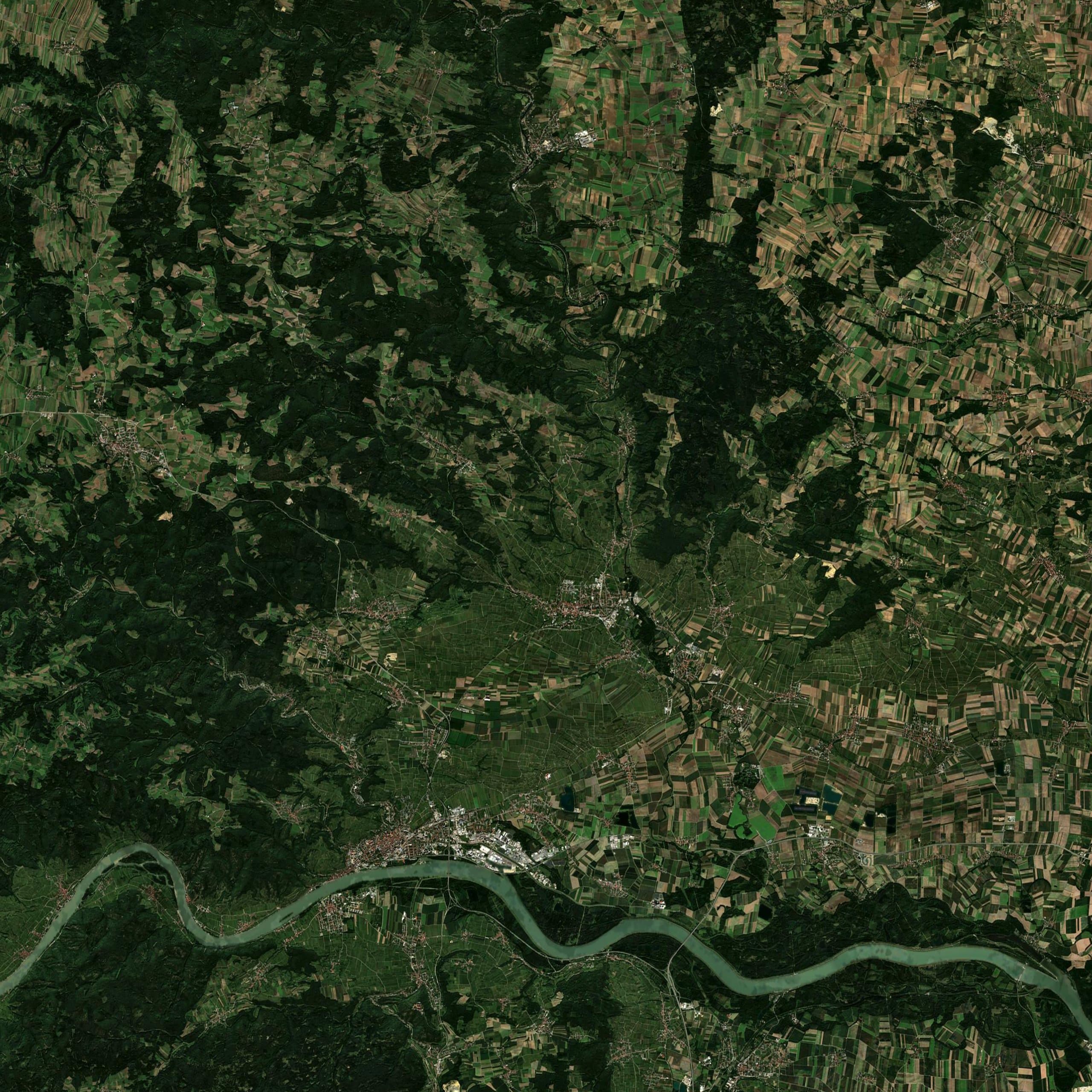
Two neighbouring DAC regions in Lower Austria, linked by the Danube and sharing similar terroir of loess, gravel, and ancient rock. The Kamptal, named after the Kamp River tributary, produces powerful Grüner Veltliner and Riesling from sites like the Heiligenstein and Zöbinger Lamm. Kremstal wraps around the historic town of Krems and includes both riverside loess terraces and hillside primary rock vineyards. Both regions have gained international recognition for their precise, mineral-driven whites that balance richness with freshness.

Vintage Ratings

Rating:
5
4
3
2
1
PeakReadyHold
Year20242023202220212020201920182017201620152014201320122011201020092008200720062005200420032002200120001999199819971996199519941993199219911990
White

Cork tracks drinking windows for every Kamptal vintage in your cellar. Sign up

Outstanding Kamptal Vintages

The best recent vintages rated excellent or exceptional.

White

2023

At peak
Excellent

An excellent vintage for the dry whites the region is best known for. Producers are pleased with the ripe fruit, generosity, and good balance.

2024Peak 202620342038

2021

At peak
Exceptional

A dream vintage for Austrian whites. Nigl Riesling Kremstal Hochäcker was named Austria's Wine of the Year.

2022Peak 202520362042

2019

At peak
Exceptional

An outstanding vintage marking a return to form for Austrian whites after the warm 2017 and 2018. Dry whites combine ripe fruit and expressive herbal and spicy aromas with medium-full body and lively acidity.

2020Peak 202420352040

2017

At peak
Excellent

A very fine and quite bountiful vintage. Well-ripened and very aromatic whites with varietal typicity standing out in particular.

2018Peak 202020282032

2015

At peak
Excellent

A year of rejoicing for wine lovers. Far better than the difficult 2014.

2016Peak 201920282032

2013

At peak
Excellent

A vintage described as Austrian wine "exactly as we want it." Despite challenging weather, fine-tuned vineyard management delivered very high-quality whites. Dense Grüner Veltliners with deep fruit, a broad range of aromas, and perfectly balanced acidity.

2014Peak 201720262030

2012

At peak
Excellent

Lower quantity but high quality across all regions and grape varieties. The beautiful dry weather at the end of the vegetation period ensured perfect, healthy, ripe grapes.

2013Peak 201620262030

2011

Drink now
Excellent

A very good year with a high degree of grape ripeness and correspondingly generous body, comparable to 2006. Grüner Veltliner and Riesling show ripe character with good concentration.

2012Peak 201520242028

2009

At peak
Exceptional

A legendary vintage taking its place among Austria's great "9er" years. White wines express a perfect combination of ripeness, abundant fruitiness, complexity, and optimal structure.

2010Peak 201420282032

2007

Past window
Excellent

Fine and fruity whites that are more multi-layered than the richer 2006 vintage. Moderate sugar levels with good acidity structure.

2008Peak 201120202025

2006

Drink now
Exceptional

A great vintage with ideal harvest conditions. High sugar levels balanced by equally generous acidity, unlike the overripe 2000 or 2003 vintages.

2007Peak 201120222026

2005

Past window
Excellent

An excellent vintage with harmonious balance between alcohol, dry extract, and acidity. Rich aromatic content brings sappy fruit and excellent varietal expression.

2006Peak 200920192023

2001

Past window
Excellent

Fruit-driven and spicy whites with good varietal character and textbook acidity. Grüner Veltliner had exceptional success in all style categories across Lower Austria.

2002Peak 200520142018

1999

Past window
Excellent

Powerful, well-structured whites with good concentration and depth. A strong vintage across all of Lower Austria.

2000Peak 200320112015

1997

Past window
Exceptional

One of the finest years for dry white wine with outstanding primary bouquet. Wines exhibit lots of fruit, elegance, and a fine finish.

1998Peak 200120102014

1995

Past window
Excellent

Extremely low volume (30-40% less than the previous year) but high quality. Fine, fragrant bouquets with lots of fruit and good acidity.

1996Peak 199920072010

1990

Past window
Excellent

An excellent vintage that produced whites of remarkable concentration and aging potential. Top Grüner Veltliner Smaragd wines from this year have proven their extraordinary longevity.

1991Peak 199520062010

Gemeinden

Loading map...

Terroir & Character

Climate

continentalcool nightssheltered

Continental climate with Pannonian influences, featuring warm days and cool nights. The Danube River provides crucial temperature moderation, while protection from surrounding hills creates ideal conditions for slow ripening and retained acidity.

Terroir

well-drainedlimestoneloessvolcanic soilsdiverse soilsgravelmineral-rich

Dominated by deep loess deposits that provide excellent drainage and mineral complexity, with pockets of ancient volcanic rock (notably at Heiligenstein), gravel terraces along the Danube, and some limestone outcrops. The varied soils create distinct wine styles even within small vineyard plots.

Typical Aromas

white peppergreen applewet limestonedried herbscitrus zestmineral smoke
Explore the aroma wheel

Classification System

Austria’s DAC (Districtus Austriae Controllatus) system defines quality tiers based on origin specificity. Kamptal DAC is reserved for Grüner Veltliner and Riesling.

DAC Rieden

Single-vineyard wines from named sites like Heiligenstein or Gaisberg

DAC Reserve

More concentrated, often from top vineyard sites

DAC

Classic Kamptal style, fresh and terroir-driven

Niederösterreich

Broader state-level designation

Grapes of Kamptal

Frequently Asked Questions

What makes Kamptal wine special?
Kamptal's magic comes from its diverse terroir of loess, gravel, and ancient rock soils along the Danube River valley. The region produces incredibly powerful and mineral-driven Grüner Veltliner and Riesling, especially from legendary sites like Heiligenstein and Zöbinger Lamm. These wines have this amazing ability to be both rich and elegant, with a distinctive Austrian character that sets them apart.
What are the best Kamptal vintages?
The absolute standouts are 2021 and 2019, both getting perfect 5/5 ratings - 2021 was called a 'dream vintage for Austrian whites.' 2023, 2017, and 2015 are all excellent too with 4/5 ratings. You really can't go wrong with any of these years for Kamptal's signature Grüner Veltliner and Riesling.
What grapes are grown in Kamptal?
Kamptal is all about two superstar grapes: Grüner Veltliner and Riesling. These are the varieties that really shine in this Austrian region's unique terroir. While other grapes might be grown there, these two white varieties are what Kamptal has built its reputation on and what you'll want to seek out.
Is 2023 a good year for Kamptal?
Yes, 2023 is rated as an excellent vintage for Kamptal with a 4/5 rating. It's particularly outstanding for the dry whites the region is famous for - so the Grüner Veltliner and Riesling should be fantastic. While not quite reaching the perfect scores of 2021 and 2019, it's definitely a vintage worth buying.
When should I drink Kamptal 2023?
Kamptal 2023 whites are drinking beautifully now and will continue to develop over the next 5-8 years. The Grüner Veltliners are approachable young but will gain complexity with a few years of cellaring, while the Rieslings from top sites like Heiligenstein can age gracefully for a decade or more. I'd say drink the entry-level wines now and cellar the premium bottlings until 2027-2030.
What food pairs well with Kamptal wines?
Kamptal Grüner Veltliner is incredible with Austrian classics like schnitzel, roast pork, or anything with herbs and spices - that signature white pepper note is magic with food. The Rieslings pair beautifully with spicy Asian cuisine, particularly Thai or Vietnamese dishes. Both wines also work wonderfully with fresh river fish, asparagus, and creamy cheeses.
How does Kamptal compare to other major wine regions?
Kamptal sits in the top tier of world-class white wine regions, comparable to Alsace or the Mosel for precision and terroir expression. What sets it apart is that distinctive Austrian character - the Grüner Veltliners have more power and mineral intensity than you'd find elsewhere, while the Rieslings are more structured than German examples. It's definitely punching above its weight in terms of international recognition, though still somewhat of an insider's secret.

Map data: Statistik Austria (Bundesanstalt Statistik Österreich)