Austria
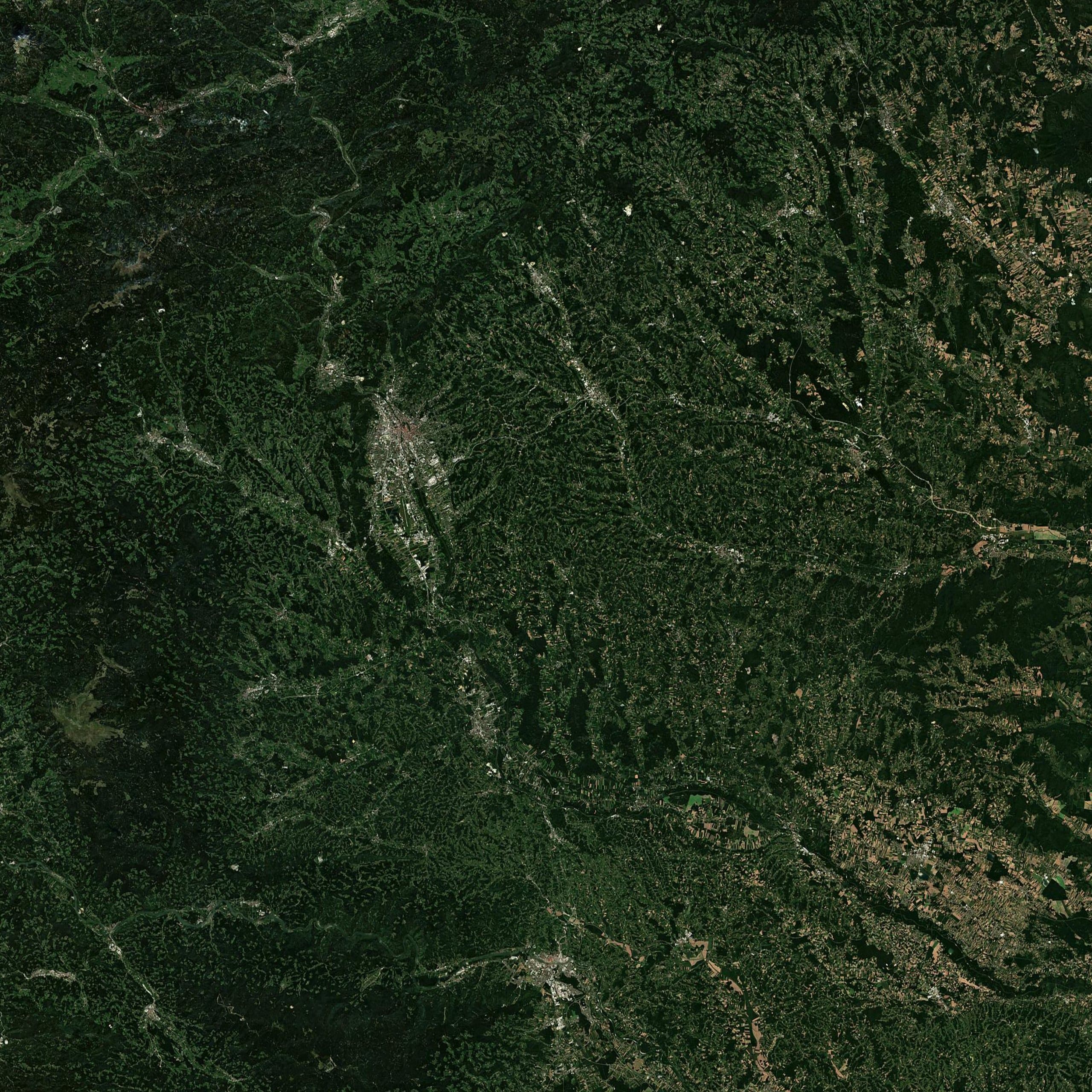
Steirerland
About Steirerland
What Steirerland produces
White
Sauvignon Blanc and Welschriesling lead in Südsteiermark; Pinot Blanc, Chardonnay (Morillon), and Gelber Muskateller are widespread. Vulkanland is celebrated for Traminer and aromatic whites.
Red
Blauer Zweigelt across the umbrella; Vulkanland produces some Pinot Noir; tiny amounts of St. Laurent and field-blends.
Rosé
Schilcher — the iconic tart rosé of Weststeiermark from Blauer Wildbacher, a regional indigenous specialty.
Similar styles
Lands in the same glass.
Like the reds
What it tastes like
Body
Medium
Acidity
Fresh
Tannin
Fine
Oak
A touch of oak
Ripeness
Ripe
Concentration
Medium
Reds
Medium-bodied and fresh, with fine tannin; red fruit, black fruit and a floral lift.
red fruit · black fruit · floral · stony
Body
Lightish
Acidity
Bright
Oak
No oak
Ripeness
Fresh
Concentration
Medium
Whites
On the lighter side and bright; orchard fruit, citrus and tropical fruit.
apple and pear · citrus · tropical · herbal · stony
Cork's estimate.
Climate
Continental with strong Mediterranean and Pannonian influences depending on the DAC. Hot summers, cold winters, and high diurnal range thanks to the eastern Alps to the west and the Pannonian plain to the east. Relatively high rainfall compared to other Austrian zones gives the green, lush landscape its name.
Terroir
Highly varied: limestone-and-schist (Sausal in Südsteiermark), basalt and tuff (Vulkanland), gneiss and slate (Weststeiermark). The shared element is steepness — most quality vineyards are on hillside terraces with great drainage.
Typical Aromas