
Country
Austria
Precision wines from the Danube and beyond
Some of the most precise white wines in the world. Grüner Veltliner along the Danube, Riesling on terraced gneiss, and Blaufränkisch in the warm clay of the Burgenland.
16 DAC
Wine regions
Grüner Veltliner
Top grape
47–48° N
Latitude band
~2.4 M hL
Annual production
Riedenwein
Top tier
Steinfeder / Federspiel / Smaragd
Wachau categories
The country
Why Austria matters
The 1985 antifreeze scandal nearly destroyed Austrian wine. The country responded by writing one of the strictest wine laws in Europe.
Within fifteen years, a generation of growers — Knoll, F.X. Pichler, Bründlmayer, Domäne Wachau — had reinvented Austria as a fine-wine country focused on dry, single-vineyard, low-yield wines. Today Grüner Veltliner sits on the world's best wine lists.
The country produces less than one percent of the world's wine, but a disproportionate share of its most disciplined bottles. And the work has expanded: Burgenland's Blaufränkisch revival, Carnuntum's polished reds, Styria's high-altitude Sauvignon. Austrian wine in 2025 is a country at the top of its game.
What grows here
The signature grapes
The varieties that define Austria. Tap any card to drill into the grape's profile.
The land
Terroir at a glance
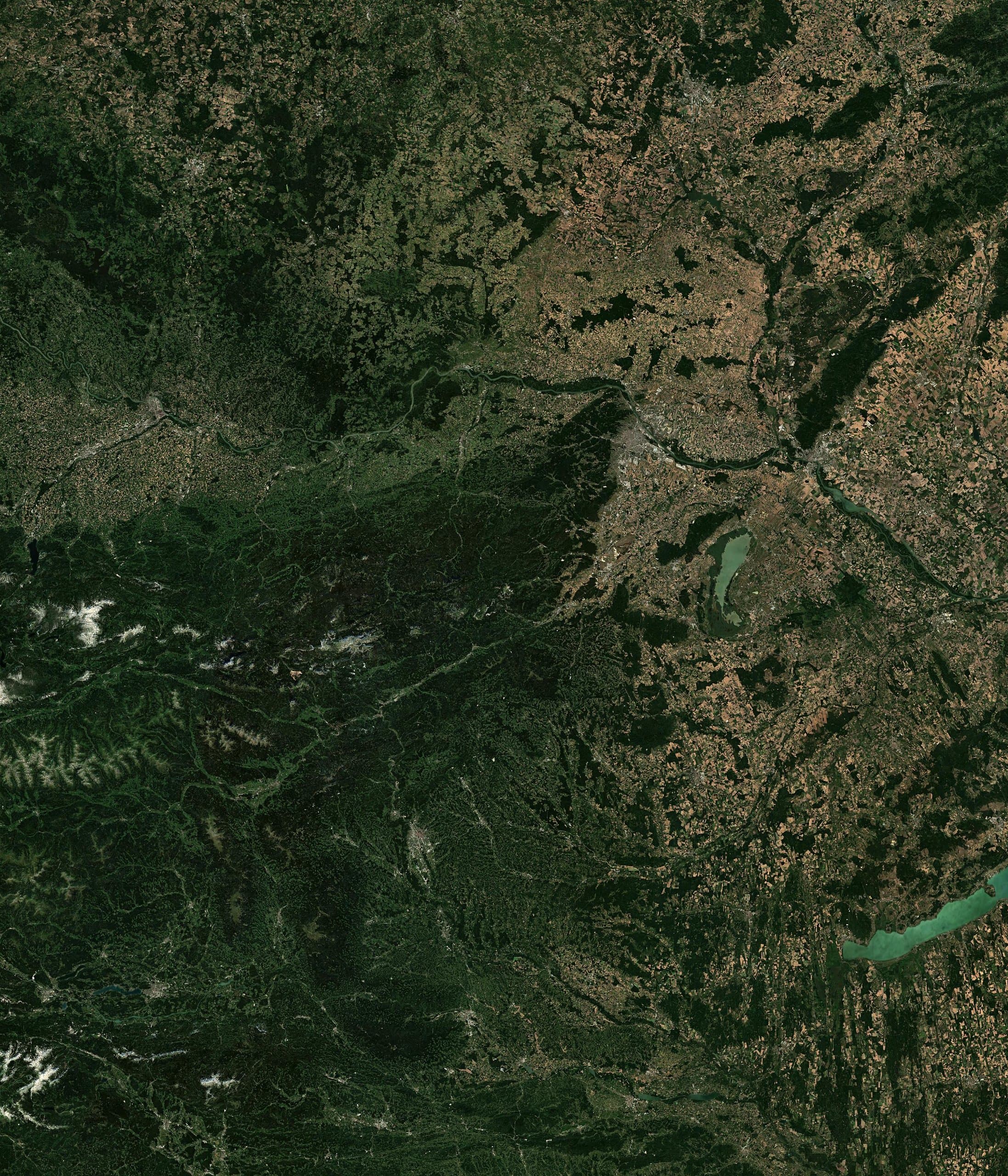
Austria's vineyards cluster in the east, away from the high Alps. Three landscape types do most of the work: river-carved Danube terraces, the warm Pannonian east, and the cool, wet hills of the south.
The Danube terraces
From the Wachau through Kremstal, Kamptal, Traisental and Wagram. South-facing slopes of gneiss, schist, primary rock, and loess, often steep and always cool at night. Riesling and Grüner Veltliner's most serious home.
The Pannonian east
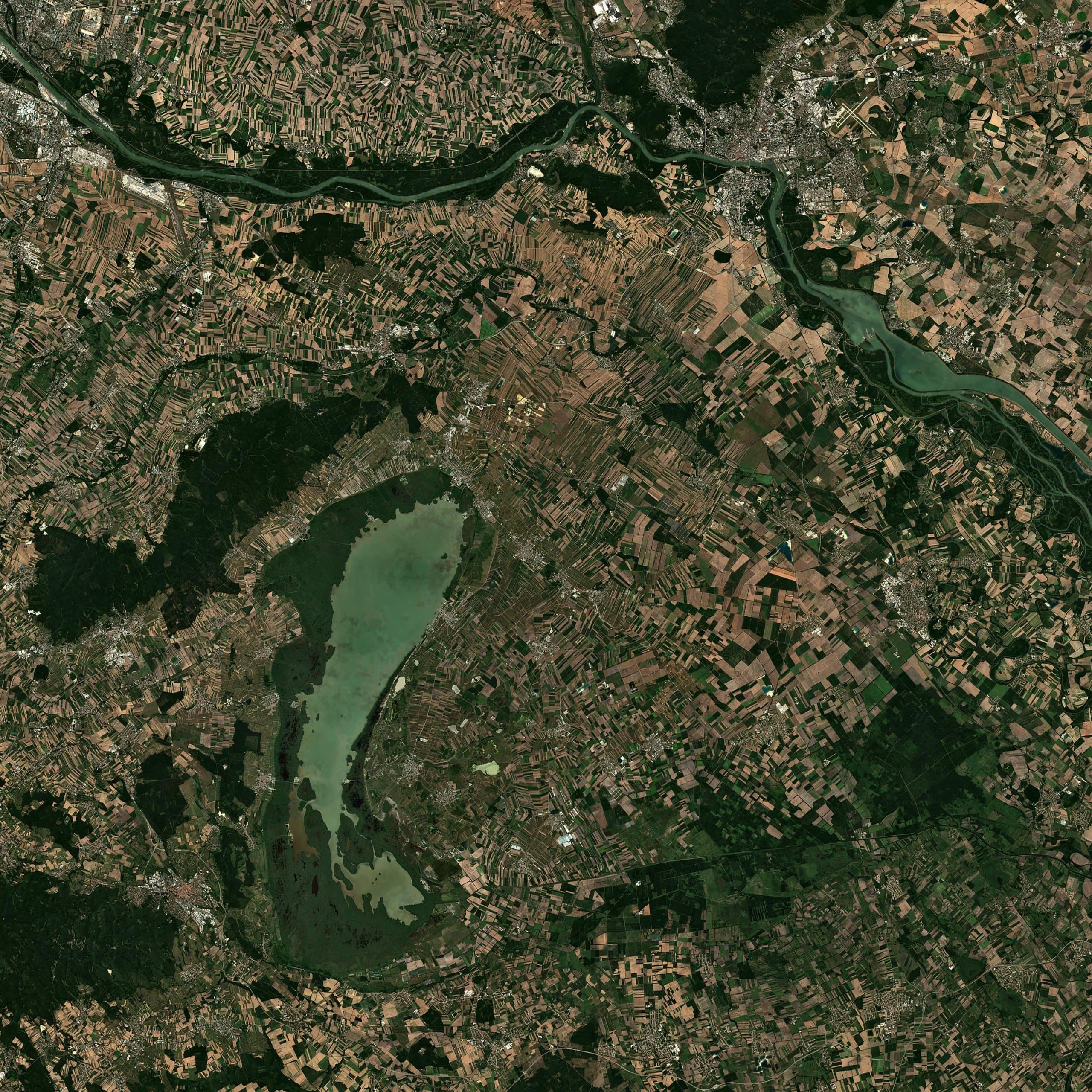
Burgenland borders Hungary and shares its warm, dry climate, with the Neusiedlersee moderating the lowlands. Serious reds in Mittelburgenland and the Eisenberg, plus the country's botrytis sweet-wine heartland around Rust.
Vienna and Carnuntum
Vienna sits on top of working vineyards — the Wiener Gemischter Satz, a field blend co-fermented from one site, is unique to the city. Carnuntum just east is producing some of the most polished Pinot-and-Zweigelt blends in central Europe.
Styrian highlands
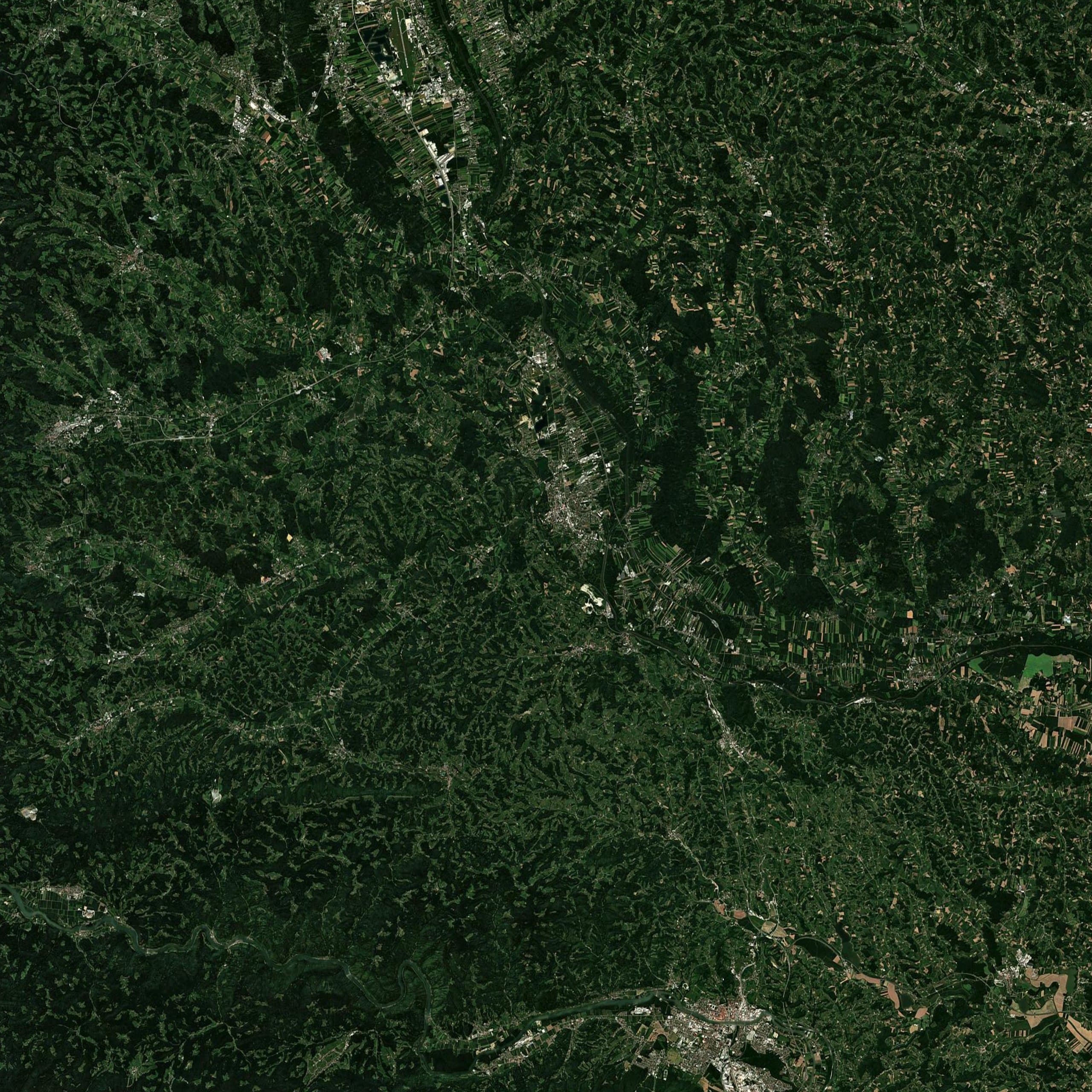
Up in the hills near Slovenia, the climate is cooler, wetter, more continental. Limestone, basalt, and slate. Sauvignon Blanc, Morillon (Chardonnay), and Welschriesling at their most precise.
On the map
The regions worth visiting
Only regions with mapped vineyards and full guides are shown. Each tile leads to its appellations and vintages.
Austria wine regions. Select a region to learn more.
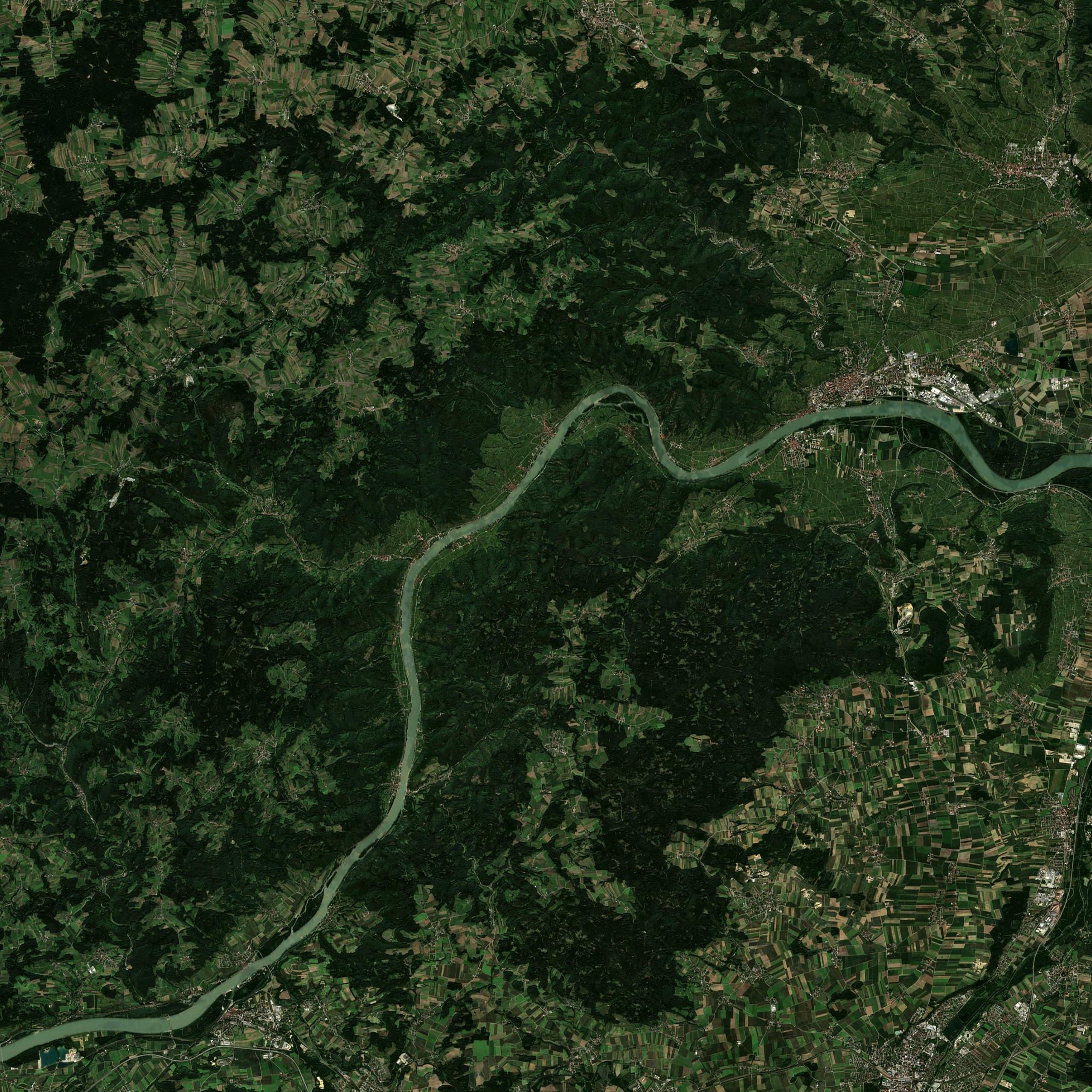
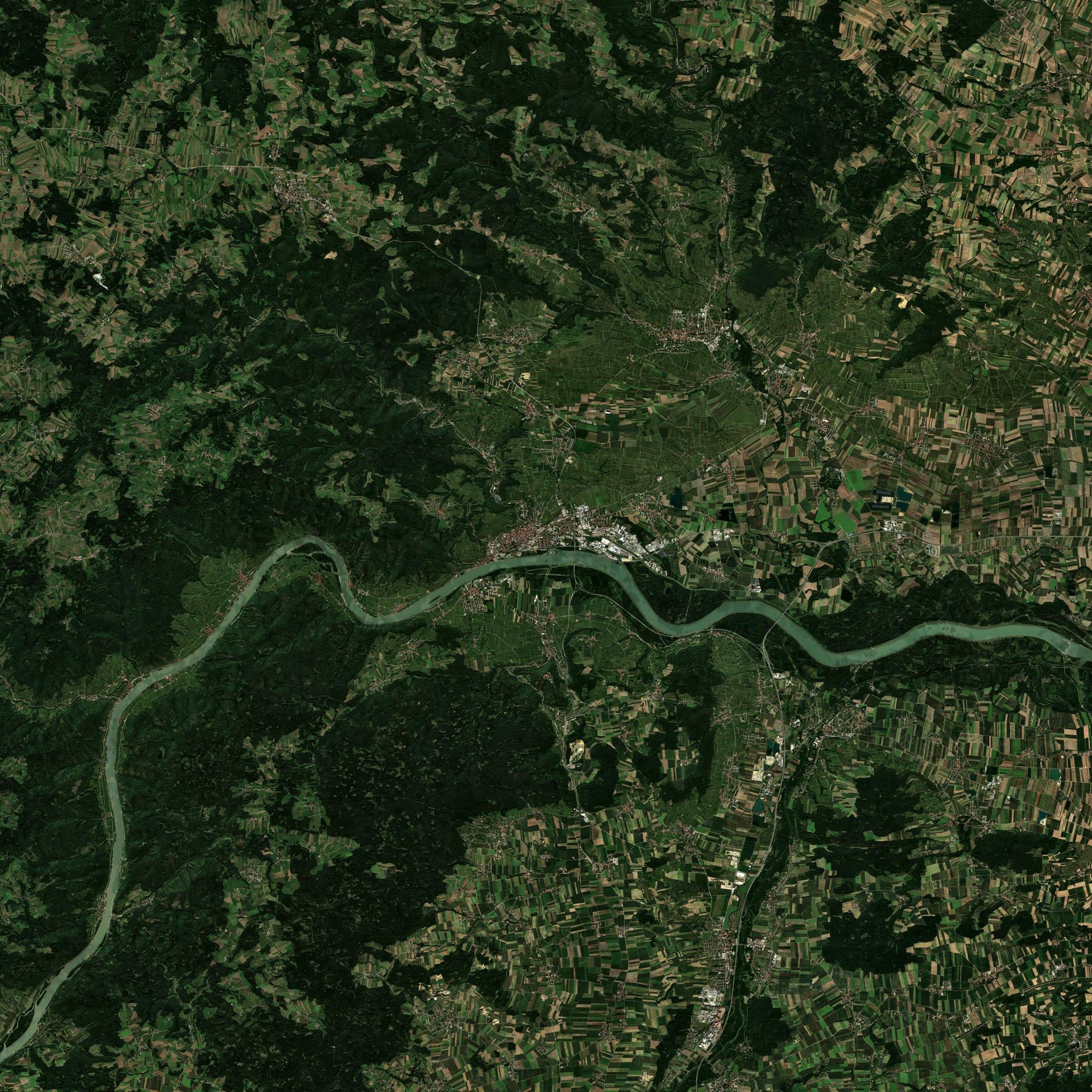
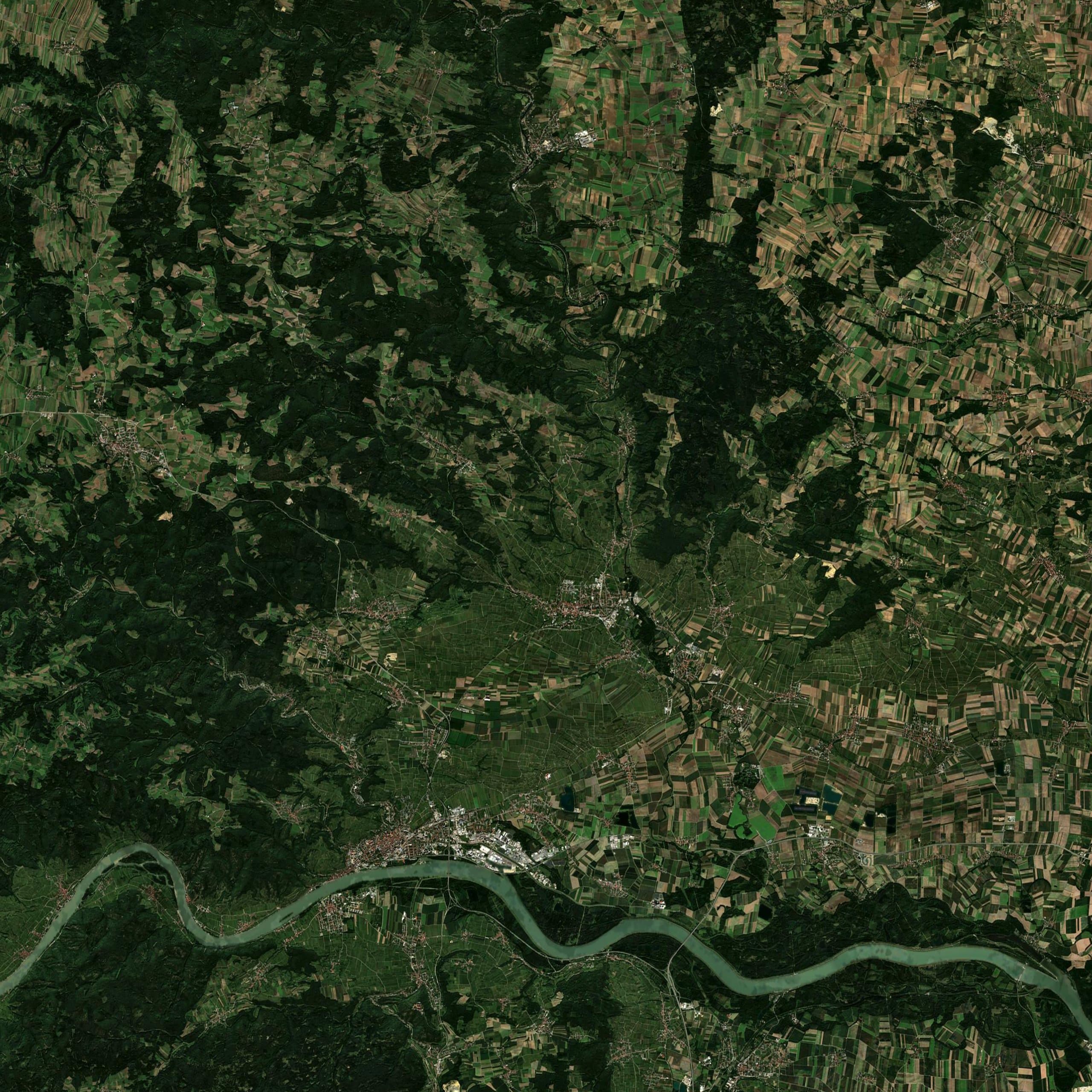
The Danube
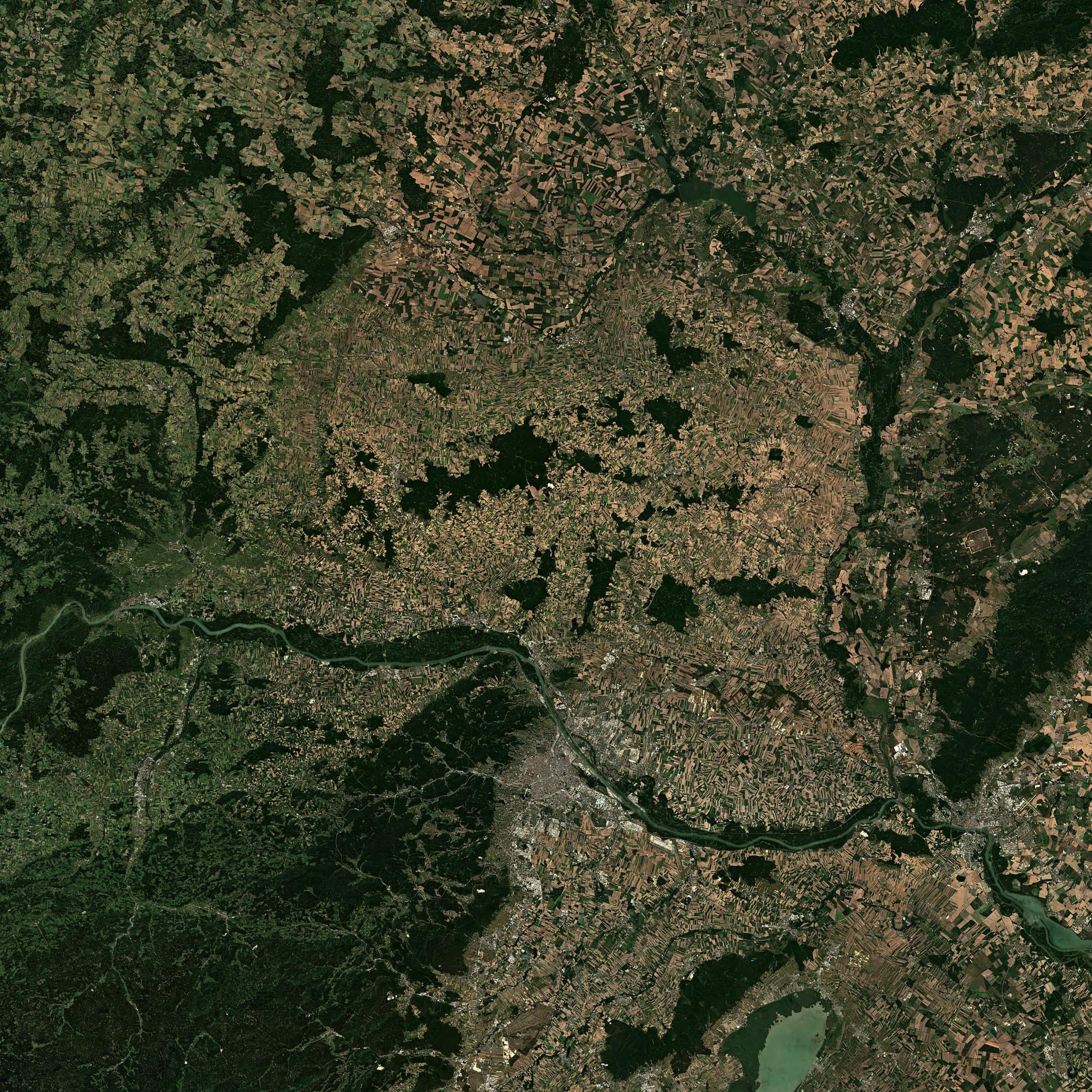
The country's spine. Steep gneiss and loess terraces, Riesling and Grüner Veltliner at their most serious.
Vienna and the east
The Weinviertel is Austria's largest region and the home of peppery, everyday Grüner Veltliner.
Burgenland
The Pannonian east. Blaufränkisch country and Austria's botrytis sweet-wine heartland.
Styria
The cool, wet south. Sauvignon Blanc, Morillon, and Welschriesling on limestone, basalt, and slate.
The system
How wine is classified in Austria
Austria has two parallel systems. The official ripeness ladder, similar to Germany's. And the regional DAC system, which grew out of a desire to anchor wines to place rather than sugar.
- 01
DAC + Riedenwein
Districtus Austriae Controllatus. Each DAC defines its own grapes, styles, and rules. Many add a Burgundy-style hierarchy: Gebietswein (regional) → Ortswein (village) → Riedenwein (single-vineyard).
- 02
Wachau-only categories
Steinfeder, Federspiel, and Smaragd are unique to the Wachau, sorting wines by alcohol level and fruit ripeness. Steinfeder is the lightest, Smaragd the ripest. Style ranking, not quality ranking.
- 03
Prädikatswein
The Germanic ripeness ladder, used mostly for sweet wines: Spätlese, Auslese, Beerenauslese, Trockenbeerenauslese, Eiswein, plus the unique Ausbruch from Rust.
- 04
Qualitätswein and Landwein
The two base regulatory tiers for everyday Austrian wine, with Landwein covering wider regions and slightly looser rules.
A tasting plan
Where to start
Austria is a country of single vineyards. The fastest way to understand it is to taste the same producer at three tiers — Gebietswein, Ortswein, Riedenwein — and watch the wine concentrate.
Start here
Three textbook bottles that show the country's range — white, white, and red — without committing to a single style.
Wachau Federspiel Grüner Veltliner
Wachau · Grüner Veltliner
'Federspiel' is the Wachau's middle ripeness tier — sitting between the lightest (Steinfeder) and the richest (Smaragd). White pepper, citrus, and the freshness that makes Grüner Veltliner one of the world's great food wines.
Kamptal Riesling Reserve
Kamptal · Riesling
Austrian Riesling is almost always bone-dry, unlike its often off-dry German cousin. Kamptal sits on terraced slopes along the Danube and produces some of the country's most mineral, structured dry Rieslings.
Mittelburgenland Blaufränkisch
Mittelburgenland · Blaufränkisch
Tart cherry, black pepper, savoury length. Textbook for what central-European reds can do.
Go deeper
Step into the single-vineyard tier — the part of Austrian wine that argues for itself.
Wachau Smaragd
Wachau · Grüner Veltliner
The Wachau's top alcohol-and-ripeness category. Concentrated, structured, drinks well at fifteen years.
Styrian Sauvignon Blanc Erste STK
Südsteiermark · Sauvignon Blanc
'STK' is the Styrian growers' quality association, and 'Erste STK' marks its top single-vineyard tier. High-altitude, gently oaked Sauvignon Blanc that drinks closer to white Burgundy than to a punchy New Zealand version.
Vienna Gemischter Satz, single vineyard
Wien · Field blend
Multiple white grapes co-planted and co-fermented on a single Vienna hillside. A category that exists nowhere else.
For the curious
Austria's most serious bottles. Each can age for decades and shows up on the wine lists of the country's best restaurants.
Wachau / Kamptal Riedenwein, top producer
Wachau / Kamptal · Riesling or Grüner Veltliner
'Riedenwein' is Austria's top tier — wine from a single named vineyard (a 'Ried'). F.X. Pichler in the Wachau and Bründlmayer in the Kamptal are the benchmark producers. Cellar at least ten years.
Eisenberg or Leithaberg Blaufränkisch
Burgenland · Blaufränkisch
Blaufränkisch (a peppery, structured red grape) at its most ambitious, from iron-rich slate slopes near the Hungarian border. Wachter-Wiesler and Moric lead the work — these wines age for twenty years.
Ruster Ausbruch
Rust · Various sweet white
Austria's unique noble-sweet category, made around the town of Rust on Lake Neusiedl in eastern Burgenland. Botrytis-affected grapes (the same 'noble rot' that makes Sauternes), fifty-year cellar life, and a tradition going back to the seventeenth century.
At the table
Wine and food in Austria
Austrian wine drinks at the Heuriger — the working-vineyard tavern where growers pour their own current vintage alongside cold cuts, schmaltz bread, and roast pork. The pairing instinct is acidity-led: a young Grüner cuts through schnitzel, a Riesling Federspiel works with river fish.
Frequently Asked Questions
What does Smaragd mean on a Wachau label?▼
Is Austrian Riesling sweet?▼
What is a DAC?▼
Why do you see vineyard names everywhere on Austrian labels?▼
Are Austrian reds worth tracking?▼
What's a Heuriger?▼
Keep exploring