CorkCork
Patagonia

Argentina

Patagonia

PatagoniaPatagonia

Argentina wine regions

About Patagonia

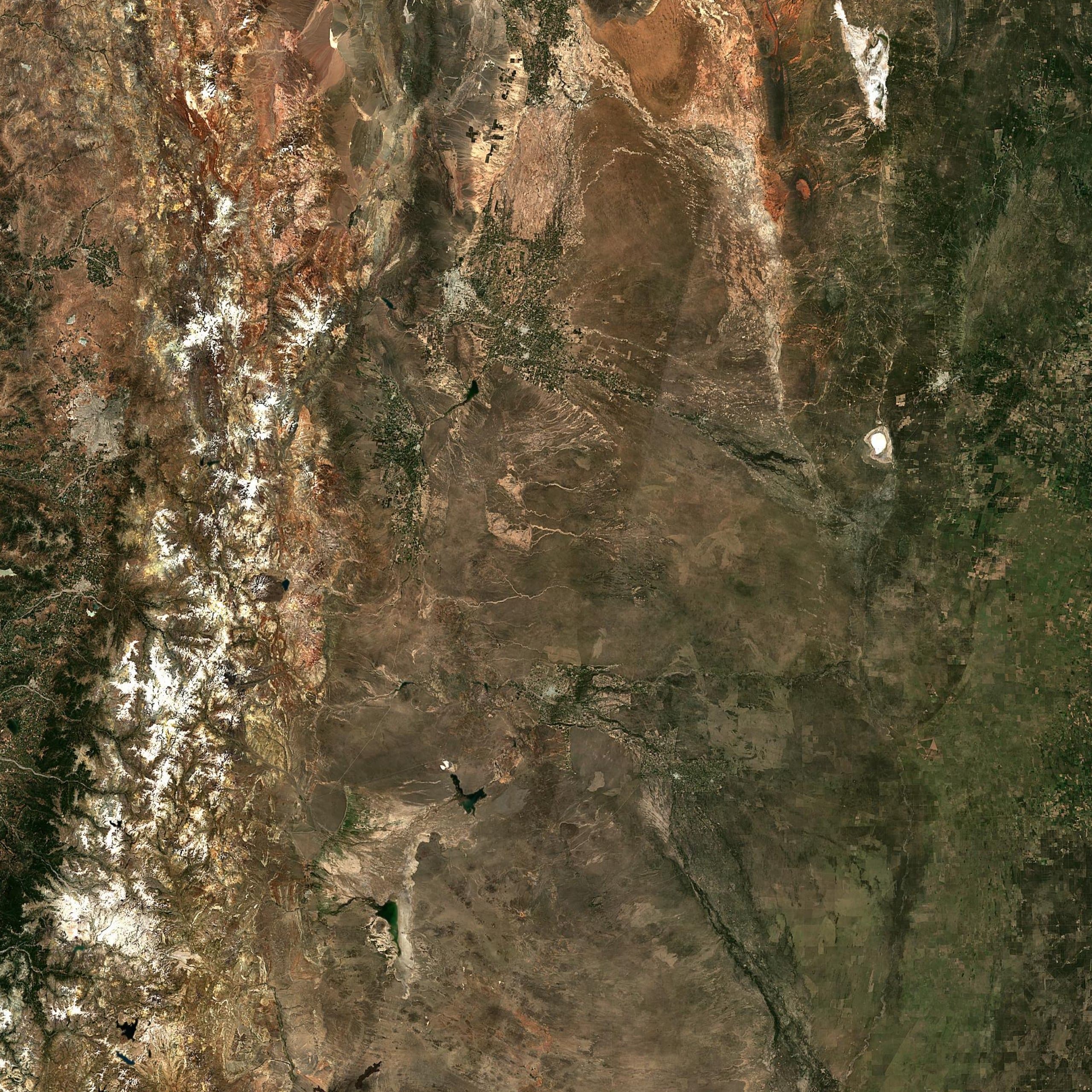
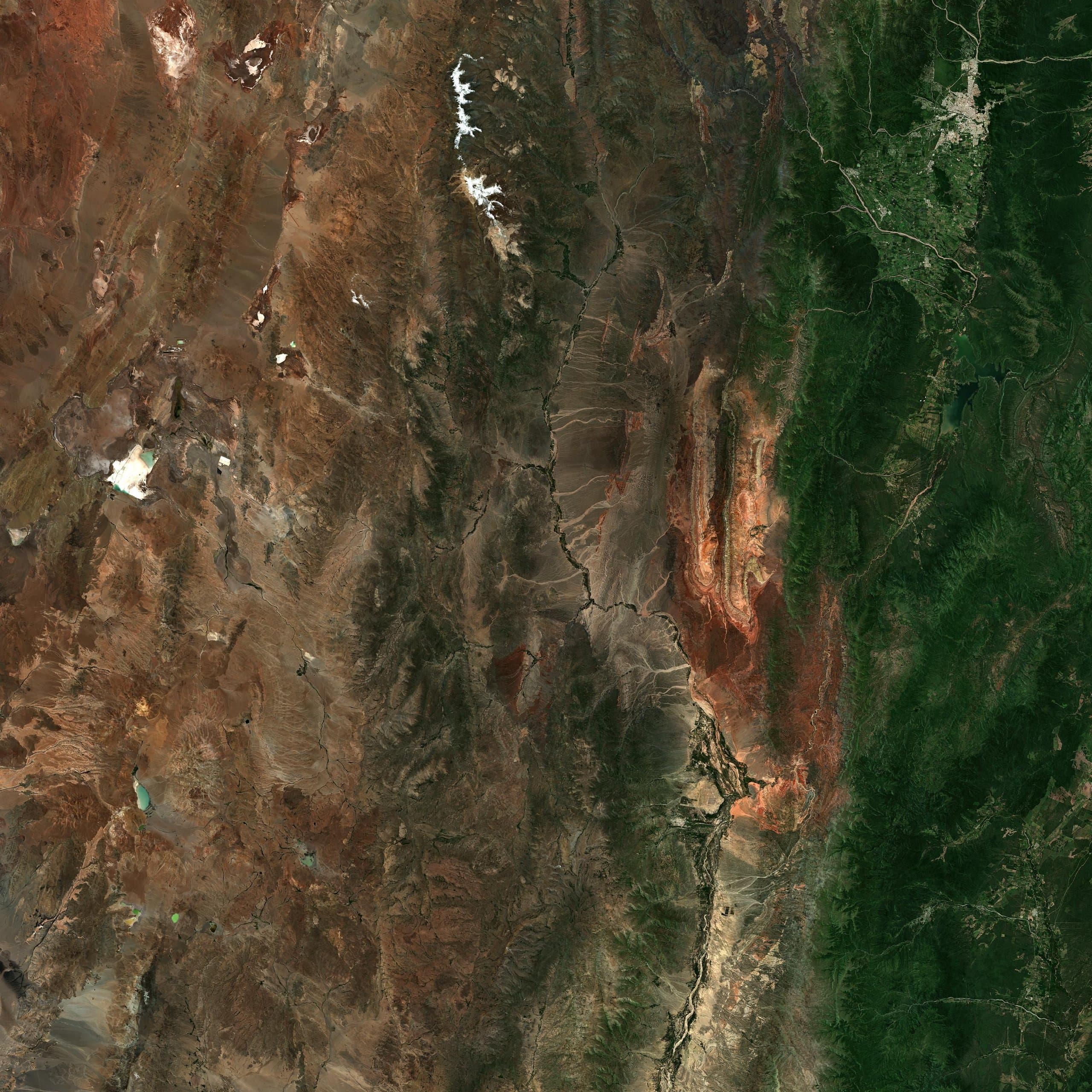
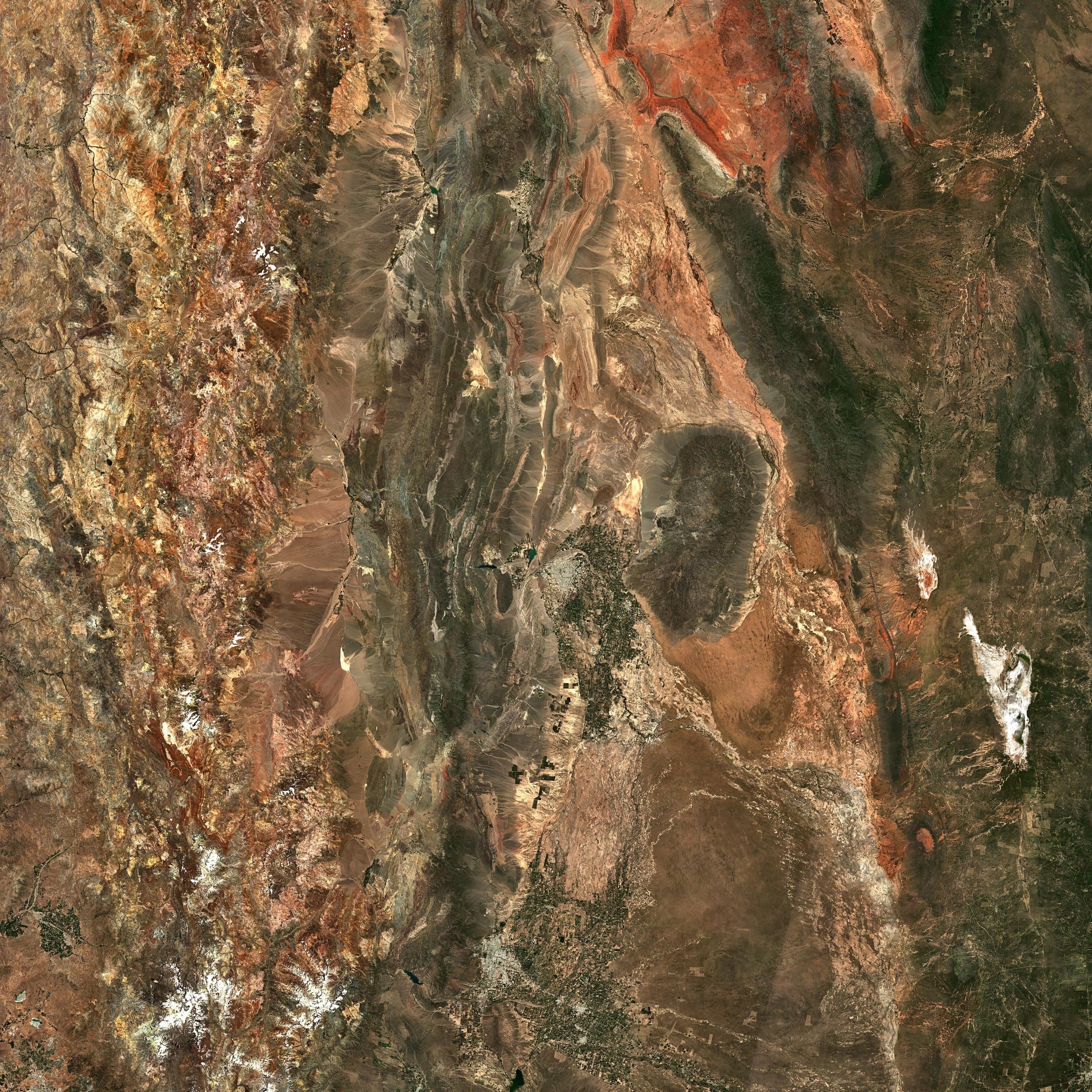
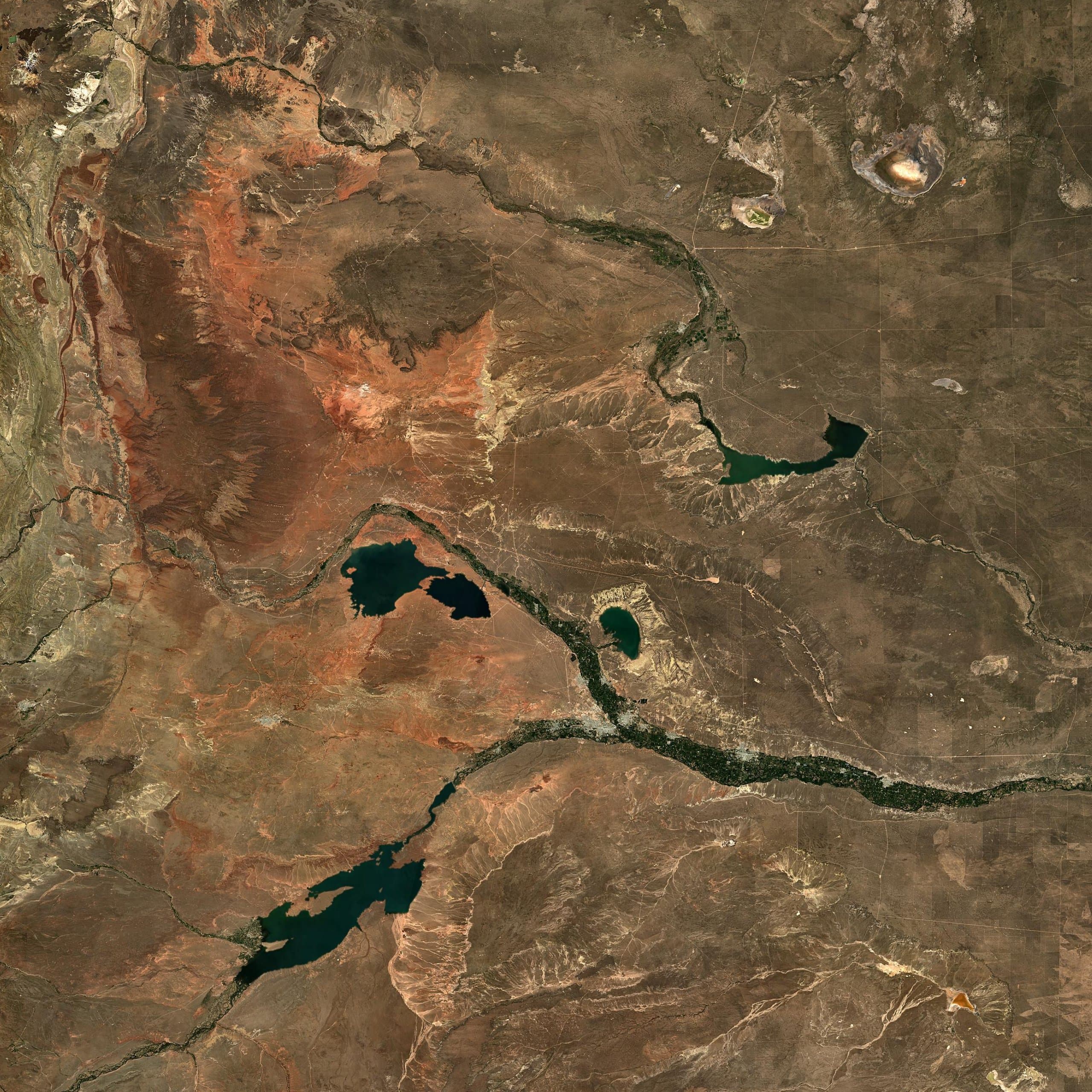
Patagonia is Argentina's cool southern frontier, where the Río Negro and Neuquén valleys cut green ribbons through the desert steppe. The Alto Valle del Río Negro has grown wine for over a century, and its old vines, chalky soils, and long, windy ripening season produce Argentina's most elegant wines: perfumed Pinot Noir, fine-boned Malbec, and remarkable old-vine Sémillon. Bodega Chacra, built around Pinot Noir parcels planted in 1932 and 1955, and Noemía's old Malbec put the region on the world map, while Neuquén's San Patricio del Chañar, planted from 1999, adds a modern counterpoint. The constant wind keeps the fruit thick-skinned and healthy.

Vintages

12 · 2014–2025

Rating:
95+
90-94
85-89
80-84
<80
PeakReadyHold
Year202520242023202220212020201920182017201620152014
Red

Outstanding Patagonia Vintages

The best recent vintages rated excellent or exceptional.

Red

2025

Almost ready
92Excellent

A promising vintage of perfumed, energetic reds; the long season delivered ripeness without weight.

2027Peak 2029–20332036

2024

Ready
91Excellent

Very good, classic Patagonia: bright, savoury Pinot Noir and fresh, fine-boned Malbec from a patient season.

2026Peak 2028–20322035

2023

Ready
90Excellent

A small but fine harvest; the drought year gave concentrated wines that kept their southern freshness.

2025Peak 2027–20312033

2022

At peak
92Excellent

Excellent, expressive reds; Pinot Noir with dark-cherry depth and fine, dusty tannin from the chalky soils.

2024Peak 2026–20312034

2021

At peak
93Excellent

A superb, slow vintage: the long cool season produced the region's hallmark style at its best, perfumed, precise, and age-worthy.

2023Peak 2026–20322035

2020

At peak
91Excellent

A warmer year gave generous, silky reds with more flesh than usual while the wind kept them clean and fresh.

2022Peak 2024–20292032

2019

At peak
92Excellent

One of the finest southern vintages of the decade, with complete, savoury reds built on fresh acidity.

2021Peak 2023–20302033

2018

At peak
91Excellent

Excellent balance across the valleys: perfumed Pinot Noir with depth and Malbec of unusual finesse.

2020Peak 2022–20292031

2017

At peak
90Excellent

A small crop of intense, finely structured reds; old-vine Malbec was particularly striking.

2019Peak 2021–20272029

Valleys & Departments

Classification System

Patagonia is itself a protected Geographic Indication spanning Río Negro and Neuquén, and the province name on the label is the first quality cue. Old-vine parcels in the Alto Valle increasingly appear as named single vineyards.

Single Vineyard

Named old-vine parcel, like Chacra's 1932 plantings

Province GI

Río Negro or Neuquén

GI Patagonia

The umbrella designation for the whole region

What Patagonia produces

Red

Perfumed Pinot Noir and cool-climate Malbec with fine tannins and savoury depth.

White

Old-vine Sémillon and taut Chardonnay shaped by wind and a long, slow season.

Grapes of Patagonia

Climate

Cool continentalWindyLong growing seasonLow humidityDry

Cool, dry continental climate at the 39th parallel south. The growing season is long and slow, with big day-night swings, low humidity, and a near-constant wind that stresses the vines and keeps disease away. Frost in spring and autumn frames a season that rewards patience.

Terroir

Chalky soilsCalcareous subsoilAlluvial gravelRiver terraces

Ancient river terraces above the Río Negro and Neuquén rivers: alluvial gravel and sand over distinctive chalky, calcareous subsoils that give the wines their fine, dusty texture. The flat valley floors are framed by bare steppe cliffs, with poplar windbreaks sheltering the oldest farms.

Typical Aromas

sour cherryraspberryrose petalforest floorwhite pepperwet stone
Explore the aroma wheel

More in Argentina

Frequently Asked Questions

What makes Patagonian wine special?▼
Patagonia is Argentina's cool southern frontier, and its wines are the country's most elegant. The Río Negro and Neuquén valleys sit at the 39th parallel south, where a long, slow season, chalky soils, and near-constant wind produce perfumed Pinot Noir, fine-boned Malbec, and remarkable old-vine whites. If Mendoza is about power at altitude, Patagonia is about finesse at the edge of the wine world.
What grapes grow in Patagonia?▼
Pinot Noir is the star, silky and savoury in a way few New World regions manage. Malbec turns cooler and more red-fruited here than in Mendoza, with fresh acidity and fine tannins. The sleeper is Sémillon: old plantings from the mid-1900s in Río Negro give waxy, citrusy whites of surprising depth, and there is taut Chardonnay and aromatic white to explore too.
What is the difference between Río Negro and Neuquén?▼
Río Negro is the historic heart, farmed since the early 1900s, with old vines, chalky soils, and a century of family farming in the Alto Valle. Neuquén is the modern face: San Patricio del Chañar was planted from 1999 with ambitious, well-equipped estates. Broadly, Río Negro offers old-vine depth and perfume, while Neuquén brings a slightly warmer, more polished style.
Which producers should I know in Patagonia?▼
Bodega Chacra in Río Negro, built around Pinot Noir parcels planted in 1932 and 1955, is the region's icon, and its neighbour Noemía makes profound old-vine Malbec. Humberto Canale is the historic house of the Alto Valle, while in Neuquén, Bodega del Fin del Mundo and Familia Schroeder show the modern style. Matías Riccitelli's old-vine Sémillon is a lovely introduction to Patagonian white.
What are the best Patagonia vintages?▼
2021 is the recent high point, a long, cool season that captured the region's perfumed, precise style at its best. 2019 and 2022 are both excellent, and 2018, 2020, and 2024 all delivered very good wines. Even in warmer years like 2020, the southern wind and cool nights keep the wines fresh.
What food pairs well with Patagonian wines?▼
Patagonian lamb, slow-roasted over fire, with Pinot Noir is one of Argentina's great regional pairings. The Pinots also love grilled trout, mushroom risotto, and game like wild boar or venison. Old-vine Sémillon is wonderful with river fish and soft cheeses, and the cooler-style Malbec suits everything from roast poultry to a classic asado.

Map data: Instituto Geográfico Nacional de la República Argentina (IGN)