
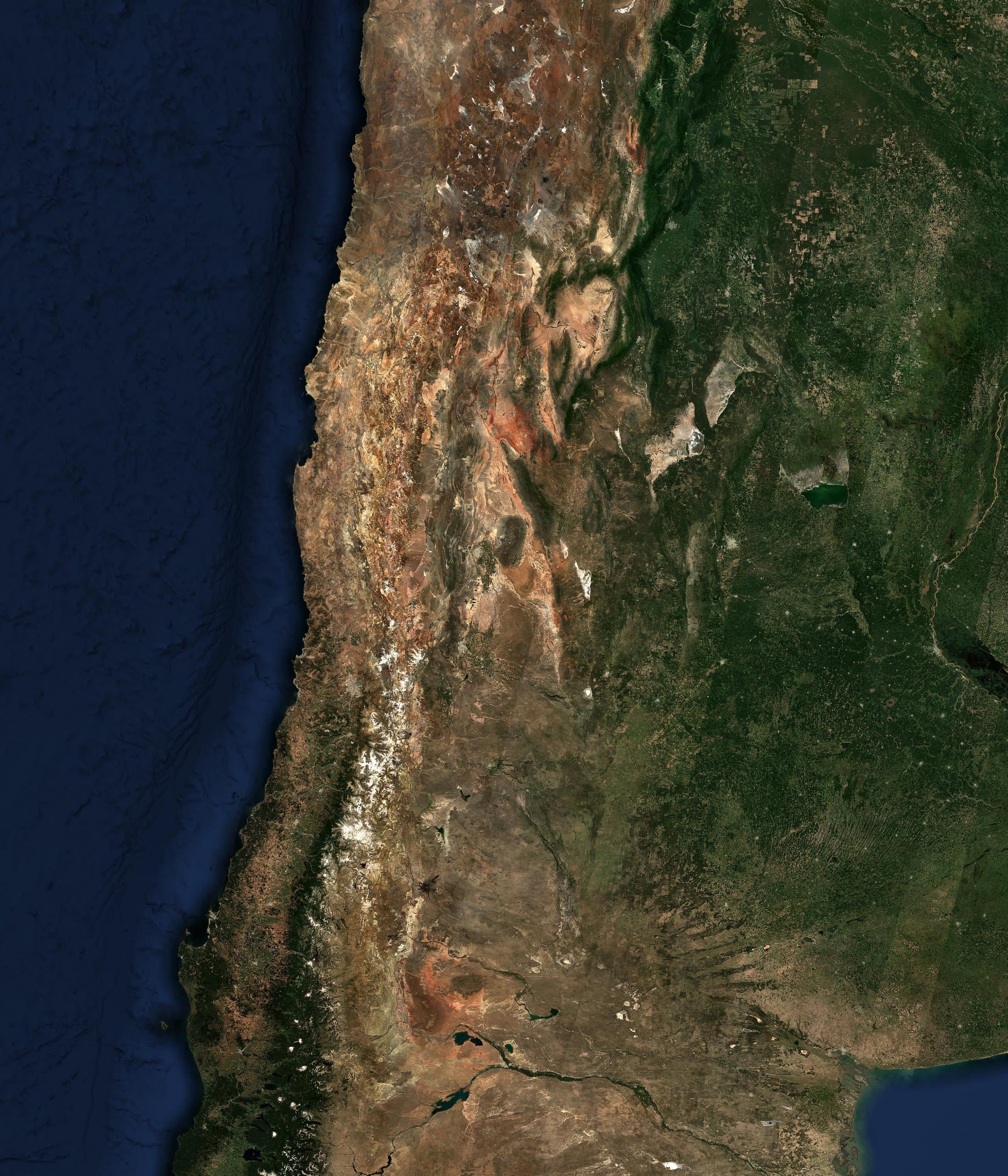
Country
Argentina
Malbec, altitude, and desert light
A desert wine country that farms the slopes of the Andes. Argentina took a fading French grape, planted it a mile above sea level, and turned altitude itself into a style.
~200,000 ha
Under vine
5th largest producer
Global rank
Malbec
Signature red
Torrontés
Native white
600 to 3,300 m
Vineyard altitude
2 DOCs, 100+ IGs
Top designations
The country
Why Argentina matters
Malbec was a blending grape in decline at home in Cahors when a cutting reached Mendoza in 1853. In the sunlight and thin air of the Andean foothills it became something else entirely: darker, plusher, floral, with tannins polished by intense ultraviolet light and cold desert nights. No other country has so completely adopted an immigrant grape.
The deeper story is altitude. Argentine growers talk about elevation the way Burgundians talk about villages, because a few hundred metres up the slope changes everything: temperature, light, soil. Vineyards run from around 600 metres near Maipú to over 3,300 metres in Jujuy, the highest serious vineyards on earth.
And the bench is wider than Malbec. Torrontés is a genuinely native white, Bonarda a rediscovered workhorse, Patagonia a source of fine Pinot Noir, and the old Criolla varieties are being rescued by a new generation.
What grows here
The signature grapes
The varieties that define Argentina. Tap any card to drill into the grape's profile.
The land
Terroir at a glance
Almost every Argentine vineyard is a desert made farmable. Rainfall is scarce, the sun is relentless, and the vines live on snowmelt channelled down from the Andes. What varies, dramatically, is how high up the mountain you plant.
High desert and meltwater
Mendoza receives around 200 millimetres of rain a year, less than most of the Sahara's edge. Vines survive on irrigation channels fed by Andean snowmelt, a network that predates the wineries themselves. The payoff for all that dryness is near-total control: healthy fruit, tiny disease pressure, and sunshine through the whole growing season.
The altitude ladder
Elevation is Argentina's version of terroir. Every 100 metres of climb drops the temperature and sharpens the light, so growers pick their style by picking their altitude: warm, generous Malbec around 800 metres in Luján de Cuyo, taut and mineral fruit at 1,400 metres in Gualtallary, and extreme skin thickness and perfume above 3,000 metres in Salta and Jujuy.
Limestone in the Uco Valley
The Uco Valley's most coveted sites, Paraje Altamira and Gualtallary among them, sit on alluvial soils shot through with calcium carbonate. Winemakers like Sebastián Zuccardi credit these chalky pockets for a new kind of Malbec: paler, firmer, more saline, closer in spirit to fine Burgundy than to the plush style that made the grape famous.
Zonda, hail, and Patagonian wind
The weather that shapes Argentine wine is dramatic. The zonda, a hot dry wind that pours down off the Andes, can stress vines and shrink yields in a single afternoon. Summer hailstorms are feared enough that top vineyards sit under protective netting. Down in Patagonia the wind blows almost constantly, thickening skins and keeping the Pinot Noir honest.
On the map
The regions worth visiting
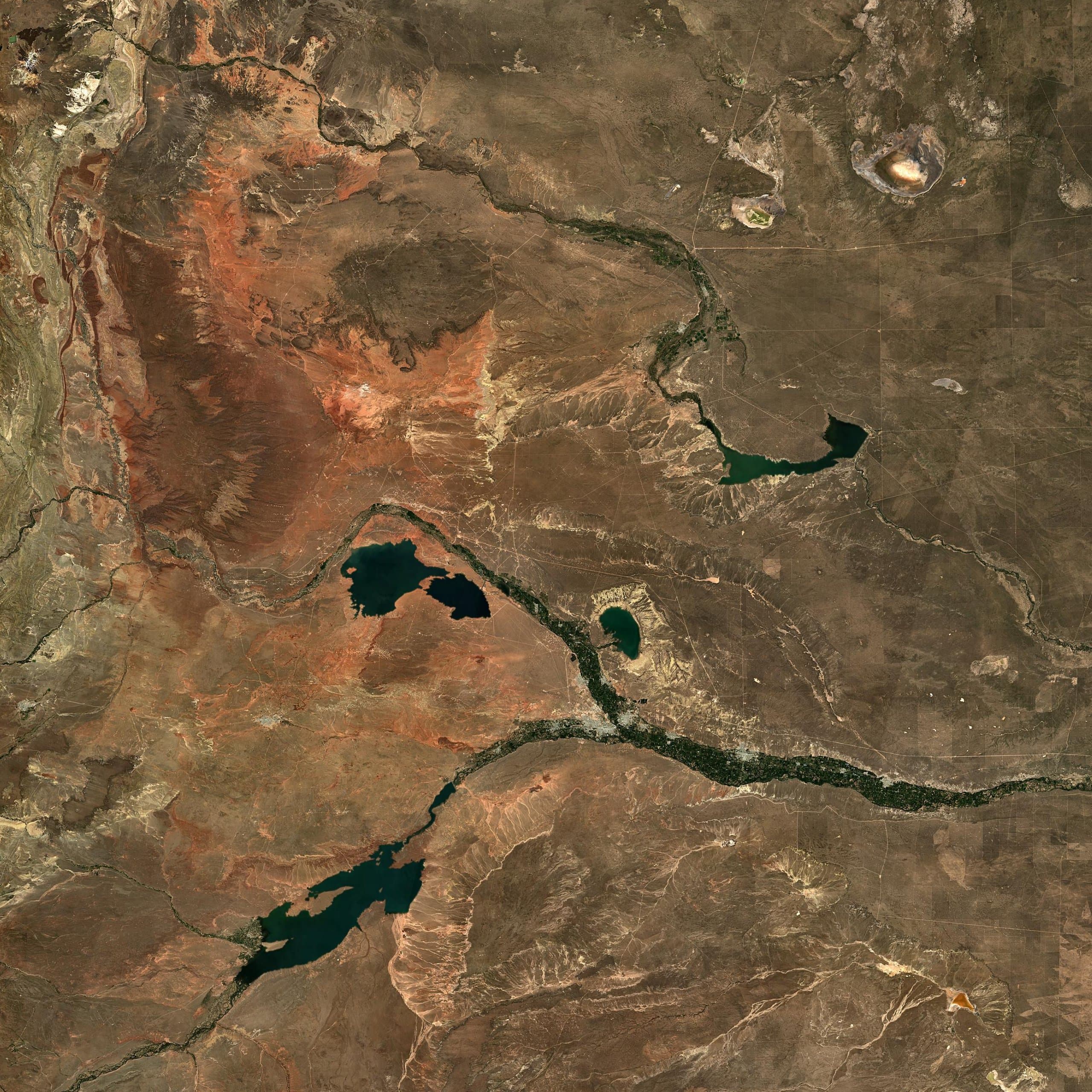
Only regions with mapped vineyards and full guides are shown. Each tile leads to its appellations and vintages.
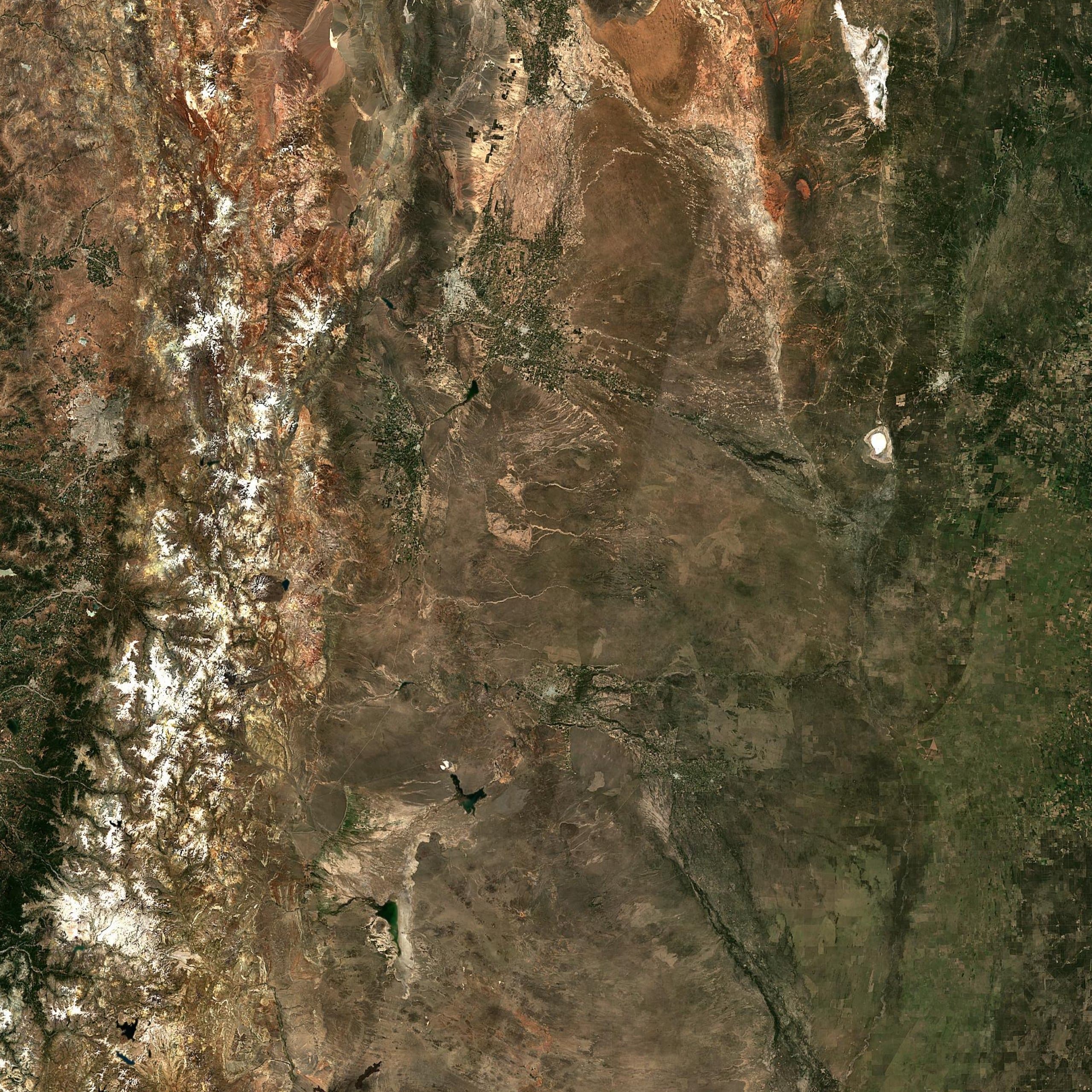
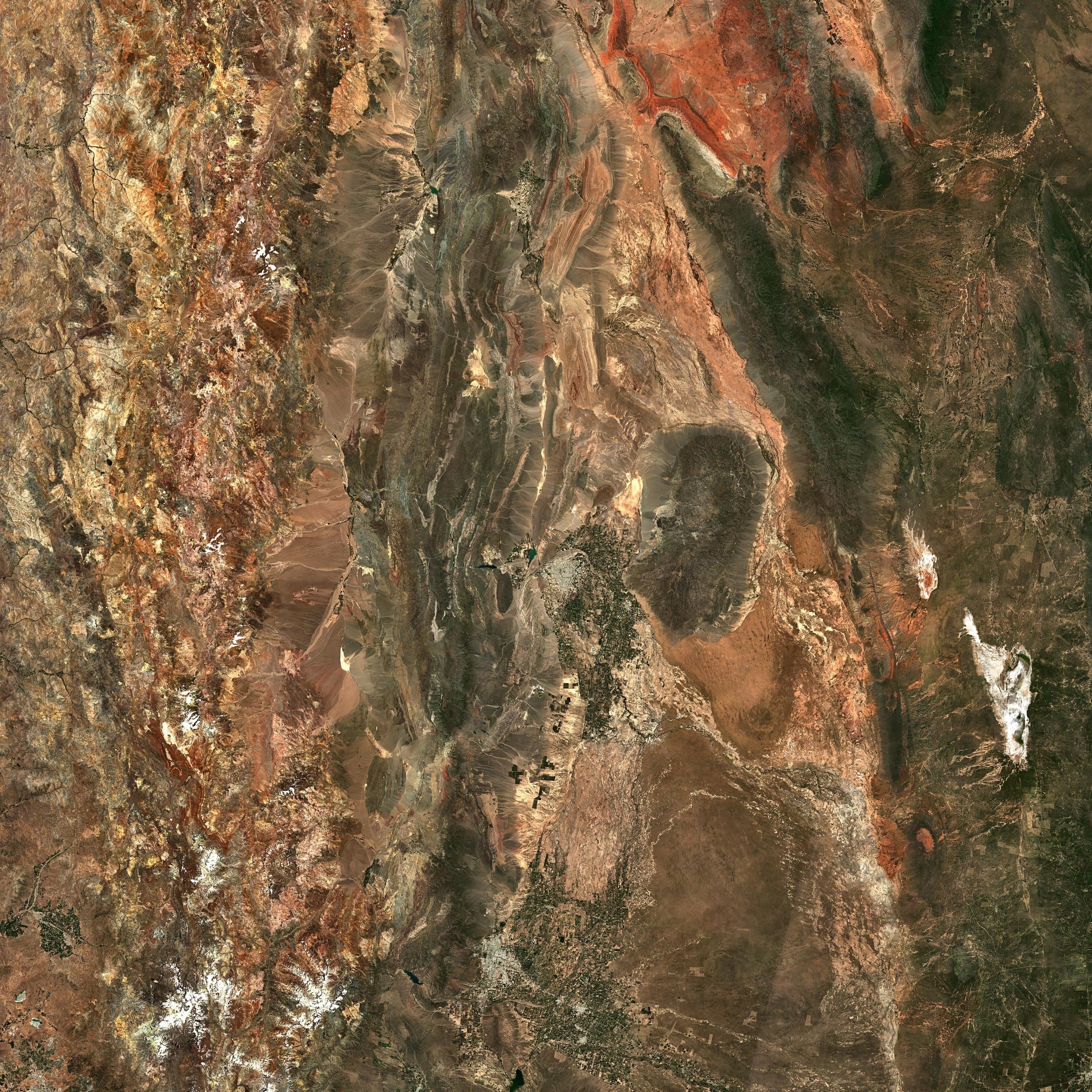
Cuyo heartland
The engine room. Mendoza alone holds roughly seventy percent of the country's vineyards, from historic Luján de Cuyo to the high Uco Valley. San Juan, hotter and drier, does serious Syrah and is the centre of the Criolla revival in the Calingasta Valley.
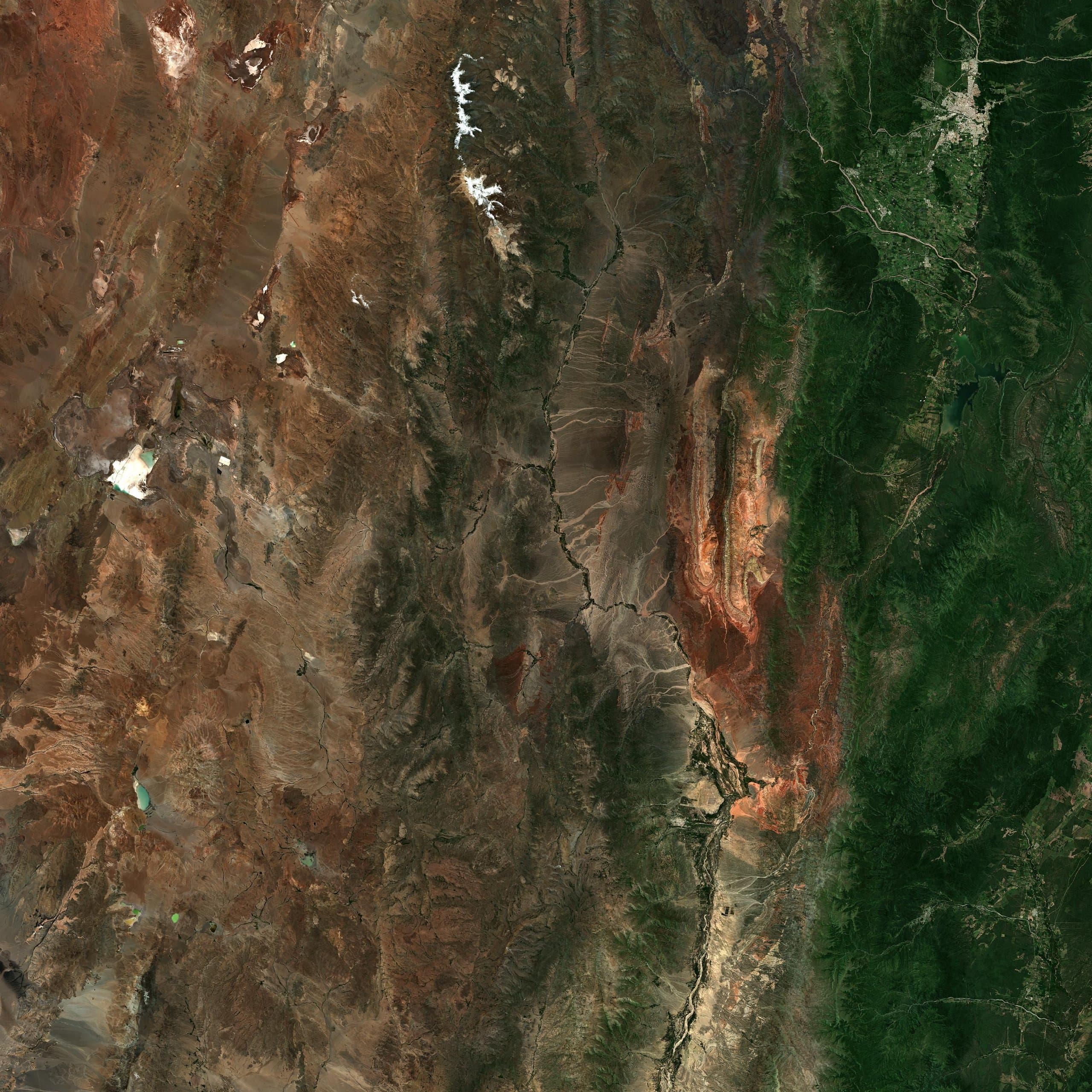
The high north
The Calchaquí Valleys push vineyards to extremes: Cafayate at 1,700 metres, Colomé's plantings above 3,000. Intense sun and cold nights give Torrontés its perfume and Malbec an almost savage concentration.
Patagonia
The cool southern frontier. Río Negro and Neuquén trade altitude for latitude: low, windswept valleys where Pinot Noir, Malbec, and Semillon ripen slowly into wines of freshness and restraint.
The system
How wine is classified in Argentina
Argentina's system is young and pragmatic. Most quality wine is labelled by geography under the IG system, a pyramid that has been getting steadily more precise as growers map out smaller and smaller parcels of the Uco Valley.
- 01
DOC
Denominación de Origen Controlada, the strictest tier, with rules on variety, yields, and ageing. Only two exist: Luján de Cuyo, created in 1993 for Malbec, and San Rafael in southern Mendoza. Many top producers skip the DOC and rely on vineyard names instead.
- 02
IG (Indicación Geográfica)
The workhorse designation, guaranteeing geographic origin from whole provinces down to single districts. The interesting action is at the small end: IGs like Paraje Altamira and Los Chacayes were drawn from soil studies, the closest thing the New World has to appellations mapped Burgundy-style.
- 03
The fine print
A varietal label requires at least 85 percent of the named grape. Reserva and Gran Reserva indicate minimum ageing (a year and two years for reds, respectively), though in practice producer reputation and vineyard name tell you far more than either word.
A tasting plan
Where to start
Argentina rewards climbing. Start on the valley floor with the friendly classics, move up into the Uco Valley's chalky parcels, and finish at the extremes: the far south and the very high north.
Start here
Three wines that show why Argentina became a favourite table companion around the world: generous, aromatic, and honest about what they are.
Luján de Cuyo Malbec
Mendoza · Malbec
The classic style from Malbec's Argentine homeland: dark plum, violets, a plush middle, and tannins soft enough to enjoy tonight. Old-vine districts like Agrelo and Vistalba set the benchmark, and the quality floor here is remarkably high.
Cafayate Torrontés
Salta · Torrontés
Argentina's own white grape from a high desert valley in the far north. The nose promises sweetness, all roses and orange blossom, then the palate lands dry and fresh. One of the most distinctive inexpensive whites anywhere.
Old-vine Bonarda
Mendoza · Bonarda
The country's second red, long hidden in blends and now proudly on its own label. Juicy black cherry and soft spice, lighter on its feet than Malbec, and a lovely match for a casual asado.
Go deeper
Climb into the Uco Valley and head south to Patagonia. Same country, completely different weight and cut.
Gualtallary or Altamira Malbec
Mendoza · Malbec
High-altitude, limestone-influenced Malbec from the Uco Valley's most studied parcels. Firmer, fresher, and more floral than the valley-floor style, with a chalky grip on the finish. Zuccardi and Catena Zapata are reliable guides to the difference altitude makes.
Río Negro Pinot Noir
Patagonia · Pinot Noir
Patagonia's cool, windy Río Negro valley grows Pinot on vines planted as far back as the 1930s. Bodega Chacra, founded by a member of the Sassicaia family, makes the reference wines: perfumed, silky, and startlingly Burgundian in feel.
Uco Valley Cabernet Franc
Mendoza · Cabernet Franc
The grape Argentine winemakers get most excited about right now. At altitude it keeps its herbal lift and adds fine tannin and dark fruit. A good one alongside a Malbec from the same producer is a fascinating comparison.
For the curious
The extremes: single parcels farmed like grand crus, vines above 3,000 metres, and the revival of the grapes Argentina started with.
Single-parcel Uco Malbec
Mendoza · Malbec
The country's most ambitious wines are now mapped rock by rock. Zuccardi's Finca Piedra Infinita in Paraje Altamira, Catena Zapata's Adrianna Vineyard in Gualtallary, and Achaval-Ferrer's old-vine fincas each argue that Malbec can carry site the way Pinot does.
Extreme-altitude Salta red
Salta · Malbec
Colomé farms some of the highest vineyards on earth in the Calchaquí Valleys, topping out above 3,000 metres. Ferocious sun and freezing nights produce deeply coloured, intensely perfumed reds unlike anything grown at sea level.
Criolla revival wine
San Juan · Criolla Chica
The pale, thin-skinned Criolla grapes arrived with missionaries centuries ago and were long dismissed as jug-wine material. Projects like Cara Sur in the Calingasta Valley now coax delicate, crunchy, almost Pinot-like reds from ancient vines. Argentina's history in a glass, and its most fashionable niche.
At the table
Wine and food in Argentina
Wine in Argentina belongs to the asado, the long weekend ritual of fire, meat, and conversation that can stretch from noon to nightfall. Malbec grew into its modern style at exactly this table, built to meet grilled beef, chorizo, and provoleta head on. Torrontés plays the opposite role, poured cold with empanadas and the spiced dishes of the north.
Frequently Asked Questions
Why did Malbec succeed in Argentina after fading in France?▼
What does altitude actually do to the wine?▼
Is Torrontés sweet?▼
What is an IG, and how does it differ from a DOC?▼
Is Argentine wine only about Malbec?▼
Do Argentine Malbecs age?▼
What is the Criolla revival?▼
Keep exploring