CorkCork
San Juan

Argentina

San Juan

San JuanSan Juan

Argentina wine regions

About San Juan

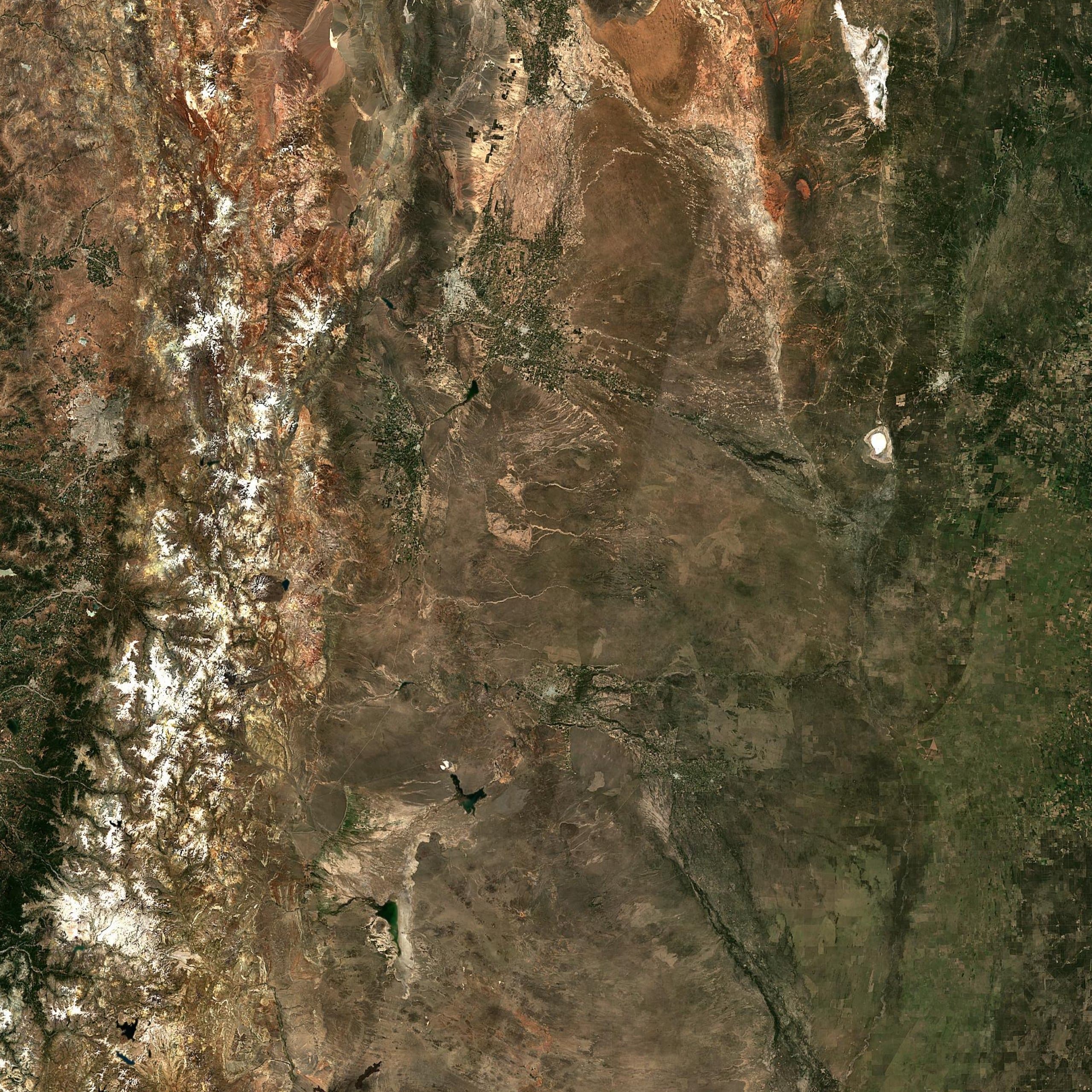
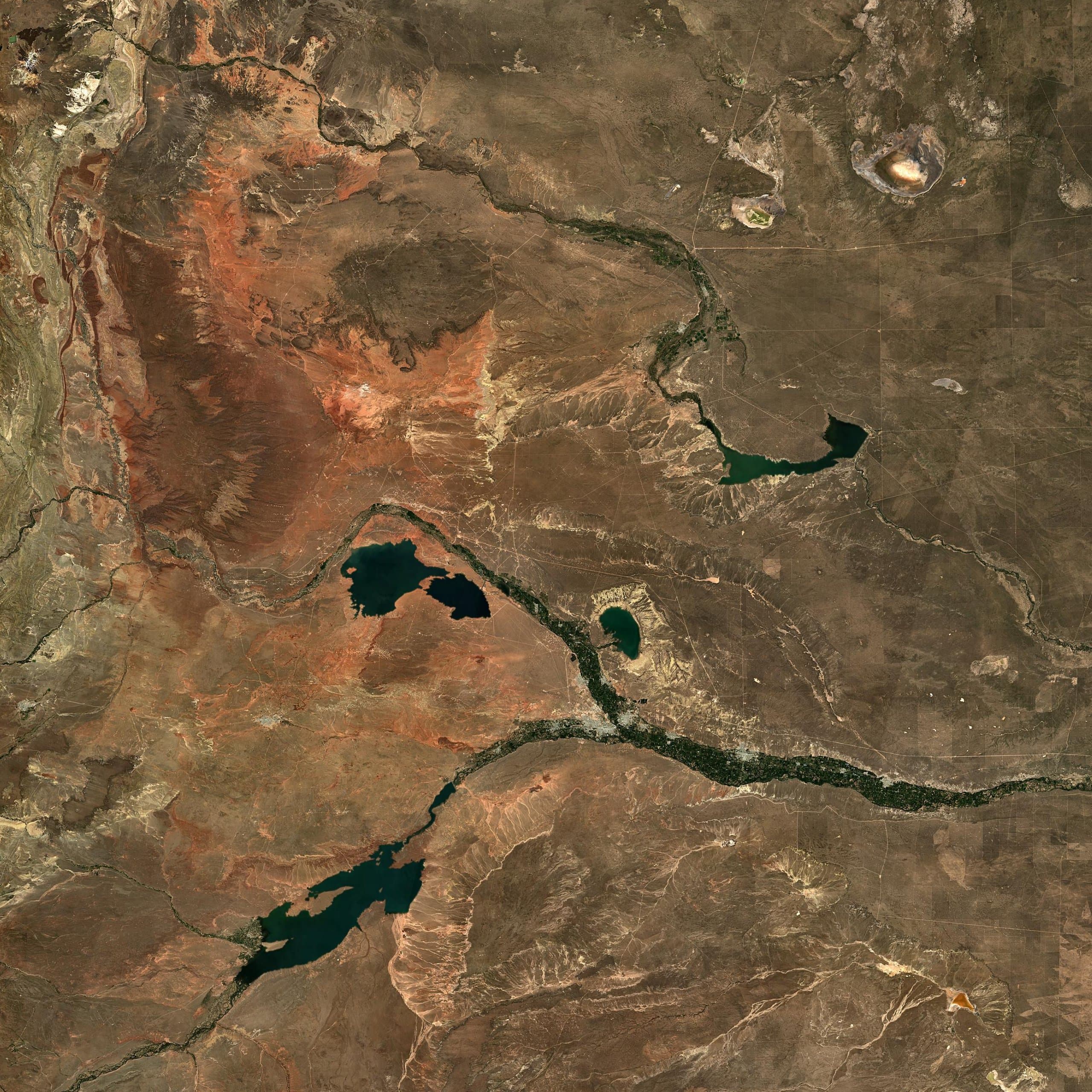
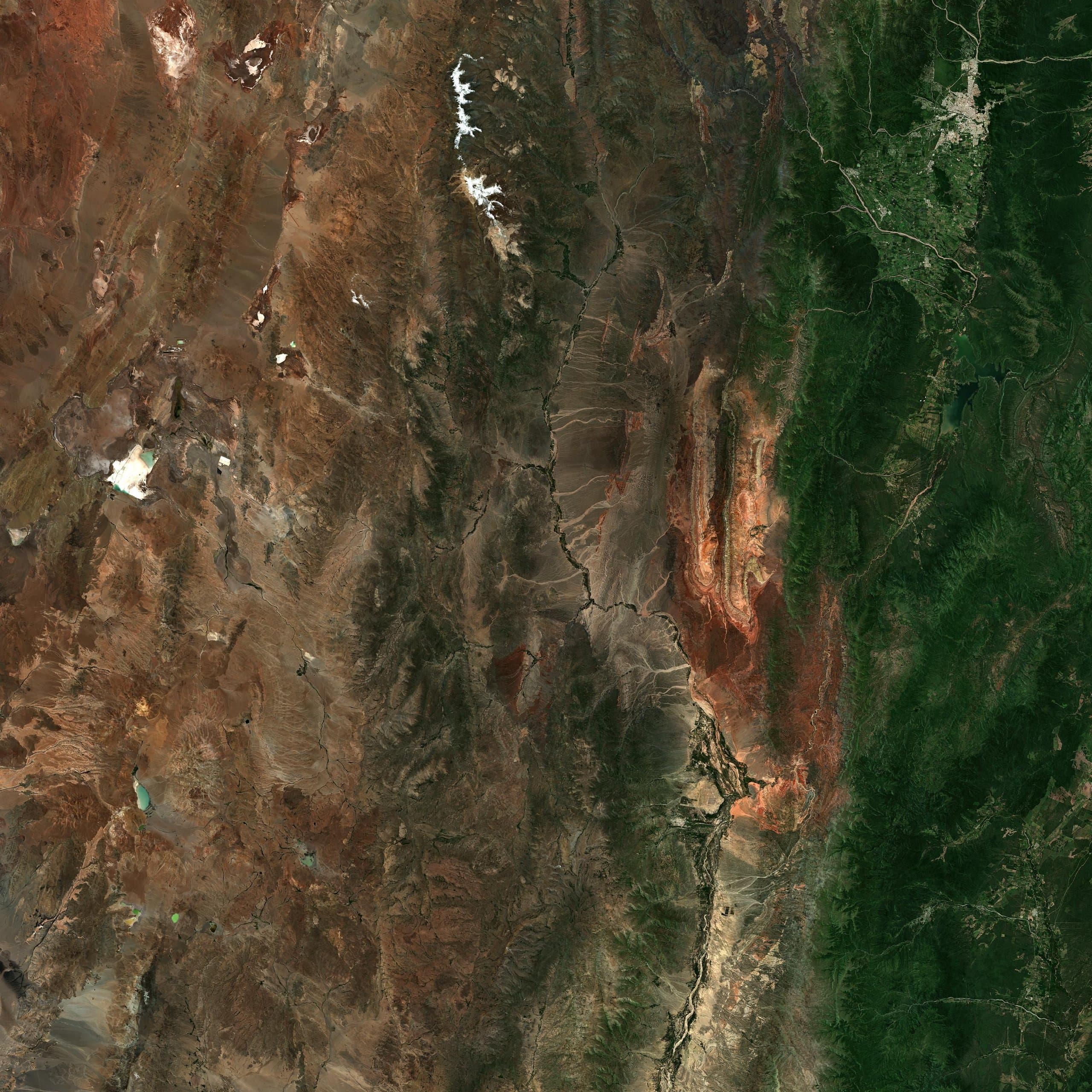
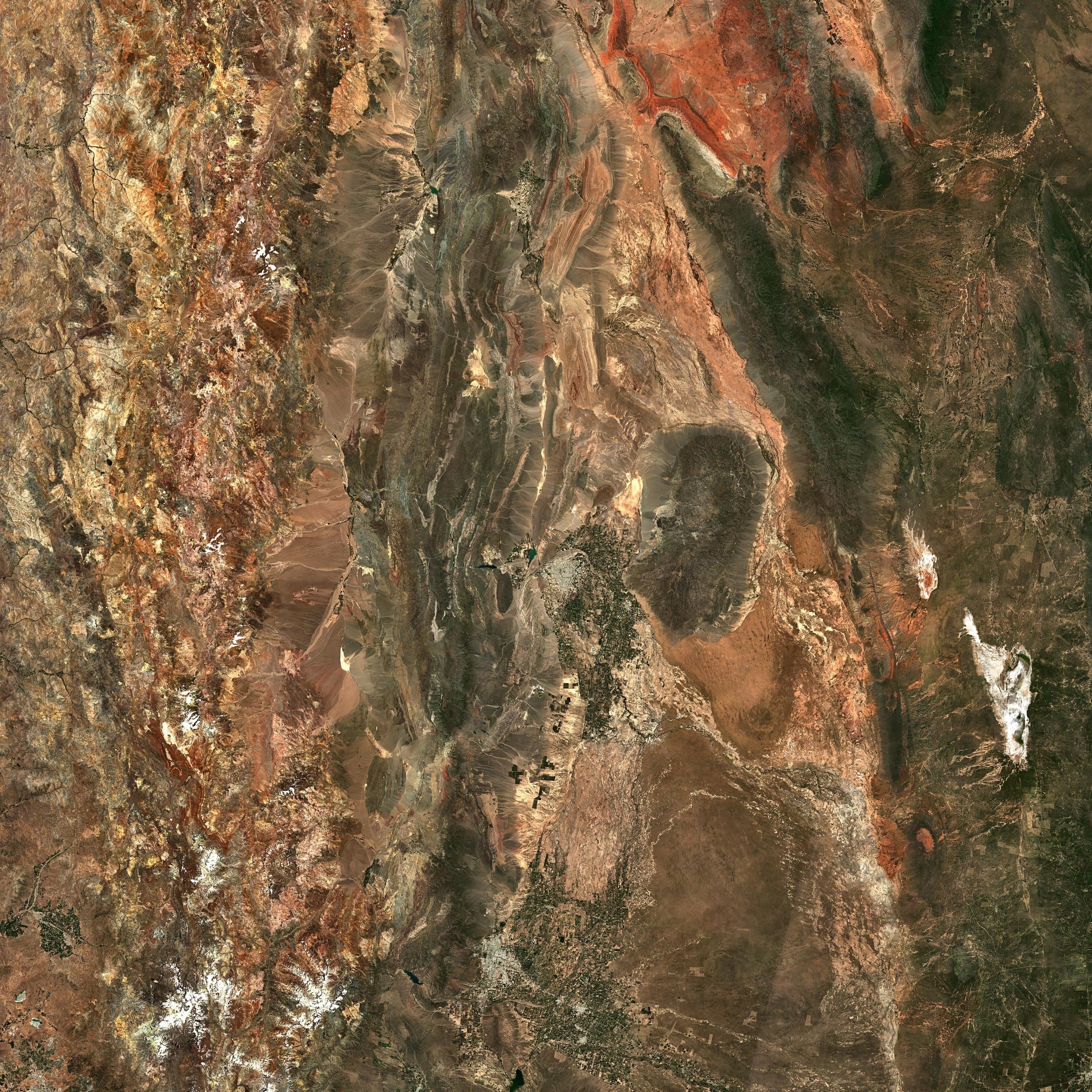
San Juan is Argentina's second wine province, a chain of warm, dry valleys three hours north of Mendoza. The Tulum Valley grows generous Syrah and juicy Bonarda; the higher Zonda and Calingasta valleys add freshness; and the Pedernal Valley, a stony limestone terrace at 1,250 to 1,500 metres, has become the region's fine-wine story, with taut, mineral Syrah and Malbec. The zonda wind that names one valley keeps the air dry and the fruit healthy. Producers like Graffigna, Callia, and Pyros show a province moving from volume toward wines with a real sense of place.

Vintages

12 · 2014–2025

Rating:
95+
90-94
85-89
80-84
<80
PeakReadyHold
Year202520242023202220212020201920182017201620152014
Red

Outstanding San Juan Vintages

The best recent vintages rated excellent or exceptional.

Red

2025

Almost ready
90Excellent

Well-balanced, aromatic reds with good color and freshness from a season that cooled at the right moment.

2027Peak 2028–20322034

2024

Ready
91Excellent

A strong recovery vintage: healthy fruit, balanced ripeness, and the Pedernal Valley at its precise best.

2026Peak 2027–20312034

2022

At peak
90Excellent

Very good, concentrated reds from a small crop; dark fruit with firm structure.

2024Peak 2025–20302032

2021

At peak
91Excellent

The freshest San Juan vintage in years: cooler weather gave Syrah lift and Pedernal reds real precision.

2023Peak 2025–20302032

2019

At peak
90Excellent

Very good across the province, with juicy, peppery Syrah and structured high-valley reds.

2021Peak 2023–20282030

2018

At peak
90Excellent

An excellent year: ripe, balanced Syrah from Tulum and taut, mineral Malbec and Syrah from Pedernal.

2020Peak 2022–20282030

Valleys & Departments

Classification System

San Juan uses Argentina's GI system, and the valley name on the label tells you the style. Tulum means warm and generous, while the high Pedernal Valley GI has become shorthand for the province's most precise, mineral reds.

Single Vineyard

Named site, mostly in the Pedernal Valley

Valley GI

Geographic Indication like Valle de Pedernal or Tulum

IP San Juan

Province-wide Indication of Provenance

What San Juan produces

Red

Syrah leads, plush and peppery from Tulum, precise and stony from the Pedernal Valley.

White

Fresh Viognier and Chardonnay from the higher valleys, made for early enjoyment.

Grapes of San Juan

Climate

Desert-dryHot summersZonda windCool nights at altitudeSunny

Hotter and drier than Mendoza: a true desert climate with around 100 mm of annual rain, long hot summers, and the dry zonda wind sweeping down from the Andes. Altitude is the counterweight; the higher Zonda, Calingasta, and Pedernal valleys cool sharply at night and keep their wines fresh.

Terroir

Alluvial soilsLimestoneFlintStony terracesSand over clay

Deep alluvial sand and gravel on the Tulum Valley floor along the San Juan river, turning stonier in the mountain valleys. The Pedernal Valley is the standout: shallow soils strewn with flint and limestone over a calcareous base, poor ground that gives structured, mineral reds.

Typical Aromas

blueberryblack plumvioletblack peppersmoked meatsweet spice
Explore the aroma wheel

More in Argentina

Frequently Asked Questions

What is San Juan wine known for?▼
San Juan is Argentina's second wine province and the country's Syrah capital. The warm, dry Tulum Valley produces plush, peppery Syrah and juicy Bonarda, while the higher mountain valleys make increasingly serious wines. It has long been a volume region, but the exciting story is its shift toward site-driven wines with real personality, led by the high Pedernal Valley.
What is the Pedernal Valley?▼
Pedernal is San Juan's fine-wine secret: a stony terrace at 1,250 to 1,500 metres whose shallow soils are strewn with flint and limestone (pedernal means flint in Spanish). The altitude brings cold nights, and the poor calcareous ground gives Syrah and Malbec a taut, mineral precision that feels closer to the Uco Valley than to the warm valley floor below. Pyros is the producer that put it on the map.
How does San Juan differ from Mendoza?▼
San Juan sits three hours north and is noticeably hotter and drier, a true desert with around 100 mm of rain a year and the famous zonda wind. Where Mendoza built its name on Malbec, San Juan's signature is Syrah, generous and spicy from the warm valleys. The style is riper and more open than Mendoza's, though high sites like Pedernal are closing that gap fast.
What are the best San Juan vintages?▼
2021 is the freshest and finest recent year, with 2024 close behind after a cool, steady season. 2018 and 2019 both delivered excellent, balanced Syrah. 2020 was very hot and suits those who like generous, plush reds, while the drought year of 2023 produced tiny amounts of dense, concentrated wine.
What food pairs well with San Juan wines?▼
Syrah and asado are a natural pair, and San Juan's peppery style loves anything grilled or slow-roasted, from chorizo to pork shoulder. The province is also Argentina's olive country, so think tapenade, olive-braised dishes, and hard sheep cheese. Bonarda is the easy weeknight companion for empanadas, milanesa, and pizza.

Map data: Instituto Geográfico Nacional de la República Argentina (IGN)