CorkCork
Salta

Argentina

Salta

MendozaMendozaSan JuanSan JuanPatagoniaPatagoniaSaltaSalta

Argentina wine regions

About Salta

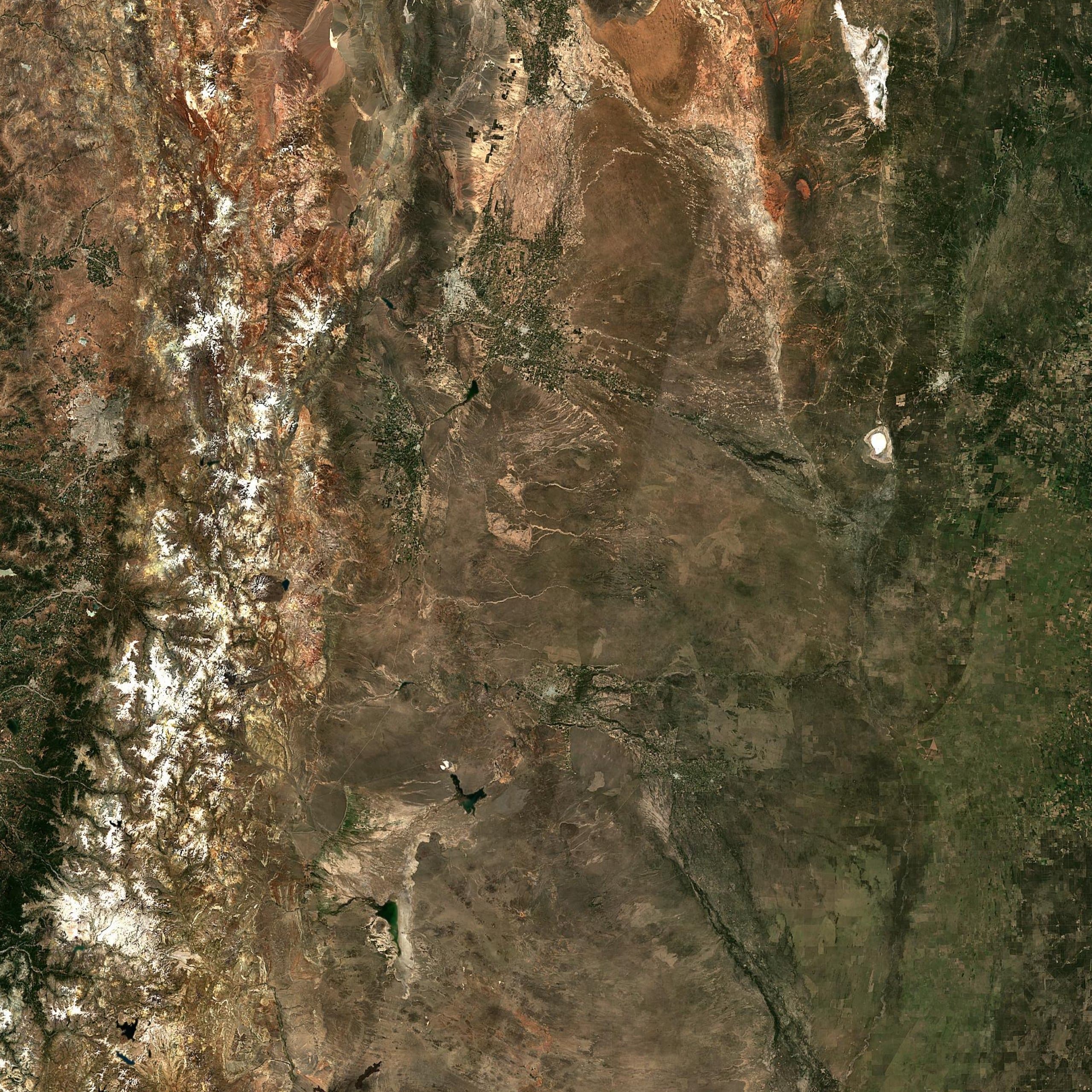
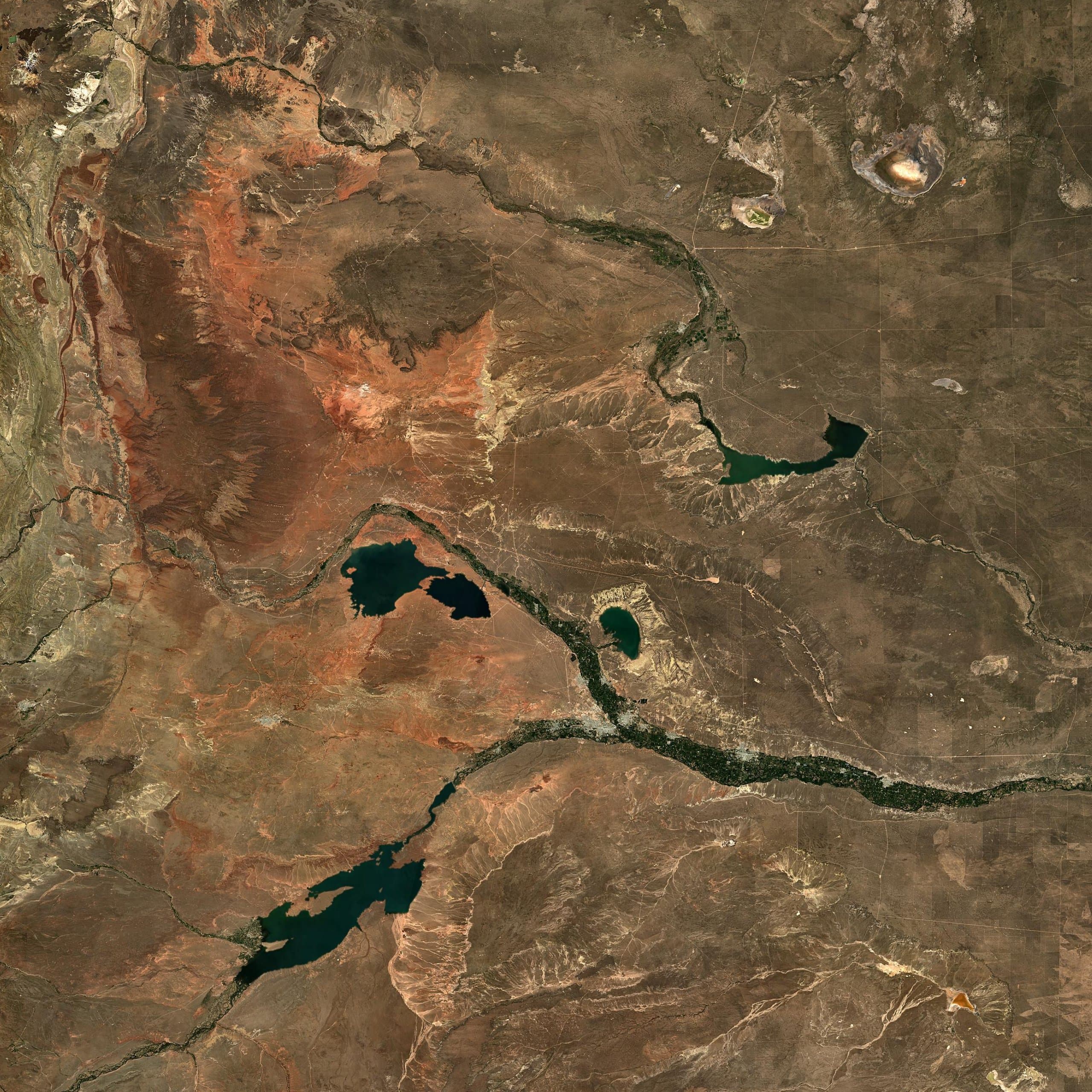
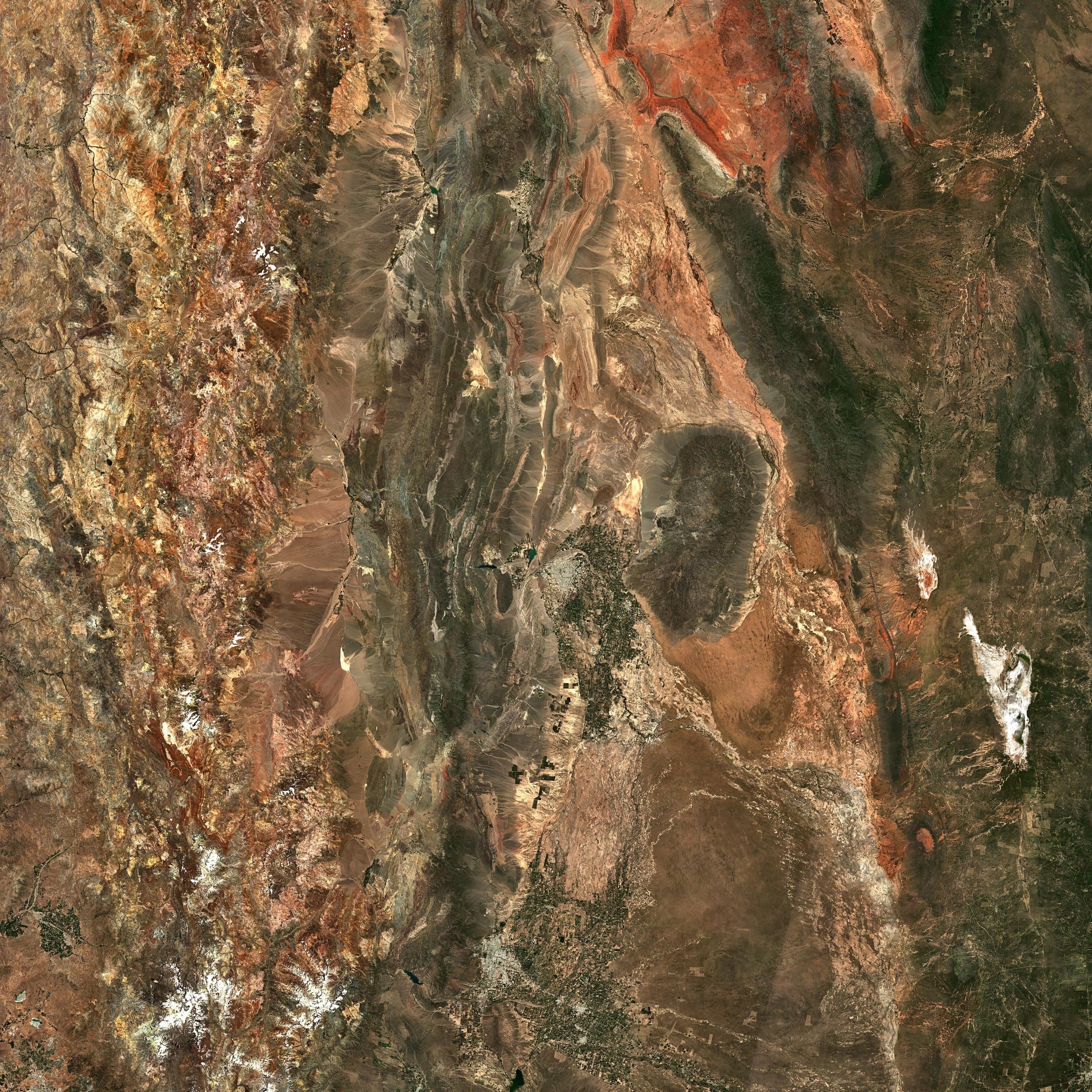
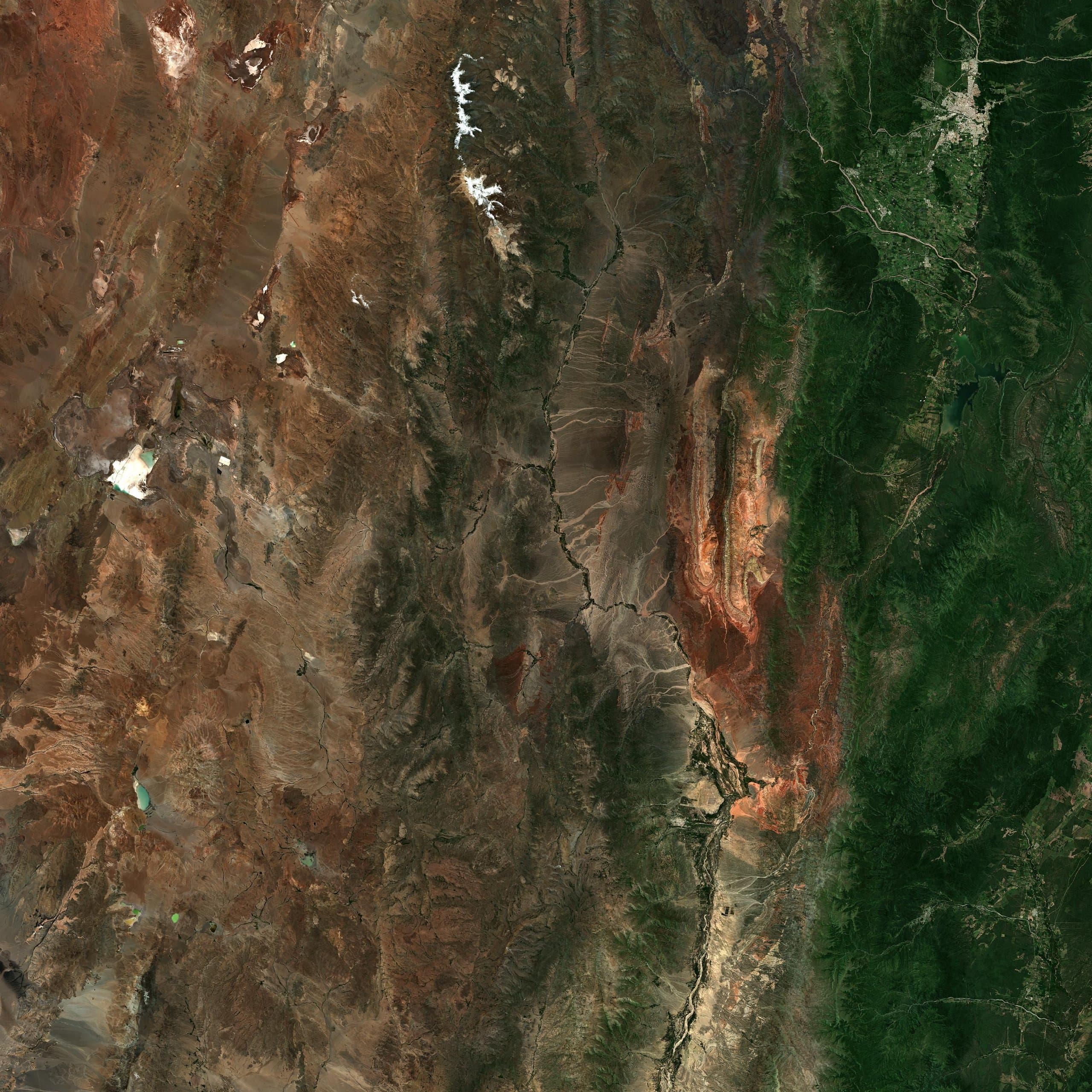
In Argentina's far north, the Calchaquí Valleys hold some of the highest vineyards on earth. Around the town of Cafayate, vines grow at 1,600 to over 3,000 metres, where fierce sunlight, cool nights, and bone-dry air produce wines of startling intensity. Torrontés is the signature: a floral, grapey white that smells sweet and finishes bone dry, better here than anywhere else. The reds, led by Malbec and Tannat, are deeply colored and firmly built. Colomé, whose Altura Máxima vineyard sits at 3,111 metres, Etchart, and El Esteco anchor a region that feels closer to the sky than to the rest of Argentina.

Vintages

23 · 2014–2025

Rating:
95+
90-94
85-89
80-84
<80
PeakReadyHold
Year202520242023202220212020201920182017201620152014
Red
White
—

Outstanding Salta Vintages

The best recent vintages rated excellent or exceptional.

Red

2025

Almost ready
91Excellent

Promising, deeply colored reds with good freshness; a year that rewarded patience after an uneven midsummer.

2027Peak 2029–20352038

2024

Ready
92Excellent

A return to balance: healthy yields and slow ripening gave complete, well-structured reds with bright acidity.

2026Peak 2028–20352038

2023

Ready
90Excellent

A tiny harvest of intense, muscular wines; what survived the drought is deeply concentrated.

2025Peak 2027–20332036

2022

At peak
91Excellent

Very good, concentrated reds from another short crop; dense fruit with firm, ripe tannin.

2024Peak 2026–20332036

2021

At peak
93Excellent

The standout of recent years: a cooler season brought unusual finesse to Cafayate reds, floral and precise without losing their depth.

2023Peak 2026–20352038

2020

At peak
90Excellent

A warm, early year giving generous, ripe reds; the valley's cool nights preserved more freshness than the heat suggested.

2022Peak 2024–20302033

2019

At peak
92Excellent

A strong year across the north: fragrant, concentrated reds that keep their acidity despite the intense sun.

2021Peak 2023–20322035

2018

At peak
92Excellent

An excellent, balanced vintage with ripe, healthy fruit; structured Malbec and Tannat with real aging potential.

2020Peak 2022–20312034

2017

At peak
91Excellent

Small crop, big wines: concentrated, deeply colored reds with ripe tannin and the intensity of a short, sunny year.

2019Peak 2021–20292032

White

2025

At peak
91Excellent

Fresh, expressive, well-balanced whites.

2026Peak 2026–20272028

2024

At peak
92Excellent

Intense, floral, concentrated Torrontes; a standout recent year.

2025Peak 2025–20262027

2023

Drink up
91Excellent

A very good Torrontes year while much of Argentina struggled.

2024Peak 2024–20252026

2022

Past window
90Excellent

Aromatic, poised whites of very good quality.

2023Peak 2023–20242025

2021

Past window
91Excellent

Vivid, high-toned Torrontes with lovely freshness.

2022Peak 2022–20232024

2019

Past window
90Excellent

Expressive, fresh whites with good intensity.

2020Peak 2020–20212022

2018

Past window
91Excellent

Aromatic, balanced, textbook Torrontes.

2019Peak 2019–20202021

2017

Past window
92Excellent

An excellent Cafayate year: exuberant, perfumed, concentrated Torrontes.

2018Peak 2018–20192020

Valles Calchaquíes

Classification System

Salta follows Argentina's GI system, and the classification that matters most is printed on the label as meters above sea level. The Valles Calchaquíes hold some of the highest vineyards on earth, and producers state altitude as a badge of origin.

Single Vineyard

Named high-altitude site, often above 2,000m

GI

Geographic Indication like Cafayate or Valles Calchaquíes

IP

Indication of Provenance for broader areas

What Salta produces

White

Torrontés at its most expressive, jasmine and grape aromas over a bone-dry, citrusy finish.

Red

Sun-soaked Malbec and Tannat, deeply colored, firm, and made for the table.

Regional appellations

IG Salta

The province-wide designation for Argentina's far north. In practice nearly all of it comes from the Calchaquí valleys, so the label usually signals extreme-altitude Torrontés and Malbec.

Similar styles

Lands in the same glass.

Grapes of Salta

What it tastes like

Body

Big

Acidity

Bright

Tannin

Grippy

Oak

Some oak

Ripeness

Rich

Concentration

Dense

Reds

Big, dense and bright, with grippy tannin, some oak and rich fruit; black fruit, a floral lift and spice.

black fruit · floral · spicy · savoury · chewy

Body

Medium

Acidity

Bright

Oak

No oak

Ripeness

Rich

Concentration

Medium

Whites

Medium-bodied and bright, with rich fruit; citrus, stone fruit and a floral lift, best young.

citrus · stone fruit · floral · drink young

Drawn from its appellations.

Climate

High altitudeDesert-dryIntense sunlightLarge diurnal swingWarm days

High-altitude desert climate with some of the most intense sunlight in the wine world. Days are warm, nights drop sharply, and annual rainfall of around 200 mm arrives almost entirely in brief summer storms. The thin, dry air thickens grape skins and concentrates color, tannin, and aroma.

Terroir

Sandy alluvial soilsGraniteStony soilsValley slopes

Sandy, stony alluvial soils over granite bedrock, deposited by rivers draining the surrounding pre-Andean ranges. Vineyards sit on gentle valley floors and slopes between 1,600 and 3,100 metres, among the highest plantings anywhere. The poor, fast-draining sand keeps yields naturally low and vines deeply rooted.

Typical Aromas

white flowersmuscat grapecitrus zestblack plumblack peppercocoa
Explore the aroma wheel

More in Argentina

Frequently Asked Questions

What makes Salta wine special?▼
Altitude, above everything. Salta's Calchaquí Valleys hold some of the highest vineyards on earth, from 1,600 to over 3,000 metres, where fierce sunlight, cool nights, and bone-dry air produce wines of remarkable intensity. The whites are explosively aromatic, the reds deeply colored and firm, and the whole region has a wild, high-desert character you won't find anywhere else in the wine world.
What is Torrontés and why is Cafayate famous for it?▼
Torrontés is Argentina's signature white grape, a natural cross of Muscat of Alexandria and Criolla Chica. It smells sweet, all jasmine, peach, and grape, then finishes completely dry and citrusy. Cafayate's combination of intense sun and cold nights turns the aromatics up to full volume while keeping the wine fresh, which is why the world's best Torrontés comes from this one valley town in Salta.
How high are Salta's vineyards?▼
Most of Cafayate sits at 1,600 to 2,000 metres, already higher than almost any European vineyard. Further up the Calchaquí Valleys the numbers get extraordinary: Colomé's Altura Máxima vineyard reaches 3,111 metres, among the highest commercial vineyards on the planet. At those elevations the sun is fierce, the nights are cold, and the grapes develop thick skins packed with color and flavor.
What red wines does Salta make?▼
Malbec and Tannat lead the way. Salta's Malbec is darker and firmer than Mendoza's, with a savoury, peppery edge from the extreme sun and altitude. Tannat, a famously tough grape elsewhere, ripens beautifully here into dark, muscular reds with softer tannins and cocoa depth. Producers like Colomé, El Esteco, and Etchart are the names to look for.
What are the best Salta vintages?▼
2021 is the recent standout, a cooler season that brought unusual finesse to Cafayate reds. 2018, 2019, and 2024 are all excellent years with ripe, balanced fruit, and 2017 produced small quantities of intensely concentrated wines. For Torrontés, vintage matters less: enjoy the youngest one you can find, while the aromatics are at their peak.
What food pairs well with Salta wines?▼
Torrontés is made for the local table: empanadas salteñas, humita, tamales, and anything with a little spice, which is why it also works so well with Thai and other aromatic cuisines. The reds want grilled meat, especially goat, which is the regional classic, or a proper asado. Fresh goat cheese with Torrontés is a simple, perfect Cafayate moment.

Map data: Instituto Geográfico Nacional de la República Argentina (IGN)