
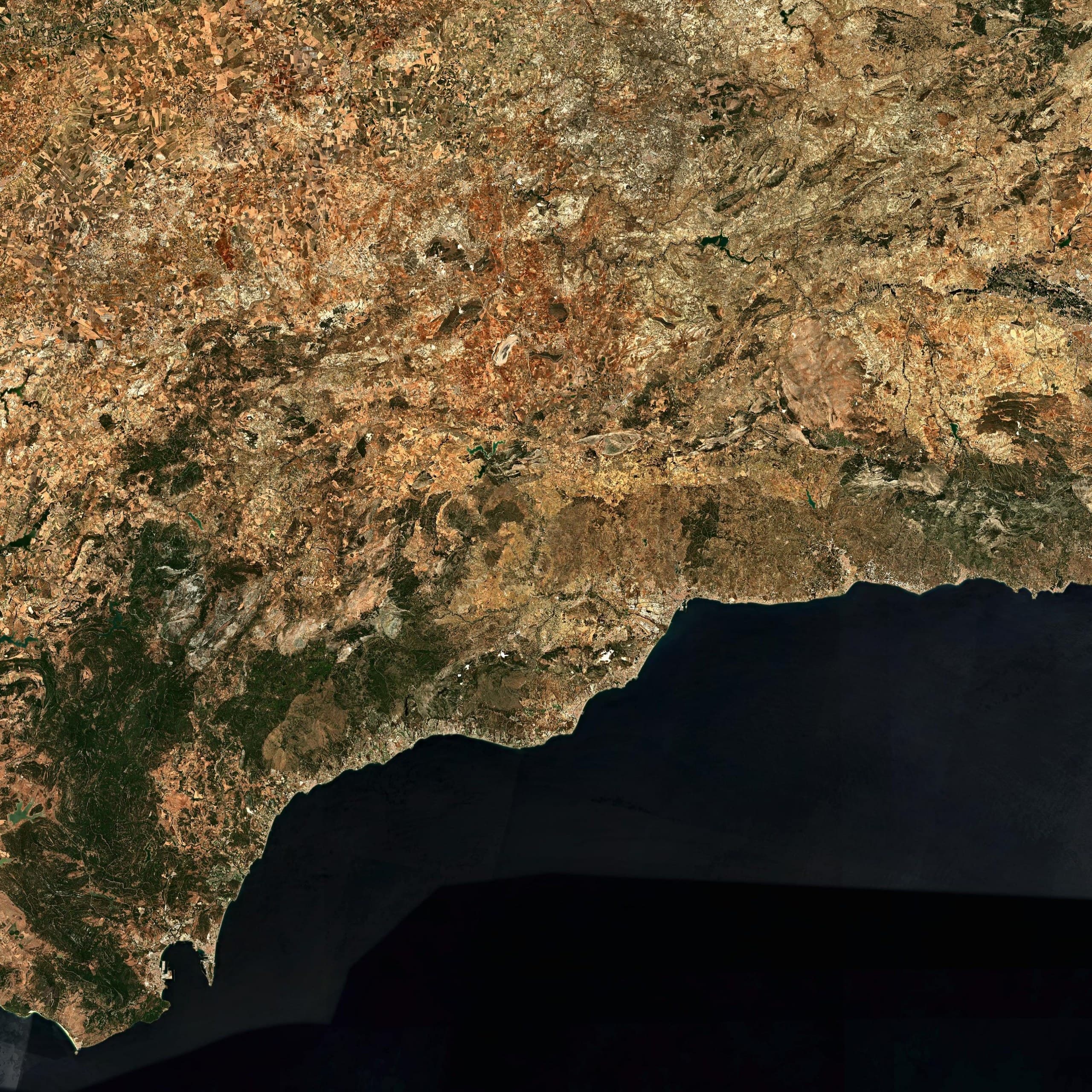
Spain
Málaga
Spain wine regions
About Málaga
Spain wine regions
Vintages
24 · 2014–2025
Outstanding Málaga Vintages
The best recent vintages rated excellent or exceptional.
Red
Dessert
Zones & Villages
What Málaga produces
Dessert
The historic heart: naturally sweet and fortified Moscatel and Pedro Ximénez, from sun-dried vintage freshness to solera-aged Trasañejo depth.
Red
Sierras de Málaga reds from Ronda's high country: Petit Verdot, Cabernet, Syrah and native Romé and Melonera with mountain freshness.
White
Dry Moscatel from Axarquía slate has become the modern calling card, saline, floral and bone dry.
Rosé
A small but growing category from the Serranía, bright and herb-tinged.
Similar styles
Lands in the same glass.
Like the reds
Grapes of Málaga
What it tastes like
Body
Full
Acidity
Fresh
Tannin
Firm
Oak
Some oak
Ripeness
Rich
Concentration
Concentrated
Reds
Full-bodied and fresh, with ripe tannin and some oak; blackberry, black pepper and wild herbs from the high vineyards around Ronda.
black fruit · spicy · herbal · plush
Body
Medium
Acidity
Fresh
Oak
No oak
Ripeness
Ripe
Concentration
Medium
Whites
Medium-bodied and dry with no oak; orange blossom, fresh grape and jasmine from Moscatel, with a salty lift from the Axarquía slate.
citrus · stone fruit · floral · salty · drink young
Body
Full
Acidity
Gentle
Oak
Some oak
Ripeness
Jammy
Concentration
Dense
Sweet wines
Big and lusciously sweet, with orange blossom, raisin and honey; oily and plush, softly acidic and long on the finish.
honeyed · floral · nutty · oily · plush
Climate
Mediterranean with three personalities. The Axarquía coast is almost subtropical, warm and humid with mild winters and the reliable autumn sun needed for drying grapes. The northern plateau is drier and more continental, with hot summers and cold nights. Up in the Serranía de Ronda, altitude brings big day-night swings and a fresher mountain rhythm to ripening.
Terroir
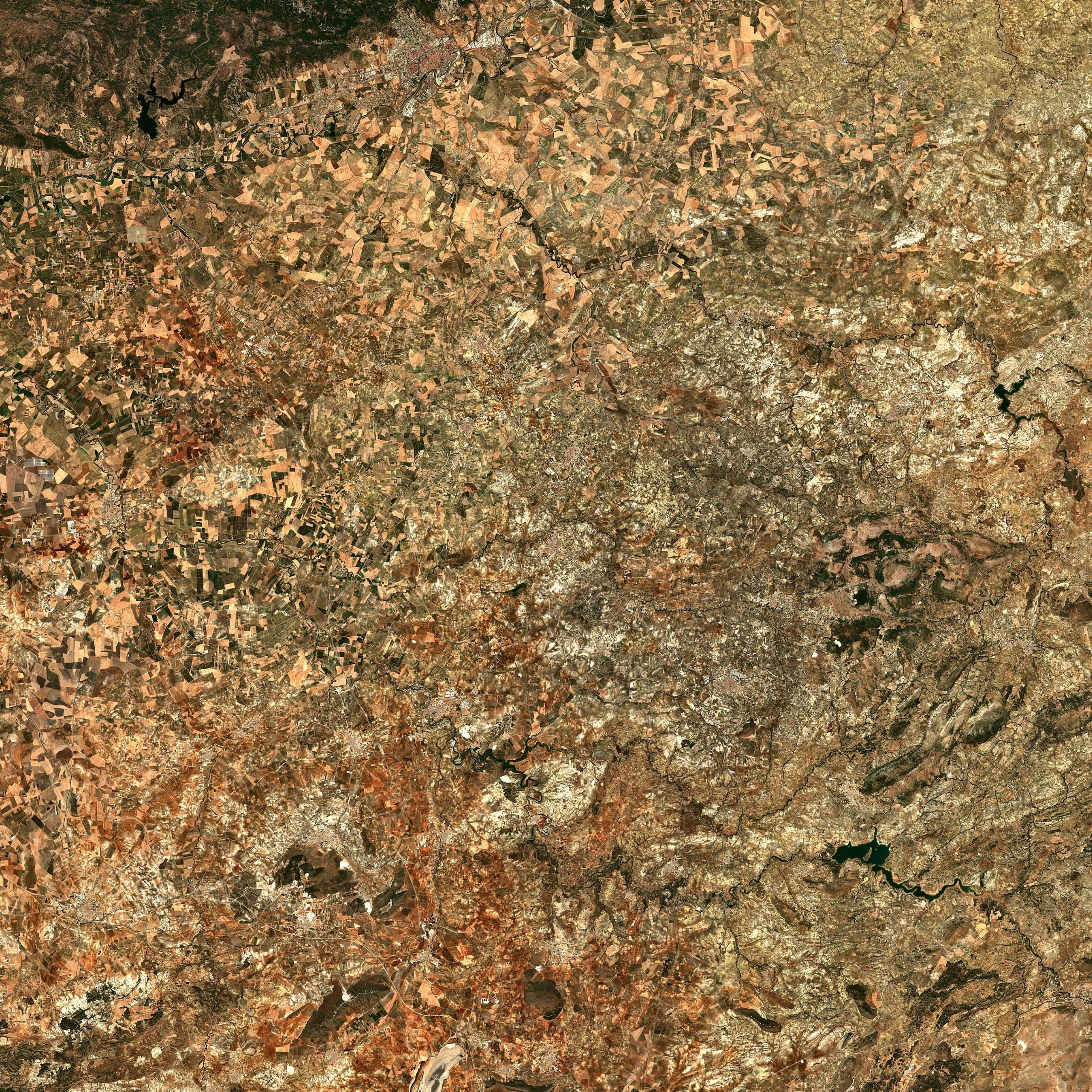
Decomposed slate on the steep Axarquía hillsides, ground so sheer that grapes still come down by mule in places. The Norte plateau around Mollina runs to chalky, lime-rich soils, while the Serranía de Ronda mixes limestone and clay between 700 and 900 metres beneath dramatic sierras. Near Manilva, white chalk soils reach almost to the beach.
More in Spain
Frequently Asked Questions
What makes Málaga wine special?▼
What is the difference between DO Málaga and DO Sierras de Málaga?▼
What grapes are grown in Málaga?▼
What does Málaga Moscatel taste like?▼
Why is Ronda becoming famous for wine?▼
What food pairs well with Málaga wines?▼
Map data: DO zones from the official pliego municipio lists · Municipality boundaries © OpenStreetMap contributors (ODbL)