
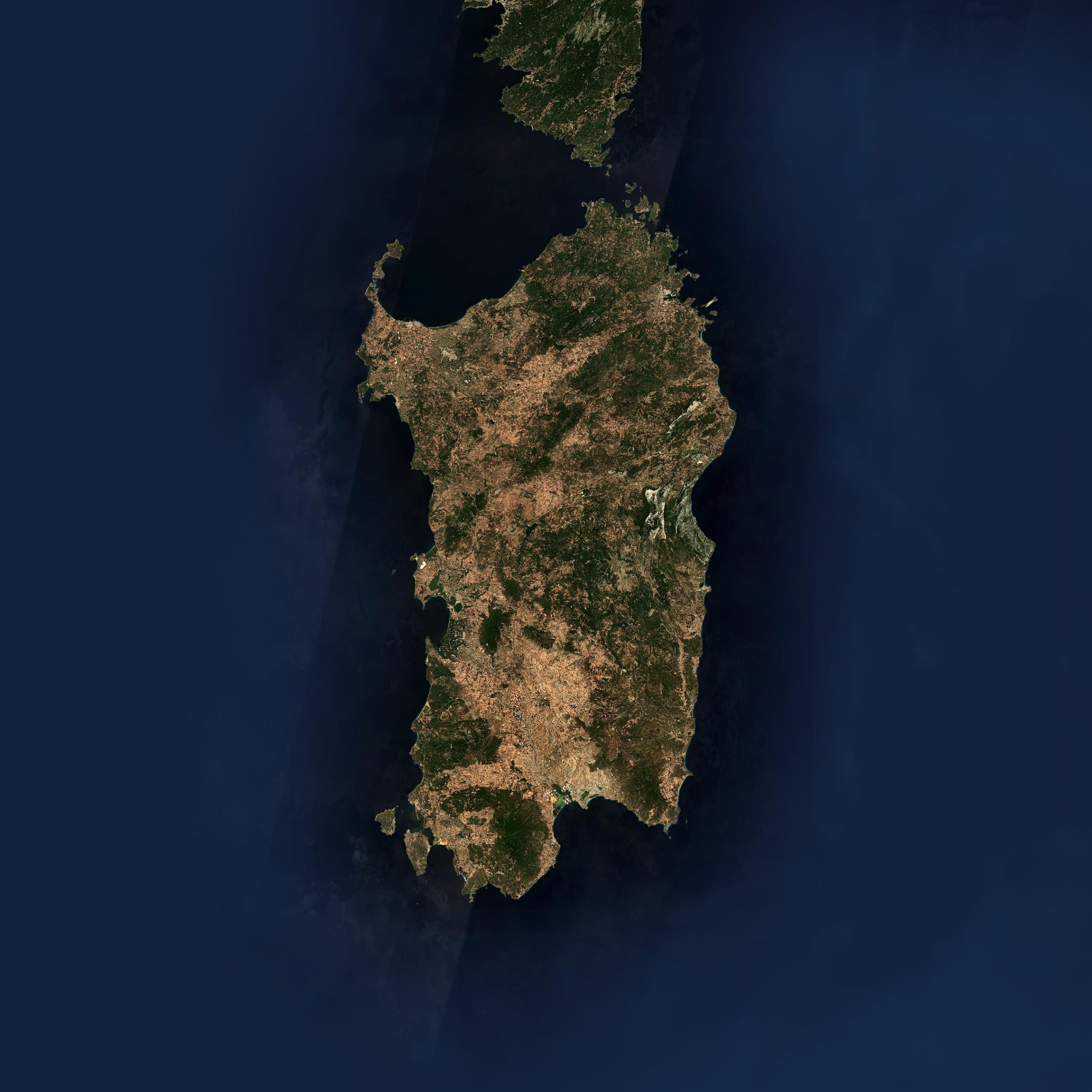
Italy
Sardinia
Italy wine regions
About Sardinia
-3–1508 m
Elevation range
Wine styles
1 DOCG
Avg. slope 6.2°
8 DOCs
Avg. slope 6.5°
Italy wine regions
Vintages
27 · 2010–2025
Outstanding Sardinia Vintages
The best recent vintages rated excellent or exceptional.
Red
White
DOC & DOCG
Classification System
Sardinia’s unique grape varieties (Cannonau, Vermentino, Carignano) reflect its distinct identity, separate from mainland Italian wine traditions.
DOCG
Vermentino di Gallura, the island’s only DOCG
DOC
Cannonau di Sardegna, Carignano del Sulcis, Monica di Sardegna, Nuragus
IGT
Isola dei Nuraghi, Valle del Tirso
What Sardinia produces
Red
Cannonau (Grenache), robust and sun-drenched, with Carignano from Sulcis.
White
Vermentino di Gallura, crisp and aromatic with Mediterranean herbs.
Regional appellations
Cannonau di Sardegna
The island-wide appellation for Cannonau, Sardinia's Grenache: warm, spicy reds from the granite hills of the east, with Jerzu, Oliena and Capo Ferrato as named subzones.
Notable producers
Estates that shape how this region tastes.
Argiolas
Leading Cannonau, Turriga flagship
Santadi
Terre Brune, Carignano del Sulcis
Capichera
Benchmark Vermentino di Gallura
Ferruccio Deiana
Elegant Cannonau and native grapes
Grapes of Sardinia
What it tastes like
Body
Medium
Acidity
Fresh
Oak
A touch of oak
Ripeness
Ripe
Concentration
Concentrated
Whites
Malvasia di Sardegna, Vermentino and Vernaccia di Oristano: fuller in Malvasia di Bosa, lighter in Vermentino di Gallura.
Each appellation has its own style. Compare Malvasia di Bosa and Vermentino di Gallura.
All 3 appellations
The shape averages its 3 appellations.
Body
Full
Acidity
Fresh
Tannin
Firm
Oak
A touch of oak
Ripeness
Rich
Concentration
Concentrated
Reds
Cannonau and Carignano: always full-bodied, with firm tannin; brighter in Carignano del Sulcis, rounder in Cannonau di Sardegna.
Each appellation has its own style. Compare Carignano del Sulcis and Cannonau di Sardegna.
The shape averages its 2 appellations.
Climate
Mediterranean climate with hot, dry summers and mild winters. Constant sea breezes provide crucial cooling, while the island's varied elevations create diverse microclimates that preserve acidity and freshness in the grapes despite intense sunshine.
Terroir
Incredibly diverse soils ranging from granite in the north to limestone and clay in the south, with volcanic influences and sandy coastal areas. The island's mountainous interior and proximity to the sea create a complex patchwork of terroirs, each contributing unique mineral characteristics to the wines.
Typical Aromas
More in Italy
Frequently Asked Questions
What makes Sardinia wine special?▼
What are the best Sardinia vintages?▼
What grapes are grown in Sardinia?▼
Is 2022 a good year for Sardinia?▼
When should I drink Sardinia 2022?▼
What food pairs well with Sardinia wines?▼
How does Sardinia compare to other major wine regions?▼
Map data: vineyards.com, manually traced and edited