CorkCork
Basilicata

Italy

Basilicata

PiedmontPiedmontTuscanyTuscanyVenetoVenetoLombardyLombardyPugliaPugliaSicilySicilySardiniaSardiniaFriuliFriuliCampaniaCampaniaAbruzzoAbruzzoTrentinoTrentinoUmbriaUmbriaMarcheMarcheEmilia-RomagnaEmilia-RomagnaBasilicataBasilicata

Italy wine regions

About Basilicata

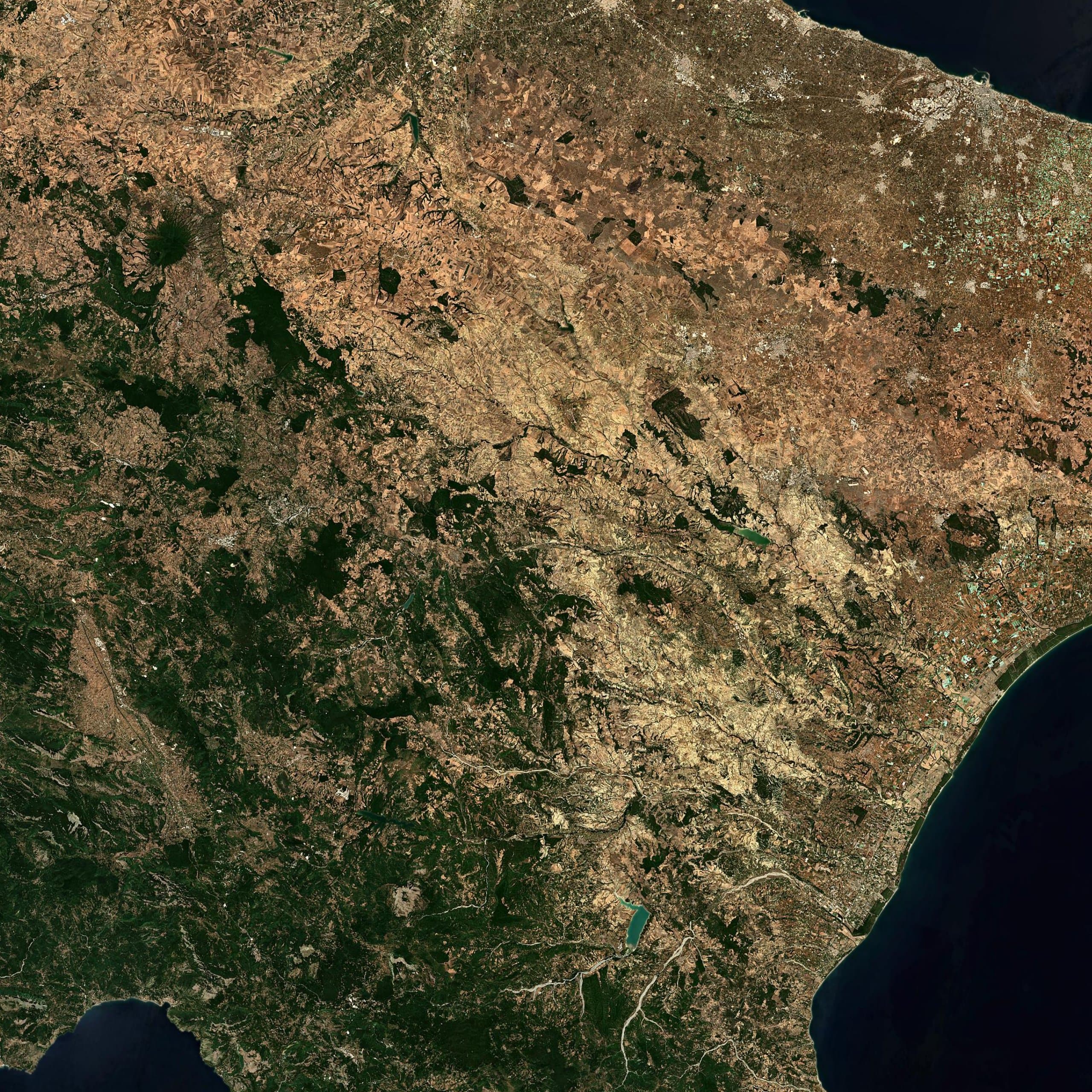
Basilicata is Italy's quiet instep, a mountainous region between Puglia and Calabria where one grape carries the whole story. On the slopes of Monte Vulture, an extinct volcano in the north, Aglianico ripens so late that pickers sometimes see the first snow on the summit above them. The wines earned the nickname the Barolo of the south: dark, firm, built for a decade in the cellar, and still a bargain next to Piedmont. Elena Fucci's Titolo, Grifalco, Paternoster, and Cantine del Notaio lead the way. To the east, the cave city of Matera adds warm Primitivo and Greco from limestone hills, and the high Val d'Agri contributes mountain-fresh Merlot and Cabernet.

Vintages

12 · 2014–2025

Rating:
95+
90-94
85-89
80-84
<80
PeakReadyHold
Year202520242023202220212020201920182017201620152014
Red

Outstanding Basilicata Vintages

The best recent vintages rated excellent or exceptional.

Red

2025

Hold
91Excellent

Promising, complete wines with dark fruit and fine freshness; early tastings suggest a quietly excellent, classical year.

2029Peak 2031–20392043

2024

Hold
91Excellent

A strong return: a small but healthy crop of concentrated, well-structured Aglianico with ripe tannin and good acid line.

2028Peak 2030–20382042

2021

Ready
93Excellent

The standout of recent years: deep, energetic Aglianico pairing concentration with cool-toned freshness. The Superiore bottlings should age effortlessly.

2026Peak 2030–20402045

2020

Ready
90Excellent

Very good, harmonious reds with supple tannin and generous fruit; approachable earlier than most Vulture years without losing shape.

2024Peak 2027–20332037

2019

Ready
92Excellent

Excellent and classically proportioned: dark fruit, firm structure, and real freshness from a patient autumn. One to tuck away.

2024Peak 2028–20372041

2016

Ready
93Excellent

An outstanding classic year: perfumed, structured Aglianico with bright acidity and fine-grained tannin, built for two decades in the cellar.

2022Peak 2027–20382042

2015

At peak
92Excellent

A warm, generous vintage with ripe tannin and dark, complete fruit; classic cellar-worthy Vulture with a touch more flesh than usual.

2020Peak 2025–20342038

DOC & DOCG

What Basilicata produces

Red

Aglianico del Vulture leads: dark, smoky, firmly tannic reds from volcanic soils that reward ten years and more in the cellar.

White

A small but real tradition: Greco and Malvasia around Matera, and fresh whites from Vulture's volcanic slopes.

Rosé

Aglianico rosato and the Val d'Agri's mountain rosatos, dry, savoury, and made for the table.

Grapes of Basilicata

Climate

ContinentalHot dry summersLong growing seasonCool nightsMountain climate

A mountain region at a southern latitude: winters are cold, summers hot and dry, and altitude does the balancing. On Monte Vulture, vineyards between 200 and 700 metres ripen Aglianico over one of Europe's longest seasons, with harvest often stretching into November. The Matera side is warmer and drier, open toward the Ionian coast, while the Alta Val d'Agri at 600 metres feels genuinely alpine, with big day-night temperature swings.

Terroir

Volcanic soilsLava and tuffClay-limestoneCalcareous sandAlluvial valley soils

Monte Vulture is the heart of it: an extinct volcano whose lava flows and tuff left deep, mineral-rich dark soils that hold water through dry summers and give Aglianico its smoky, iron-edged depth. Around Matera the land shifts to limestone ravines, clay hills, and calcareous sand running toward the Ionian. The Alta Val d'Agri is a high river valley of alluvial and clay soils framed by the Lucanian Apennines.

Typical Aromas

black cherryplumviolettarsmokeblack pepperdried herbsleather
Explore the aroma wheel

More in Italy

Frequently Asked Questions

What makes Basilicata wine special?▼
Basilicata is a one-grape love story. On the slopes of Monte Vulture, an extinct volcano in the north of the region, Aglianico ripens so late that pickers sometimes see the first snow on the summit above them. The volcanic soils give dark, smoky, firmly structured reds that people call the Barolo of the south, and they still cost a fraction of Piedmont's famous names. Add the cave city of Matera, where cellars are carved straight into the rock, and you have one of Italy's most rewarding regions to explore.
What is Aglianico del Vulture?▼
It's Basilicata's flagship wine: Aglianico grown across fifteen villages on the lava slopes of Monte Vulture, including Barile, Rionero in Vulture, and Venosa. The DOC dates back to 1971, and since 2010 the Superiore and Riserva styles carry the region's only DOCG. Expect black cherry, violet, tar, and smoke over serious tannin and bright acidity. These are wines that genuinely need a few years in the cellar, and the best will happily go twenty.
What are the best Aglianico del Vulture vintages?▼
2016 and 2021 are the recent standouts, both long, even seasons that gave perfumed, structured wines built for the cellar. 2015 and 2019 are excellent too, a touch more generous and approachable. If you find a 2014, expect a lighter, perfumed style that's lovely now. The main thing to remember is patience: top vintages often need five or six years before they start to open up.
What grapes grow in Basilicata?▼
Aglianico towers over everything, and most of the region's reputation rests on it. Around Matera you'll also find warm, generous Primitivo and golden, savoury Greco whites, while the high Val d'Agri in the Apennines grows Merlot and Cabernet Sauvignon for fresh, firm mountain reds. There are smaller traditions of Malvasia and Moscato too, often poured as easy local whites alongside the region's famous bread and peperoni cruschi.
Which Basilicata producers should I look for?▼
Elena Fucci is the modern benchmark; her Titolo comes from old vines in Barile and shows just how profound Vulture Aglianico can be. Paternoster is the historic name, making wine since 1925, and Cantine del Notaio in Rionero ages its wines in centuries-old tufa caves. Grifalco, founded by a family who moved south from Tuscany for Aglianico, offers wonderful value across its range. Any of these is a great first taste of the region.

Map data: DOC/DOCG zones from comune boundaries © OpenStreetMap contributors (ODbL)