CorkCork
Thermenregion

Austria

Thermenregion

About Thermenregion

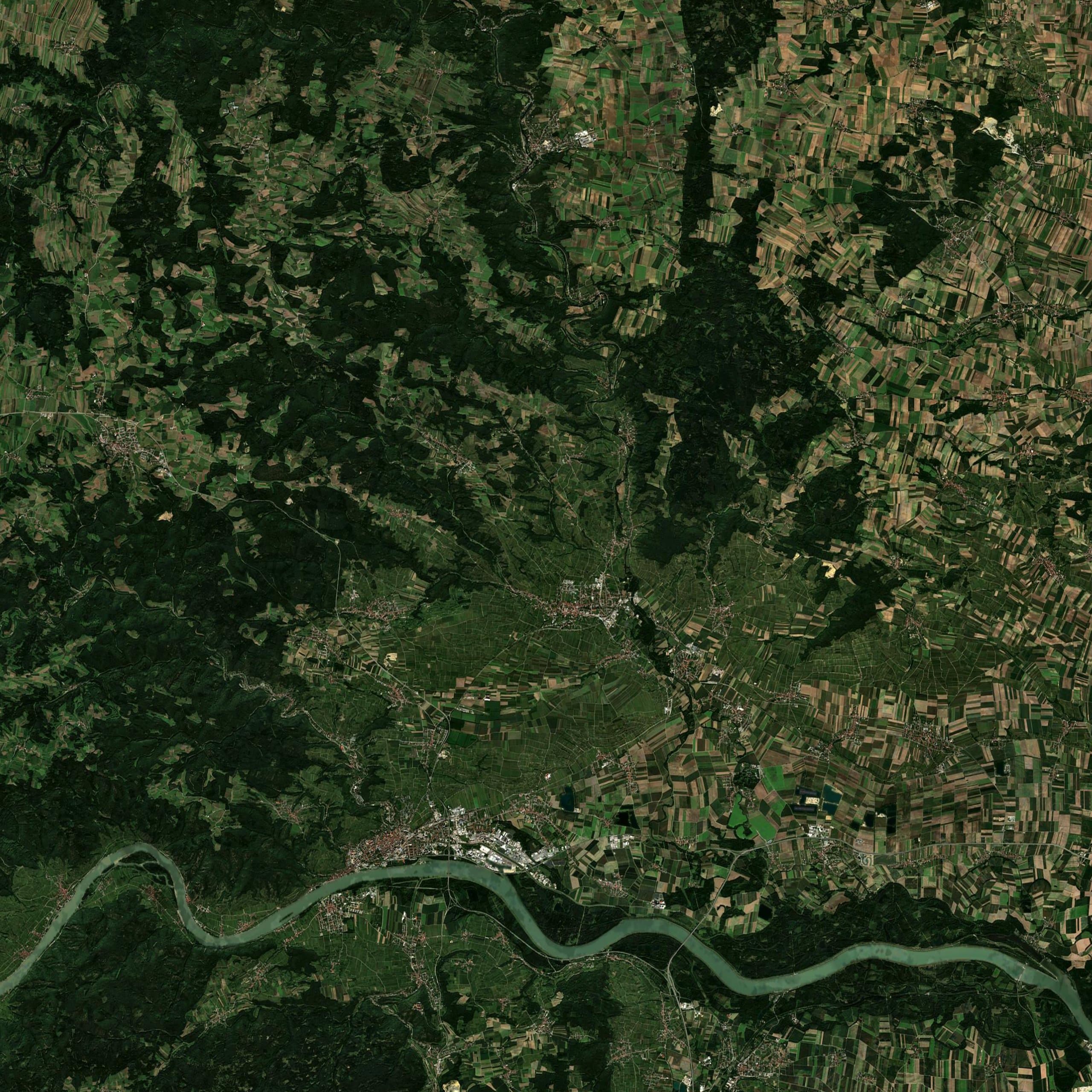
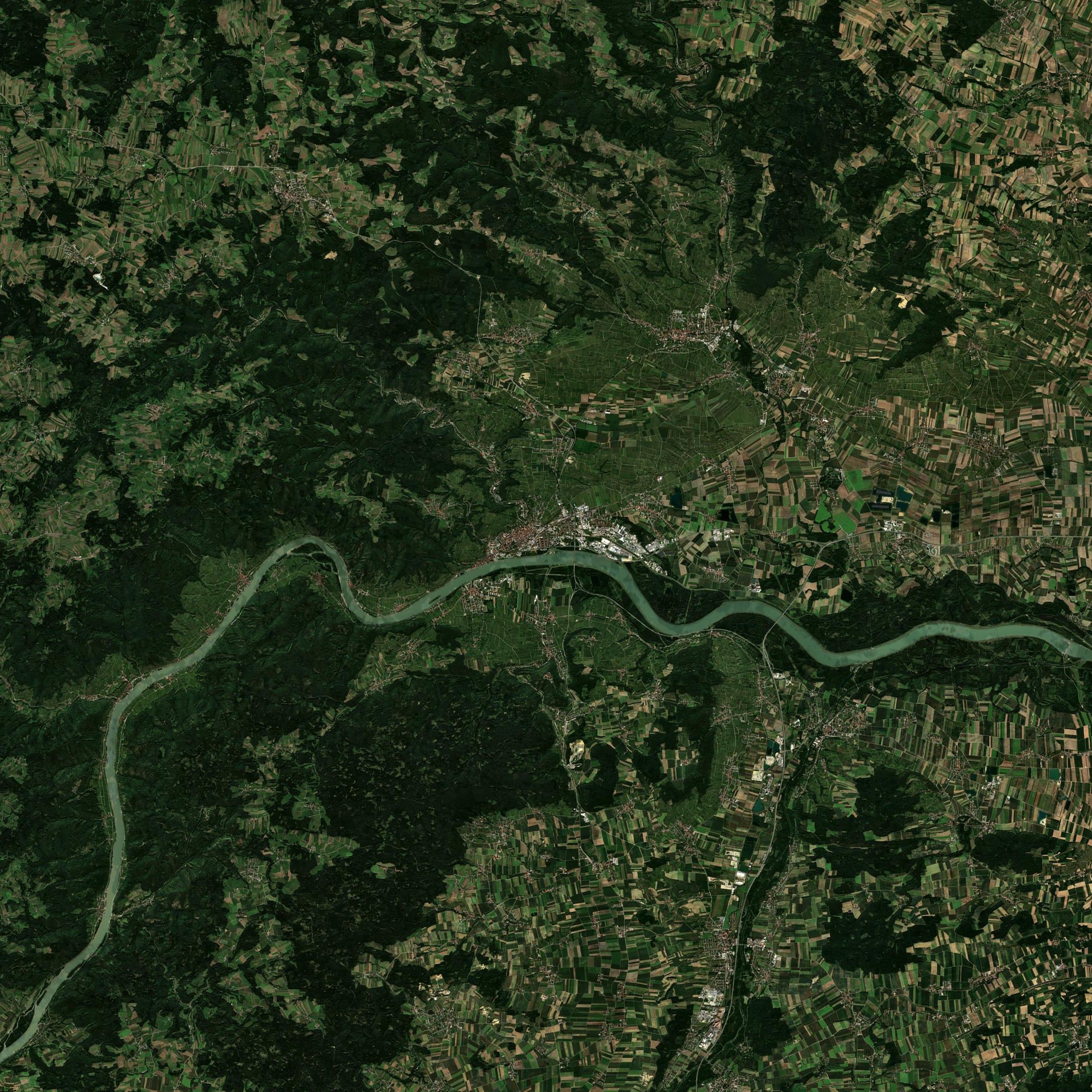
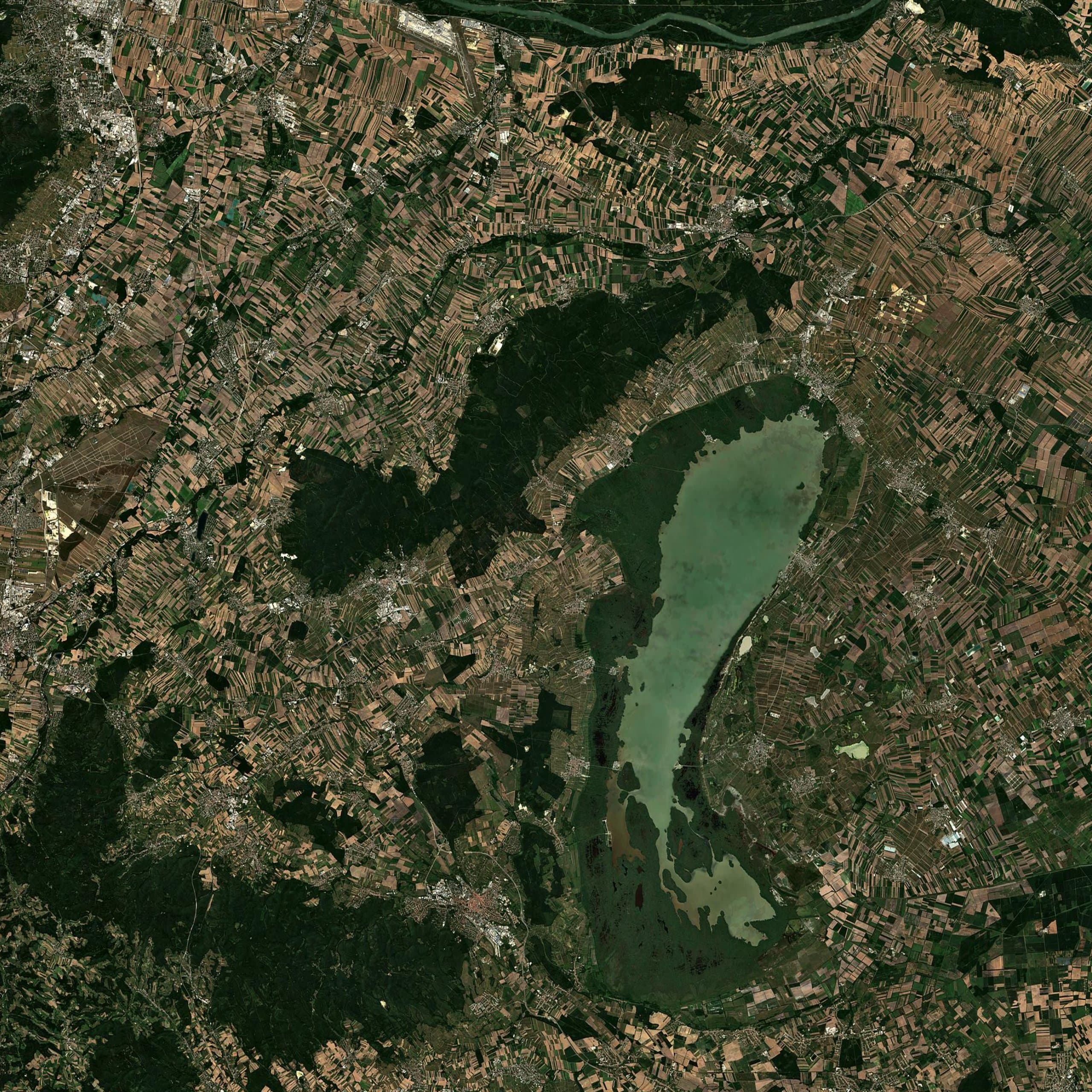
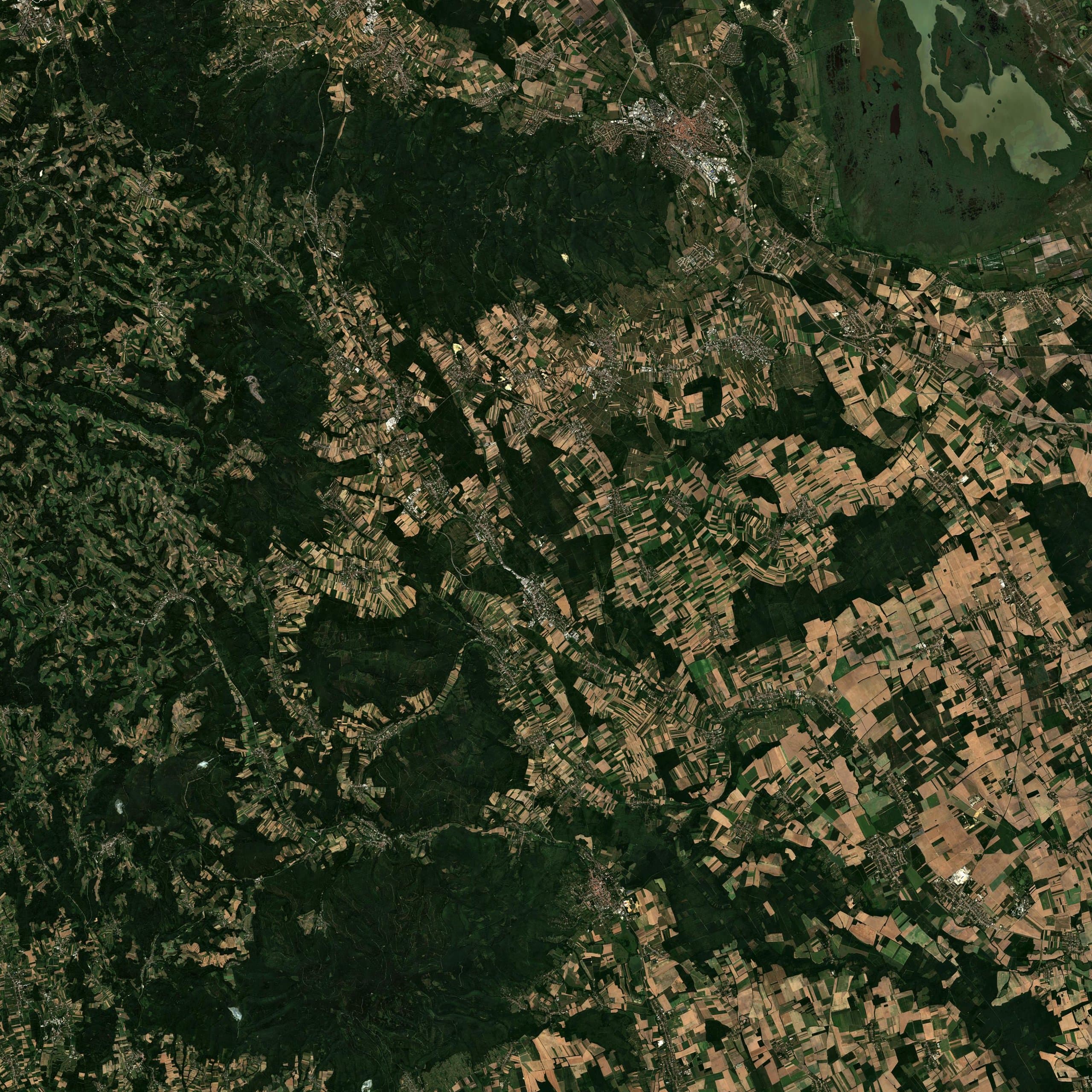
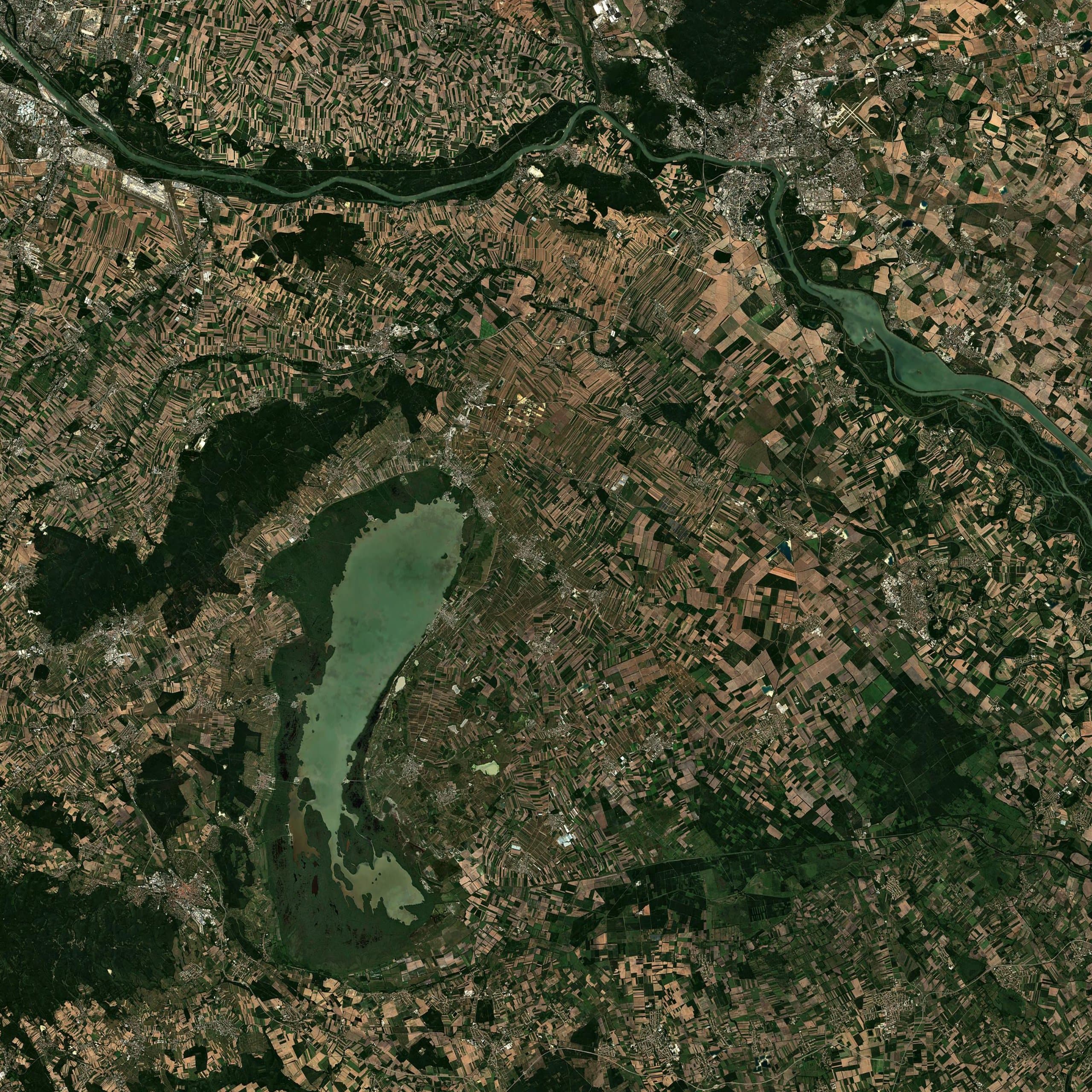
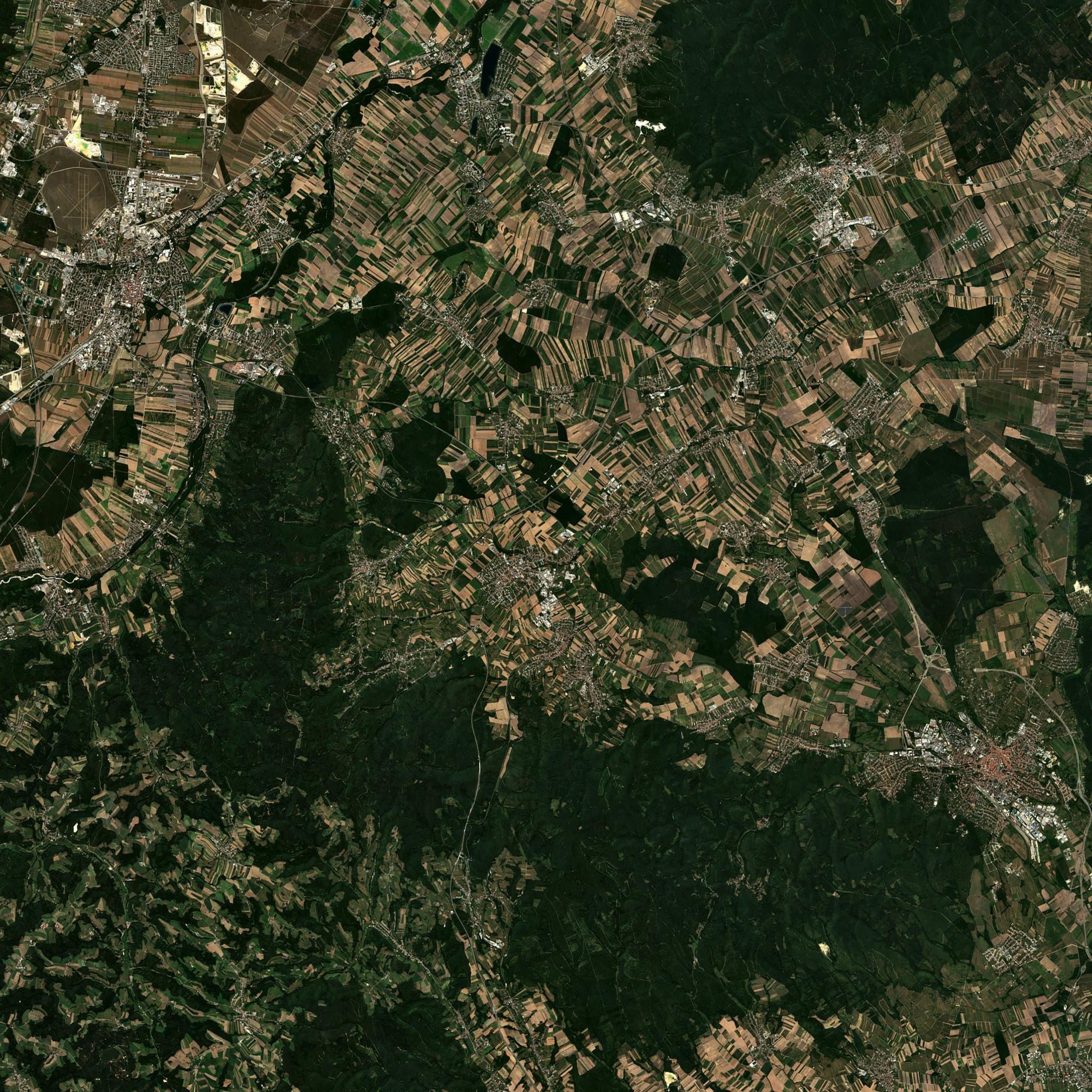
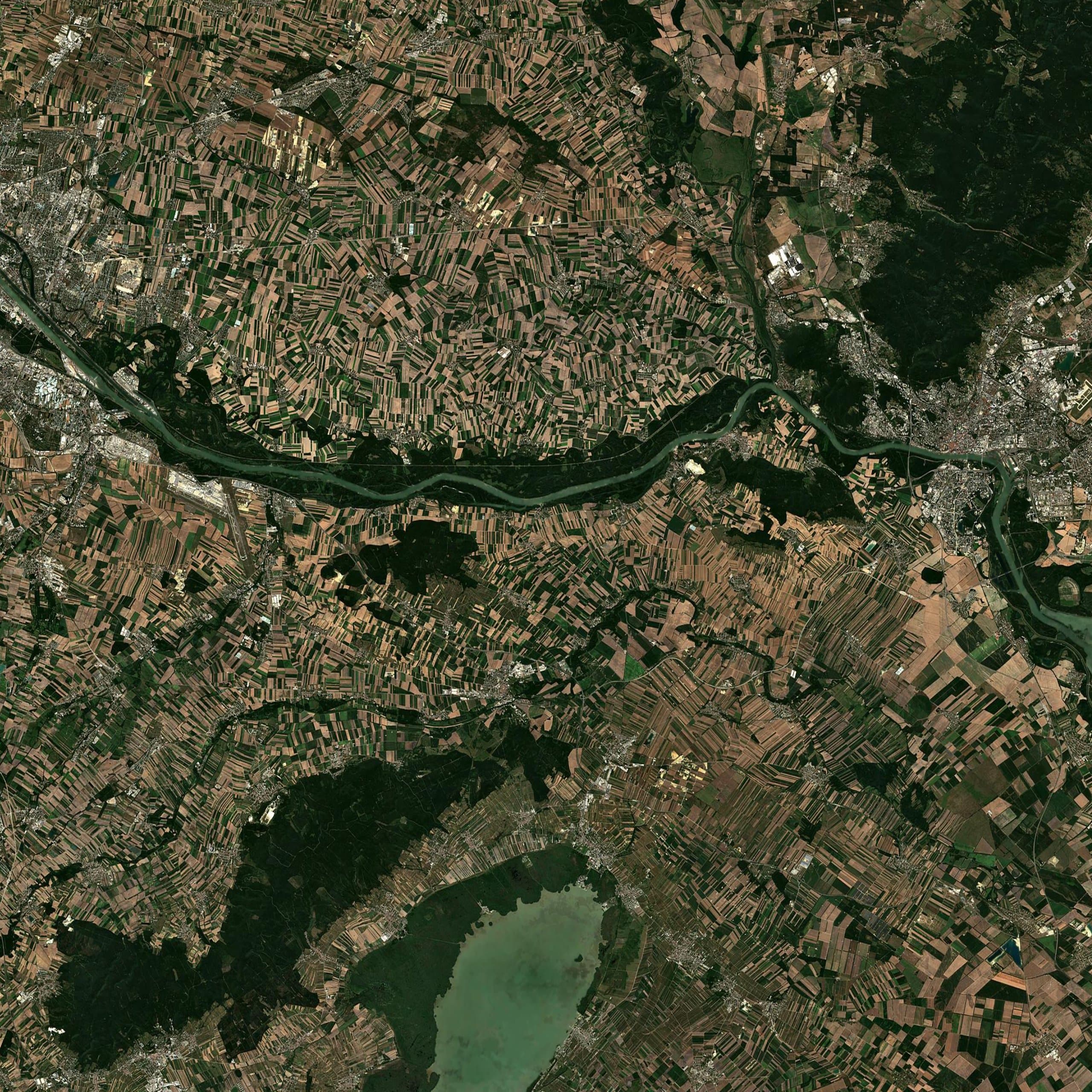
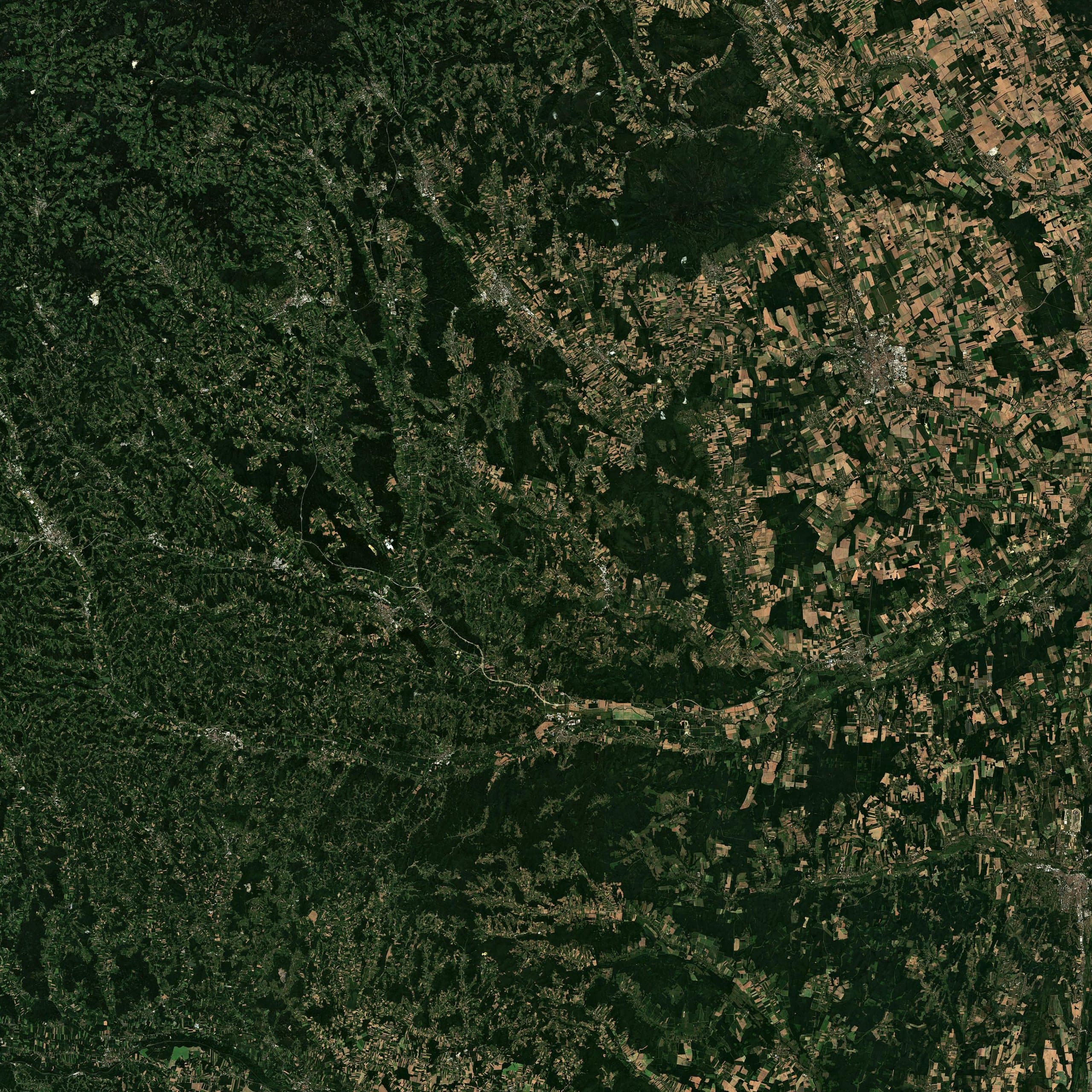
South of Vienna at the foot of the eastern Alps, where the Pannonian plain meets the limestone foothills. The region is unique for two indigenous white grapes — Zierfandler and Rotgipfler — that produce nutty, full-bodied whites found nowhere else. Rosé sparkling, dry whites, and Pinot Noir from limestone slopes round out the production. The Thermenregion takes its name from the thermal springs at Baden bei Wien.

Vintages

11 · 2015–2025

Rating:
95+
90-94
85-89
80-84
<80
PeakReadyHold
Year20252024202320222021202020192018201720162015
White

Outstanding Thermenregion Vintages

The best recent vintages rated excellent or exceptional.

White

2025

Ready
90Excellent

Fresh, vibrant, cooler-profiled whites with clear varietal spice.

2026Peak 2027–20292030

2024

At peak
90Excellent

Ripe, balanced whites in modest volume.

2026Peak 2026–20282029

2023

At peak
93Excellent

Deep, harmonious whites; the long autumn was made for these grapes.

2025Peak 2025–20282029

2022

At peak
91Excellent

Ripe, generous whites from a dry year, balanced by cool nights.

2024Peak 2024–20272028

2021

At peak
95Exceptional

A dream white vintage: concentrated, aromatic, impeccably balanced.

2023Peak 2024–20282030

2020

Drink up
90Excellent

Fresh, precise, cooler-styled whites with fine spice.

2022Peak 2022–20252027

2019

At peak
94Excellent

An outstanding vintage: deep, poised Zierfandler and complete Rotgipfler.

2021Peak 2022–20272029

2018

Drink up
91Excellent

Opulent, broad whites from a very hot year; impressive if less filigreed.

2020Peak 2021–20242026

2017

Drink up
93Excellent

Concentrated, nutty, textured whites; the indigenous pair thrived.

2019Peak 2020–20252027

2015

Drink up
93Excellent

Rich, honeyed Rotgipfler and spicy Zierfandler from a warm, complete year.

2017Peak 2019–20242027

What Thermenregion produces

White

Zierfandler and Rotgipfler are the regional indigenous specialties — full-bodied, nutty whites unique to the Thermenregion. Also Grüner Veltliner, Chardonnay, and Riesling.

Red

Pinot Noir (Sankt Laurent biotype), Pinot Noir, and Zweigelt from limestone slopes around Bad Vöslau and Sooß.

Similar styles

Lands in the same glass.

What it tastes like

Body

Medium

Acidity

Fresh

Tannin

Fine

Oak

A touch of oak

Ripeness

Ripe

Concentration

Medium

Reds

Medium-bodied and fresh, with silky tannin; cherry, raspberry and a little forest floor, the warm, spicy side of Austrian Pinot Noir and Sankt Laurent.

red fruit · spicy · earthy · silky

Body

Full

Acidity

Zippy

Oak

A touch of oak

Ripeness

Ripe

Concentration

Medium

Whites

Full-bodied and zippy; orchard fruit, citrus and a honeyed note, with a taut finish.

apple and pear · citrus · honeyed · nutty · spicy

Climate

PannonianContinentalWarm summersCold wintersSheltered

Continental with strong Pannonian influence: warm, dry summers and cold winters. The Vienna Woods to the west provide some protection from cold north-westerly weather; the open Pannonian plain to the east drives ripening.

Terroir

LimestoneDolomiteGravelClay

Limestone (Leithakalk and Wettersteinkalk), dolomitic gravel, and clay over former seabed deposits. The transition between the alpine foothills and the Pannonian basin gives a wide range of expositions and soils within short distances.
Typical Aromas

HoneyYellow appleBeeswaxWalnutQuinceSpiceWhite flowers
Explore the aroma wheel

More in Austria