
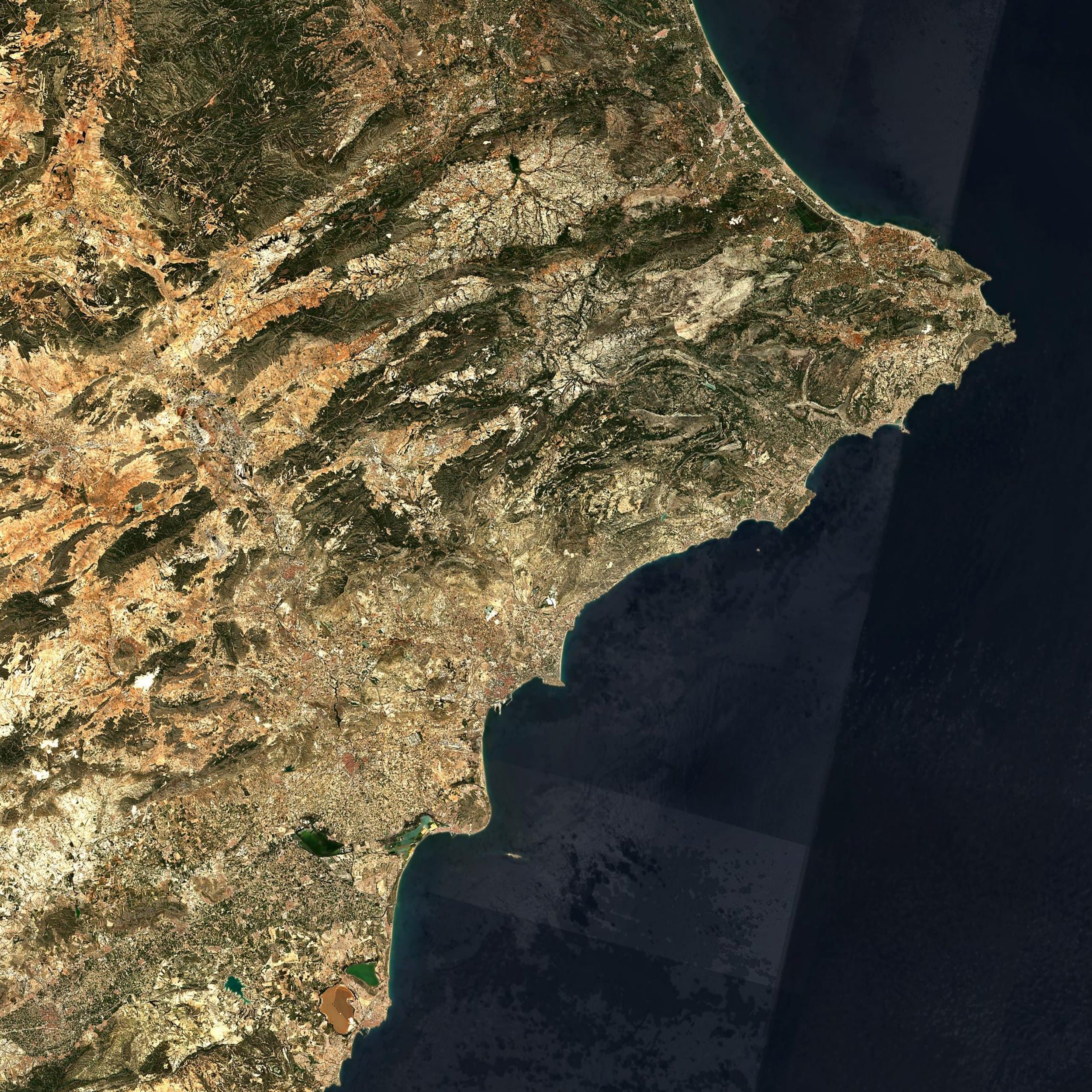
Spain
Alicante
Spain wine regions
About Alicante
Spain wine regions
Vintages
12 · 2014–2025
Outstanding Alicante Vintages
The best recent vintages rated excellent or exceptional.
Red
Subzonas
Classification System
Spanish Quality Hierarchy
Spain's wine-quality pyramid, administered under the EU Protected Designation of Origin (DOP) framework. The two top legal tiers — DOCa and DOQ — have only been awarded to two regions in the country. Every wine DO in Spain sits somewhere on this ladder.
DOCa / DOQ
Denominación de Origen Calificada (Castilian) / Denominació d'Origen Qualificada (Catalan). Spain's highest wine classification — awarded only to Rioja (1991) and Priorat (2009)
DO
Denominación de Origen — the main quality tier. Most Spanish wine regions (Bierzo, Rueda, Ribera del Duero, Rías Baixas, etc.) are DOs
Vinos de Pago (VP)
Single-estate designation for exceptional individual vineyards, outside the regional DO system. Currently around 20 properties nationwide (Dominio de Valdepusa, Pago de Otazu, etc.)
VC / Vino de Calidad
Vino de Calidad con Indicación Geográfica — a stepping-stone tier below DO, used by emerging regions building a track record toward full DO status
VT / Vino de la Tierra
Protected Geographical Indication (IGP) — a broader regional tier. Equivalent to France's IGP / Italy's IGT
Vino (without GI)
Basic table wine without a geographic designation
Aging Classification
Alicante uses Spain's standard aging tiers. In practice most estate Monastrell wines are bottled as Crianza or unaged single-vineyard cuvées rather than Gran Reserva, since the climate produces concentration without the long oak that Rioja relies on.
Gran Reserva
Minimum 5 years aging, 2 in oak
Reserva
Minimum 3 years aging, 1 in oak
Crianza
Minimum 2 years aging, 6 months in oak
Joven / Genérico
Young, unoaked or briefly oaked
Single-Vineyard Tier
A parcel-level mention introduced in the consolidated Pliego for terroir-driven wines that meet a stricter farming and yield standard.
Alicante Singular
Bush-vine (vaso) plantings, 25+ years old, hand-harvested, lower yields than the general DO. Surfaces the specific parcel on the label rather than the standard cuvée brand
Fondillón
DO Alicante's flagship category, protected by the EU alongside Sherry, Port and Champagne. Made only from Monastrell overripened on the vine, fermented to high natural alcohol with native yeasts, and aged at least 10 years in oak.
Fondillón Cosecha (vintage)
Single-vintage bottling, minimum 10 years in oak
Fondillón Solera
Criaderas y solera cascade; annual transfers capped at 20% so the average age stays at 10+ years. Primitivo Quiles's 1892 solera is the historical reference
What Alicante produces
Red
Monastrell-led, with two profiles. The inland Vinalopó style is dark, ripe, peppery, often dry-farmed bush-vine fruit from Villena, Pinoso, and Monóvar. The coastal Marina style is lighter, herb-lifted, and increasingly Giró-based around Llíber.
White
Moscatel d'Alejandría is the calling card on the coast, made dry, off-dry, and as a fortified vino de licor. Inland whites lean on Merseguera and Macabeo. Bocopa's Marina Alta is the benchmark fortified Moscatel.
Rosé
Mostly Monastrell-based, dry, with redcurrant and herbal lift.
Sparkling
A small category, mostly Moscatel-based traditional-method and Charmat from the Marina coast.
Dessert
Two traditions: Fondillón, a 10-year solera-aged red from overripe Monastrell (its own protected EU category), plus sweet fortified Moscatel from the Marina coast in the mistela tradition.
Regional appellations
Fondillón
DO Alicante's protected EU category, recognised alongside Sherry, Port and Champagne. 100% Monastrell overripened on the vine into November, fermented to a minimum of 16% natural alcohol, then aged at least 10 years in oak (vintage-dated or criaderas y solera). Travelled with Magellan in 1519 and appears in Dumas's Count of Monte Cristo. Today made by a handful of bodegas, anchored by Primitivo Quiles in Monóvar (oldest solera 1892).
Alicante Singular
A Pliego-defined tier for parcel-level wines from bush-vine (vaso) plantings, 25+ years old, hand-harvested at restricted yields. Surfaces specific terroir on the label rather than the standard cuvée brand.
Grapes of Alicante
What it tastes like
Body
Full
Acidity
Fresh
Tannin
Grippy
Oak
Some oak
Ripeness
Rich
Concentration
Concentrated
Reds
Full-bodied and ripe with firm tannin; black plum, garrigue and pepper, chewy and earthy with a long finish.
black fruit · herbal · spicy · earthy · chewy
Body
Lightish
Acidity
Fresh
Oak
No oak
Ripeness
Rich
Concentration
Medium
Whites
On the lighter side and fresh, with rich fruit; citrus, orchard fruit and a herbal edge.
citrus · apple and pear · herbal · floral · spicy
Body
Lightish
Acidity
Fresh
Tannin
Silky
Oak
No oak
Ripeness
Rich
Concentration
Medium
Rosés
On the lighter side and fresh, with silky tannin and rich fruit; black fruit, citrus and a herbal edge.
black fruit · citrus · herbal · floral · spicy
Body
Full
Acidity
Fresh
Tannin
Grippy
Oak
A touch of oak
Ripeness
Rich
Concentration
Medium
Sweet wines
Full-bodied, sweet and fresh, with grippy tannin and rich fruit; black fruit, citrus and a herbal edge.
black fruit · citrus · herbal · floral · spicy
Climate
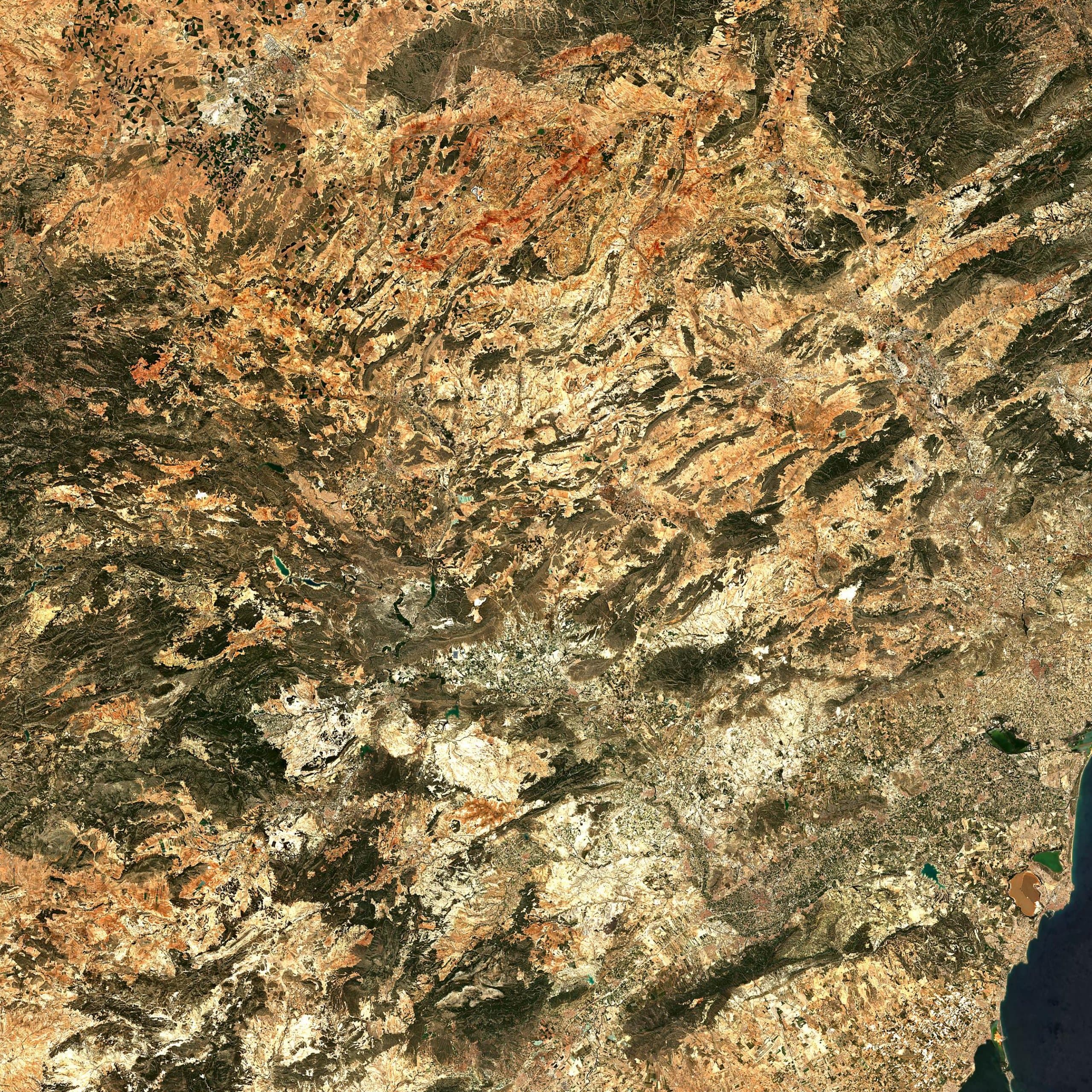
Two climates share one DO. The Marina coast around Dénia and Teulada is classic Mediterranean, humid and sea-tempered, where Moscatel ripens slowly in the salt air. The inland Vinalopó valley is another world: semi-arid, often under 300 mm of rain a year, with fierce summer sun and, at 400 to 700 metres around Pinoso and Villena, cool nights that keep Monastrell fresh through a long, dry season. That drought-and-sun regime is also what made Fondillón possible, letting Monastrell overripen on the vine before its long solera ageing.
Terroir
Limestone underpins almost everything. The Vinalopó interior is a plateau of pale calcareous soils, high in active lime, scattered with calcareous pebbles and veins of gypsum, where dry-farmed old bush vines of Monastrell root deep to survive. On the Marina coast the ground softens to sandy-clay over limestone, on low terraces and hillsides close enough to the sea that Moscatel vineyards look straight out over the water.
Typical Aromas
More in Spain
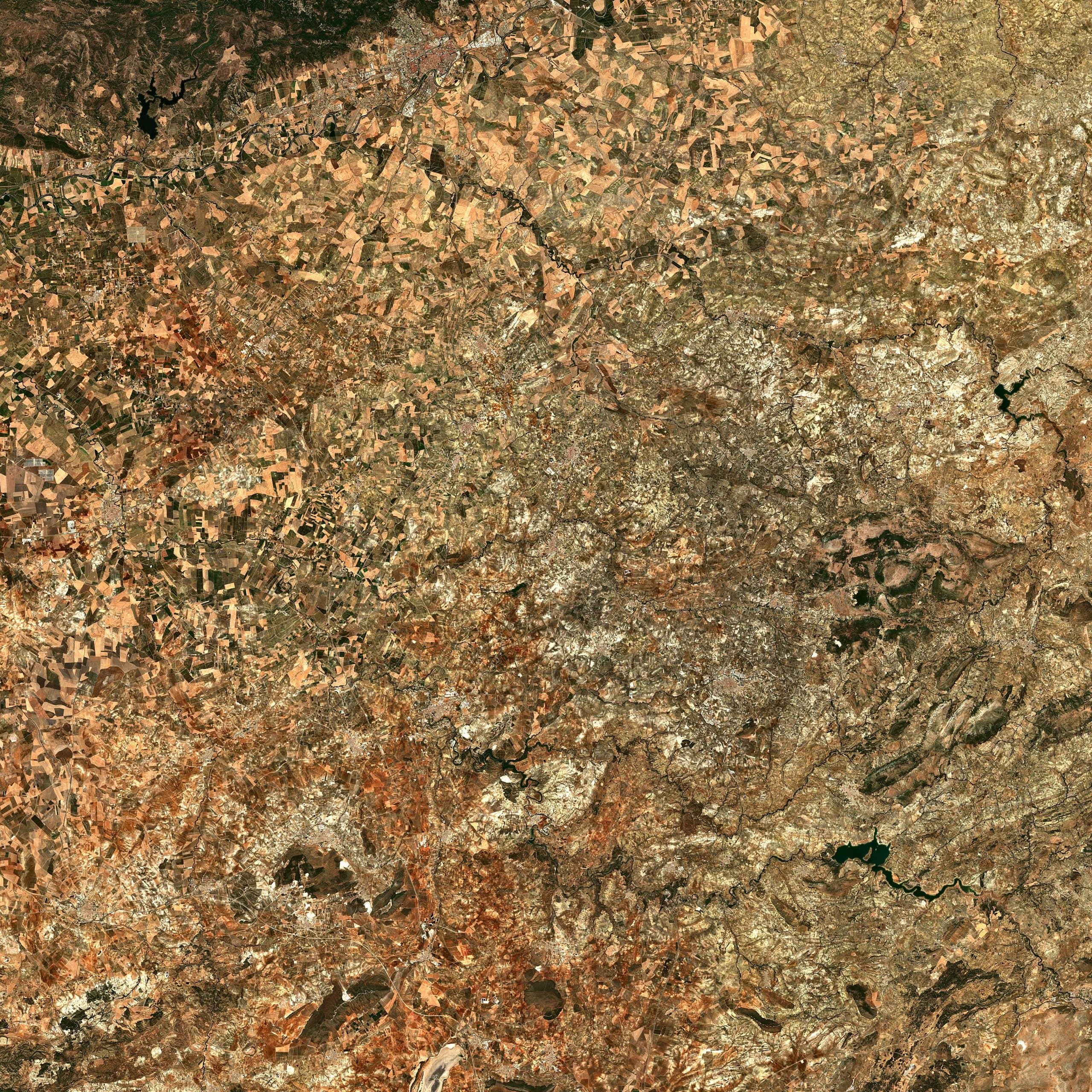
Map data: Pliego de Condiciones DOP Alicante (Generalitat Valenciana, 2024 consolidated version) · Municipio boundaries © OpenStreetMap contributors (ODbL)