CorkCork
Costers del Segre

Spain

Costers del Segre

RiojaRiojaRibera del DueroRibera del DueroRías BaixasRías BaixasPrioratPrioratMontsantMontsantPenedèsPenedèsNavarraNavarraJerezJerezJumillaJumillaValenciaValenciaMallorcaMallorcaRuedaRuedaToroToroBierzoBierzoRibeira SacraRibeira SacraValdeorrasValdeorrasRibeiroRibeiroMonterreiMonterreiMontilla-MorilesMontilla-MorilesVinos de MadridVinos de MadridAlicanteAlicanteSomontanoSomontanoMálagaMálagaCosters del SegreCosters del Segre

Spain wine regions

About Costers del Segre

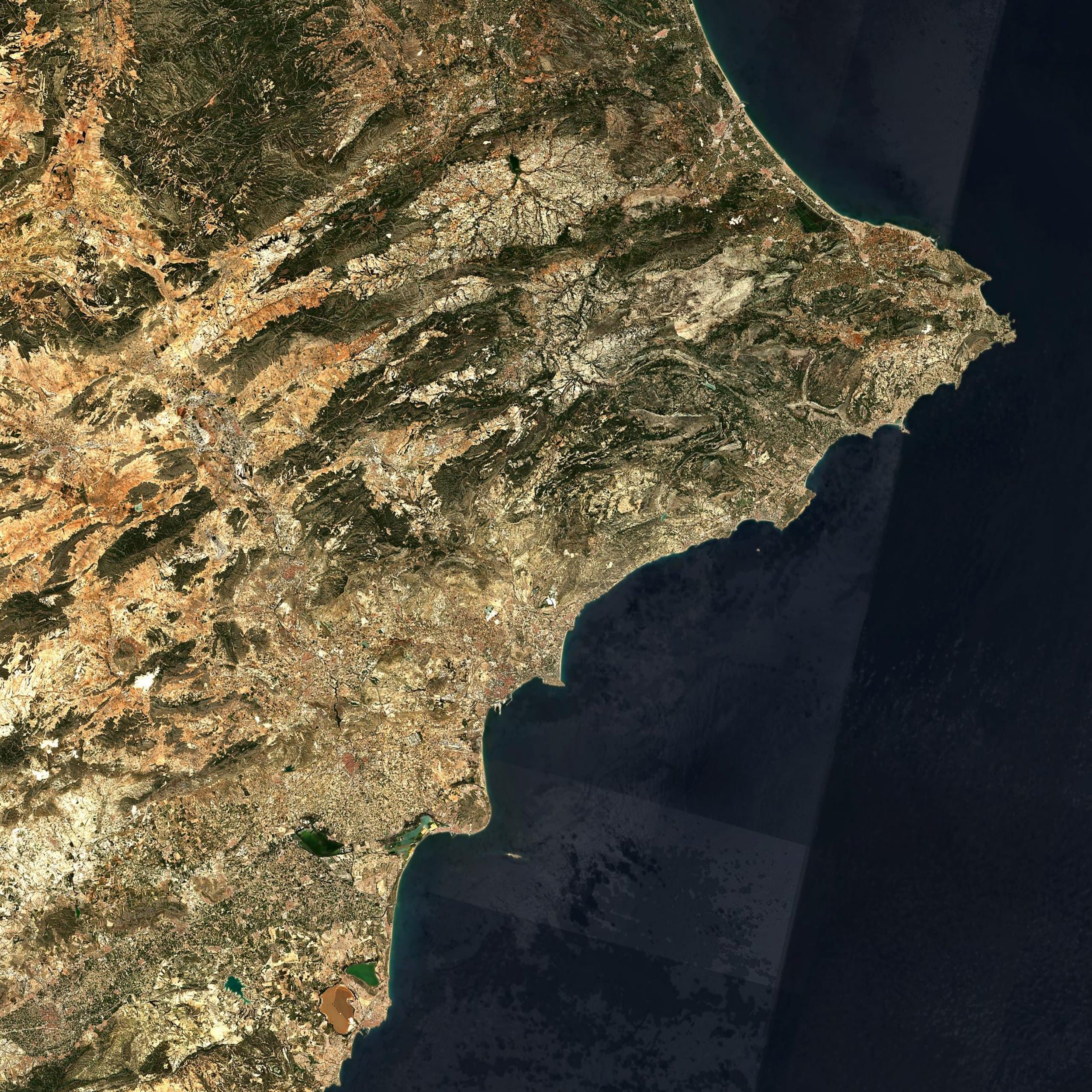
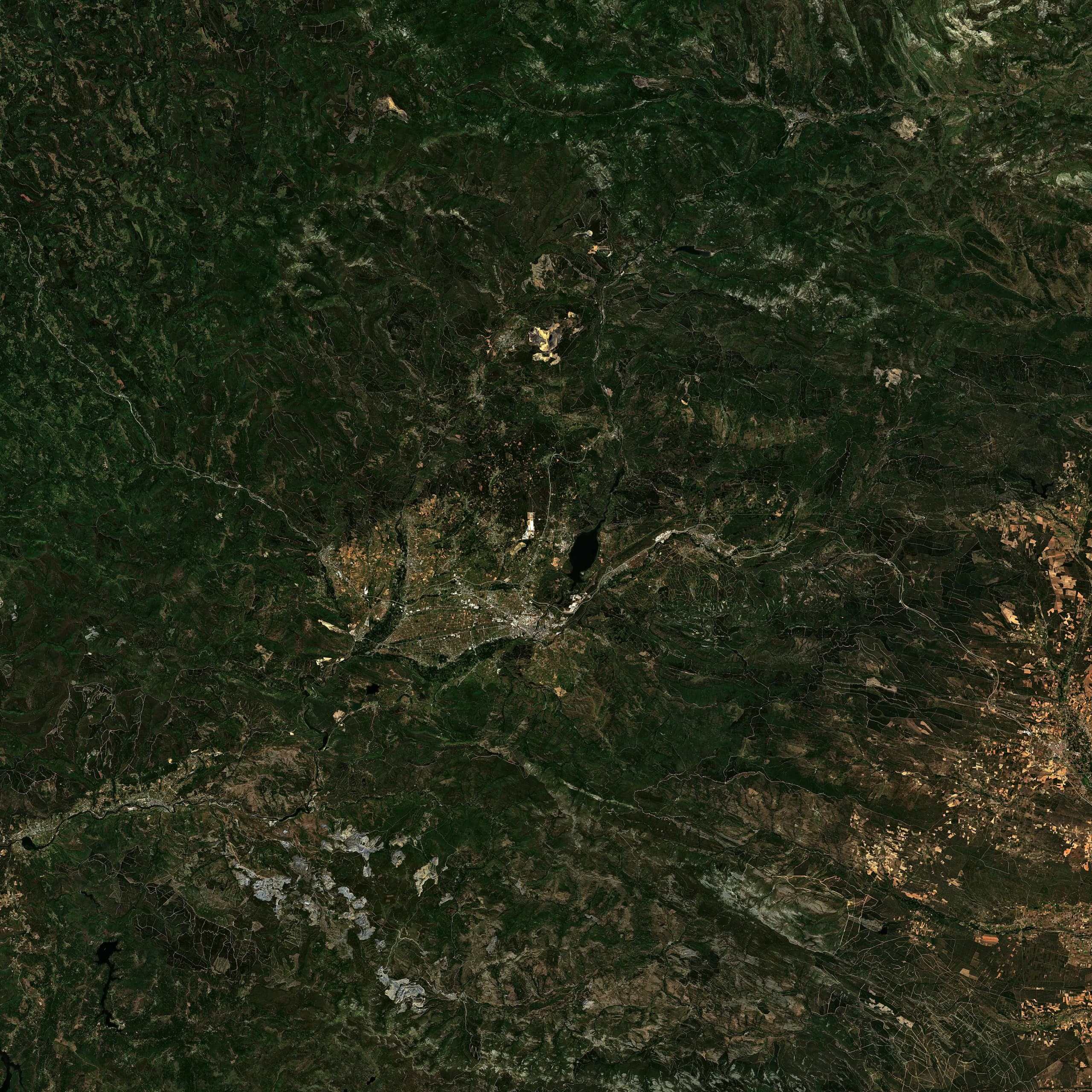
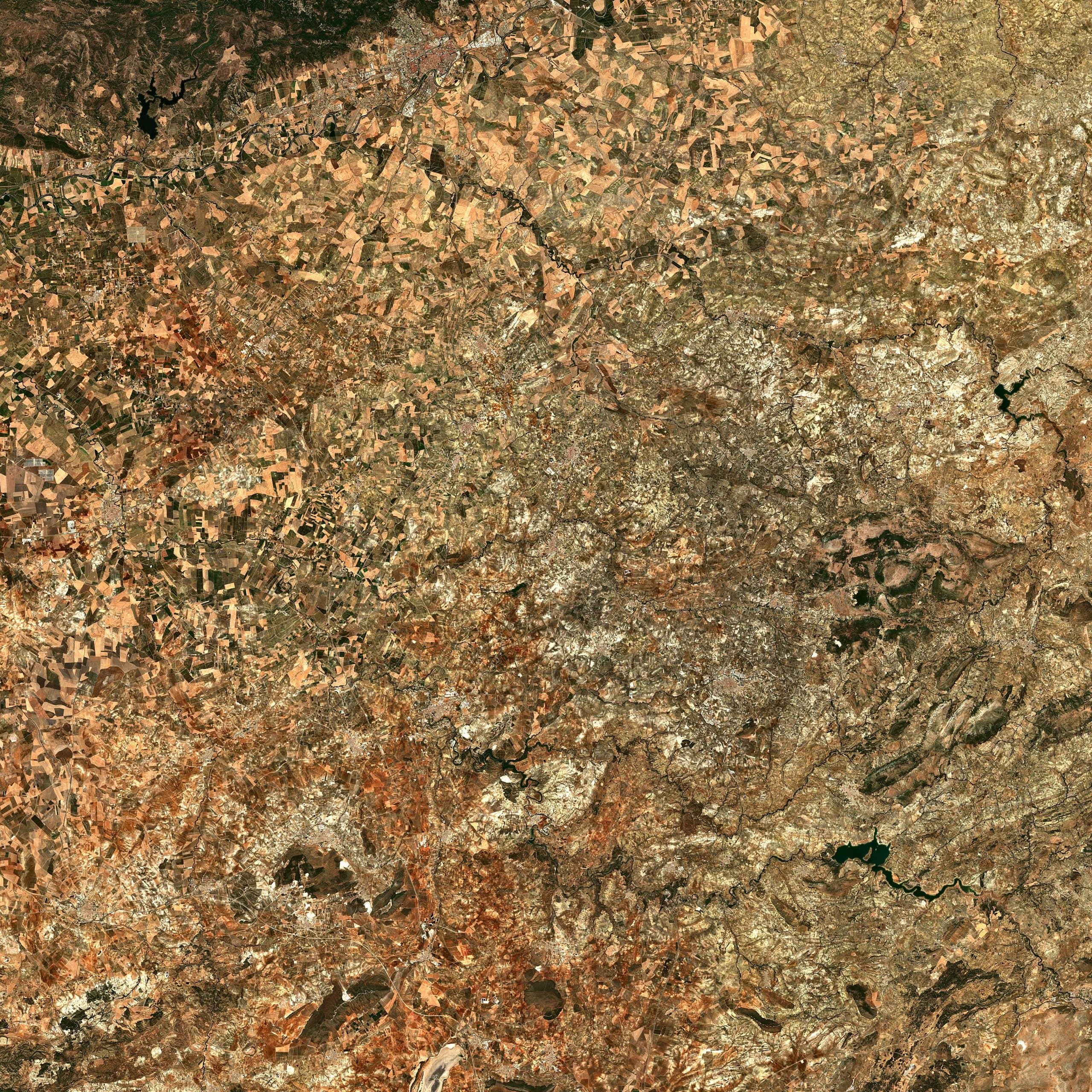
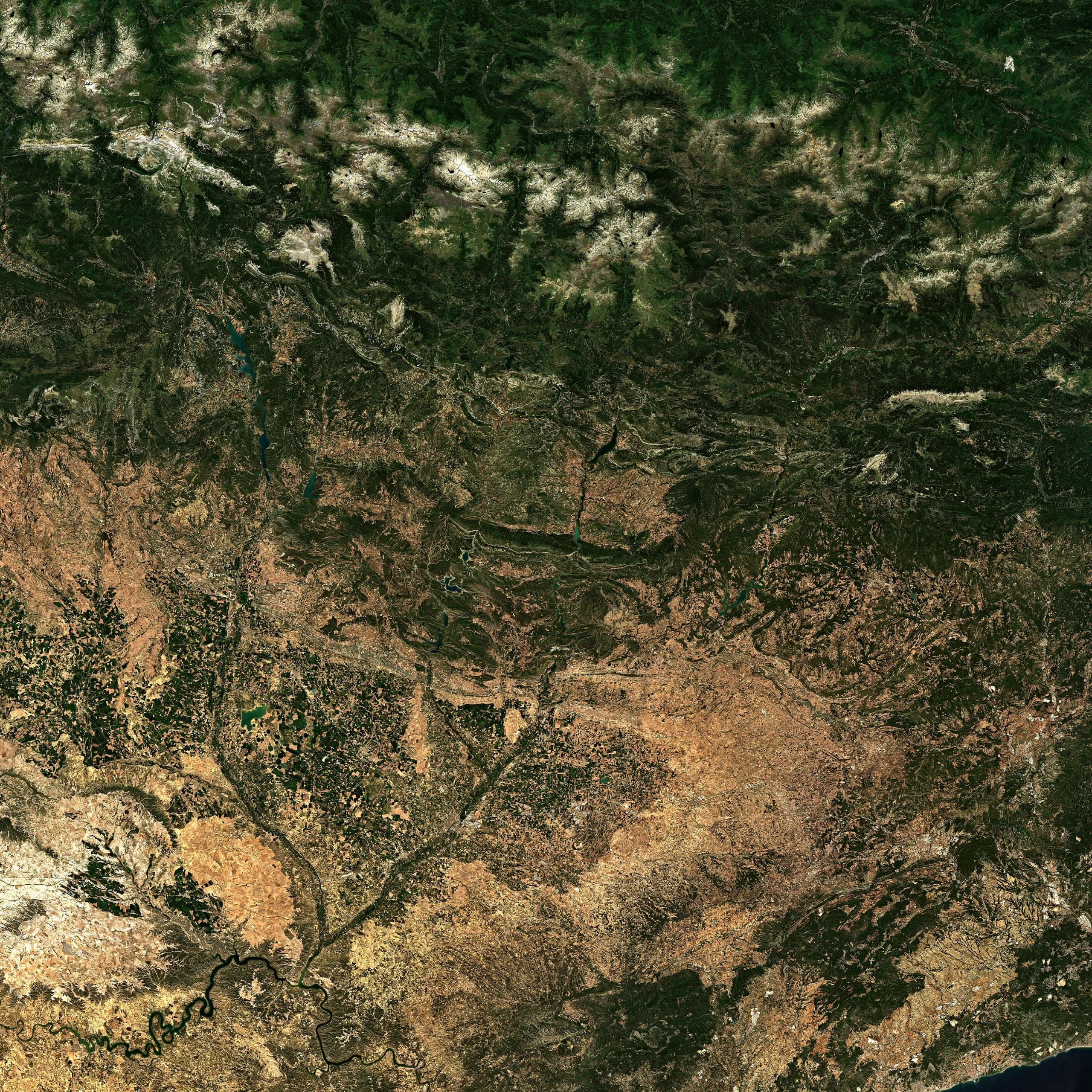
Costers del Segre is the wine country of inland Lleida, the Catalan province most people skip on the way from Barcelona to the Pyrenees. Seven scattered sub-zones trace the Segre river from desert-flat Raimat outside the city up to Pallars Jussà at 1,000 metres in the Pyrenean foothills, which is why no two wines from the DO taste alike. It is also the most internationally permissive Catalan DO: a single producer can bottle a Bordeaux blend, a high-altitude Riesling, and an old-vine Garnatxa under the same designation. Raül Bobet at Castell d'Encus, the Raventós-Codorníu family at the 3,000-hectare Raimat estate, and Tomàs Cusiné's group of cellars in Les Garrigues anchor the modern identity, which is closer to a Catalan experimental laboratory than a heritage appellation.

Subzonas

Classification System

Spain's wine-quality pyramid, administered under the EU Protected Designation of Origin (DOP) framework. The two top legal tiers — DOCa and DOQ — have only been awarded to two regions in the country. Every wine DO in Spain sits somewhere on this ladder.

DOCa / DOQ

Denominación de Origen Calificada (Castilian) / Denominació d'Origen Qualificada (Catalan). Spain's highest wine classification — awarded only to Rioja (1991) and Priorat (2009)

DO

Denominación de Origen — the main quality tier. Most Spanish wine regions (Bierzo, Rueda, Ribera del Duero, Rías Baixas, etc.) are DOs

Vinos de Pago (VP)

Single-estate designation for exceptional individual vineyards, outside the regional DO system. Currently around 20 properties nationwide (Dominio de Valdepusa, Pago de Otazu, etc.)

VC / Vino de Calidad

Vino de Calidad con Indicación Geográfica — a stepping-stone tier below DO, used by emerging regions building a track record toward full DO status

VT / Vino de la Tierra

Protected Geographical Indication (IGP) — a broader regional tier. Equivalent to France's IGP / Italy's IGT

Vino (without GI)

Basic table wine without a geographic designation

What Costers del Segre produces

Red

Two profiles coexist: structured Bordeaux blends and Syrah from Raimat and Les Garrigues, and lifted, cooler Garnatxa and Pinot Noir from the high sub-zones, with wild herbs and peppery lift on top of dark fruit.

White

Macabeu, Xarel·lo, and Parellada from the lower sub-zones lean classical and saline. Pallars Jussà gives Spain's most credible Riesling and a genuinely Atlantic-feeling Albariño.

Rosé

Mostly Garnatxa-based, pale and dry, with redcurrant and white pepper rather than the candied style of warmer Spain.

Sparkling

Traditional-method bottlings (often classified as Cava) from Raimat and the central sub-zones, built on Macabeu, Xarel·lo, Parellada, and Chardonnay.

Grapes of Costers del Segre

Pinot Noir

Body
Tannins
Sweetness
Acidity
strawberryraspberryred cherryviolet

Castell d'Encus's Acusp planting at 1,000 m in Pallars Jussà is the reference; a few estates in Les Garrigues have followed

Chardonnay

Body
Sweetness
Acidity
green applelemonpearnectarine

Planted heavily at Raimat for both still wine and sparkling base, ripening with restraint thanks to wide diurnal swings

Syrah

Body
Tannins
Sweetness
Acidity
blackberryblack cherryblack pepperolive

Cool-climate Syrah from Castell d'Encus's Thalarn and Torres's Purgatori sits between Northern Rhône lift and Mediterranean spice

Grenache

Garnacha in Costers del Segre

Body
Tannins
Sweetness
Acidity
strawberryplumred cherrywhite pepper

Old-vine Garnatxa in Les Garrigues gives the spiced, red-fruited reds that anchor the DO's value tier; resembles a quieter, less mineral cousin of Priorat from the same calcareous belt

Cabernet Sauvignon

Body
Tannins
Sweetness
Acidity
blackcurrantgreen bell peppermintcedar

The flagship variety of Raimat since the Raventós family planted French varieties in the 1970s. Used alone and as the spine of estate Bordeaux blends across the central sub-zones

Riesling

Body
Sweetness
Acidity
green applelimelemonwhite peach

Castell d'Encus grows it at 1,000 metres in Pallars Jussà, where late-ripening conditions yield a taut, citrus and stone-fruit style closer to Alsace than to Spain

Albariño

Body
Sweetness
Acidity
lemongrapefruitpeachapricot

A small recent planting at altitude in Pallars Jussà gives a genuinely Atlantic-feeling Albariño, unusual this far inland in Spain

Macabeo

Body
Sweetness
Acidity
green applewhite flowerscitrusalmond

Grown across all seven sub-zones, lemony and saline at altitude; the workhorse base for both still whites and traditional-method sparklers

Parellada

Body
Sweetness
Acidity
green applecitruswhite flowerspear

The lightest of the classic Cava trio, planted at higher altitude in the central sub-zones for lifted, citrus-driven sparkling base wine

Tempranillo

Cencibel in Costers del Segre

Body
Tannins
Sweetness
Acidity
strawberryraspberryplumcherry

A supporting red across the lower sub-zones, typically blended with Cabernet, Garnatxa or Syrah rather than bottled solo

Xarel-lo

Body
Sweetness
Acidity
green applepearherbsfennel

A minor but established white, especially around Raimat, where it goes into traditional-method sparkling alongside Macabeu and Parellada

Climate

ContinentalSemi-aridHigh diurnal rangeAltitude-temperedPyrenean influence

Continental to the point of extremes. The Lleida plain is one of the driest corners of Catalonia, with roughly 300 to 450 mm of rain a year, summers that push well past 35C, and cold winters wrapped in the plain's famous low fog. Day-night temperature swings are wide everywhere, and altitude resets the whole equation in the Pyrenean foothills: up in Pallars, vineyards near 1,000 metres ripen slowly in genuinely cool mountain air.

Terroir

CalcareousLimestone and clayLow organic matter

Poor, pale calcareous soils of limestone and clay, low in organic matter, stretch across most of the DO's scattered sub-zones along the Segre river. The land climbs from around 200 metres on the plain near Lleida to about 1,000 metres in Pallars Jussà. Raimat is the emblematic transformation: a semi-arid, salt-crusted estate the Raventós family bought in 1914 and turned into vineyard with canal irrigation, while Les Garrigues grows old vines on stony, sun-baked slopes.

Typical Aromas

Black cherryWild fennelThymeCrushed stoneWhite pepperCitrus peelChamomileBay leaf
Explore the aroma wheel

More in Spain

Map data: Pliego de Condiciones DOP Costers del Segre (Modificación 05, INCAVI · BOE-B-2026-13645) · Raimat EMD polygon: ICGC, Institut Cartogràfic i Geològic de Catalunya (CC BY 4.0) · Municipi boundaries © OpenStreetMap contributors (ODbL)