
Spain
Montilla-Moriles
Spain wine regions
About Montilla-Moriles
Spain wine regions
Zonas de Calidad
Classification System
Spanish Quality Hierarchy
Spain's wine-quality pyramid, administered under the EU Protected Designation of Origin (DOP) framework. The two top legal tiers — DOCa and DOQ — have only been awarded to two regions in the country. Every wine DO in Spain sits somewhere on this ladder.
DOCa / DOQ
Denominación de Origen Calificada (Castilian) / Denominació d'Origen Qualificada (Catalan). Spain's highest wine classification — awarded only to Rioja (1991) and Priorat (2009)
DO
Denominación de Origen — the main quality tier. Most Spanish wine regions (Bierzo, Rueda, Ribera del Duero, Rías Baixas, etc.) are DOs
Vinos de Pago (VP)
Single-estate designation for exceptional individual vineyards, outside the regional DO system. Currently around 20 properties nationwide (Dominio de Valdepusa, Pago de Otazu, etc.)
VC / Vino de Calidad
Vino de Calidad con Indicación Geográfica — a stepping-stone tier below DO, used by emerging regions building a track record toward full DO status
VT / Vino de la Tierra
Protected Geographical Indication (IGP) — a broader regional tier. Equivalent to France's IGP / Italy's IGT
Vino (without GI)
Basic table wine without a geographic designation
Generoso Styles
Montilla-Moriles parallels Sherry's spectrum of fortified and fortified-style wines, but built around Pedro Ximénez instead of Palomino. The solera system blends vintages, so wines are labelled by style rather than year.
Fino
Bone-dry, aged biologically under a layer of flor yeast
Amontillado
Begins under flor, then oxidatively aged after the flor dies; amber, nutty
Oloroso
Oxidatively aged without flor from the start; dark, rich, walnut and tobacco notes
Palo Cortado
A rare style combining Amontillado aromatics with Oloroso body
Pedro Ximénez (PX)
Intensely sweet wine from sun-dried grapes, near-black and viscous
Origin & Age
The DO distinguishes a premium zone (Zona de Calidad Superior) and recognises age-dated wines via the VOS and VORS categories.
VORS
Very Old Rare Sherry-style — solera average age of 30+ years, a mark of exceptional concentration
VOS
Very Old Sherry-style — solera average age of 20+ years
Zona de Calidad Superior
The prime albariza heartland: Montilla, Moriles, Aguilar de la Frontera, Cabra, Castro del Río
DO Montilla-Moriles
The broader production zone, on ruedos (sandy clay) and other soils
What Montilla-Moriles produces
White
The sherry-style spectrum built around Pedro Ximénez: bone-dry Fino under flor, oxidative Amontillado / Oloroso / Palo Cortado. Higher natural alcohol than Jerez — many generosos go unfortified.
Dessert
Pedro Ximénez (PX) — the region's signature sweet wine from sun-dried grapes, near-black and viscous, with raisin, fig, molasses, and coffee. The world's most concentrated fortified-style sweet wine.
Regional appellations
Fino
Bone-dry Montilla-Moriles aged biologically under a layer of flor yeast, similar to its Jerez sibling but naturally higher in alcohol.
Amontillado
Starts under flor, then oxidatively aged after the flor dies. Amber, nutty, with hazelnut and caramel notes.
Oloroso
Fully oxidative aging from the start, no flor. Dark, rich, with walnut, tobacco, and dried-fruit depth.
Palo Cortado
A rare in-between style: Amontillado aromatics with Oloroso body. Prized by connoisseurs.
Pedro Ximénez
The region's signature sweet wine from sun-dried PX grapes, near-black and viscous, with raisin, fig, molasses, and coffee. The world's most concentrated fortified-style sweet wine.
Similar styles
Lands in the same glass.
Grapes of Montilla-Moriles
What it tastes like
Body
Medium
Acidity
Gentle
Oak
No oak
Ripeness
Ripe
Concentration
Medium
Medium-bodied and bone dry, rounder and less salty than its Jerez cousins; almond, bread dough and chamomile from the flor, with a nutty, savoury finish.
nutty · savoury · chalky · broad · long finish
Climate
Hot, dry Andalusian continental climate with fierce summers (regularly over 40°C) and mild winters. The inland location means less Atlantic moderation than Jerez — PX can ripen to extraordinary sugar levels without fortification. Autumn winds are crucial for the sun-drying of Pedro Ximénez, spread out on grass mats (paseras) after harvest.
Terroir
Albariza (chalky, calcium-carbonate-rich marl) defines the Zona de Calidad Superior — the same soil that underpins Jerez, with remarkable water retention. Beyond the Superior zone, ruedos (sandy-clay) and albero (yellowish lighter chalk) soils dominate. The best sites sit on the Sierra de Montilla and Moriles Altos hills.
Typical Aromas
More in Spain
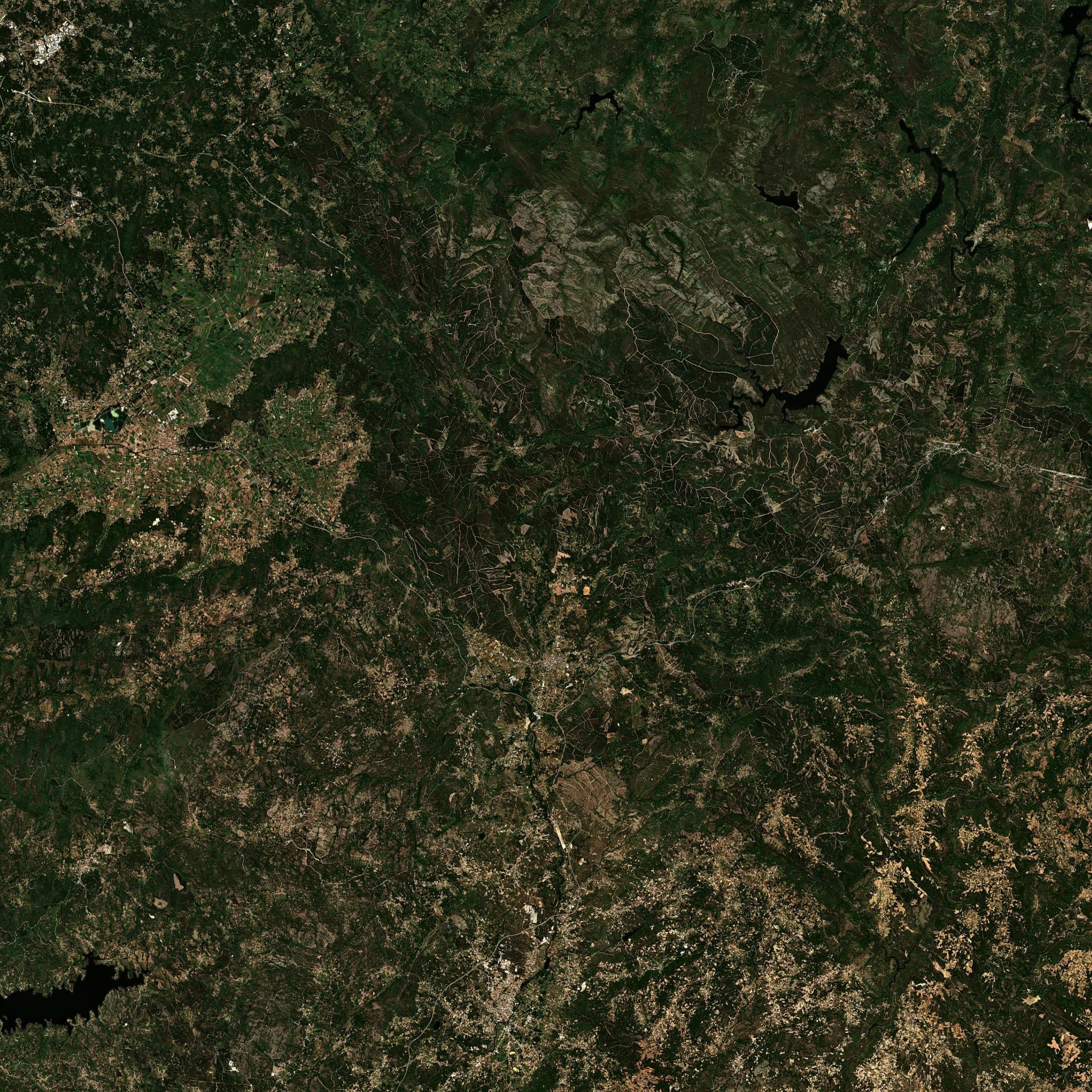
Map data: Consejo Regulador D.O. Montilla-Moriles · Municipio boundaries © OpenStreetMap contributors (ODbL)