CorkCork
Montsant

Spain

Montsant

RiojaRiojaRibera del DueroRibera del DueroRías BaixasRías BaixasPrioratPrioratPenedèsPenedèsNavarraNavarraJerezJerezJumillaJumillaValenciaValenciaMallorcaMallorcaRuedaRuedaToroToroBierzoBierzoRibeira SacraRibeira SacraValdeorrasValdeorrasRibeiroRibeiroMonterreiMonterreiMontilla-MorilesMontilla-MorilesVinos de MadridVinos de MadridAlicanteAlicanteCosters del SegreCosters del SegreSomontanoSomontanoMálagaMálagaPaís VascoPaís VascoMontsantMontsant

Spain wine regions

About Montsant

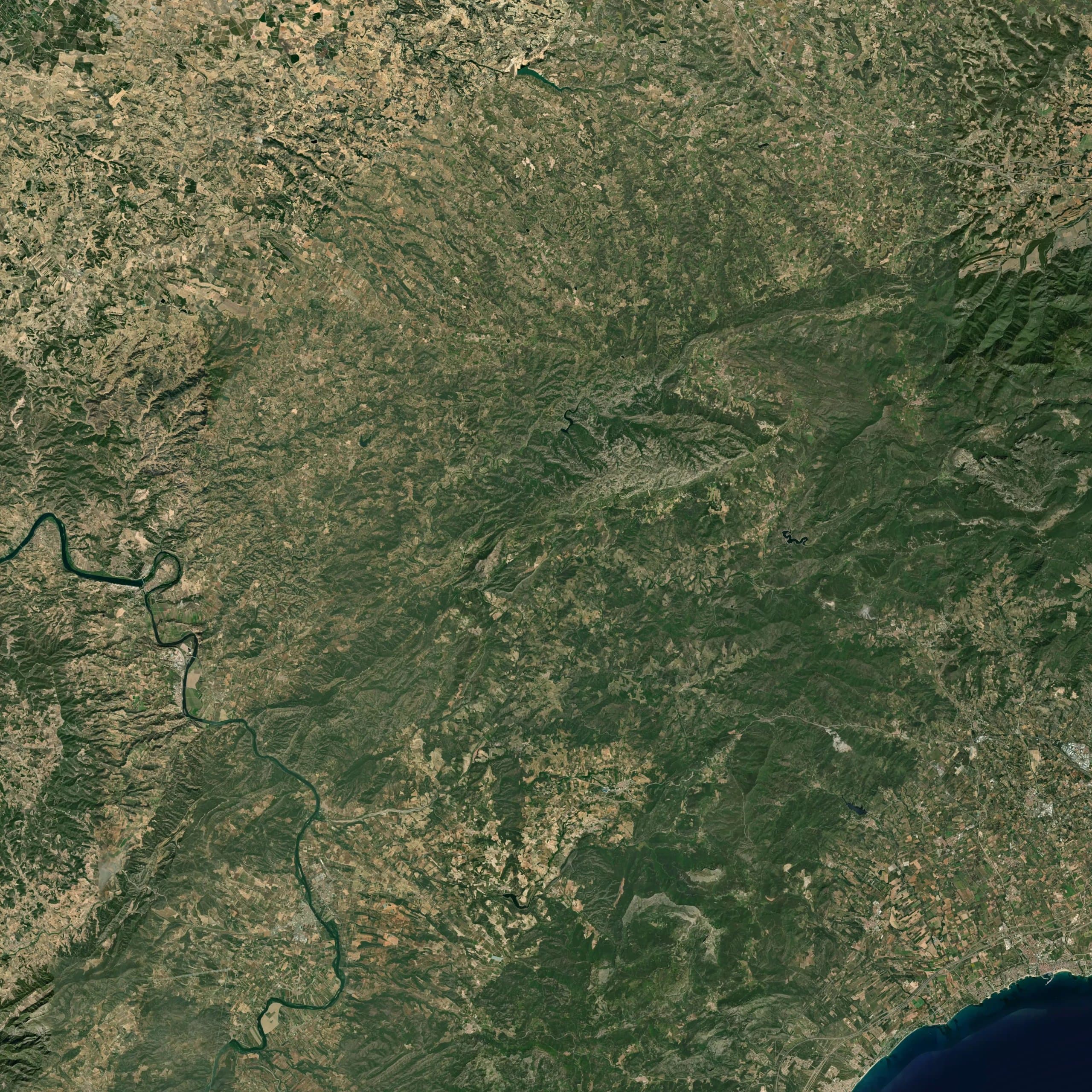
Tucked into the rugged Serra de Montsant range in southern Catalonia, DO Montsant forms a horseshoe around its more famous neighbor Priorat and shares much of its geography, altitude, and old-vine heritage. The soils are a patchwork of clay, limestone, sand, and the celebrated llicorella (slate) that spills over from Priorat, and the climate is Mediterranean with cooling influence from the mountains. Garnacha and Cariñena from gnarled old bush vines are the stars, producing reds that match Priorat for depth but often show more freshness and approachability at a fraction of the price. A new generation of small, terroir-focused producers is exploring single-village and single-vineyard bottlings, making Montsant one of Spain's most exciting value regions for serious reds.

100–1163 m

Elevation range

red

Wine styles

16 Appellations

Avg. slope 12.5°

Vintages

28 · 1998–2025

Rating:
95+
90-94
85-89
80-84
<80
PeakReadyHold
Year2025202420232022202120202019201820172016201520142013201220112010200920082007200620052004200320022001200019991998
Red

Outstanding Montsant Vintages

The best recent vintages rated excellent or exceptional.

Red

2021

Ready
90Excellent

Bright, focused wines with lively acidity. A fresh, food-friendly year.

2024Peak 2027–20342037

2020

At peak
90Excellent

Balanced, expressive wines. Strong across the region.

2023Peak 2026–20332036

2019

At peak
93Excellent

Standout year. Depth and approachability in rare balance.

2022Peak 2026–20362040

2016

At peak
93Excellent

Excellent vintage. Ripe fruit with freshness and structure.

2020Peak 2024–20332036

2005

At peak
93Excellent

Benchmark vintage. Balanced and expressive.

2009Peak 2015–20262030

2004

Drink up
90Excellent

Ripe and dense. Top wines still showing well.

2008Peak 2013–20242028

Municipios

Classification System

Spanish Quality Hierarchy

Spain's wine-quality pyramid, administered under the EU Protected Designation of Origin (DOP) framework. The two top legal tiers — DOCa and DOQ — have only been awarded to two regions in the country. Every wine DO in Spain sits somewhere on this ladder.

DOCa / DOQ

Denominación de Origen Calificada (Castilian) / Denominació d'Origen Qualificada (Catalan). Spain's highest wine classification — awarded only to Rioja (1991) and Priorat (2009)

DO

Denominación de Origen — the main quality tier. Most Spanish wine regions (Bierzo, Rueda, Ribera del Duero, Rías Baixas, etc.) are DOs

Vinos de Pago (VP)

Single-estate designation for exceptional individual vineyards, outside the regional DO system. Currently around 20 properties nationwide (Dominio de Valdepusa, Pago de Otazu, etc.)

VC / Vino de Calidad

Vino de Calidad con Indicación Geográfica — a stepping-stone tier below DO, used by emerging regions building a track record toward full DO status

VT / Vino de la Tierra

Protected Geographical Indication (IGP) — a broader regional tier. Equivalent to France's IGP / Italy's IGT

Vino (without GI)

Basic table wine without a geographic designation

Aging Classification

Montsant has no formal sub-DO or village hierarchy — it's a single ring-shaped DO wrapping around Priorat. Wines are distinguished primarily by grape composition and aging.

Gran Reserva

Minimum 5 years aging (2 in oak)

Reserva

Minimum 3 years aging (1 in oak)

Crianza

Minimum 2 years aging (6 months in oak)

Jove / Joven

Young wines without aging requirements — a major category for Montsant's fresh, fruit-driven reds

What Montsant produces

Red

Garnacha and Cariñena from Priorat's neighbour, excellent value.

Grapes of Montsant

Syrah

Body
Tannins
Sweetness
Acidity
blackberryblack cherryblack pepperolive

A modern addition, often blended with Garnacha and Cariñena to add spice and color

Grenache

Garnacha in Montsant

Body
Tannins
Sweetness
Acidity
strawberryplumred cherrywhite pepper

Known as Garnacha, the signature grape. Old bush vines on clay, limestone, and llicorella slate produce deep, perfumed reds with Mediterranean herb notes

Cabernet Sauvignon

Body
Tannins
Sweetness
Acidity
blackcurrantgreen bell peppermintcedar

A minor but officially authorized variety, usually in small blending proportions

Merlot

Body
Tannins
Sweetness
Acidity
plumblackberrystrawberrybay leaf

Occasionally blended with Garnacha and Cariñena for softness and fruit

Carignan

Cariñena in Montsant

Body
Tannins
Sweetness
Acidity
black cherryplumblackberryrosemary

Known as Cariñena (or Samsó), valued for its acidity, grip, and savory character. Old-vine Carignan from Montsant produces some of Spain's most structured, age-worthy reds

Grenache Blanc

Garnacha Blanca in Montsant

Body
Sweetness
Acidity
green applepearwhite peachanise

Known as Garnatxa Blanca, yields textured whites with stone fruit and a saline edge

Macabeo

Body
Sweetness
Acidity
green applewhite flowerscitrusalmond

The main white grape, producing fresh, citrus-driven whites, sometimes blended with Garnacha Blanca

Muscat of Alexandria

Moscatel de Alejandría in Montsant

Body
Sweetness
Acidity
orange blossomgrapejasmineapricot

Known as Moscatel, used for fresh aromatic whites and occasional sweet wines

Tempranillo

Cencibel in Montsant

Body
Tannins
Sweetness
Acidity
strawberryraspberryplumcherry

Known as Ull de Llebre, a supporting grape in some traditional blends

What it tastes like

Body

Full

Acidity

Fresh

Tannin

Grippy

Oak

Some oak

Ripeness

Rich

Concentration

Concentrated

Reds

Full-bodied and ripe with firm tannin; black cherry, garrigue and liquorice, chewy and stony with a long finish.

black fruit · herbal · spicy · earthy · stony

Body

Lightish

Acidity

Fresh

Oak

No oak

Ripeness

Rich

Concentration

Medium

Whites

On the lighter side and fresh, with rich fruit; orchard fruit, citrus and a nutty note.

apple and pear · citrus · nutty · floral

Body

Lightish

Acidity

Gentle

Tannin

Silky

Oak

No oak

Ripeness

Rich

Concentration

Medium

Rosés

On the lighter side and gentle, with silky tannin and rich fruit; black fruit, red fruit and spice.

black fruit · red fruit · spicy · floral

Climate

Mediterranean at heart but mountain-ruled: the Serra de Montsant and the hills around the horseshoe shelter the vines, summers run hot and dry, and cold air drains down from the heights at night to keep the old Garnacha fresh. In the afternoons the garbinada, a humid sea breeze working up from the Ebro delta, softens the worst of the heat.

Terroir

Three soils share the DO: compact clay-limestone across much of the horseshoe, pale granitic sands known locally as sauló around Falset, and tongues of llicorella slate along the fringe it shares with Priorat. Most of it is poor, stony and dry-farmed, with old bush vines rooting deep through whichever rock they were given.

More in Spain
Map data: Pliego de Condiciones DOP Montsant (INCAVI) · Municipi boundaries © OpenStreetMap contributors (ODbL)