CorkCork
Liguria

Italy

Liguria

PiedmontPiedmontTuscanyTuscanyVenetoVenetoLombardyLombardyPugliaPugliaSicilySicilySardiniaSardiniaFriuliFriuliCampaniaCampaniaAbruzzoAbruzzoTrentinoTrentinoUmbriaUmbriaMarcheMarcheBasilicataBasilicataEmilia-RomagnaEmilia-RomagnaCalabriaCalabriaValle d'AostaValle d'AostaLiguriaLiguria

Italy wine regions

About Liguria

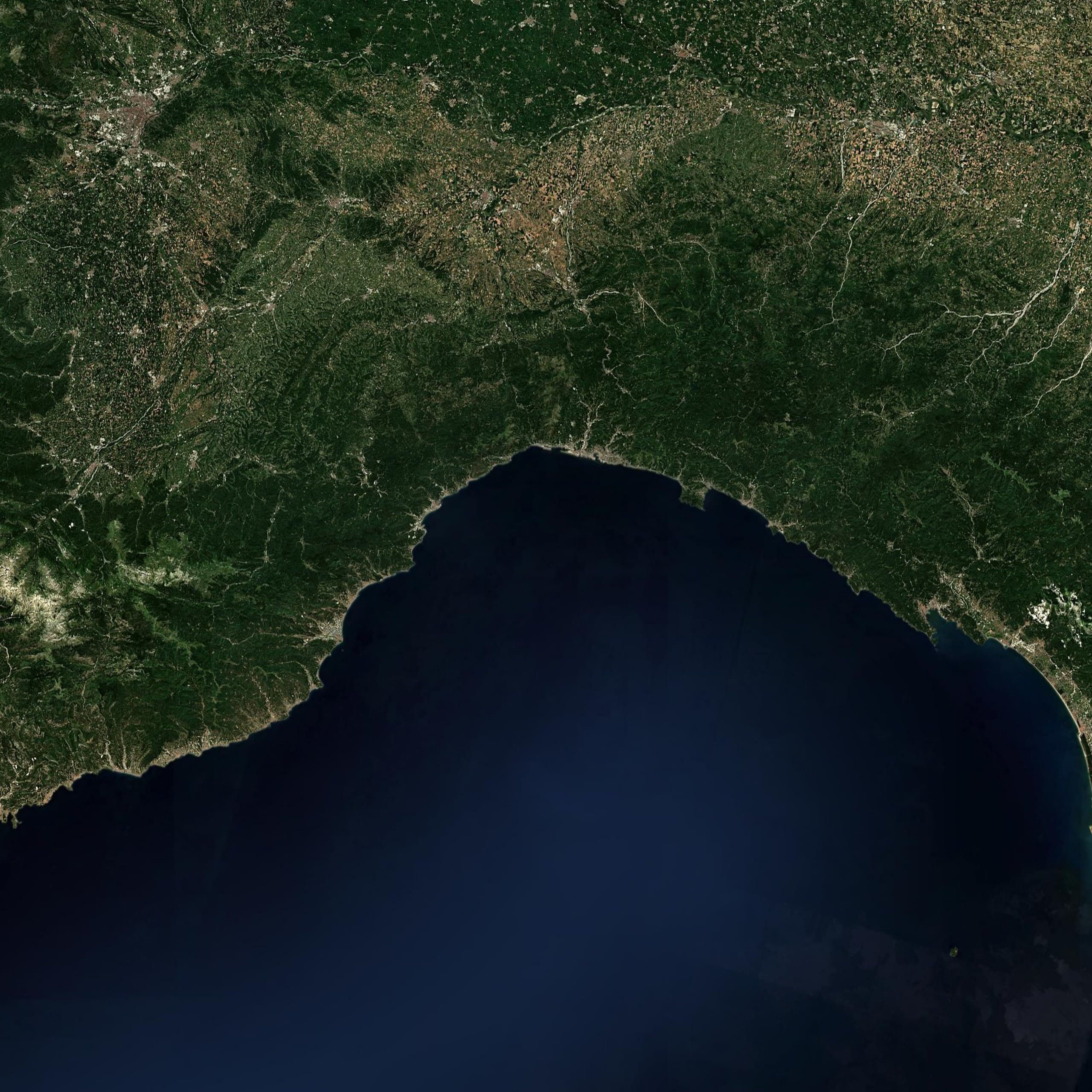
Liguria is a thin crescent of mountains falling into the sea, and its wine is farmed standing up. The terraces of the Cinque Terre, held by dry-stone walls that would stretch thousands of kilometres laid end to end, earned the name heroic viticulture: everything moves by hand, monorail, or boat. Vermentino and Pigato, two faces of the same grape family, pour in every seafood trattoria from Sarzana to Ventimiglia, each claiming the sharper herbs or the softer peach. Behind Ventimiglia, Rossese di Dolceacqua makes pale, perfumed reds that were Liguria's first DOC, and at Riomaggiore a few growers still dry grapes for Sciacchetrà, the amber passito that has been offered to honoured guests since the Middle Ages.

Vintages

12 · 2014–2025

Rating:
95+
90-94
85-89
80-84
<80
PeakReadyHold
Year202520242023202220212020201920182017201620152014
White

Outstanding Liguria Vintages

The best recent vintages rated excellent or exceptional.

White

2021

Drink up
90Excellent

Intense, mineral whites from a small crop; Vermentino with unusual depth and drive.

2022Peak 2022–20252026

2016

Past window
90Excellent

A benchmark for balance: saline, herbal whites with tension, and Colli di Luni Vermentino that aged gracefully.

2017Peak 2017–20212022

DOCs & Villages

What Liguria produces

White

Vermentino and Pigato lead: saline, herbal whites built for anchovies and pesto, fullest in the Colli di Luni, saltiest above the Cinque Terre.

Red

Rossese di Dolceacqua is the pale, perfumed flagship; Ormeasco di Pornassio brings mountain Dolcetto from the high valleys.

Rosé

A small tradition of coastal rosato, mostly from Rossese and Ormeasco, dry and made for the beach table.

Dessert

Cinque Terre Sciacchetrà: sun-dried Bosco and Albarola turned into rare amber passito with apricot, honey, and salt.

Similar styles

Lands in the same glass.

Grapes of Liguria

What it tastes like

Body

Light

Acidity

Fresh

Tannin

Fine

Oak

No oak

Ripeness

Rich

Concentration

Medium

Reds

Light-bodied and fresh, with fine tannin and rich fruit; red fruit, a floral lift and a herbal edge.

red fruit · floral · herbal · earthy · stony

Body

Medium

Acidity

Bright

Oak

No oak

Ripeness

Ripe

Concentration

Medium

Whites

Medium-bodied and bright; citrus, stone fruit and a herbal edge.

citrus · stone fruit · herbal · salty

Drawn from its appellations.

Climate

drymaritimehumid

Mediterranean maritime climate with mild winters and warm, dry summers. Constant sea breezes moderate temperatures and provide natural humidity, while the steep coastal mountains create diverse microclimates within short distances.

Terroir

terraced vineyardssandstoneschistslatesandlimestone

Predominantly limestone and sandstone soils with high mineral content from ancient seabeds. The dramatic terraced vineyards are built on schist and slate formations, while coastal areas feature sandy soils mixed with marine sediments, all contributing to wines with distinctive salinity and minerality.

Typical Aromas

sea breezeMediterranean herbswhite peachalmond blossompine resincrushed shells
Explore the aroma wheel

More in Italy

Frequently Asked Questions

What makes Liguria wine special?▼
Liguria's wines are special because they're made on incredibly steep, terraced vineyards carved into coastal cliffs overlooking the Mediterranean. The maritime climate and heroic viticulture - where everything has to be done by hand on these dramatic slopes - creates wines with intense minerality and unique character. Plus, many of the grape varieties here are indigenous and found almost nowhere else in the world.
What are the best Liguria vintages?▼
Recent standout years include 2019, 2018, and 2016 for both reds and whites, with excellent balance and concentration. 2020 was also quite good despite challenging weather. The coastal location generally provides more vintage consistency than many Italian regions, though the tiny production means great bottles sell out quickly.
What grapes are grown in Liguria?▼
The star white grape is Vermentino, which thrives in the coastal climate, plus unique local varieties like Pigato and Bosco. For reds, you'll find Rossese (especially Rossese di Dolceacqua), Ormeasco (the local clone of Dolcetto), and some Sangiovese. Many of these grapes are rare indigenous varieties that have adapted perfectly to the maritime terroir.
What food pairs well with Liguria wines?▼
Ligurian wines are perfect with the region's famous pesto, focaccia, and fresh seafood like branzino or anchovies. The crisp Vermentino and Pigato whites complement farinata (chickpea pancake) and any dish with olive oil and herbs beautifully. The light reds like Rossese pair wonderfully with rabbit, herb-crusted lamb, or aged cheeses.
How does Liguria compare to other major wine regions?▼
Liguria is tiny compared to regions like Tuscany or Piedmont - it's one of Italy's smallest wine regions by production. What sets it apart is the extreme coastal influence and heroic vineyard sites that make farming incredibly labor-intensive. While it can't compete on volume or international recognition, the quality and uniqueness of indigenous varieties like Rossese di Dolceacqua make it a hidden gem for wine lovers seeking something distinctive.

Map data: DOC zones from ISTAT comune boundaries (openpolis/geojson-italy, CC BY 4.0)