
Chile
Limarí Valley
Chile wine regions
About Limarí Valley
Chile wine regions
Vintages
8 · 2018–2025
Outstanding Limarí Valley Vintages
The best recent vintages rated excellent or exceptional.
White
Zones & Comunas
Classification System
Chile's DO system names the valley on the label, and since 2011 three optional terms describe where the fruit grew across the country's east-west axis: Costa for the fog-cooled coast, Entre Cordilleras for the central flats, Andes for the mountain foothills.
Single Vineyard
Named site, like Don Melchor's Puente Alto parcels
DO Valley
The valley designation, Maipo to Itata
Costa / Entre Cordilleras / Andes
The east-west zone terms added in 2011
What Limarí Valley produces
White
Taut, saline, mineral Chardonnay from limestone soils, among Chile's finest whites.
Red
Cool-climate Syrah with white pepper and bright red fruit, plus fine Pinot Noir near the coast.
Grapes of Limarí Valley
Climate
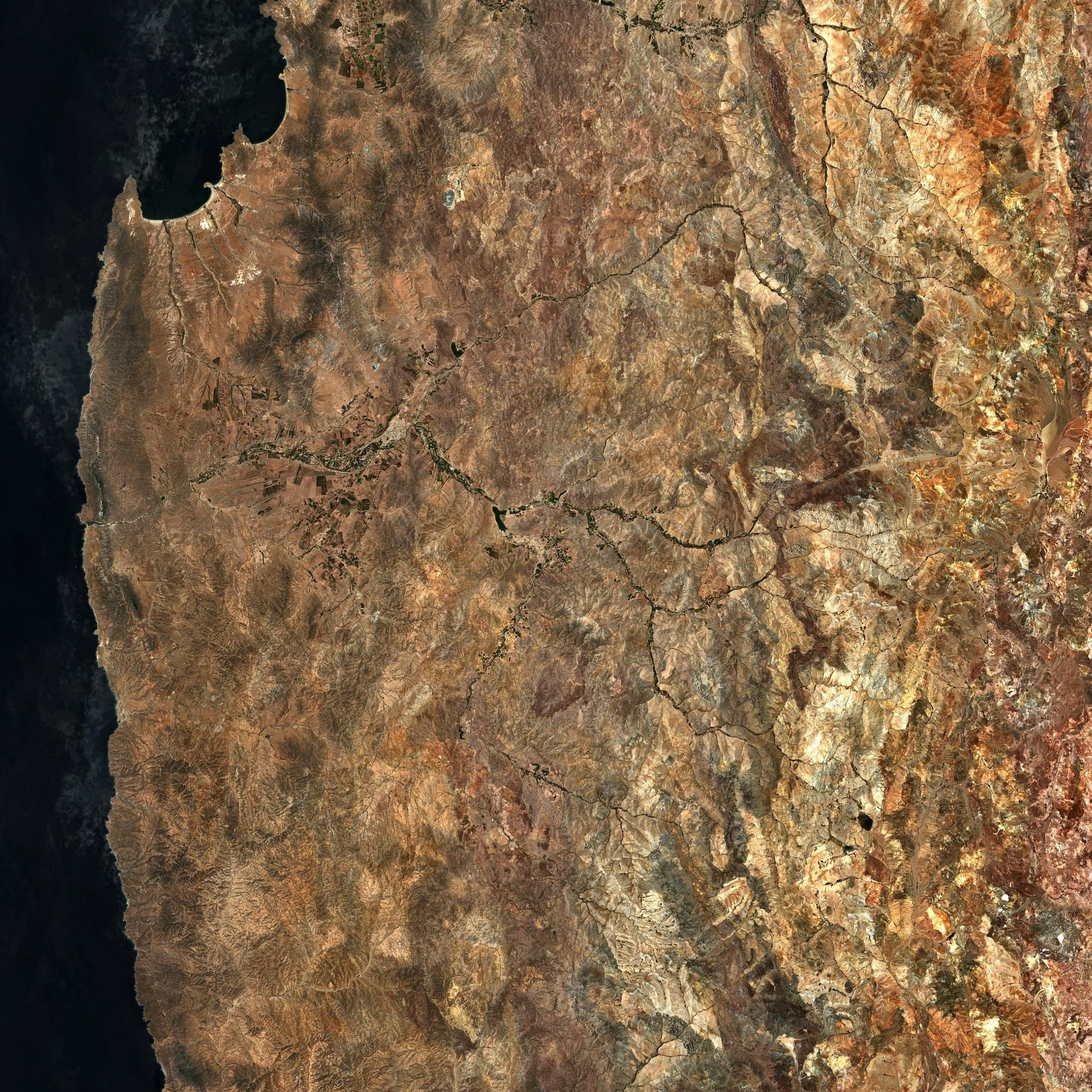
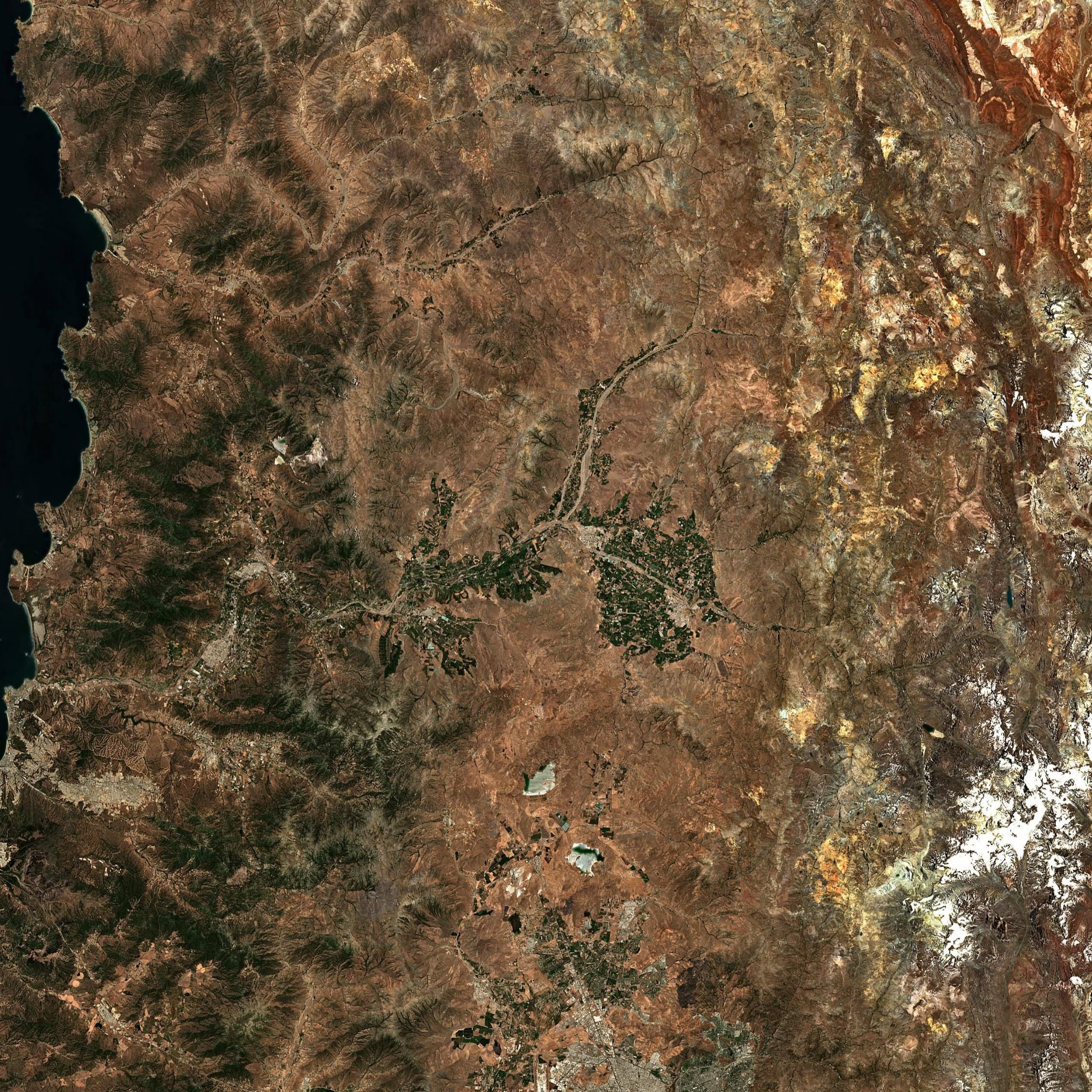
Semi-arid and sun-drenched, with around 100 mm of rain in a normal year, yet remarkably cool for the latitude. The camanchaca fog rolls in from the Pacific most mornings and sea breezes follow in the afternoon, so the valley ripens slowly despite the desert light. Irrigation from Andean reservoirs makes farming possible at all.
Terroir
The prize is limestone: ancient marine terraces near the coast, especially around Talinay, where shallow red clay sits over chalky calcium carbonate. It is rare ground in Chile and it shows in the wines' chalky, saline grip. Further inland the soils turn to stony alluvium along the Limarí river.
More in Chile
Frequently Asked Questions
What makes Limarí Valley wine special?▼
What grapes grow in Limarí Valley?▼
What are the best Limarí Valley vintages?▼
How does Limarí compare to other Chardonnay regions?▼
What food pairs well with Limarí wines?▼
Map data: División Político-Administrativa, Biblioteca del Congreso Nacional de Chile (BCN)