CorkCork
Macedonia

Greece

Macedonia

ThraceThraceEpirusEpirusThessalyThessalySterea ElladaSterea ElladaPeloponnesePeloponneseIonian IslandsIonian IslandsAegean IslandsAegean IslandsCreteCreteMacedoniaMacedonia

Greece wine regions

About Macedonia

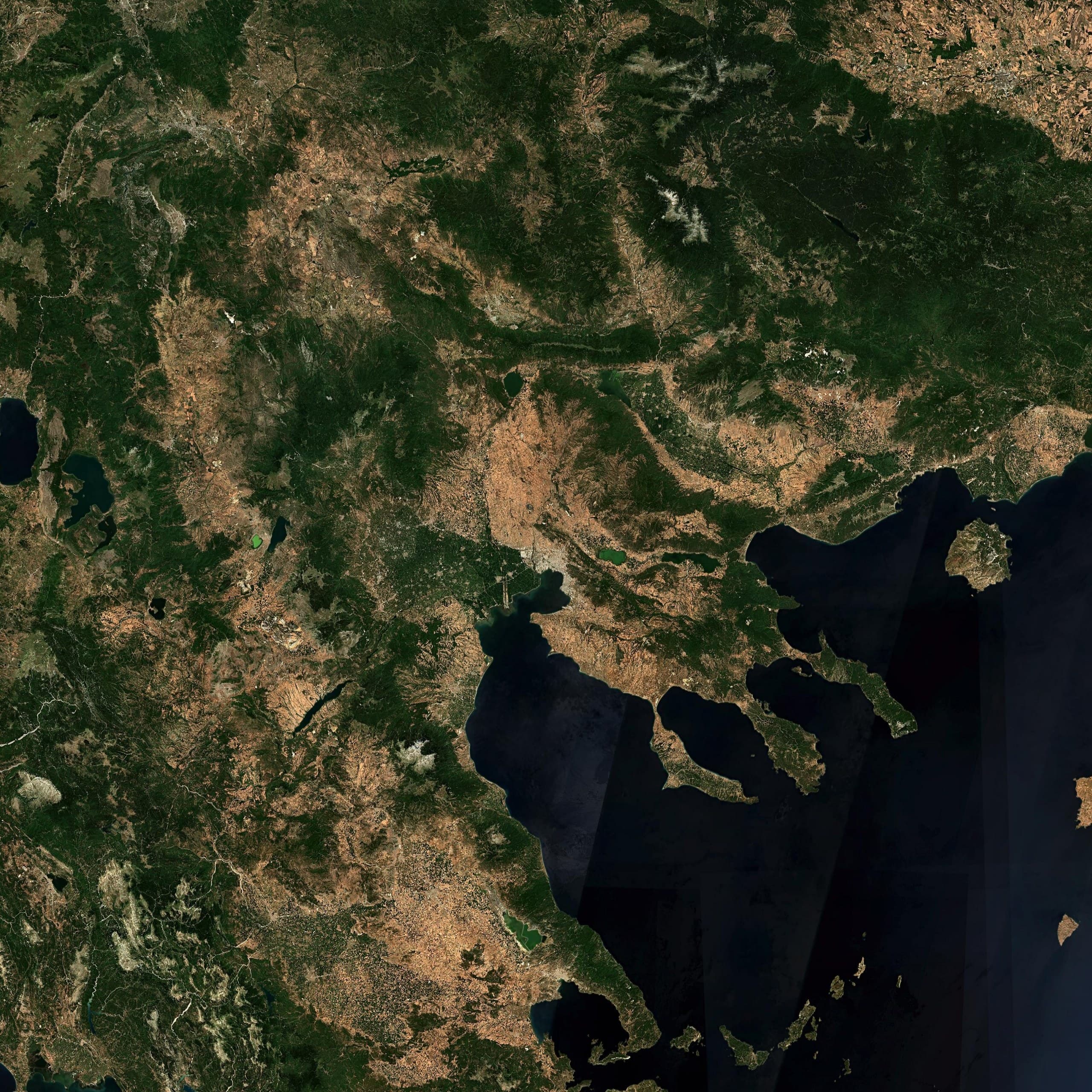
Macedonia is the most important wine region of northern Greece and the home of Xinomavro. The continental climate, sheltered by the Pindus mountains to the west and the Rhodope range to the north, gives the slow ripening that Xinomavro needs. Four PDOs structure the region: Naoussa on the slopes of Mount Vermio is the benchmark for tannic, age-worthy Xinomavro; Amyndeon at altitude on the Petron-Vegoritida lake plateau makes lighter Xinomavro reds, rosés and sparkling wines; Goumenissa blends Xinomavro with the softer Negoska; and Slopes of Meliton on the Sithonia peninsula is the home of Domaine Porto Carras. PGI Macedonia covers the wider region, with prefecture-level PGIs (Drama, Florina, Halkidiki, Thessaloniki, Mount Athos, Pella, Kavala) supporting both indigenous and international varieties. Producers from Boutari and Kir-Yianni to Thymiopoulos, Karydas and Dalamara, plus Gerovassiliou's rescue of Malagousia from near-extinction, anchor modern Macedonia.

Vintages

24 · 2014–2025

Rating:
95+
90-94
85-89
80-84
<80
PeakReadyHold
Year202520242023202220212020201920182017201620152014
Red
White

Outstanding Macedonia Vintages

The best recent vintages rated excellent or exceptional.

Red

2025

Almost ready
95Exceptional

An exceptional Xinomavro year: deep, perfumed, complete wines with ripe tannins and lift.

2027Peak 2030–20382042

2024

Ready
90Excellent

Concentrated Xinomavro from a small, early-picked crop; dense fruit with firm structure.

2026Peak 2028–20322034

2022

Ready
93Excellent

Deeply colored, structured Xinomavro with smooth tannins and excellent balance.

2024Peak 2027–20332036

2021

At peak
92Excellent

Fresh, precise Xinomavro of real elegance; cool September nights preserved perfume and drive.

2023Peak 2026–20322035

2020

At peak
91Excellent

Balanced, fragrant reds with ripe tannins and good freshness.

2022Peak 2024–20302033

2019

At peak
93Excellent

Complete, aromatic Xinomavro with excellent color and fine tannins; a reference year for the region.

2021Peak 2024–20322035

2017

At peak
94Excellent

A benchmark modern Naoussa year: concentrated, structured Xinomavro built for long aging.

2020Peak 2025–20352040

2015

At peak
92Excellent

Classic, perfumed Xinomavro with firm but ripe tannins from a calm, even season.

2018Peak 2021–20292032

White

2025

At peak
93Excellent

A superb white vintage: high acidity, clear varietal character, and real aromatic depth.

2026Peak 2026–20292030

2022

At peak
92Excellent

Pristine, aromatic whites with juicy acidity from immaculate fruit.

2023Peak 2023–20262027

2020

Past window
91Excellent

Fresh, floral whites and lively rose with fine tension.

2021Peak 2021–20242025

2019

Past window
92Excellent

Precise, aromatic whites with excellent balance of ripeness and acidity.

2020Peak 2020–20232024

2017

Past window
92Excellent

Concentrated, ripe whites that kept altitude freshness despite the drought.

2018Peak 2018–20212022

2016

Past window
90Excellent

A white year by consensus: fresh, expressive whites picked ahead of the autumn rain.

2017Peak 2017–20202021

2015

Past window
91Excellent

Aromatic, poised whites and bright rose from a calm, even season.

2016Peak 2016–20192020

PDOs & PGIs

What Macedonia produces

PGI Macedonia

The umbrella designation for all of northern Greece and the label most travelers meet first. Xinomavro-led reds and fresh whites that let producers blend across the region's prefectures.

Similar styles

Lands in the same glass.

Grapes of Macedonia

What it tastes like

Body

Medium

Acidity

Bright

Tannin

Firm

Oak

Some oak

Ripeness

Ripe

Concentration

Medium

Reds

Medium-bodied and bright, with firm tannin and some oak; red fruit, a savoury side and spice, with a finish that goes on and on.

red fruit · savoury · spicy · earthy · long finish

Body

Medium

Acidity

Bright

Oak

A touch of oak

Ripeness

Ripe

Concentration

Medium

Whites

Medium-bodied and bright; stone fruit, a herbal edge and a floral lift.

stone fruit · herbal · floral · savoury · earthy

Drawn from its appellations.

Climate

ContinentalAltitudeShelteredCool nightsLong ripening

Northern Greece's mountain walls do the work here. Winters are cold, summers warm but rarely extreme, and the altitude of the vineyard zones, from Naoussa's slopes up to the Amyndeon plateau, brings cool nights that stretch Xinomavro's ripening deep into October. Amyndeon's lakes soften the frost risk on what is otherwise the coolest, most continental vineyard land in Greece.

Terroir

LimestoneClaySchistSteep slopesVolcanic

Limestone and clay dominate the slopes of Naoussa, where vineyards tilt southeast off Mount Vermio, while Amyndeon sits on sandy soils so poor and loose that phylloxera never took hold and many vines still grow on their own roots. Goumenissa adds clay-limestone foothills and the Slopes of Meliton schist by the sea, with volcanic pockets rounding out one of Greece's most varied vineyard geologies.

Typical Aromas

Tomato leafSour cherryRose petalDried herbsSweet tobaccoForest floor
Explore the aroma wheel

More in Greece

Frequently Asked Questions

What makes Macedonia the most important wine region in northern Greece?▼
Macedonia is Xinomavro country. The continental climate, sheltered by the Pindus mountains, gives this late-ripening red grape the slow growing season it needs to develop structure and savour. Four PDOs anchor the region (Naoussa, Amyndeon, Goumenissa, Slopes of Meliton), with Naoussa on Mount Vermio as the benchmark site. The modern Greek wine renaissance started here in the 1980s with estates like Boutari, Kir-Yianni and Domaine Porto Carras.
How does Xinomavro compare to Nebbiolo?▼
The comparison is overused but earned. Both grapes share high acidity, firm tannins, a pale rim that belies the structure, and a savoury character built around sour cherry, tomato leaf and dried rose. Top Naoussa Xinomavro can age 15 to 25 years and shows tertiary notes (leather, forest floor, dried fig) that read close to mature Barolo.
Which Macedonian PDOs should I try first?▼
Start with Naoussa for a benchmark Xinomavro red. Move to Amyndeon for lighter Xinomavro rosés and traditional-method sparklings from the high Petron-Vegoritida plateau. Goumenissa blends Xinomavro with the softer Negoska. Slopes of Meliton, on the Sithonia peninsula, is home to Domaine Porto Carras and one of Greece's most ambitious single-estate projects.
What about white wines from Macedonia?▼
Macedonia's modern white-wine story is largely Vangelis Gerovassiliou's rescue of Malagousia from near-extinction in the 1980s. His estate in Epanomi, south of Thessaloniki, remains the benchmark for the variety, producing aromatic, food-friendly whites with stone fruit, basil and jasmine notes. Assyrtiko, Sauvignon Blanc and Chardonnay also have a strong presence at PGI level.
Which producers define modern Macedonia?▼
Boutari and Kir-Yianni built the export market; Thymiopoulos, Karydas, Dalamara and Diamantakos lead the new generation of single-site Naoussa winemakers; Gerovassiliou anchors the white-wine story in Epanomi; and Domaine Costa Lazaridi has put PGI Drama on serious wine lists. The current breadth and depth would have been unimaginable thirty years ago.
Is Mount Athos wine worth seeking out?▼
Mount Athos (Άγιον Όρος) is an autonomous monastic state on a small peninsula in Halkidiki, and the wines bottled there carry the PGI Mount Athos designation. Tsantali works the most visible site (the Metochi Chromitsa estate); the wines lean toward old-world Cabernet and Merlot blends grown on limestone slopes overlooking the Aegean. A small, distinctive corner of Greek wine.

Map data: Wines of Greece (ΕΔΟΑΟ, PDO/PGI register) · EU eAmbrosia · Administrative boundaries © OpenStreetMap contributors (ODbL) · Community boundaries © Hellenic Statistical Authority (ELSTAT)