
Spain
Ribeiro
Spain wine regions
About Ribeiro
Spain wine regions
Vintages
11 · 2014–2024
Outstanding Ribeiro Vintages
The best recent vintages rated excellent or exceptional.
White
Valles
Classification System
Spanish Quality Hierarchy
Spain's wine-quality pyramid, administered under the EU Protected Designation of Origin (DOP) framework. The two top legal tiers — DOCa and DOQ — have only been awarded to two regions in the country. Every wine DO in Spain sits somewhere on this ladder.
DOCa / DOQ
Denominación de Origen Calificada (Castilian) / Denominació d'Origen Qualificada (Catalan). Spain's highest wine classification — awarded only to Rioja (1991) and Priorat (2009)
DO
Denominación de Origen — the main quality tier. Most Spanish wine regions (Bierzo, Rueda, Ribera del Duero, Rías Baixas, etc.) are DOs
Vinos de Pago (VP)
Single-estate designation for exceptional individual vineyards, outside the regional DO system. Currently around 20 properties nationwide (Dominio de Valdepusa, Pago de Otazu, etc.)
VC / Vino de Calidad
Vino de Calidad con Indicación Geográfica — a stepping-stone tier below DO, used by emerging regions building a track record toward full DO status
VT / Vino de la Tierra
Protected Geographical Indication (IGP) — a broader regional tier. Equivalent to France's IGP / Italy's IGT
Vino (without GI)
Basic table wine without a geographic designation
Varietal & Style Classification
Ribeiro labels are built around grape choice rather than geography. The DO distinguishes wines made from the traditional indigenous varieties ('castes nobres') from those using more common grapes.
Castes / Variedades Preferentes
Wines from only preferred native varieties (Treixadura, Godello, Loureira, Albariño, Caíño, Brancellao, etc.)
Ribeiro Blanco / Tinto
The broad DO, standard whites and reds
Ribeiro Tostado
Rare sweet wine from sun-dried grapes, one of Spain's most historic dessert styles
Ribeiro Espumoso
Traditional-method sparkling, a small but growing category
What Ribeiro produces
White
The flagship: Treixadura-led blends with Godello, Albariño, Loureira, and Torrontés. Textured, aromatic whites that age better than most assume.
Red
Spain's most distinctive indigenous red tradition — Caíño, Brancellao, Sousón, and Ferrón producing perfumed, structured, graphite-edged wines.
Dessert
Ribeiro Tostado — one of Spain's most historic dessert wines, from Treixadura, Loureira, and Godello grapes sun-dried on straw mats and cask-aged for years.
Sparkling
Ribeiro Espumoso — traditional-method sparkling from Treixadura-led blends. A small but growing category.
Regional appellations
Ribeiro Tostado
One of Spain's most historic dessert wines, made from Treixadura, Loureira, and Godello grapes sun-dried on straw mats. Cask-aged for a minimum of three years; deep amber, honeyed, and rare.
Ribeiro Espumoso
Traditional-method sparkling from Treixadura-led blends. A small but growing category showcasing the region's naturally high-acid whites.
Grapes of Ribeiro
Climate
Atlantic-maritime moderated by the Miño valley and its tributaries. Mild, wet winters; warm, sunny summers with cooling afternoon breezes from the west. Rainfall is higher than inland Galicia but lower than Rías Baixas, and the sheltered valley microclimates allow fuller ripening than in the coastal DO.
Terroir
Decomposed granite dominates, giving the region its signature cut and mineral lift. Schist and slate appear on steeper hillside terraces, especially in the Avia valley. Sandier alluvial soils along the Miño carry older, more rustic vines. Terraced viticulture (socalcos) is still widespread.
Typical Aromas
More in Spain
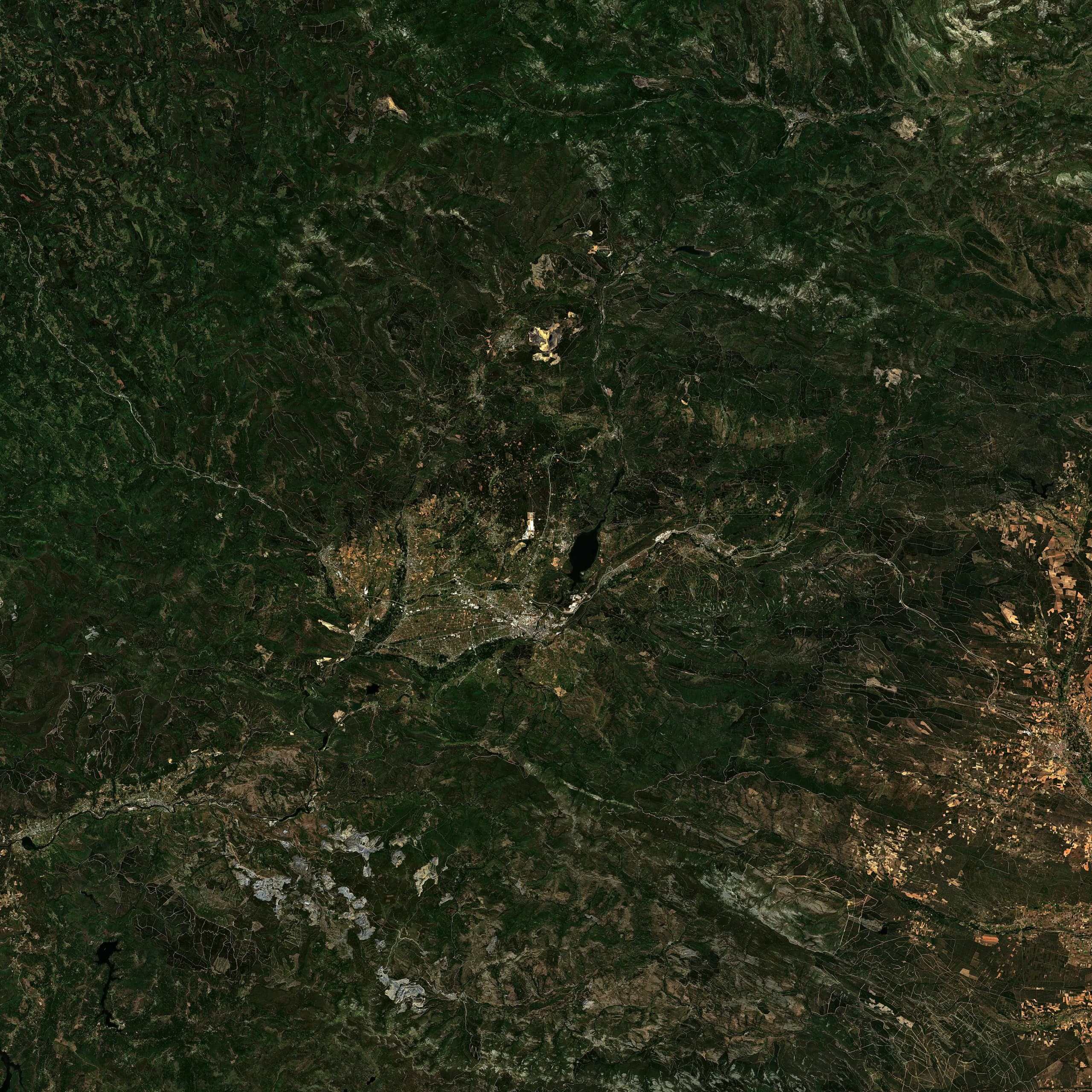
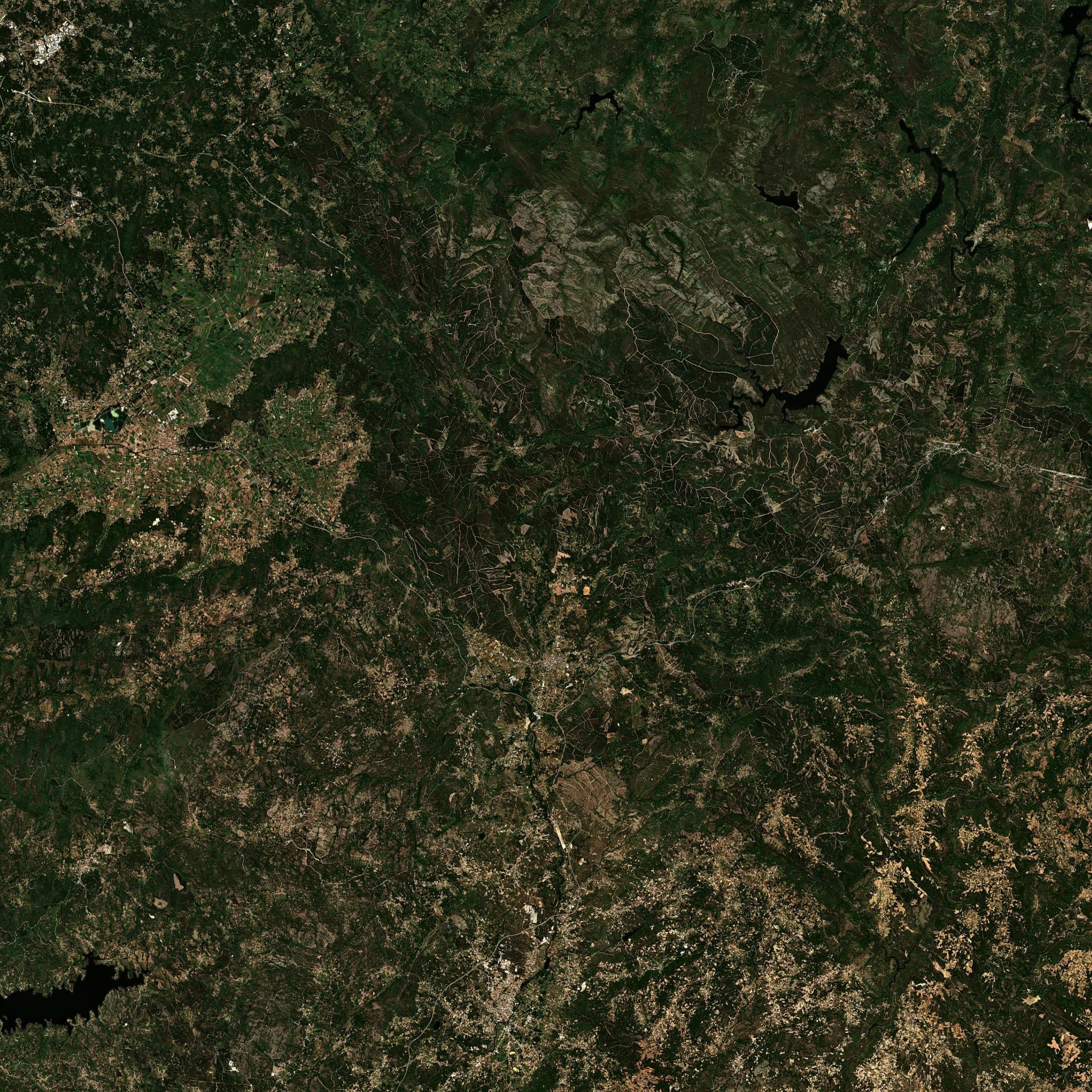
Map data: Consejo Regulador D.O. Ribeiro · Municipio boundaries © OpenStreetMap contributors (ODbL)