CorkCork
Three Lakes

Switzerland

Three Lakes

ValaisValaisVaudVaudGenevaGenevaTicinoTicinoGerman SwitzerlandGerman SwitzerlandThree LakesThree Lakes

Switzerland wine regions

About Three Lakes

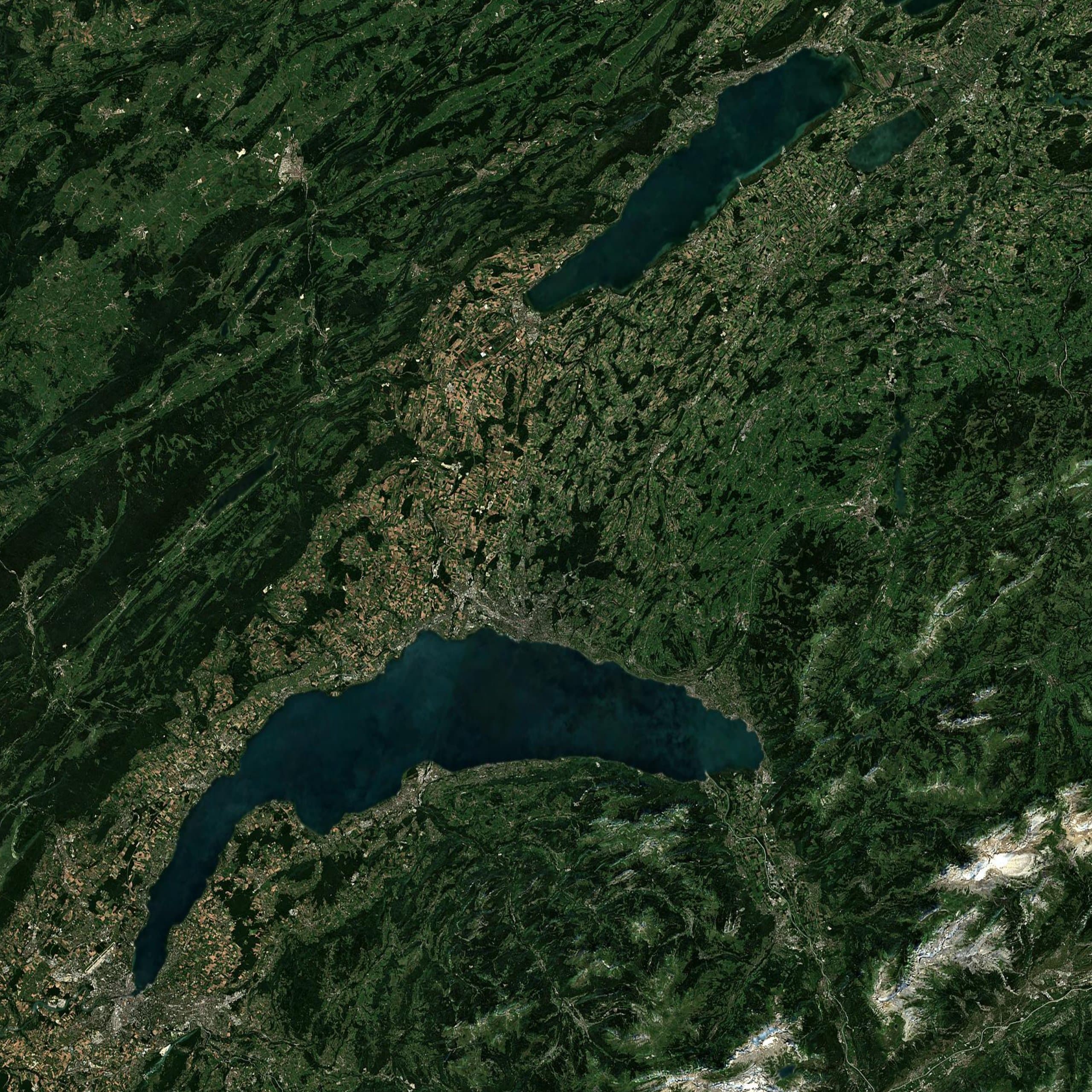
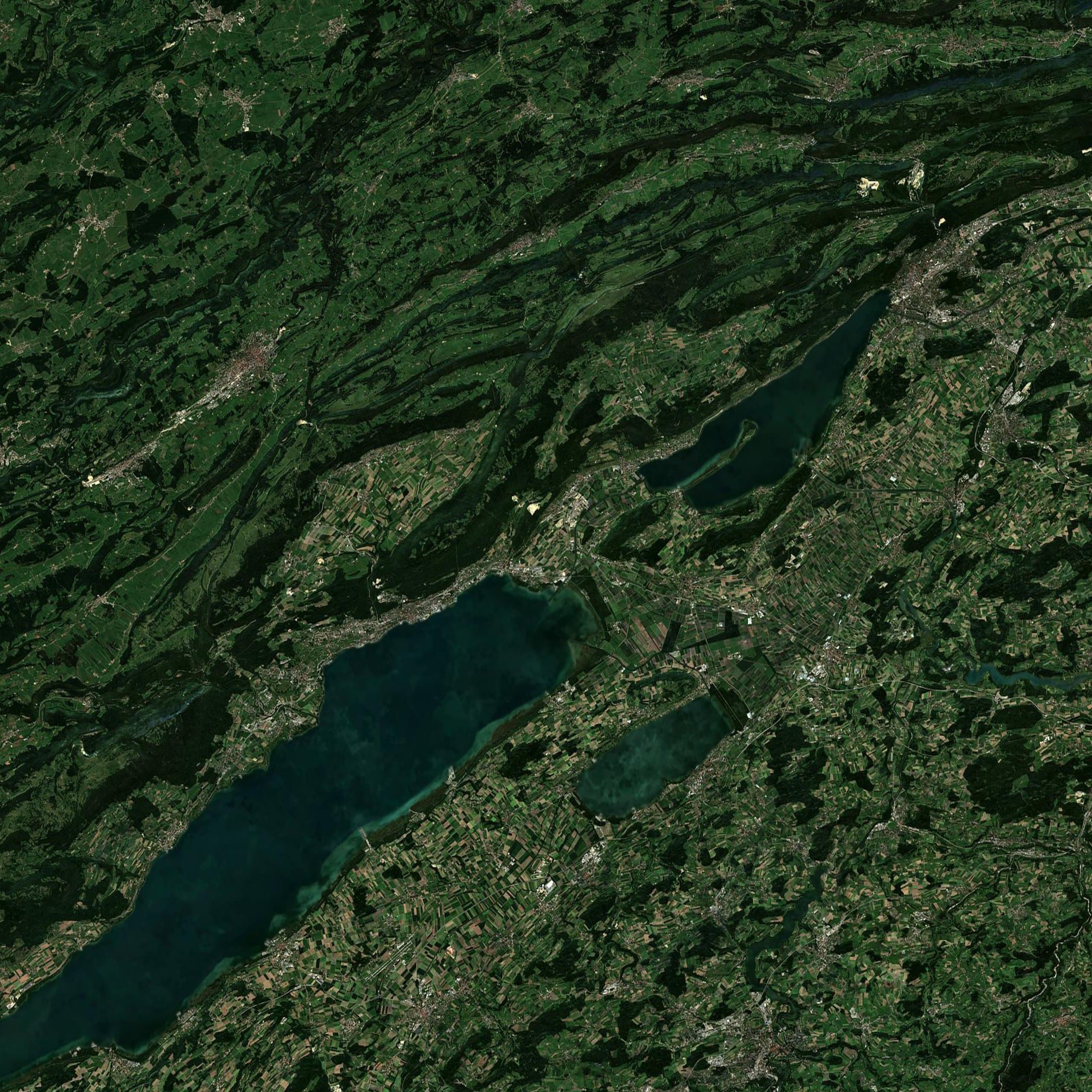
The Three Lakes region (Trois-Lacs in French, Drei-Seen-Region in German) is Switzerland's most quietly Burgundian zone. Vineyards arc around the lakes of Neuchâtel, Bienne and Murten, spread across the cantons of Neuchâtel, Bern, Fribourg and a sliver of Vaud. Pinot Noir is the calling card, often made in the pale, dry rosé style called Œil-de-Perdrix (literally "partridge's eye"), invented in Neuchâtel and now made across French-speaking Switzerland. Chasselas covers the whites. The total area is small at ~930 hectares but the styles are distinctive: a leaner, more transparent Pinot than anywhere else in Switzerland, often grown on Jurassic limestone marl. Producers like Domaine de la Maison Carrée, Château d'Auvernier and Caves de Chambleau define the contemporary style.

Vintages

11 · 2015–2025

Rating:
95+
90-94
85-89
80-84
<80
PeakReadyHold
Year20252024202320222021202020192018201720162015
White

Outstanding Three Lakes Vintages

The best recent vintages rated excellent or exceptional.

White

2025

At peak
92Excellent

An excellent, classic vintage: clear, mineral Chasselas with lovely drive.

2026Peak 2026–20282029

2023

At peak
92Excellent

A lovely, complete vintage with freshness and gentle breadth.

2024Peak 2024–20262027

2022

Drink up
92Excellent

Expressive, poised Chasselas with ripe orchard fruit over wet stone.

2023Peak 2023–20252026

2020

Past window
91Excellent

Fresh, saline, transparent whites; the region at its most Burgundian.

2021Peak 2021–20232024

2019

Past window
90Excellent

Classic, stony Chasselas with quiet precision.

2020Peak 2020–20222023

2018

Past window
90Excellent

Rounder, riper Chasselas than the house style; generous and open.

2019Peak 2019–20212022

2017

Past window
91Excellent

A fine, quietly excellent year; Neuchâtel was spared while others froze.

2018Peak 2018–20212022

2015

Past window
92Excellent

Ripe yet taut Chasselas; the limestone kept its cool in a hot year.

2016Peak 2016–20202021

Appellations

What Three Lakes produces

Œil-de-Perdrix

The signature regional rosé from Pinot Noir, invented around Neuchâtel and now legally protected across the canton. Pale salmon, dry, savoury; the easiest way to taste the Three Lakes style.

Non Filtré

A Neuchâtel speciality: Chasselas bottled directly from tank with the lees still in suspension, released on the third Wednesday of January. Cloudy, briny, an annual ritual for local drinkers.

Neuchâtel Blanc

The cantonal Chasselas label (never sold as Fendant, which is reserved for Valais). Linear, mineral, with a non-malolactic style that distinguishes it from the Lavaux versions.

Similar styles

Lands in the same glass.

Grapes of Three Lakes

What it tastes like

Body

Medium

Acidity

Fresh

Tannin

Fine

Oak

A touch of oak

Ripeness

Fresh

Concentration

Medium

Reds

Medium-bodied and fresh, with fine tannin; red fruit, an earthy side and a nutty note, with a taut finish.

red fruit · earthy · nutty · floral · stony

Body

Lightish

Acidity

Gentle

Oak

No oak

Ripeness

Fresh

Concentration

Medium

Whites

On the lighter side and gentle; citrus, stone fruit and an earthy side, with a taut finish.

citrus · stone fruit · earthy · nutty · stony

Cork's estimate.

Climate

CoolLake-moderatedContinentalLong ripening

Cool and continental, but rescued by water: the lakes of Neuchâtel, Bienne and Murten store summer heat and give it back through the autumn, stretching the season just far enough for Pinot Noir. Vineyards face southeast across the water from the foot of the Jura, catching morning sun and reflected light off the lakes.

Terroir

Jurassic limestoneMarlGlacial moraineGentle slopes

This is the last fold of the Jura, so the vines grow on Jurassic limestone and marl, often dusted with the glacial moraine left by the ice that carved the lake basins. The slopes are gentle, the soils calcareous and poor, and the Pinot Noir that results is pale, fine-boned and unmistakably limestone-grown.

Typical Aromas

Red cherryForest floorLemon balmCrushed stoneBriocheWild herb
Explore the aroma wheel

More in Switzerland

Map data: swissBOUNDARIES3D © swisstopo · Vineyard parcels © OpenStreetMap contributors (ODbL)