
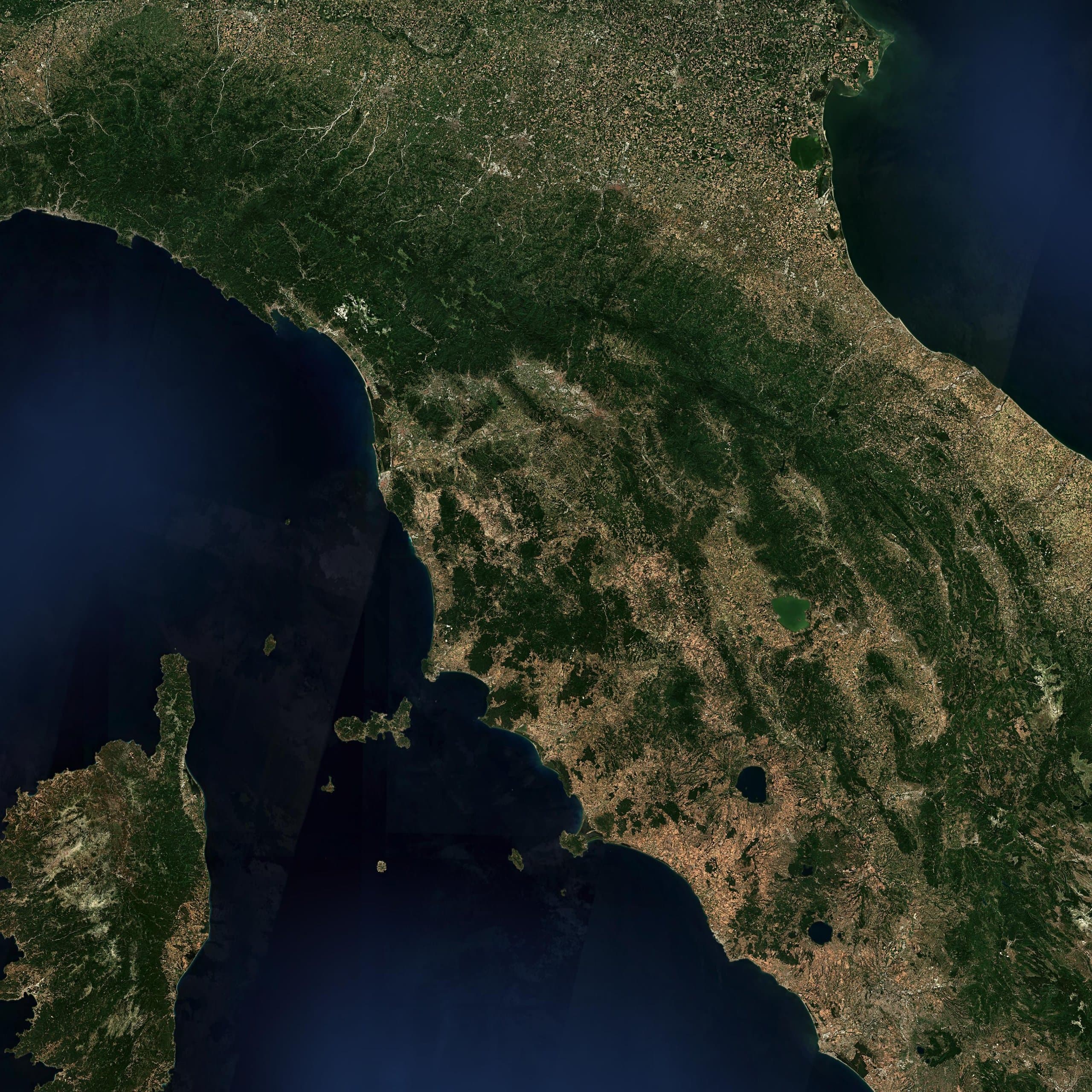
Italy
Tuscany
Italy wine regions
About Tuscany
-5–1518 m
Elevation range
Wine styles
12 DOCGs
Avg. slope 8.2°
46 DOCs
Avg. slope 8.4°
Italy wine regions
Vintages
72 · 1990–2025
Outstanding Tuscany Vintages
The best recent vintages rated excellent or exceptional.
Red
White
DOC & DOCG
Classification System
Tuscany blends the DOCG/DOC system with sub-classifications like Gran Selezione for Chianti Classico.
Gran Selezione
Top tier of Chianti Classico
Riserva
Extended aging requirements
DOCG
Controlled and guaranteed (Brunello, Chianti, etc.)
DOC
Controlled designation of origin
What Tuscany produces
Red
Sangiovese in Chianti and Brunello di Montalcino, Cabernet-led Super Tuscans in Bolgheri.
White
Vernaccia di San Gimignano and Vermentino along the coast.
Regional appellations
Vin Santo
Traditional Tuscan dessert wine from dried Trebbiano and Malvasia grapes, aged in small sealed barrels for years. Made across the region.
Toscana IGT
The region-wide geographic indication used for wines outside DOC rules, including many acclaimed Super Tuscans.
Costa Toscana IGT
The coastal indication, running through the five provinces from Massa-Carrara down to Grosseto. Vermentino whites and Sangiovese or Bordeaux-grape reds from the sea-facing side of Tuscany.
Colli della Toscana Centrale IGT
The indication for the central hills around Florence, Siena and Arezzo. Chianti country, used for the wines its estates make outside the Chianti rules, often with Merlot or Cabernet in the blend.
Colli dell'Etruria Centrale DOC
A DOC laid over the Chianti zone, for the reds, whites, rosés and Vin Santo that Chianti estates make beyond their Sangiovese.
Maremma Toscana DOC
The DOC covering the whole province of Grosseto, in Tuscany's warm south-west. Vermentino, Sangiovese and the local Ciliegiolo next to Cabernet and Merlot, usually ripe and generous.
Notable producers
Estates that shape how this region tastes.
Sassicaia (Tenuta San Guido)
Original Super Tuscan
Antinori
Historic house, Tignanello and Solaia
Biondi-Santi
Invented Brunello di Montalcino
Ornellaia
Bolgheri flagship
Fontodi
Benchmark Chianti Classico, Flaccianello
Isole e Olena
Pure Sangiovese, Cepparello
Castello di Ama
Elegant Chianti Classico Gran Selezione
Le Macchiole
Bolgheri single-varietal wines
Similar styles
Lands in the same glass.
Grapes of Tuscany
What it tastes like
Body
Medium
Acidity
Bright
Tannin
Firm
Oak
Some oak
Ripeness
Ripe
Concentration
Medium
Body
Full
Acidity
Bright
Oak
A touch of oak
Ripeness
Jammy
Concentration
Dense
Sweet wines
Aleatico, Trebbiano and Malvasia: always full-bodied; more oak in Vin Santo del Chianti Classico, less oak in Elba Aleatico Passito.
Each appellation has its own style. Compare Vin Santo del Chianti Classico and Elba Aleatico Passito.
The shape averages its 3 appellations.
Body
Medium
Acidity
Fresh
Oak
No oak
Ripeness
Rich
Concentration
Medium
Whites
Medium-bodied and fresh, with rich fruit; citrus, orchard fruit and a floral lift.
citrus · apple and pear · floral · herbal · salty
Climate
Mediterranean climate with warm, dry summers and mild winters. Significant diurnal temperature variation helps preserve acidity, while coastal areas benefit from maritime breezes and inland zones experience more continental influences.
Terroir
Diverse soils ranging from limestone-rich galestro and alberese in Chianti to volcanic clay in coastal areas. Rolling hills at 200-600 meters elevation provide excellent drainage and sun exposure, while ancient soils and varied microclimates create distinct expressions across different zones.
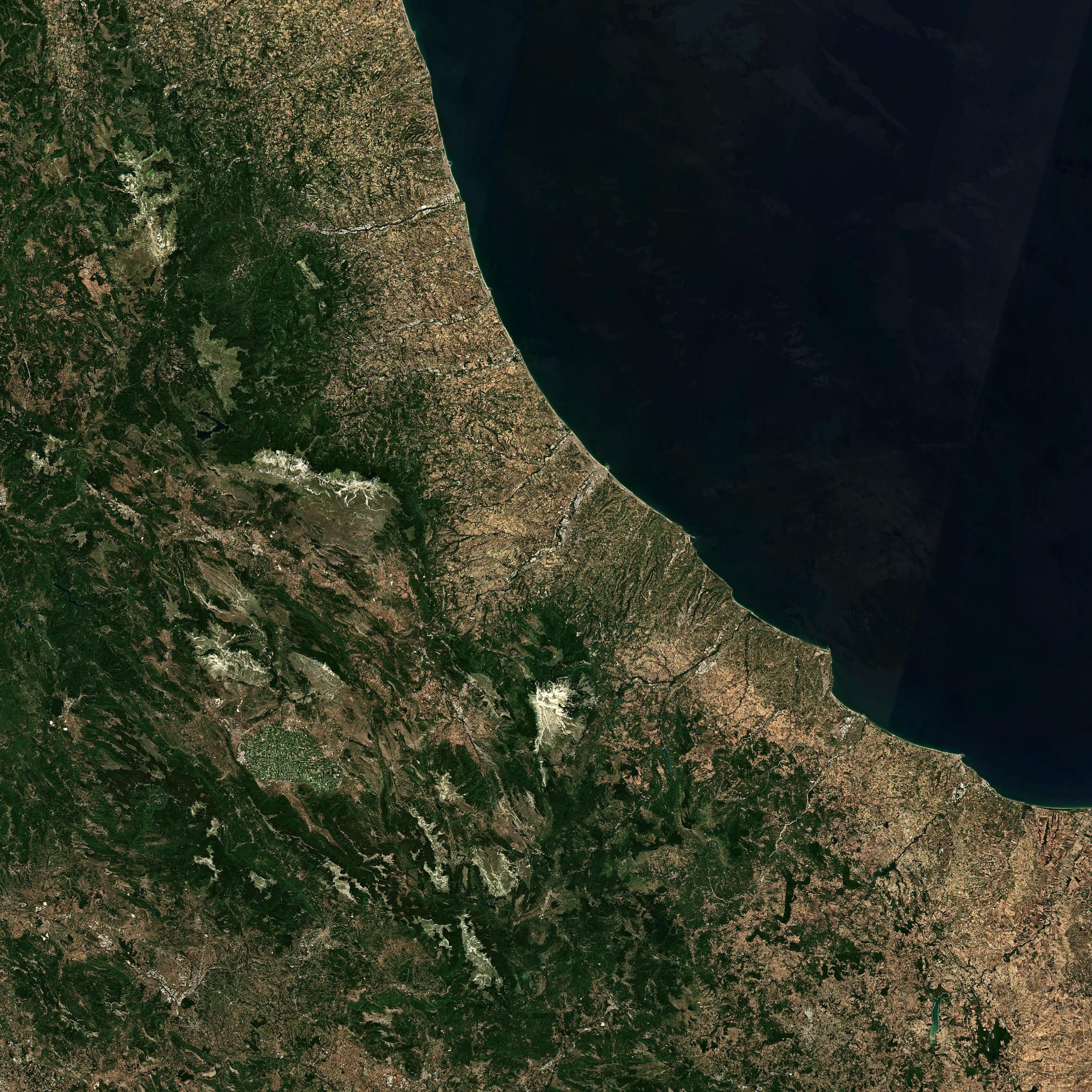
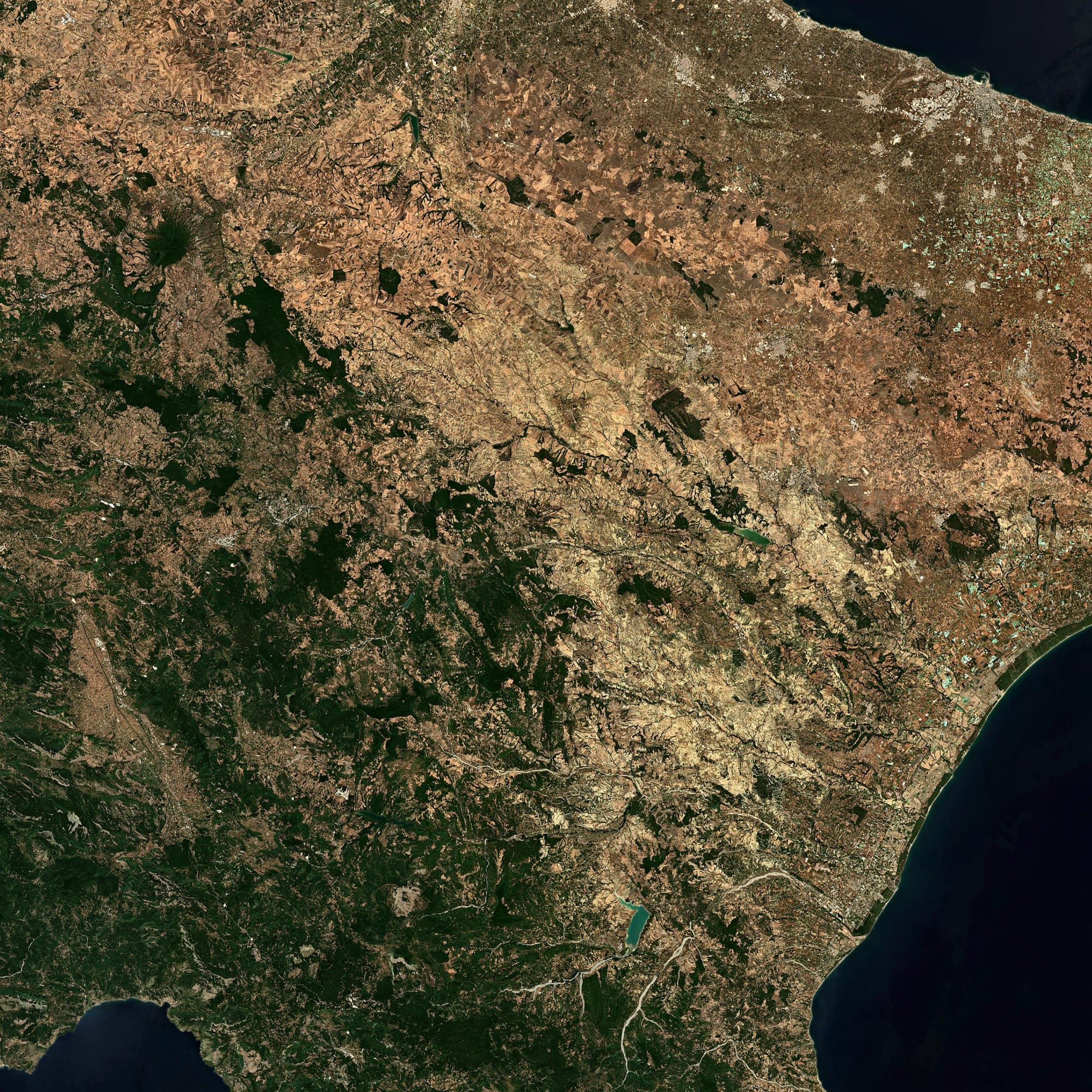
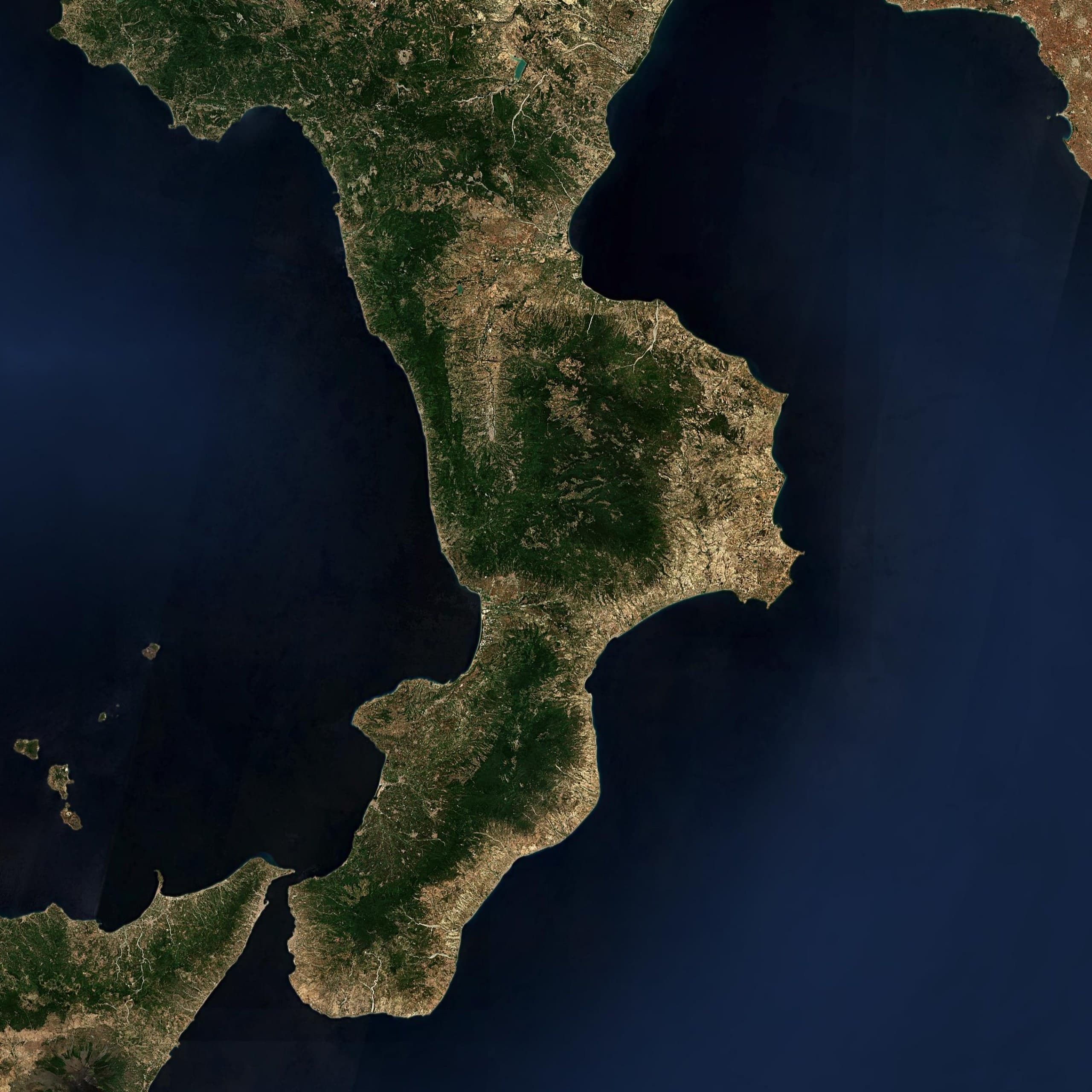
More in Italy
Frequently Asked Questions
What makes Tuscany wine special?▼
What are the best Tuscany vintages?▼
What grapes are grown in Tuscany?▼
Is 2023 a good year for Tuscany?▼
When should I drink Tuscany 2023?▼
What food pairs well with Tuscany wines?▼
How does Tuscany compare to Bordeaux?▼
Map data: vineyards.com, manually traced and edited