
Spain
Vinos de Madrid
Spain wine regions
About Vinos de Madrid
Spain wine regions
Vintages
18 · 2014–2025
Outstanding Vinos de Madrid Vintages
The best recent vintages rated excellent or exceptional.
Red
White
Subzonas
Classification System
Spanish Quality Hierarchy
Spain's wine-quality pyramid, administered under the EU Protected Designation of Origin (DOP) framework. The two top legal tiers — DOCa and DOQ — have only been awarded to two regions in the country. Every wine DO in Spain sits somewhere on this ladder.
DOCa / DOQ
Denominación de Origen Calificada (Castilian) / Denominació d'Origen Qualificada (Catalan). Spain's highest wine classification — awarded only to Rioja (1991) and Priorat (2009)
DO
Denominación de Origen — the main quality tier. Most Spanish wine regions (Bierzo, Rueda, Ribera del Duero, Rías Baixas, etc.) are DOs
Vinos de Pago (VP)
Single-estate designation for exceptional individual vineyards, outside the regional DO system. Currently around 20 properties nationwide (Dominio de Valdepusa, Pago de Otazu, etc.)
VC / Vino de Calidad
Vino de Calidad con Indicación Geográfica — a stepping-stone tier below DO, used by emerging regions building a track record toward full DO status
VT / Vino de la Tierra
Protected Geographical Indication (IGP) — a broader regional tier. Equivalent to France's IGP / Italy's IGT
Vino (without GI)
Basic table wine without a geographic designation
Aging Classification
Madrid follows Spain's standard aging tiers, though most Gredos Garnacha producers work outside these traditional categories with single-vineyard bottlings.
Gran Reserva
Minimum 5 years aging (2 in oak)
Reserva
Minimum 3 years aging (1 in oak)
Crianza
Minimum 2 years aging (6 months in oak)
Joven
Young wines, no minimum aging
What Vinos de Madrid produces
Red
Old-vine Garnacha from the Gredos granite (Comando G, Jiménez-Landi, 4 Monos) leads Spain's most exciting Pinot-like red tradition. Tempranillo dominates the Arganda plateau.
White
Albillo Real is the signature white: floral, textural, age-worthy. Malvar adds saline freshness from Arganda.
Rosé
Mostly Garnacha rosados, ranging from pale Provence-style to richer claretes.
Similar styles
Lands in the same glass.
Like the reds
Like the whites
Grapes of Vinos de Madrid
What it tastes like
Body
Medium
Acidity
Gentle
Tannin
Fine
Oak
A touch of oak
Ripeness
Rich
Concentration
Medium
Reds
Medium-bodied and gentle, with fine tannin and rich fruit; red fruit, black fruit and a floral lift, with a taut finish.
red fruit · black fruit · floral · spicy · honeyed
Body
Lightish
Acidity
Fresh
Oak
Some oak
Ripeness
Rich
Concentration
Medium
Whites
On the lighter side and fresh, with rich fruit; orchard fruit, citrus and a floral lift, best young.
apple and pear · citrus · floral · spicy · honeyed
Body
Lightish
Acidity
Gentle
Tannin
Silky
Oak
No oak
Ripeness
Rich
Concentration
Medium
Rosés
On the lighter side and gentle, with silky tannin and rich fruit; red fruit, orchard fruit and black fruit, with a taut finish.
red fruit · apple and pear · black fruit · floral · spicy
Cork's estimate.
Climate
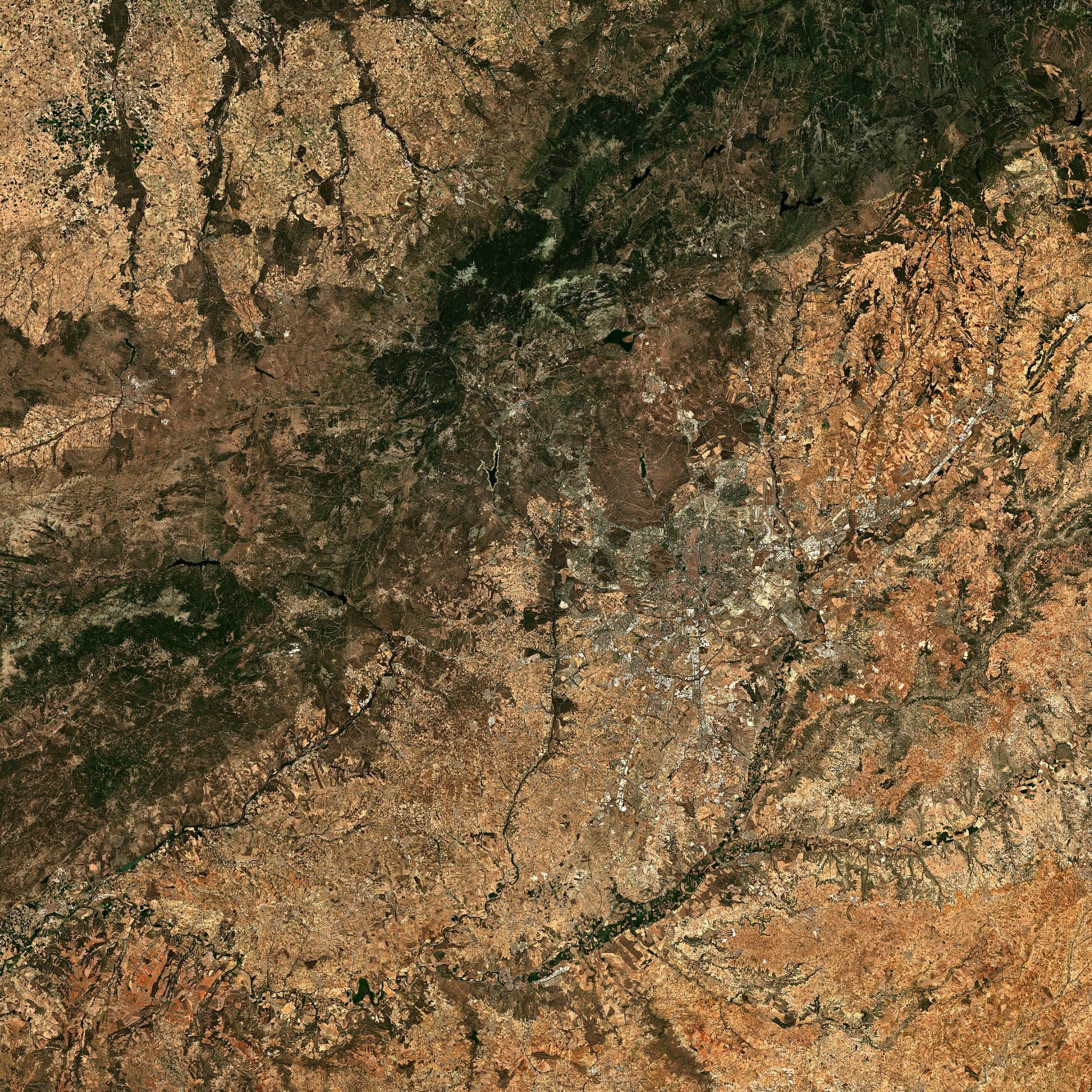
Continental Mediterranean, with hot, dry summers and cold winters. High-altitude vineyards (600–1,100 m) in Sierra de Gredos dramatically moderate the heat, producing some of central Spain's most elegant wines. The Arganda plateau east of Madrid is flatter and warmer; the El Molar subzona in the north sits on the Guadarrama foothills with strong diurnal swings.
Terroir
A varied mosaic: decomposed granite on the Sierra de Gredos slopes (San Martín de Valdeiglesias) produces the region's most celebrated Garnacha; limestone and clay dominate the Arganda plateau for structured Tempranillo; sandy-clay in Navalcarnero gives lighter wines; limestone and sand in El Molar favour fresh Garnacha and Albillo.
Typical Aromas
More in Spain
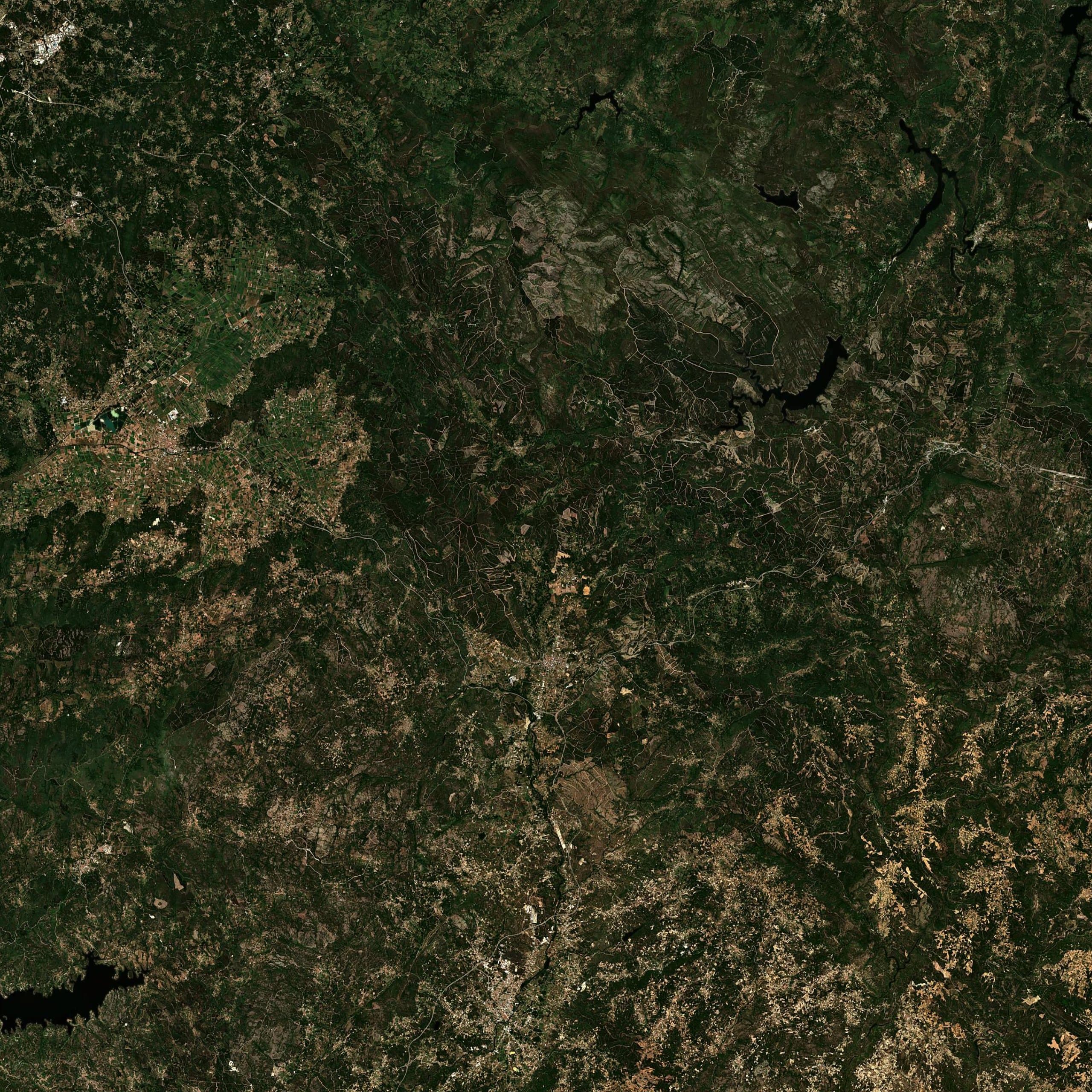
Map data: Consejo Regulador D.O. Vinos de Madrid · Comunidad de Madrid · Municipio boundaries © OpenStreetMap contributors (ODbL)