United States
California
One state, a dozen different wine countries.
About California
Wine regions
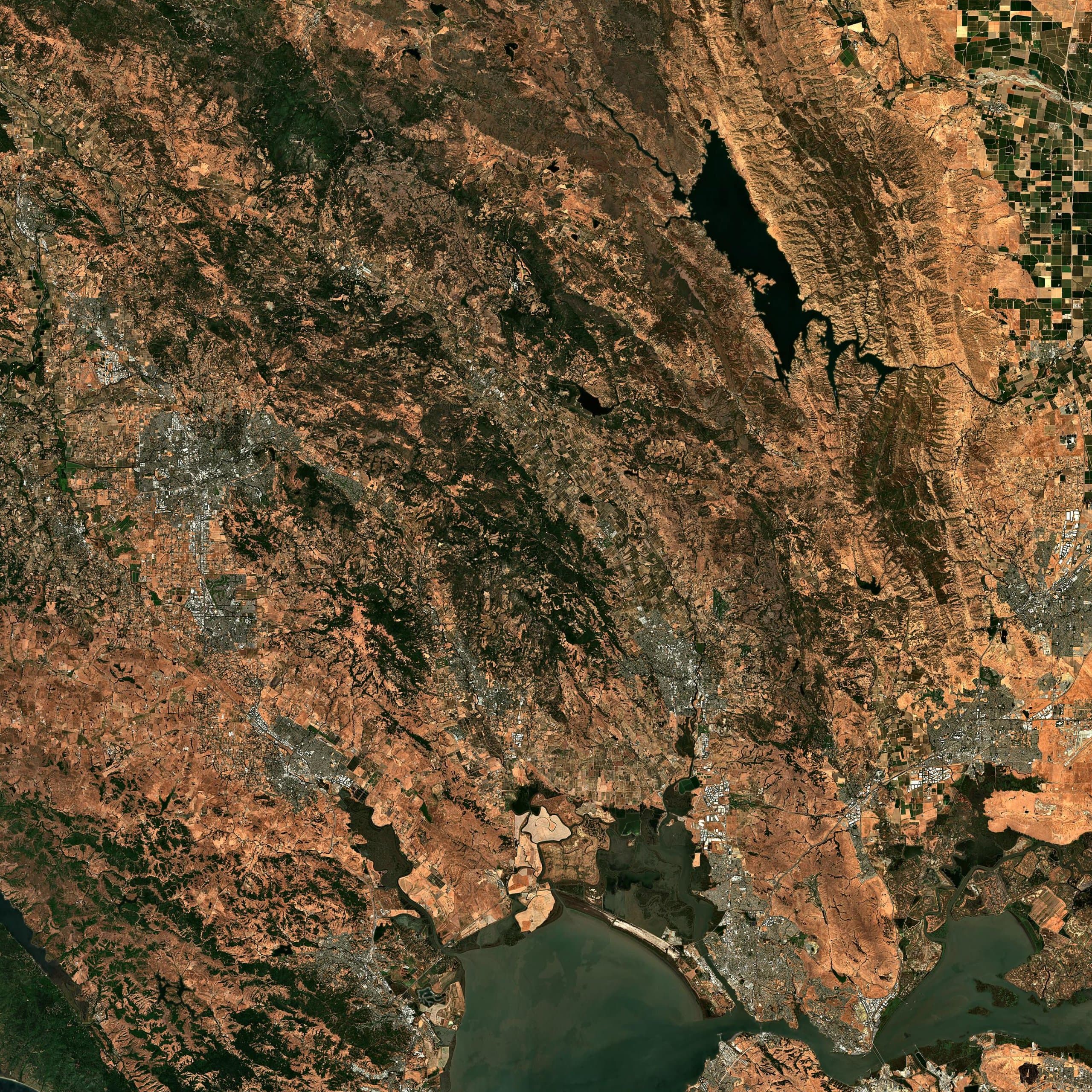
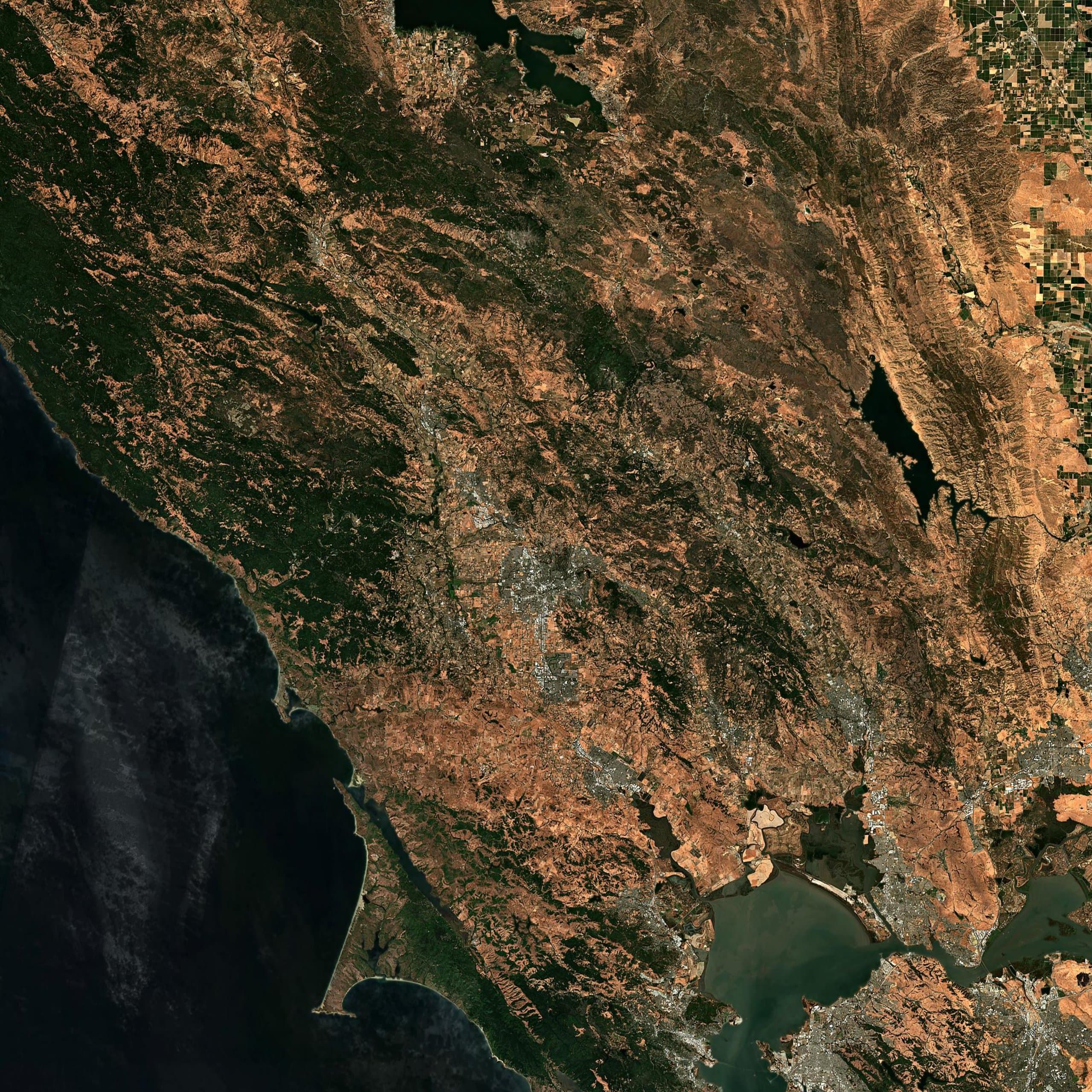
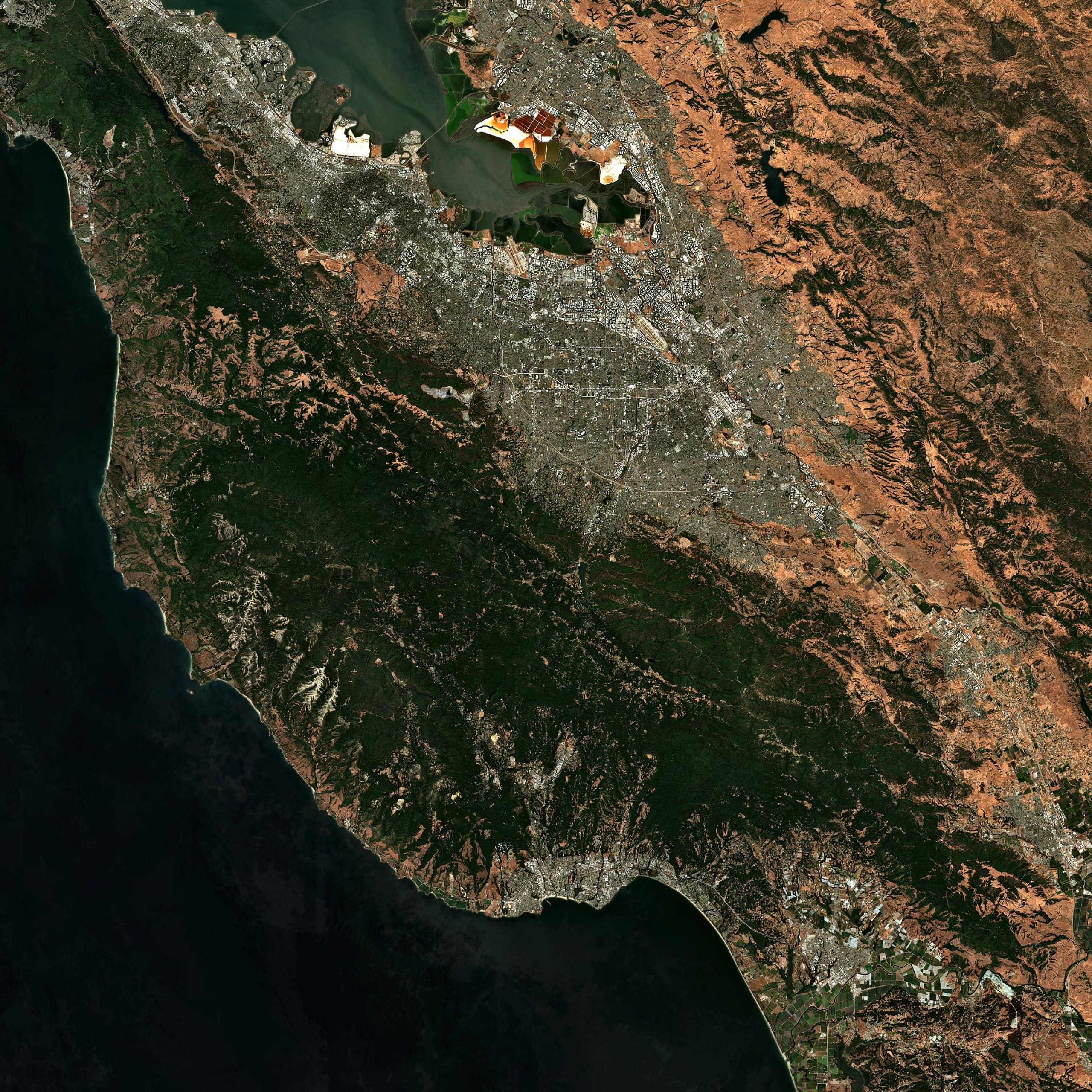
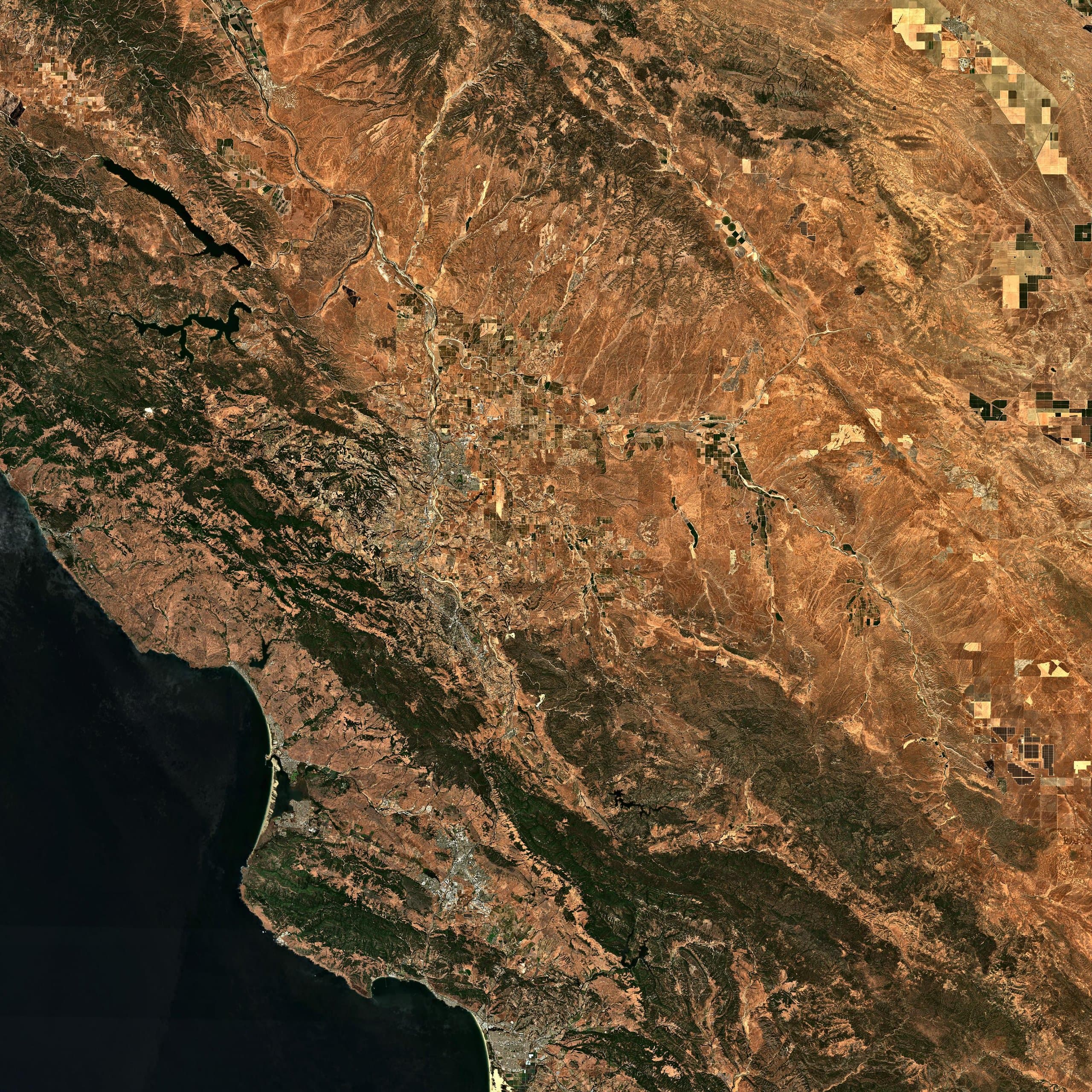
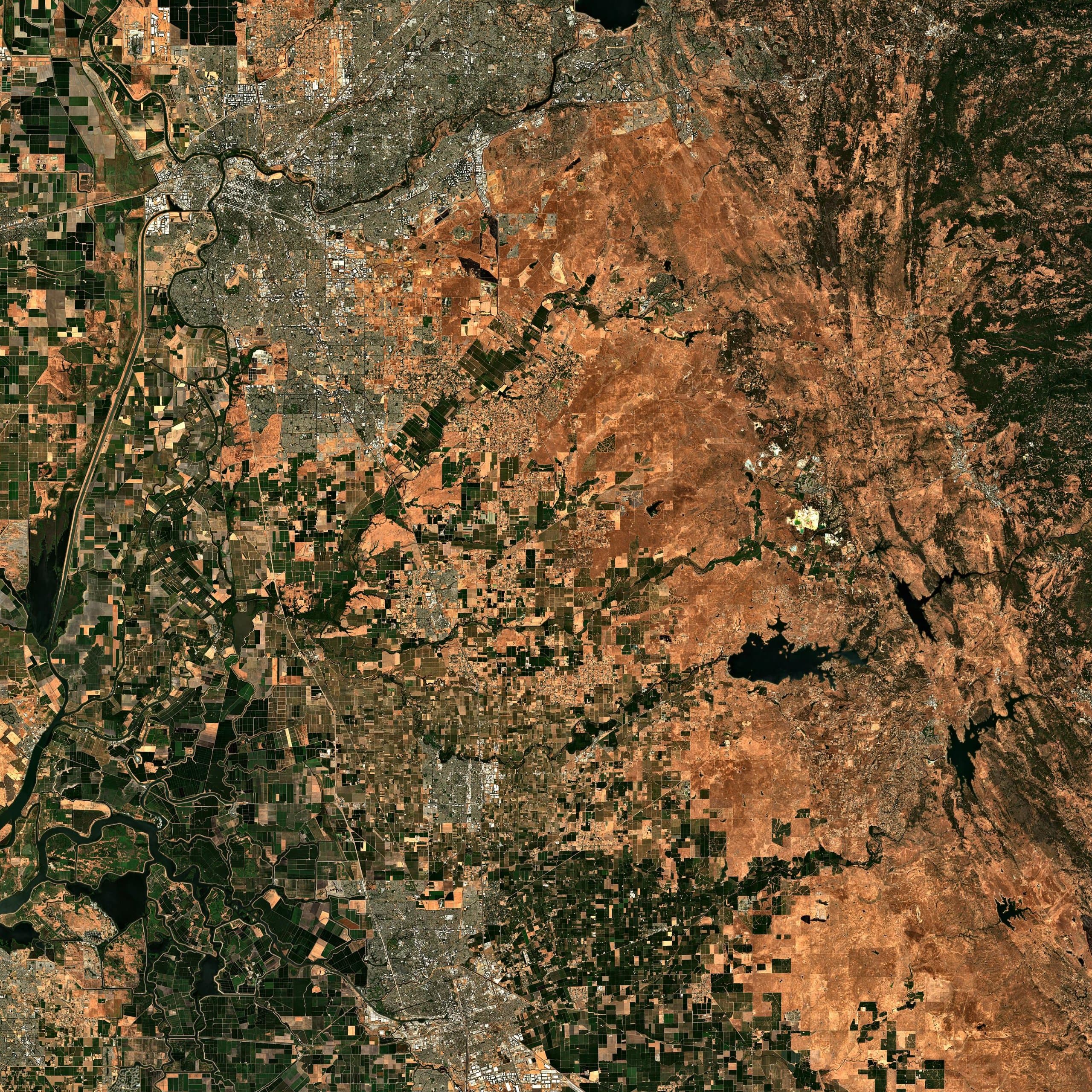
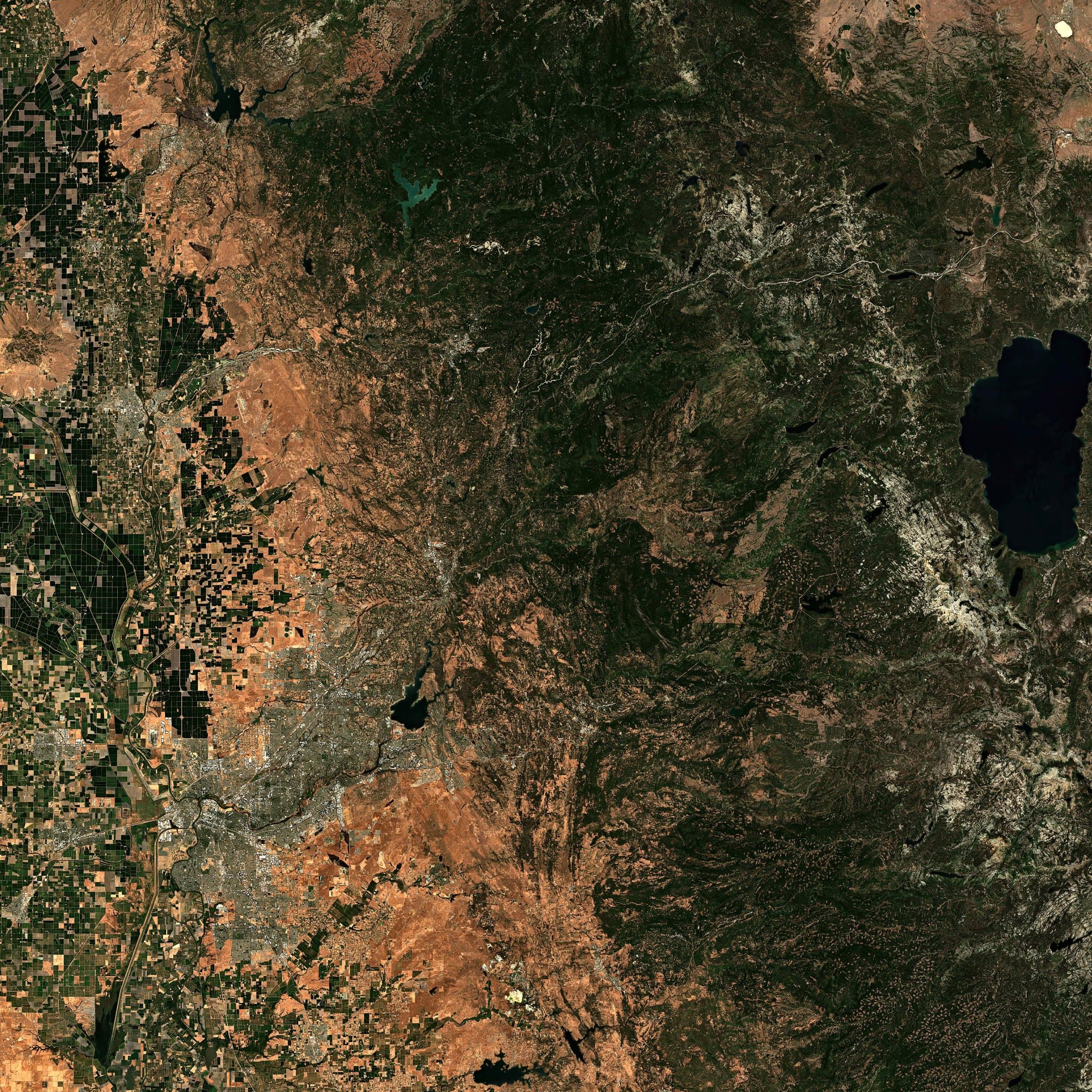
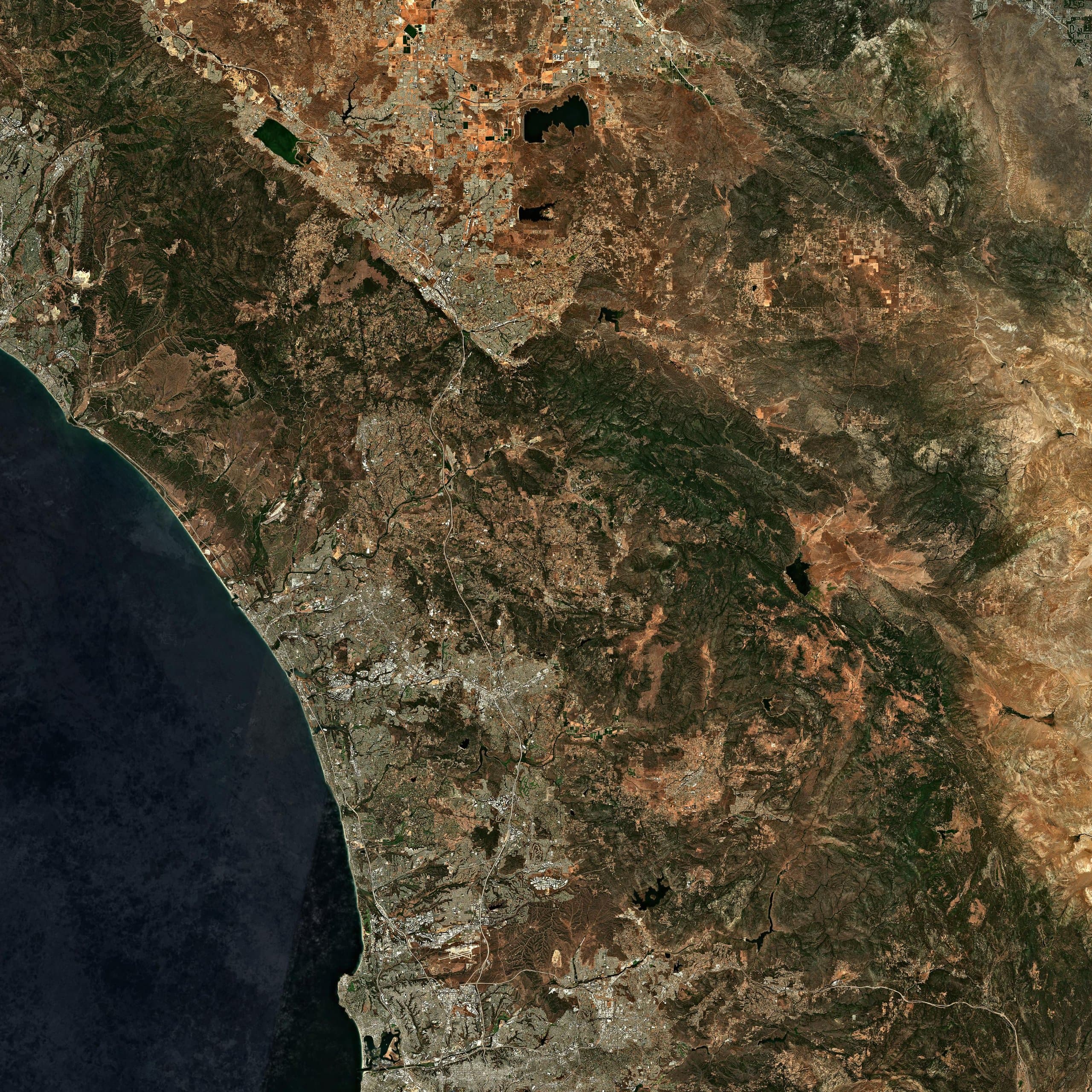
The regions of California
Classification System
The US uses AVAs to define grape-growing regions by geographic and climatic characteristics. Unlike European systems, AVAs don’t restrict grape varieties or winemaking methods.
Sub-AVA
Smaller, distinct area within a larger AVA (e.g. Oakville within Napa Valley)
AVA
Federally recognized viticultural area (e.g. Napa Valley, Sonoma Coast)
County
County-level designation (e.g. Sonoma County)
State
Broadest level (e.g. California)
What California produces
Red
Cabernet Sauvignon from Napa, Pinot Noir from the coast, Zinfandel and Rhône blends from the warmer interior.
White
Chardonnay above all, in every style from lean to rich, and Sauvignon Blanc for something sharper.
Grapes of California
Climate
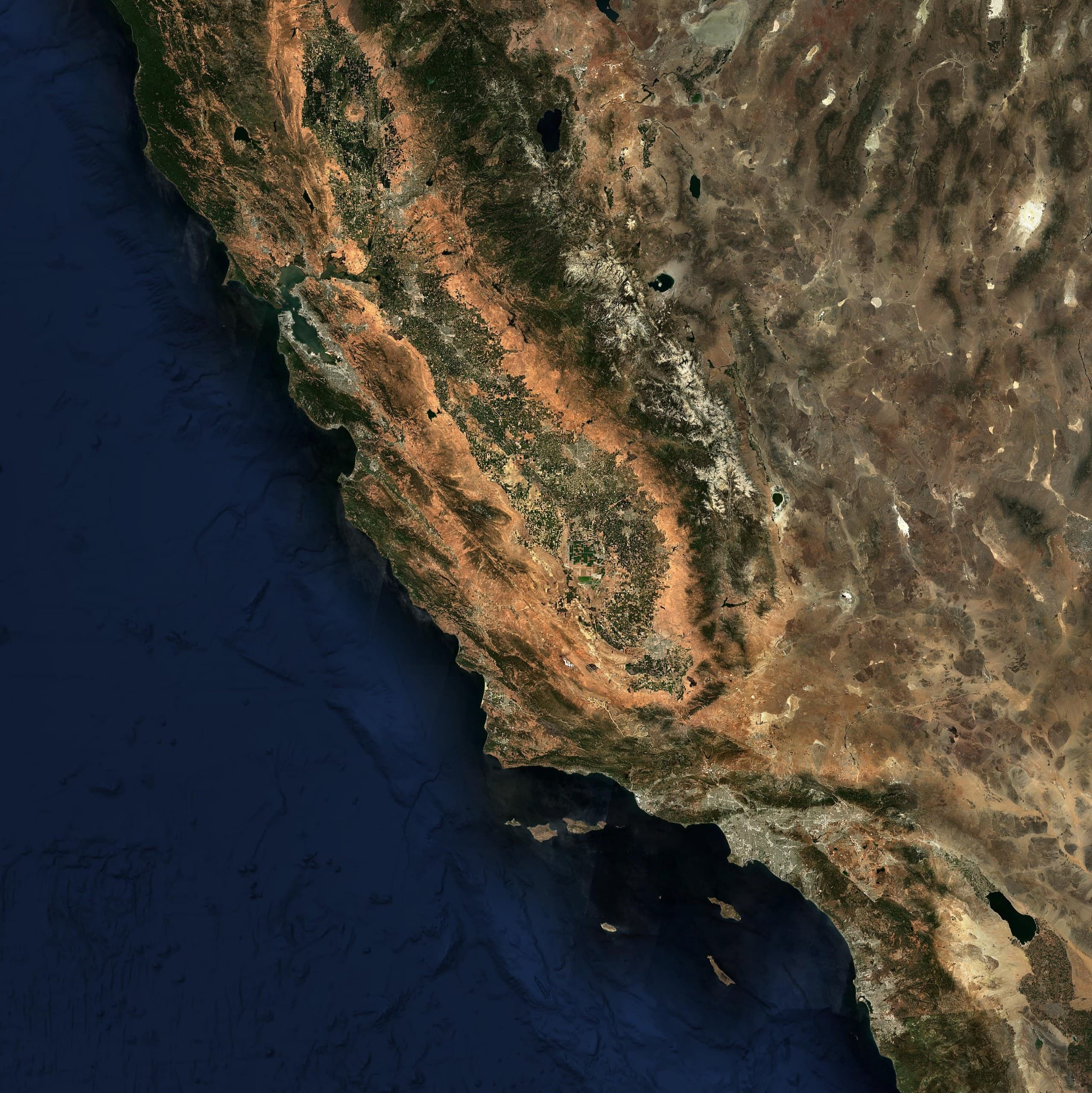
Mediterranean: dry, sunny summers and mild, wet winters. The real divide is the ocean. A cold current keeps the coast cool, and fog is pulled inland most evenings through gaps in the coastal hills, so a vineyard near the sea can be ten degrees cooler than one an hour inland. Rain almost never falls during the growing season, which makes harvests reliable and drought and wildfire the recurring worries.
Terroir
Some of the most varied geology in the wine world, the result of two plates of the earth's crust grinding past each other. Volcanic rock, old sea floor, river gravel and clay can sit side by side in a single valley. Altitude matters as much as soil: vineyards above the fog line get more sun and cooler nights than the valley floors below.