
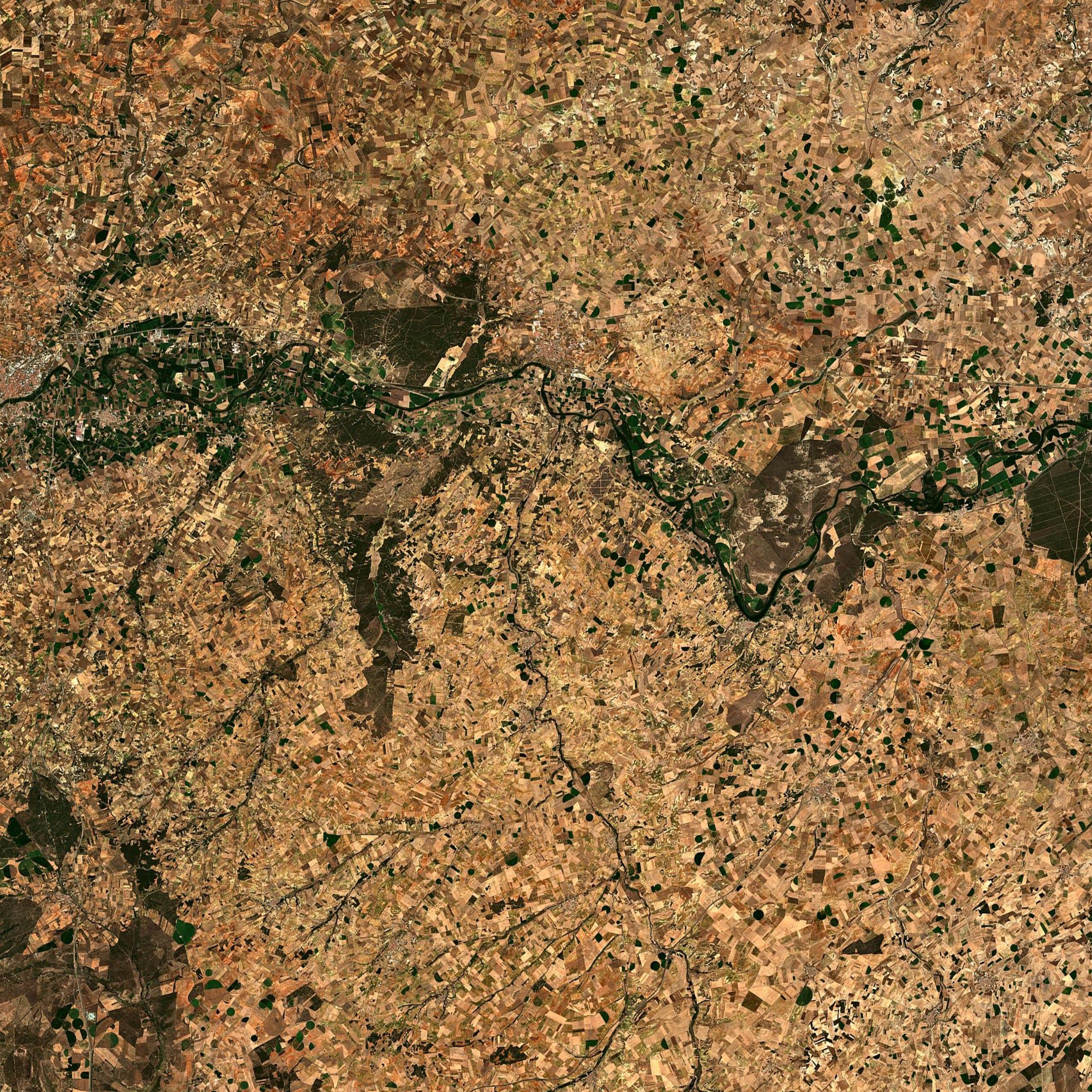
Spain
Toro
Spain wine regions
About Toro
637–858 m
Elevation range
Wine styles
12 Appellations
Avg. slope 0.7°
Spain wine regions
Vintages
11 · 2014–2024
Outstanding Toro Vintages
The best recent vintages rated excellent or exceptional.
Red
Municipios
Classification System
Spanish Quality Hierarchy
Spain's wine-quality pyramid, administered under the EU Protected Designation of Origin (DOP) framework. The two top legal tiers — DOCa and DOQ — have only been awarded to two regions in the country. Every wine DO in Spain sits somewhere on this ladder.
DOCa / DOQ
Denominación de Origen Calificada (Castilian) / Denominació d'Origen Qualificada (Catalan). Spain's highest wine classification — awarded only to Rioja (1991) and Priorat (2009)
DO
Denominación de Origen — the main quality tier. Most Spanish wine regions (Bierzo, Rueda, Ribera del Duero, Rías Baixas, etc.) are DOs
Vinos de Pago (VP)
Single-estate designation for exceptional individual vineyards, outside the regional DO system. Currently around 20 properties nationwide (Dominio de Valdepusa, Pago de Otazu, etc.)
VC / Vino de Calidad
Vino de Calidad con Indicación Geográfica — a stepping-stone tier below DO, used by emerging regions building a track record toward full DO status
VT / Vino de la Tierra
Protected Geographical Indication (IGP) — a broader regional tier. Equivalent to France's IGP / Italy's IGT
Vino (without GI)
Basic table wine without a geographic designation
Aging Classification
Toro uses Spain's standard aging pyramid. The dominant grape is Tinta de Toro, a robust local biotype of Tempranillo that produces powerful, deeply coloured reds.
Gran Reserva
Minimum 5 years aging (2 in oak)
Reserva
Minimum 3 years aging (1 in oak)
Crianza
Minimum 2 years aging (1 in oak)
Roble / Joven
Young wines, often with brief oak exposure
What Toro produces
Red
Tinta de Toro (Tempranillo) from old bush vines, famously powerful and age-worthy. Modern producers (Numanthia, Pintia, San Román) have brought finesse to the structure.
Rosé
Traditional rosados from Tinta de Toro, fresh and fruity; a smaller category.
White
Malvasía and Verdejo in tiny quantities, mostly for local consumption.
Grapes of Toro
Climate
Extreme continental with Atlantic influence. Hot, dry summers (often 40°C) and bitterly cold winters. Altitude (620–780 m) and vast diurnal swings preserve acidity through long ripening seasons. Low rainfall (around 350 mm) means natural yields are small and fruit concentrated.
Terroir
Duero alluvial terraces of sand, gravel, and stony clay — the sand helps explain why so many Toro vines are pre-phylloxera and ungrafted, since the louse can't survive in pure sand. Higher plateaus above the valley have clay-limestone soils that produce more structured, age-worthy wines. Old bush vines (vaso) dry-farmed with very low yields are the norm.
Typical Aromas
More in Spain
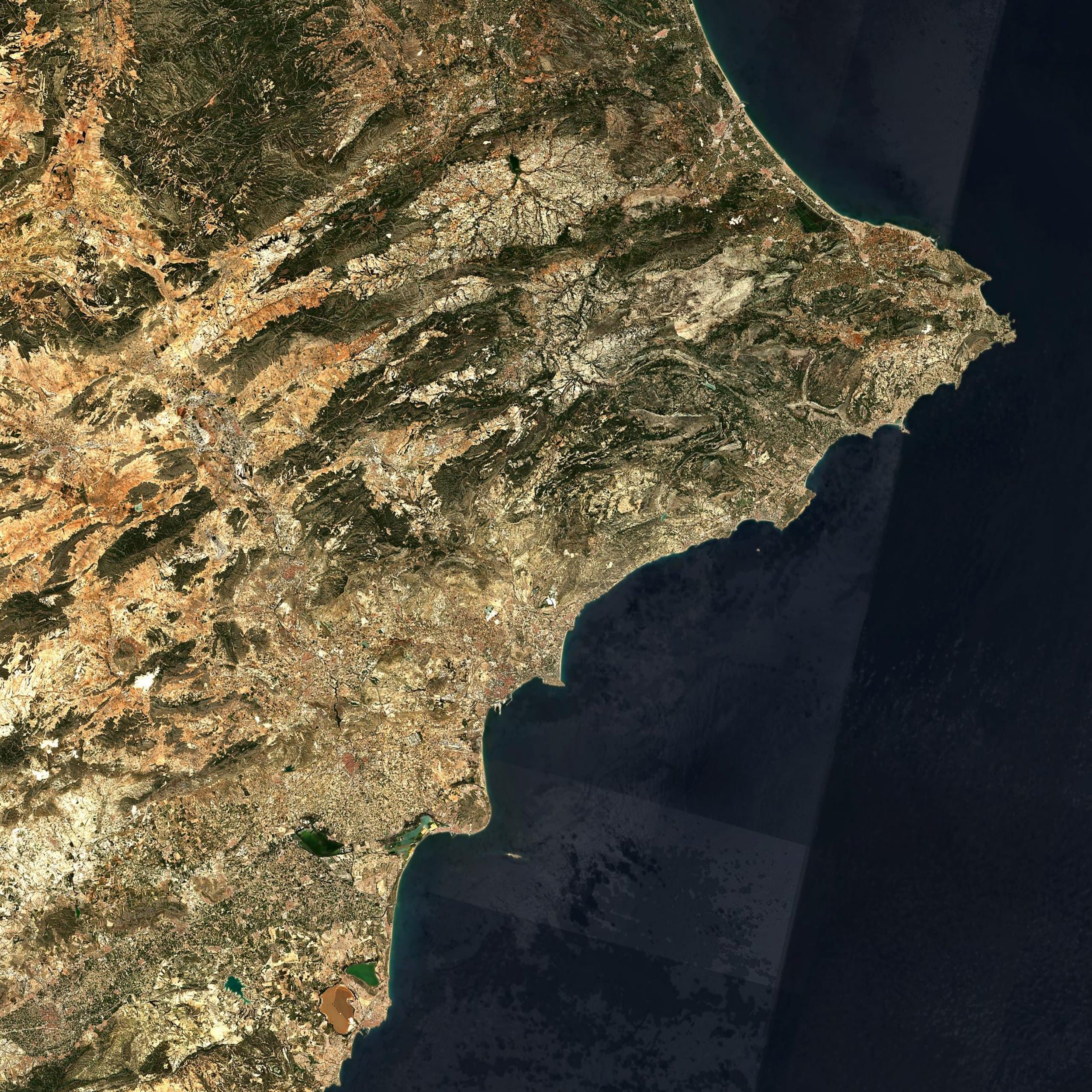
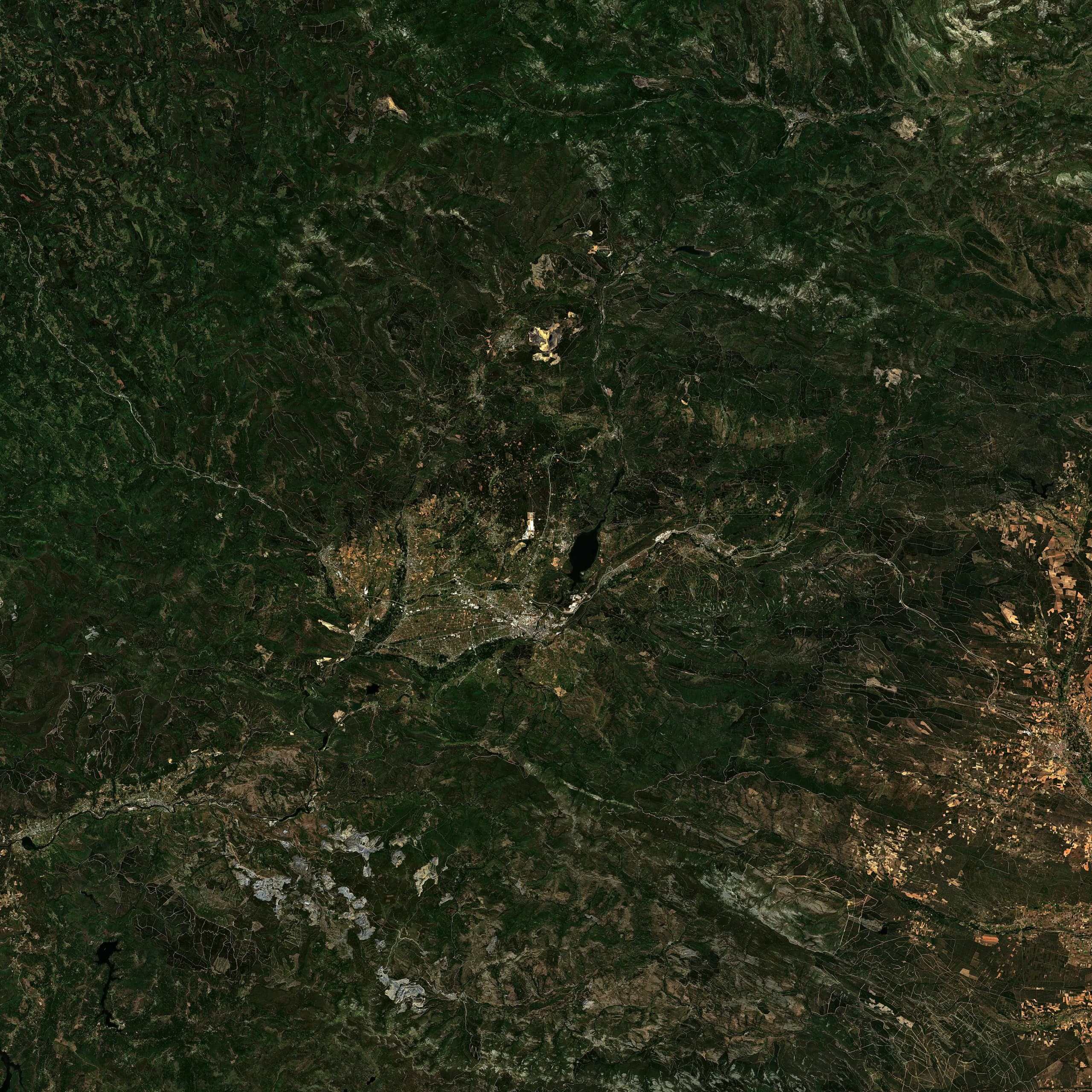
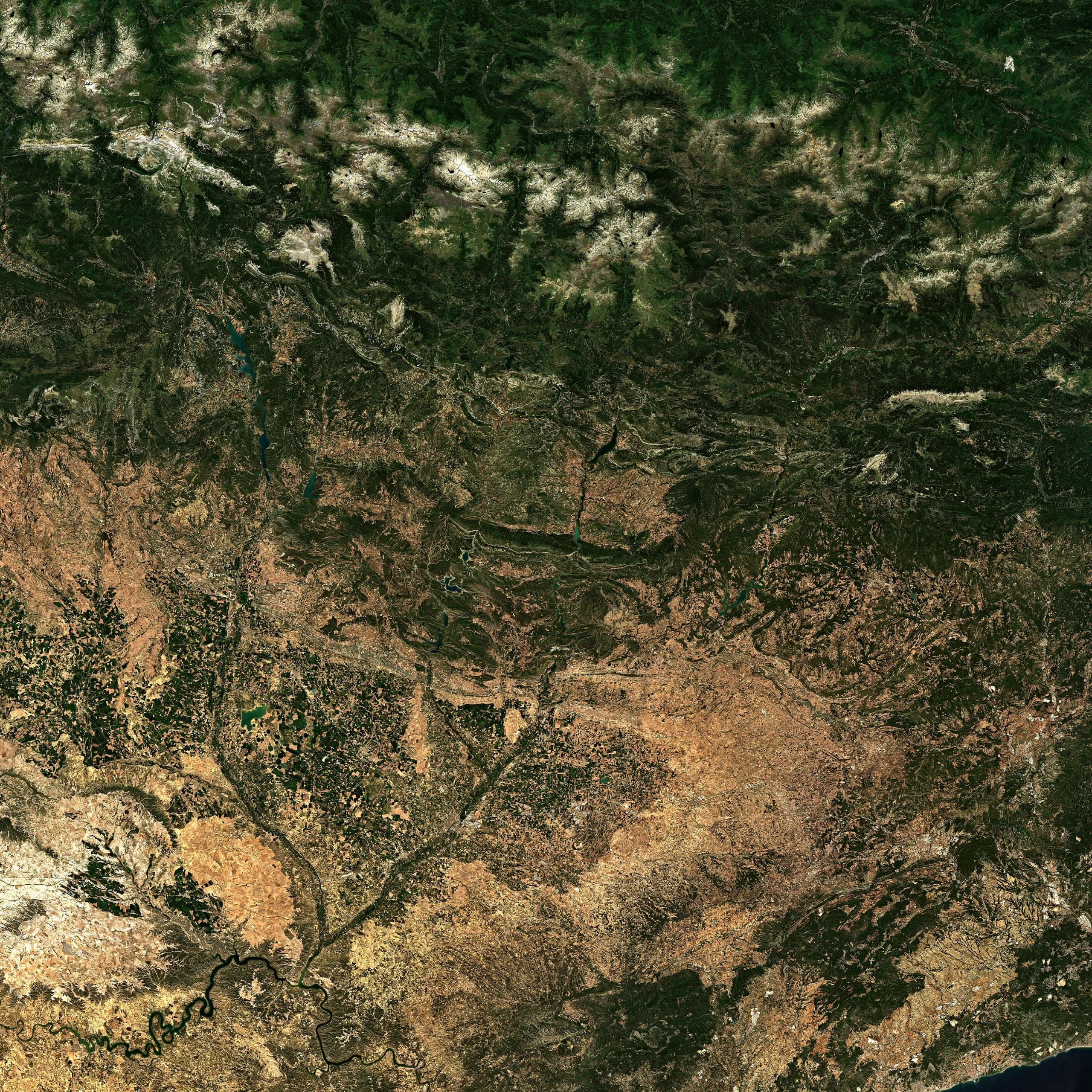
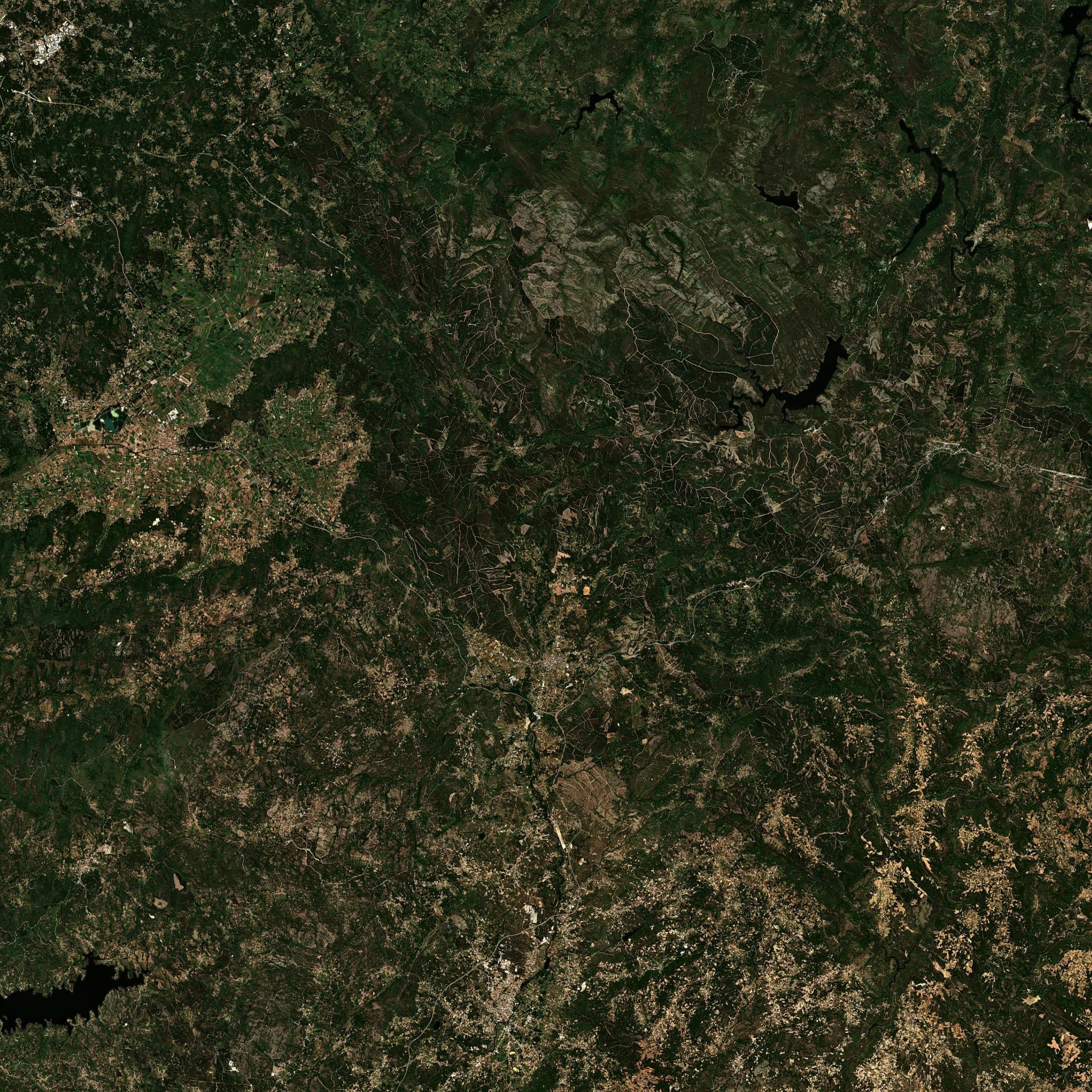
Map data: Consejo Regulador D.O. Toro · Municipio boundaries © OpenStreetMap contributors (ODbL)