CorkCork
Valle d'Aosta

Italy

Valle d'Aosta

PiedmontPiedmontTuscanyTuscanyVenetoVenetoLombardyLombardyPugliaPugliaSicilySicilySardiniaSardiniaFriuliFriuliCampaniaCampaniaAbruzzoAbruzzoTrentinoTrentinoUmbriaUmbriaMarcheMarcheBasilicataBasilicataEmilia-RomagnaEmilia-RomagnaCalabriaCalabriaLiguriaLiguriaValle d'AostaValle d'Aosta

Italy wine regions

About Valle d'Aosta

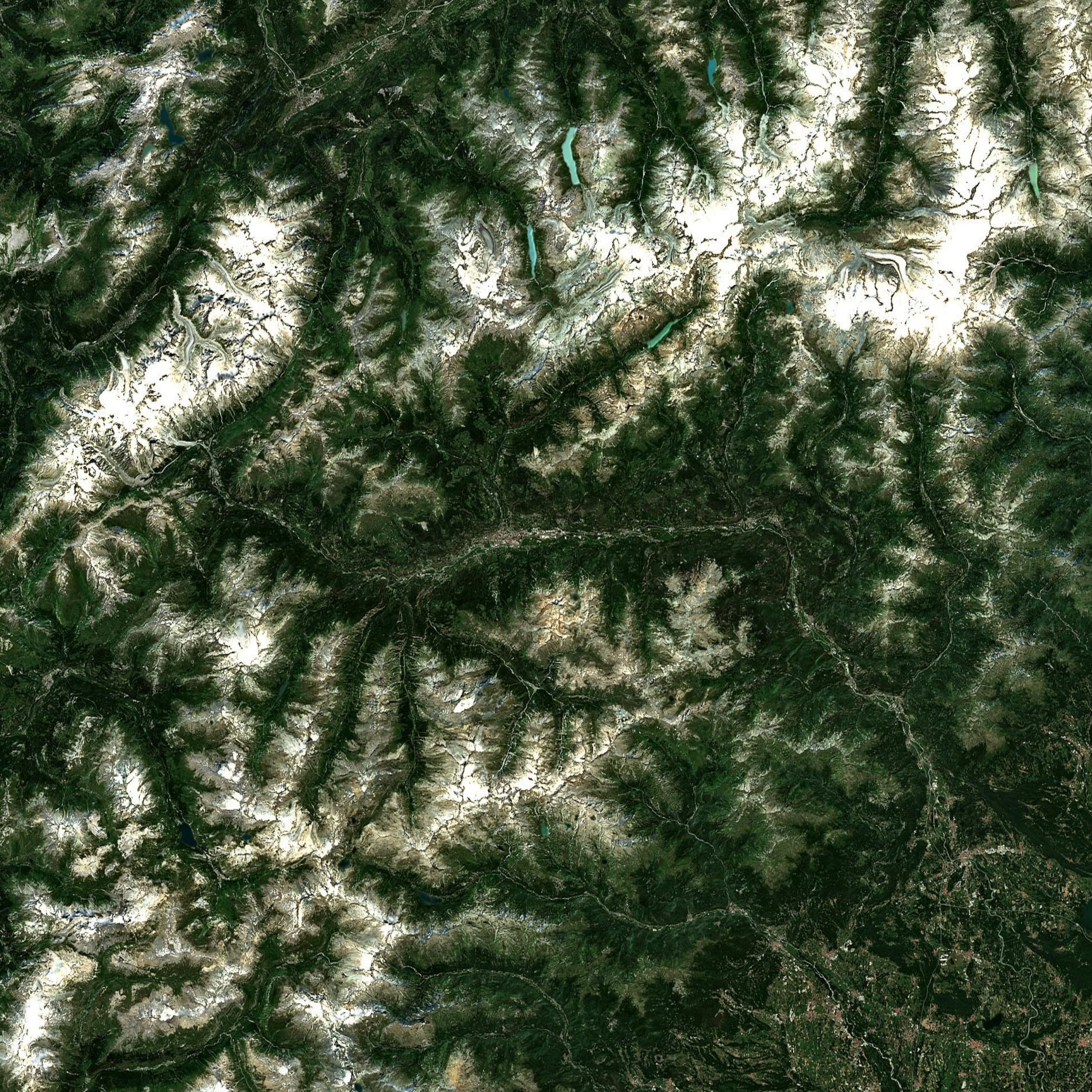
Italy's smallest wine region is one long alpine valley, and every vineyard in it is a small act of defiance. At Morgex and La Salle, below Mont Blanc, ungrafted Prié Blanc grows on knee-high pergolas at up to 1,200 metres, among Europe's highest vines, picked by growers who sometimes work with crampons in the first snow. Down the Dora Baltea, Petit Rouge makes Torrette, the valley's violet-scented everyday red, Fumin adds dark, age-worthy depth, and at Donnas the terraces grow Nebbiolo they call Picotendro, a mountain cousin of Barolo. Cooperatives like Cave Mont Blanc and Caves de Donnas carry the tradition, and a single DOC covers it all in two languages, Italian and French.

Vintages

12 · 2014–2025

Rating:
95+
90-94
85-89
80-84
<80
PeakReadyHold
Year202520242023202220212020201920182017201620152014
Red

Outstanding Valle d'Aosta Vintages

The best recent vintages rated excellent or exceptional.

Red

2021

At peak
91Excellent

Excellent and small: dense, perfumed reds with real cellar bones, a standout for Donnas.

2023Peak 2025–20302032

2019

At peak
90Excellent

Structured, energetic reds with bright acidity; Donnas and Fumin reward patience.

2021Peak 2023–20282030

2016

At peak
90Excellent

Classic, perfumed reds with fine tannins; Donnas in particular showed its alpine-Nebbiolo elegance.

2018Peak 2020–20272029

2015

Drink up
90Excellent

Warm and generous: fleshy Torrette, ripe Fumin, and Donnas with unusual early charm.

2017Peak 2019–20252027

Zones & Villages

What Valle d'Aosta produces

Red

Petit Rouge's juicy, violet-scented Torrette, dark structured Fumin, and Donnas Nebbiolo that trades Barolo's power for alpine perfume.

White

Prié Blanc from Europe's highest vineyards: lean, floral, faintly smoky, with glacier-fresh acidity.

Sparkling

Blanc de Morgex et de La Salle also comes as mountain bubbles, from traditional method to gently frizzante.

Similar styles

Lands in the same glass.

Grapes of Valle d'Aosta

What it tastes like

Body

Medium

Acidity

Bright

Tannin

Grippy

Oak

Some oak

Ripeness

Fresh

Concentration

Medium

Reds

Medium-bodied and bright, with grippy tannin and some oak; red fruit, black fruit and blue fruit.

red fruit · black fruit · blue fruit · floral · herbal

Body

Light

Acidity

Zippy

Oak

No oak

Ripeness

Fresh

Concentration

Medium

Whites

Light-bodied and zippy; orchard fruit, citrus and a floral lift.

apple and pear · citrus · floral · herbal · smoky

Cork's estimate.

Climate

Alpine and surprisingly dry: the mountains wring out the weather before it reaches the valley, leaving one of Italy's driest wine regions, with hot, sunny days on the south-facing slopes and sharply cold nights. Altitude stretches the season, hail and spring frost are the gambles, and the foehn wind keeps the grapes healthy through long autumns.

Terroir

Glacial country: the valley floor and its sunny adret flank are moraine, sand, and rock flour over granite and schist, so poor and loose that phylloxera never took hold in the highest parcels. Vines stand on dry-stone terraces stacked up the mountainside from about 300 metres at Donnas to 1,200 at Morgex, many too steep for anything but hand work.

Typical Aromas

alpine herbswhite flowersred currantvioletflintmountain hay
Explore the aroma wheel

More in Italy

Frequently Asked Questions

What makes Valle d'Aosta wine special?▼
It's Italy's smallest wine region, a single alpine valley where everything grows on terraces stacked up the mountainside. At Morgex and La Salle, below Mont Blanc, ungrafted Prié Blanc vines sit on knee-high pergolas at up to 1,200 metres, among the highest vineyards in Europe. The glacial soils are so poor and the air so dry that phylloxera never took hold up there. The wines taste like where they come from: lean, floral whites, violet-scented reds, and mountain Nebbiolo with real pedigree.
What grapes grow in Valle d'Aosta?▼
The natives are the stars. Prié Blanc makes Blanc de Morgex et de La Salle, the high-altitude white, still or sparkling. Petit Rouge leads Torrette, the valley's everyday red, juicy and violet-scented, while Fumin gives darker wines worth cellaring. At Donnas, Nebbiolo goes by the local name Picotendro and makes a paler, firmer mountain cousin of Barolo. You'll also find Cornalin, Mayolet, and alpine plantings of Pinot Noir, Gamay, and Petite Arvine shared with neighbouring Switzerland.
What is Blanc de Morgex et de La Salle?▼
A white wine from Prié Blanc grown in the comuni of Morgex and La Salle at the very top of the valley, up to 1,200 metres below Mont Blanc. The vines are ungrafted and trained on low pergolas to catch warmth from the ground, and growers sometimes pick in sight of fresh snow. The wine is pale, lean, and floral, with mountain-stream acidity and a faint smoky note, and the Cave Mont Blanc cooperative makes lovely sparkling versions too.
What are the best Valle d'Aosta vintages?▼
2021 is the recent standout, a frost-shrunk crop that gave dense, perfumed reds, with 2015, 2016, and 2019 close behind for structure and balance. 2025 and 2024 both look fresh and classic. Cooler, wetter years like 2014 gave lighter wines best enjoyed young. The whites are generally made for early enjoyment, though good Blanc de Morgex can surprise after a few years.
Which Valle d'Aosta producers should I look for?▼
The cooperatives are excellent and great value: Cave Mont Blanc for Blanc de Morgex et de La Salle, Caves de Donnas for mountain Nebbiolo, and Cave des Onze Communes for Torrette. Among estates, Grosjean and Les Crêtes lead the way, with Ottin and Lo Triolet making superb Petite Arvine and Pinot Gris. Most are small family affairs, which is half the charm of the valley.

Map data: DOC zones from ISTAT comune boundaries (openpolis/geojson-italy, CC BY 4.0)