CorkCork
Peloponnese

Greece

Peloponnese

ThraceThraceMacedoniaMacedoniaEpirusEpirusThessalyThessalySterea ElladaSterea ElladaIonian IslandsIonian IslandsAegean IslandsAegean IslandsCreteCretePeloponnesePeloponnese

Greece wine regions

About Peloponnese

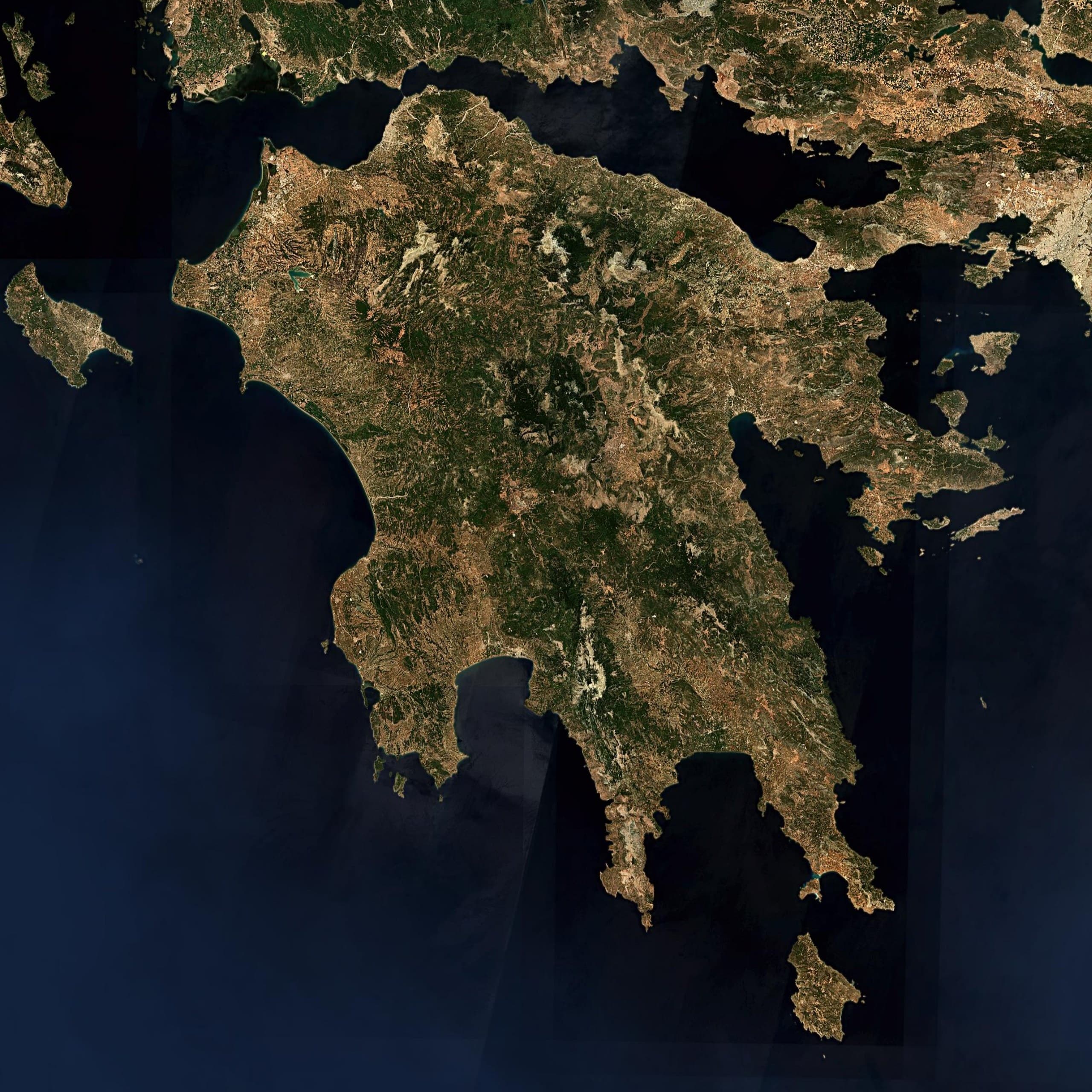
The Peloponnese is the modern engine of Greek wine and the most exported region by volume. Seven PDOs cover the peninsula: Nemea, the country's largest red PDO, built on Agiorgitiko in a natural limestone amphitheatre south of Corinth; Mantinia, a high-altitude white PDO from the pink-skinned Moschofilero grape; Patra and three Muscat/Mavrodaphne sibling PDOs on the gulf of Patras (Patra, Muscat of Patra, Muscat of Rio Patra, Mavrodaphni of Patra); and Monemvasia-Malvasia, a sweet white PDO in Lakonia revived from the medieval Malvasia trade. Prefecture-level PGIs (Arkadia, Korinthos, Argolida, Achaia, Ilia, Messinia, Lakonia) sit alongside. Producers from Gaia, Skouras, Tselepos, Driopi (Costa Lazaridi) and Parparoussis to a new generation of small estates anchor the contemporary scene.

Vintages

24 · 2014–2025

Rating:
95+
90-94
85-89
80-84
<80
PeakReadyHold
Year202520242023202220212020201920182017201620152014
Red
White

Outstanding Peloponnese Vintages

The best recent vintages rated excellent or exceptional.

Red

2025

Almost ready
91Excellent

Deeply colored, balanced Nemea despite a sharply reduced crop.

2027Peak 2028–20322034

2024

Ready
90Excellent

Concentrated, firm Agiorgitiko from a small, early crop.

2026Peak 2027–20302032

2022

At peak
91Excellent

Generous, sun-filled Nemea with plush tannins from ripe valley fruit.

2024Peak 2026–20302032

2021

At peak
92Excellent

Deep, ripe, yet fresh Agiorgitiko; a quietly excellent year.

2023Peak 2025–20302033

2020

At peak
91Excellent

Balanced, mid-weight Nemea with charm and drive.

2022Peak 2024–20292031

2019

At peak
92Excellent

Structured, energetic Agiorgitiko with notably fresh acidity.

2021Peak 2023–20292032

2018

At peak
90Excellent

Polished, aromatic reds, strongest from the high-altitude zones.

2020Peak 2022–20282030

2017

At peak
94Excellent

One of modern Nemea's great years: dense, structured Agiorgitiko with superb balance.

2019Peak 2023–20302034

2015

At peak
91Excellent

Generous, velvety Agiorgitiko with deep color and ripe tannins.

2017Peak 2019–20262028

White

2025

At peak
94Excellent

A brilliant Mantinia vintage: exceptional aromatic purity with marked freshness.

2026Peak 2026–20292030

2024

At peak
90Excellent

Concentrated, ripe Moschofilero from an early, tiny harvest.

2025Peak 2025–20272028

2022

Drink up
91Excellent

Juicy, floral, immediately charming Mantinia.

2023Peak 2023–20252026

2020

Past window
90Excellent

Fresh, well-balanced whites with gentle florality.

2021Peak 2021–20232024

2019

Past window
93Excellent

Exceptional Moschofilero: floral, racy, and precise.

2020Peak 2020–20232024

2017

Past window
93Excellent

An outstanding Mantinia: intense, perfumed, concentrated Moschofilero.

2018Peak 2018–20212022

2015

Past window
91Excellent

Classic rose-petal and citrus Moschofilero with lovely poise.

2016Peak 2016–20182019

PDOs & PGIs

What Peloponnese produces

PGI Peloponnese

The peninsula-wide designation that lets producers work across Nemea, Mantinia, and the southern valleys in one blend. Agiorgitiko and Moschofilero lead.

Similar styles

Lands in the same glass.

Grapes of Peloponnese

What it tastes like

Body

Medium

Acidity

Fresh

Tannin

Firm

Oak

Some oak

Ripeness

Ripe

Concentration

Medium

Reds

Medium-bodied and fresh, with firm tannin and some oak; red fruit, black fruit and a floral lift, built to age.

red fruit · black fruit · floral · spicy · stony

Body

Lightish

Acidity

Zippy

Oak

No oak

Ripeness

Fresh

Concentration

Medium

Whites

On the lighter side and zippy; citrus, tropical fruit and a floral lift.

citrus · tropical · floral · spicy · stony

Cork's estimate.

Climate

MediterraneanAltitudeContinental influenceLong warm daysCool nights

Altitude is the quiet organizing principle. The coastal lowlands are warmly Mediterranean, but the serious vineyards climb: Nemea's slopes rise from the valley floor to high hillside plots, and Mantinia sits on a cool upland plain where Moschofilero often waits until October. Long warm days and sharply cooler nights preserve the aromatics that define both.

Terroir

LimestoneRed claySchistMarlCalcareous

Nemea's signature is red clay over limestone, deep iron-rich ground in a region whose wine is still nicknamed the blood of Hercules. Mantinia's plateau is lighter calcareous soil, the hills of Achaia above the gulf of Patras mix marl and schist at altitude, and limestone bedrock runs beneath nearly all of it.

Typical Aromas

Red cherryRose petalDried figCinnamonCitrus blossomBlack tea
Explore the aroma wheel

More in Greece

Frequently Asked Questions

Why is the Peloponnese the engine of modern Greek wine?▼
Seven PDOs, three signature native grapes (Agiorgitiko, Moschofilero, Mavrodaphne), a varied terroir from Mediterranean coast to 800-metre limestone slopes, and a generation of producers who put Greek wine on serious export lists. The Peloponnese makes more high-quality wine by volume than any other Greek region, and its exports lead the country.
What is Nemea?▼
Greece's largest red PDO, built on the Agiorgitiko grape in a natural limestone amphitheatre south of Corinth. Nemea splits into three altitude tiers: valley floor wines that are plush and ripe, mid-slope bottlings with better structure, and the most age-worthy reds from the upper slopes above 500 metres. Producers like Gaia, Skouras, Driopi, Bairaktaris and Lafkiotis define the modern Nemea style.
What does Mantinia taste like?▼
Mantinia is a high-altitude white PDO on the Arcadian plateau, made from the pink-skinned Moschofilero grape. The wines are aromatic in a Greek way: rose petal, citrus, white blossom, a slight prickle of carbon dioxide, naturally low alcohol and bright acidity. Tselepos and Bosinakis are the producers to look for; both also make excellent traditional-method sparklings from the same grape.
What is Mavrodaphne of Patras?▼
A fortified red PDO from the Patras hills, traditionally made for the church and the long after-dinner table. Sun-baked Mavrodaphne grapes are partially dried, fermented and fortified with grape spirit, then aged in old oak barrels for years (sometimes decades) to develop a rancio, port-like profile of fig, walnut, orange peel and warm spice. An underappreciated category. Parparoussis and Tetramythos make the most ambitious modern versions.
What is Monemvasia-Malvasia?▼
A sweet white PDO in Lakonia, revived from the medieval Malvasia trade that ran out of the Monemvasia harbour. The wines are made from sun-dried indigenous whites (Monemvasia, Asproudes, Kydonitsa) and aged in old oak. Modern bottlings from estates like Monemvasia Winery have rebuilt the category around honest, well-structured sweet wines.
Which Peloponnesian producers should I know?▼
Gaia (Nemea and Santorini), Skouras (Nemea, full range), Tselepos (Mantinia and Nemea), Driopi by Costa Lazaridi (Nemea), Parparoussis (Patras and Mavrodaphne), Domaine Spiropoulos (Mantinia), Lafkiotis (Nemea), and a growing list of small producers across Arkadia, Lakonia and Messinia.

Map data: Wines of Greece (ΕΔΟΑΟ, PDO/PGI register) · EU eAmbrosia · Administrative boundaries © OpenStreetMap contributors (ODbL) · Community boundaries © Hellenic Statistical Authority (ELSTAT)