CorkCork
Robertson

South Africa

Robertson

SwartlandSwartlandPaarlPaarlConstantiaConstantiaStellenboschStellenboschFranschhoekFranschhoekElginElginWalker BayWalker BayRobertsonRobertson

South Africa wine regions

About Robertson

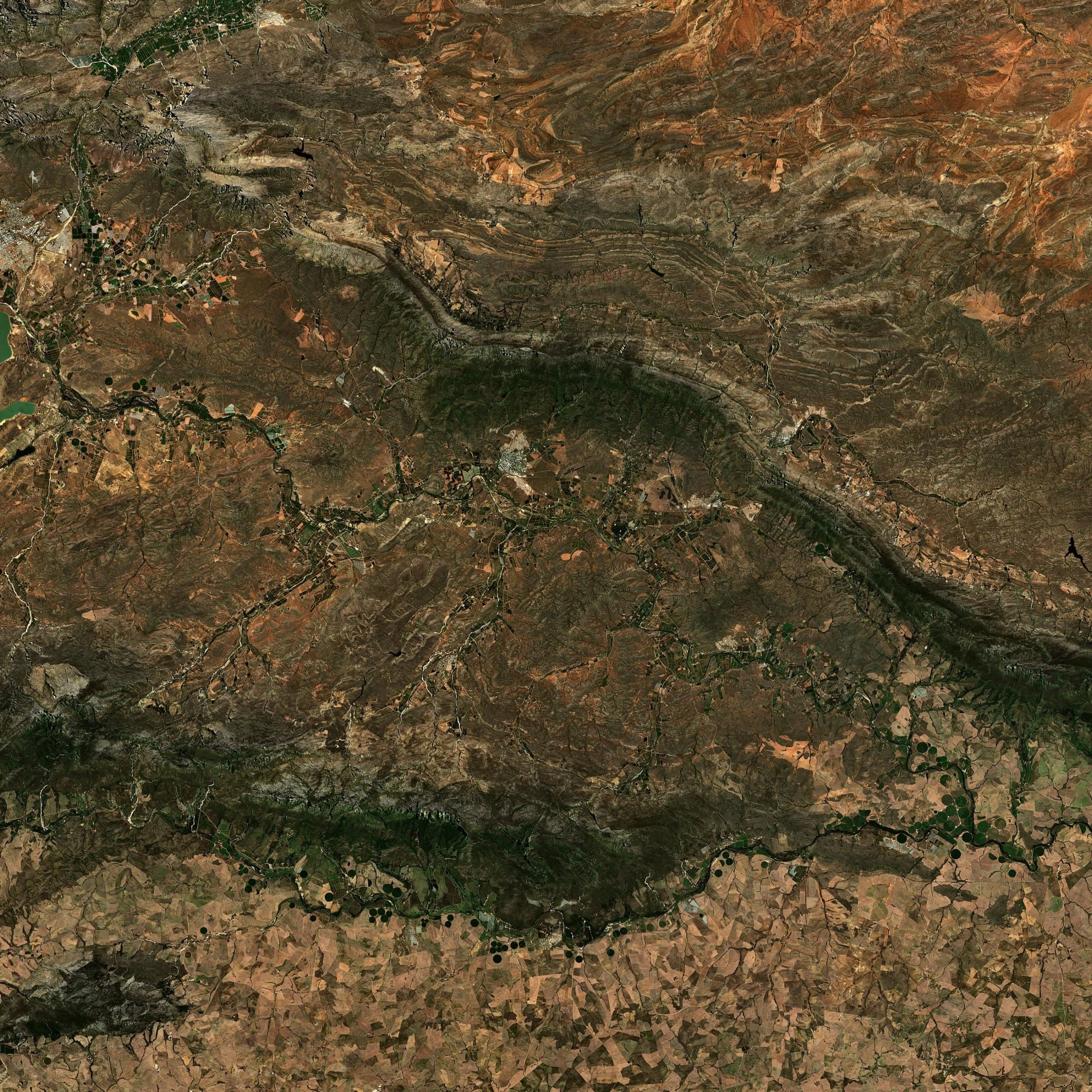
Robertson calls itself the valley of wine and roses, a sunny stretch of the Breede River where, unusually for South Africa, the soils run rich in limestone. That lime is why the valley breeds racehorses and why its Chardonnay has such natural poise: De Wetshof built its name on it, and Graham Beck turned it into some of the country's most celebrated Cap Classique sparkling. Springfield's Sauvignon Blancs and a clutch of honest family cellars round out a region that has quietly shifted from bulk supplier to source of serious, keenly priced wine. The wards of Bonnievale and McGregor downstream each add their own village character.

Vintages

11 · 2015–2025

Rating:
95+
90-94
85-89
80-84
<80
PeakReadyHold
Year20252024202320222021202020192018201720162015
White

Outstanding Robertson Vintages

The best recent vintages rated excellent or exceptional.

White

2025

Ready
92Excellent

Concentrated and lively, with sparkling base wine of notable finesse.

2026Peak 2027–20292030

2024

At peak
90Excellent

Bright, zesty, aromatic whites from a smaller crop.

2025Peak 2026–20272028

2022

At peak
91Excellent

Ripe, sunny, charming whites with the limestone keeping order.

2023Peak 2024–20262027

2021

At peak
93Excellent

The pick of recent years: tense, mineral whites and exceptional Cap Classique fruit.

2022Peak 2023–20272029

2020

Drink up
91Excellent

Generous, balanced Chardonnay and bright Sauvignon.

2021Peak 2022–20252027

2019

Past window
90Excellent

Fresh, citrussed, dependable; good sparkling-wine tension.

2020Peak 2021–20242025

2017

Drink up
92Excellent

Concentrated, chalky, precise; a standout year for limestone Chardonnay.

2018Peak 2019–20242026

2015

Past window
92Excellent

Poised, lime-fresh Chardonnay and excellent sparkling base wine.

2016Peak 2017–20222025

Wards & Towns

Classification System

South Africa's Wine of Origin scheme, instituted in 1973, demarcates where a wine may claim to come from: geographical units like the Western Cape, then regions, districts, and finally wards. A WO claim means 100 percent of the grapes grew inside the named area, with the certification seal numbered on every bottle.

Ward

The tightest demarcation, like Simonsberg-Stellenbosch or Hemel-en-Aarde Valley

District

The names labels lead with, Stellenbosch to Walker Bay

Estate / Single Vineyard

A registered contiguous estate, or a registered single vineyard of at most 6 hectares

What Robertson produces

White

Limestone-grown Chardonnay of real finesse, plus zesty Sauvignon Blanc and generous Chenin Blanc.

Red

Juicy, sun-filled Shiraz and Cabernet in an approachable, early-drinking style.

Sparkling

A Cap Classique heartland: lime-rich soils give the base wines the cut that serious bubbles need.

Grapes of Robertson

Climate

Hot dry summersAfternoon river windsCool nightsLow rainfall

Hot, dry inland climate tempered by a daily gift: the south-easterly wind that funnels up the Breede River valley every afternoon, dropping temperatures sharply and keeping nights cool. Rainfall is low and vineyards are irrigated from the river. The big swing between warm days and cool evenings preserves the acidity the valley's whites are known for.

Terroir

Limestone bandsRed karoo loamRiver gravel

Limestone-rich soils are the signature, rare in the Cape winelands, laid down in bands along the Breede River among red karoo loams and gravel. The lime suits Chardonnay and sparkling-wine fruit perfectly, giving tension to wines from a warm valley. Vineyards line the river plain and climb the lower slopes between Robertson, Bonnievale, and McGregor.

Typical Aromas

lemonwhite peachchalk dustpineapplebriocheorange blossom
Explore the aroma wheel

More in South Africa

Frequently Asked Questions

What makes Robertson wine special?▼
Robertson calls itself the valley of wine and roses, a sunny stretch of the Breede River where, unusually for South Africa, the soils run rich in limestone. That lime is why the valley breeds racehorses and why its Chardonnay has such natural poise: De Wetshof built its name on it, and Graham Beck turned it into some of the country's most celebrated Cap Classique sparkling. A daily afternoon wind keeps the wines fresh despite the heat.
What grapes are grown in Robertson?▼
Chardonnay is the flagship, grown on limestone bands that give it a tension rare in warm valleys, for both still wines and Cap Classique. Sauvignon Blanc and Chenin Blanc are strong supporting whites, Colombard has deep local roots, and Pinot Noir is grown largely for the sparkling cellars. Juicy Shiraz and Cabernet cover the reds in an approachable style.
What are the best Robertson vintages?▼
2021 is the pick of recent years, a long, cool season that gave tense, mineral whites and exceptional sparkling fruit. 2015 and 2017 both produced poised, chalky Chardonnay, while the drought year 2018 ran lean under water rationing. 2025 looks concentrated and lively, with sparkling base wine of notable finesse.
What food pairs well with Robertson wines?▼
Graham Beck bubbles with fresh oysters is the classic, and the valley's Chardonnays love roast chicken and creamy seafood pasta. Pork loin or a mild Cape Malay curry suits the riper whites, and the easy-going reds are happiest at a weekend braai with young gouda on the side.
How does Robertson compare to Chablis?▼
The limestone invites the comparison: both grow Chardonnay on lime-rich soils that give the wines cut and chalky precision. Robertson is far warmer and sunnier, so the fruit is more generous, but the afternoon valley wind and cool nights keep the acid line that limestone demands. Think of it as Chablis structure wearing Cape sunshine.

Map data: Wine of Origin boundaries © WOSA / Western Cape Dept of Agriculture (Cape Farm Mapper) · Town boundaries Stats SA Census 2011 · © OpenStreetMap contributors (ODbL)