
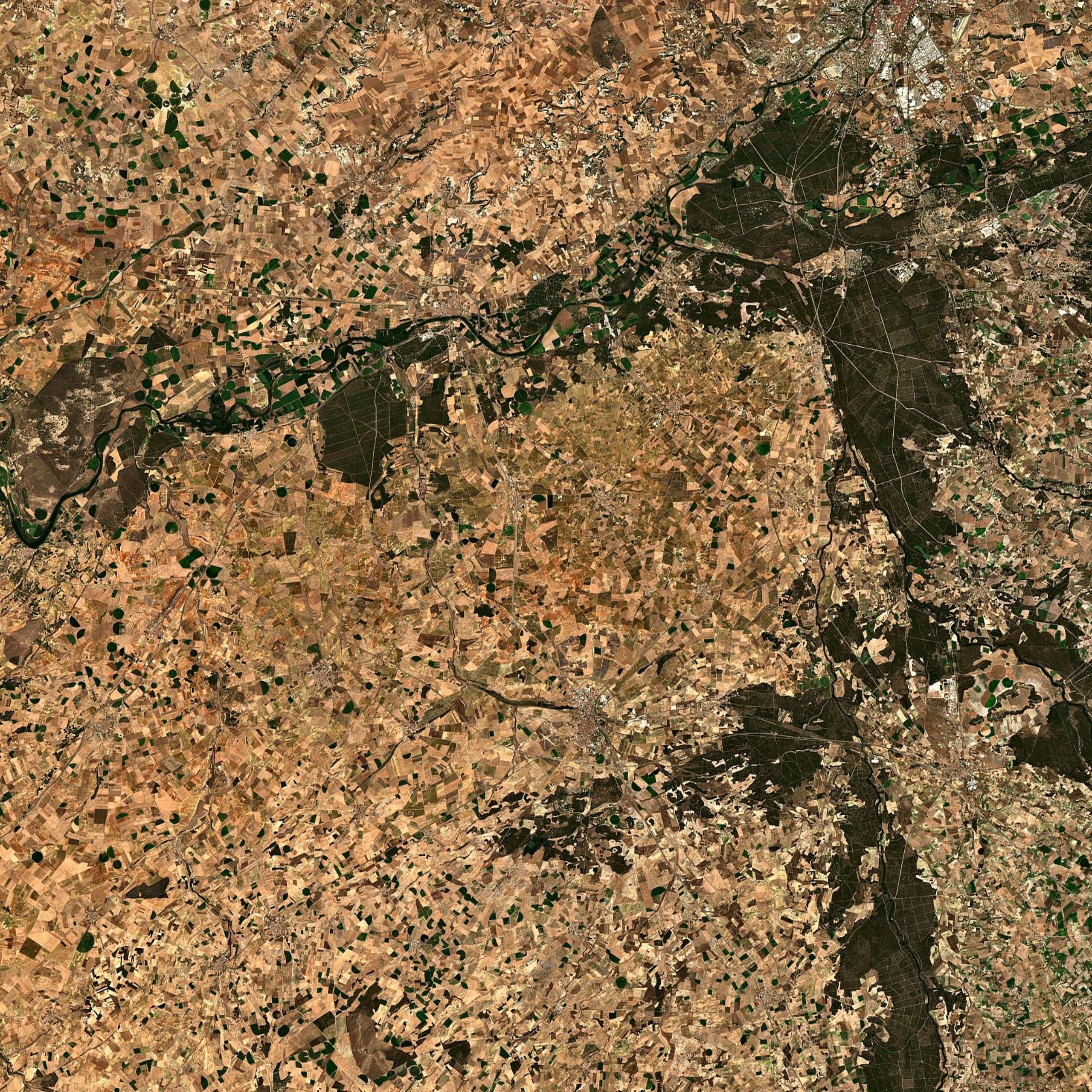
Spain
Rueda
Spain wine regions
About Rueda
672–807 m
Elevation range
Wine styles
9 Appellations
Avg. slope 0.4°
Spain wine regions
Vintages
12 · 2014–2025
Outstanding Rueda Vintages
The best recent vintages rated excellent or exceptional.
White
Municipios
Classification System
Spanish Quality Hierarchy
Spain's wine-quality pyramid, administered under the EU Protected Designation of Origin (DOP) framework. The two top legal tiers — DOCa and DOQ — have only been awarded to two regions in the country. Every wine DO in Spain sits somewhere on this ladder.
DOCa / DOQ
Denominación de Origen Calificada (Castilian) / Denominació d'Origen Qualificada (Catalan). Spain's highest wine classification — awarded only to Rioja (1991) and Priorat (2009)
DO
Denominación de Origen — the main quality tier. Most Spanish wine regions (Bierzo, Rueda, Ribera del Duero, Rías Baixas, etc.) are DOs
Vinos de Pago (VP)
Single-estate designation for exceptional individual vineyards, outside the regional DO system. Currently around 20 properties nationwide (Dominio de Valdepusa, Pago de Otazu, etc.)
VC / Vino de Calidad
Vino de Calidad con Indicación Geográfica — a stepping-stone tier below DO, used by emerging regions building a track record toward full DO status
VT / Vino de la Tierra
Protected Geographical Indication (IGP) — a broader regional tier. Equivalent to France's IGP / Italy's IGT
Vino (without GI)
Basic table wine without a geographic designation
Varietal Classification
Rueda is Spain's white-wine reference, and its classification is built around the Verdejo grape. A new 'Gran Vino de Rueda' tier was introduced in 2020 to recognise old-vine, low-yield premium bottlings.
Gran Vino de Rueda
Top tier (2020) — vines 30+ years old, reduced yields, handpicked, aimed at age-worthy premium Verdejo
Rueda Verdejo
Minimum 85% Verdejo — the volume flagship, fresh and aromatic
Rueda Sauvignon
Minimum 85% Sauvignon Blanc, often pungent and varietal
Rueda (blend)
Minimum 50% Verdejo blended with Viura, Palomino, or Sauvignon Blanc
Rueda Dorado / Pálido
Rare oxidatively aged traditional styles, some with solera origin
Rueda Espumoso
Traditional-method sparkling, mostly Verdejo
What Rueda produces
White
Verdejo-led whites at the heart of Spain's most important white-wine DO. The 2020 Gran Vino de Rueda tier recognises premium old-vine wines; the historic Rueda Dorado preserves an oxidative tradition.
Sparkling
Rueda Espumoso: traditional-method sparkling from Verdejo, a small but growing category.
Regional appellations
Rueda Dorado
A historic oxidatively aged white style from Verdejo and Palomino, aged in cask with flor-like character or under pure oxidation. Nutty, amber, and nearly extinct — a handful of producers keep the tradition alive.
Rueda Espumoso
Traditional-method sparkling from Verdejo, a small but growing category.
Similar styles
Lands in the same glass.
Grapes of Rueda
What it tastes like
Body
Lightish
Acidity
Bright
Oak
No oak
Ripeness
Ripe
Concentration
Medium
On the lighter side and bright, bone dry with no oak; lime, fennel and white peach with a lean frame and a taut, faintly bitter finish.
citrus · stone fruit · herbal · stony · lean
Climate
Continental, with cold, dry winters and hot, dry summers. Altitude (700–800 m) and strong diurnal temperature variation (20°C+ swings between hot days and cool nights) are the key elements preserving acidity in Verdejo through long ripening seasons. Rainfall is low (around 400 mm), concentrated in spring and autumn.
Terroir
The Rueda plateau sits on sandy-clay soils over limestone and gravelly cascajo deposits: stony, free-draining pebbles left by ancient Duero meanders. The best old-vine plots are on the cascajo, which resists phylloxera and retains just enough moisture for dry-farmed vines. Sand-dominant sites give more aromatic whites; clay-dominant sites more textured, mid-palate-rich wines.
Typical Aromas
More in Castilla y León
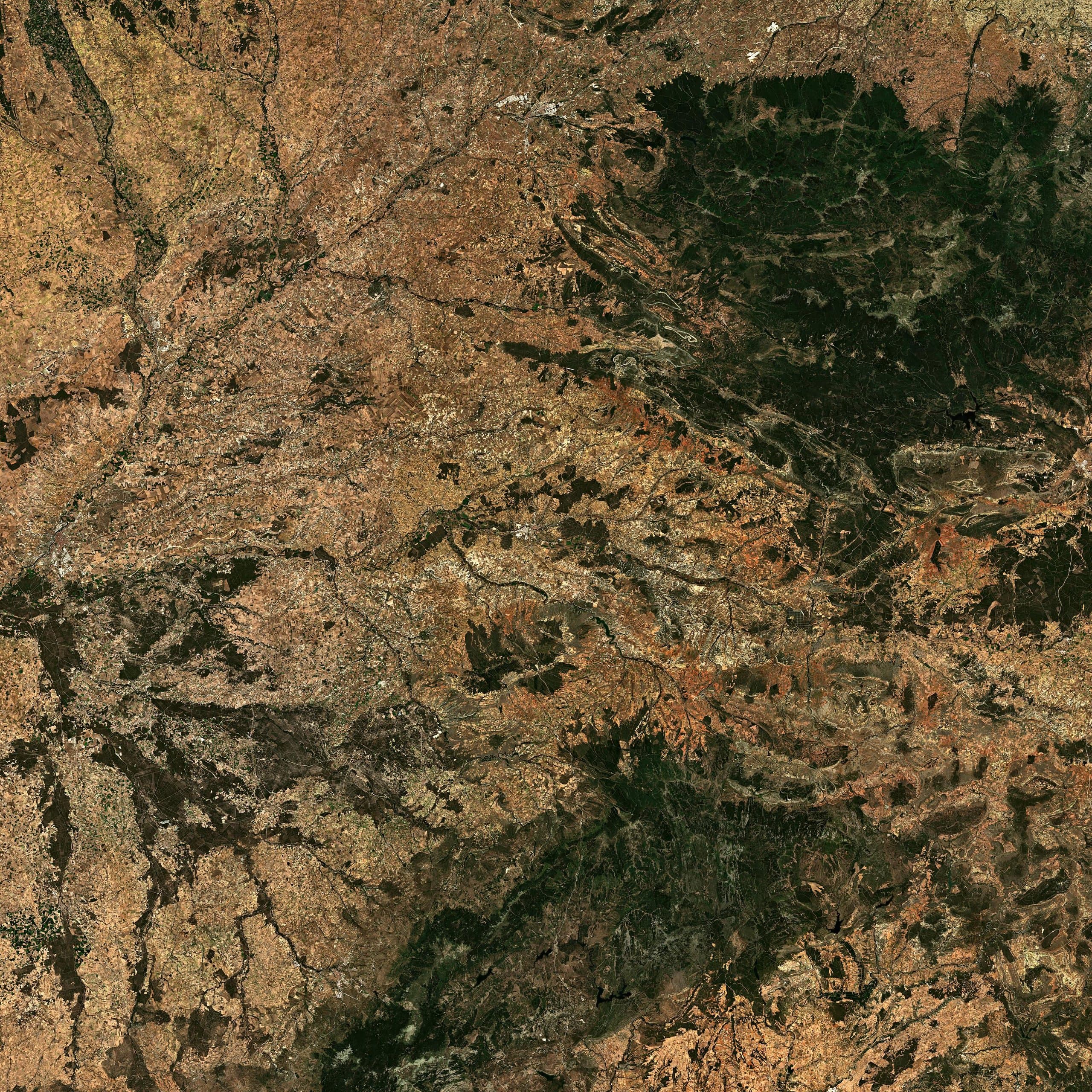
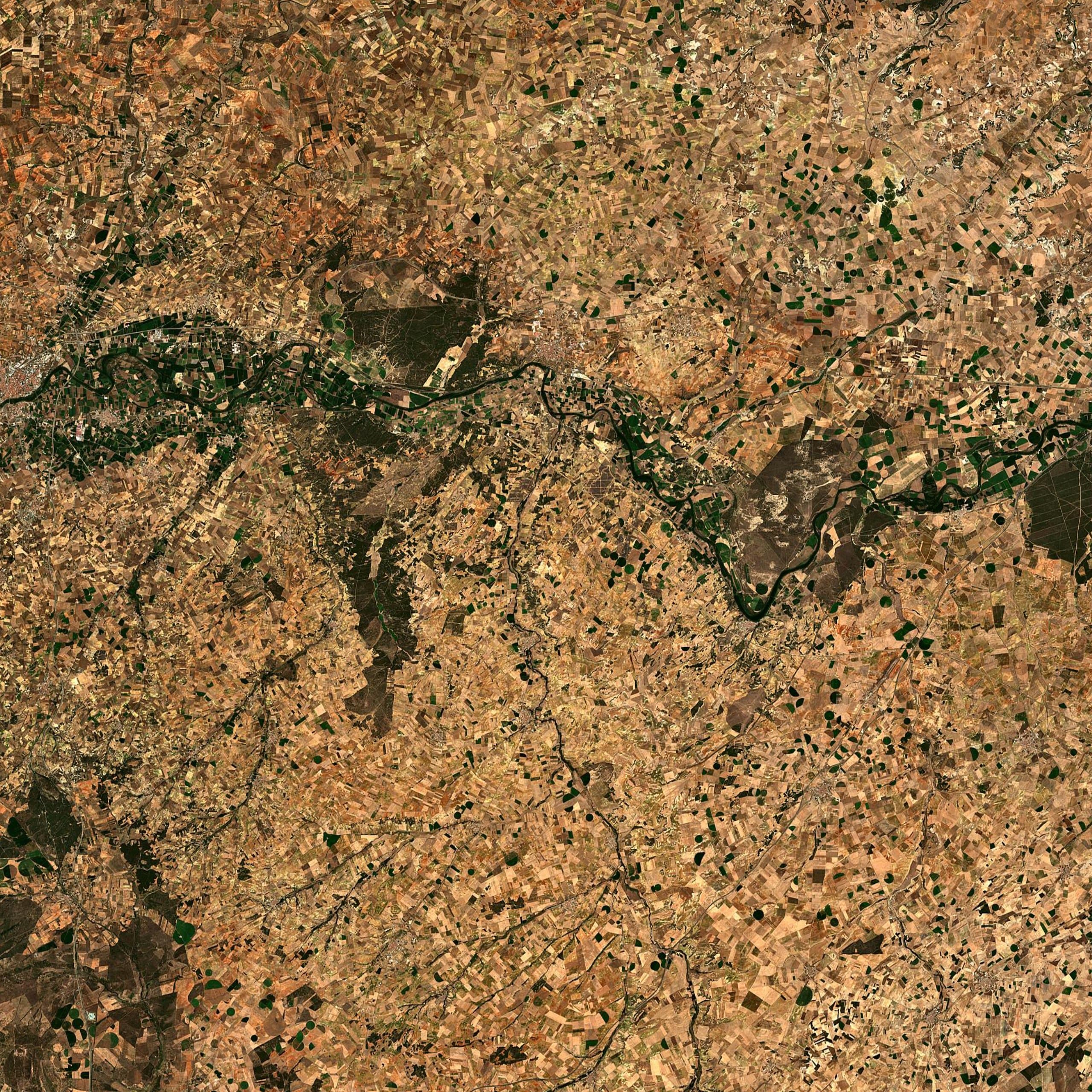
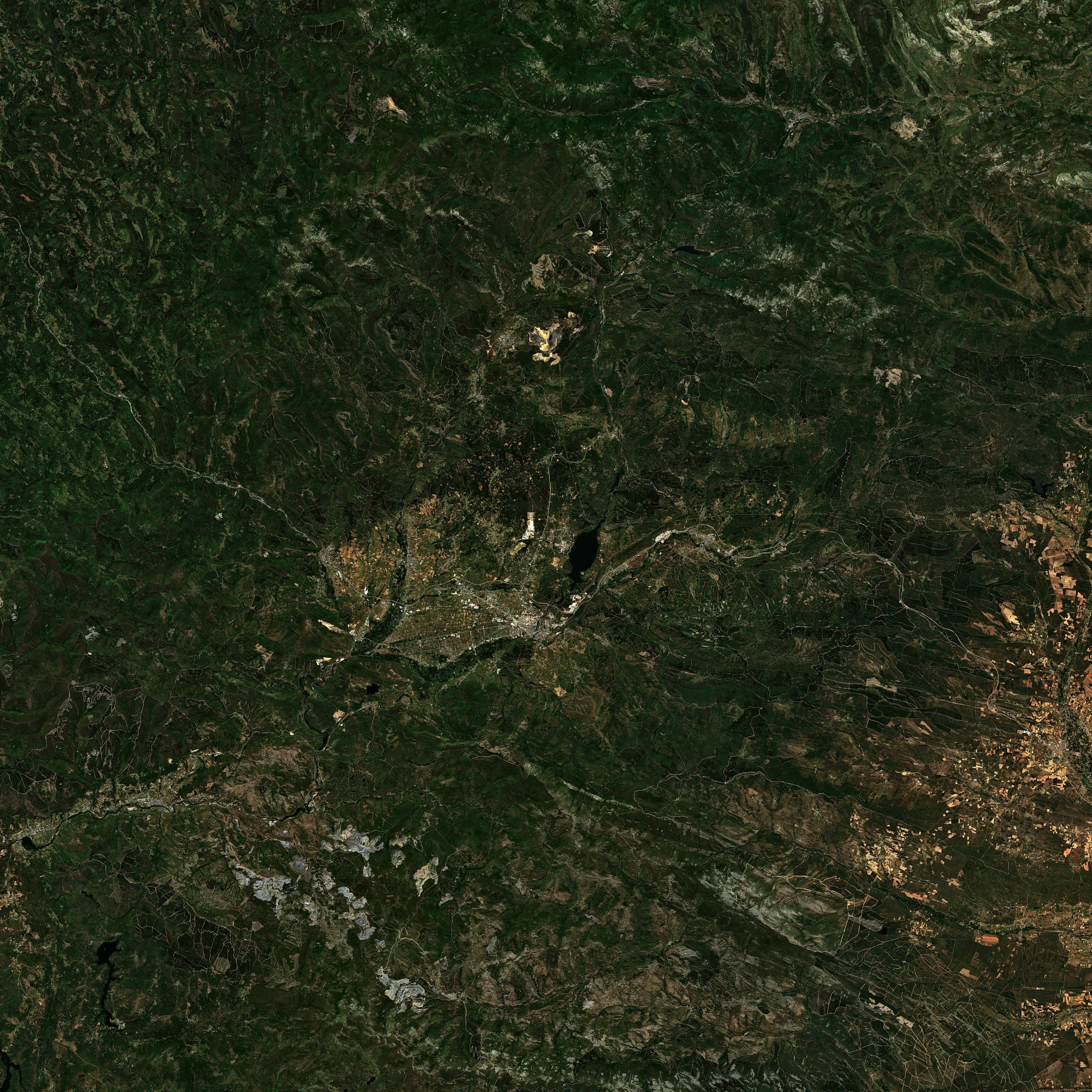
Map data: Consejo Regulador D.O. Rueda (Pliego de Condiciones, MAPA 2023) · Municipio boundaries © OpenStreetMap contributors (ODbL)