CorkCork
Madeira

Portugal

Madeira

Douro ValleyDouro ValleyVinho VerdeVinho VerdeAlentejoAlentejoDãoDãoBairradaBairradaLisboaLisboaSetúbalSetúbalMadeiraMadeira

Portugal wine regions

About Madeira

Madeira is the wine that time cannot kill. The American founders toasted the Declaration of Independence with it in 1776, and wines from that century can still taste vivid today. The island learned its trick from the sea: casks that crossed the tropics as ship ballast came home deeper and finer, so producers recreated the voyage on land, warming the wine for months in heated vats (estufagem) or letting casks bask for decades in sun-warmed lodge attics (canteiro). Four noble grapes set the ladder of sweetness, from bone-dry Sercial through Verdelho and Bual to honeyed Malmsey, while hardy Tinta Negra carries the everyday age-dated blends. The vines themselves grow on poios, tiny stone terraces stitched into volcanic cliffs, tended by more than a thousand small growers.

Zones & Villages

What Madeira produces

Dessert

The classic fortified Madeira in four noble styles, from bone-dry Sercial to honeyed Malmsey, plus age-dated Tinta Negra blends and rare frasqueira vintages aged twenty years and more in cask.

White

A small modern wave of dry table whites under DOP Madeirense, led by Verdelho from the cooler northern slopes.

Red

Light, peppery table reds from DOP Madeirense growers on the north coast, often poured lightly chilled in island restaurants.

Grapes of Madeira

Climate

Subtropical AtlanticMild year-roundHumidDrier south coastCool wet north coast

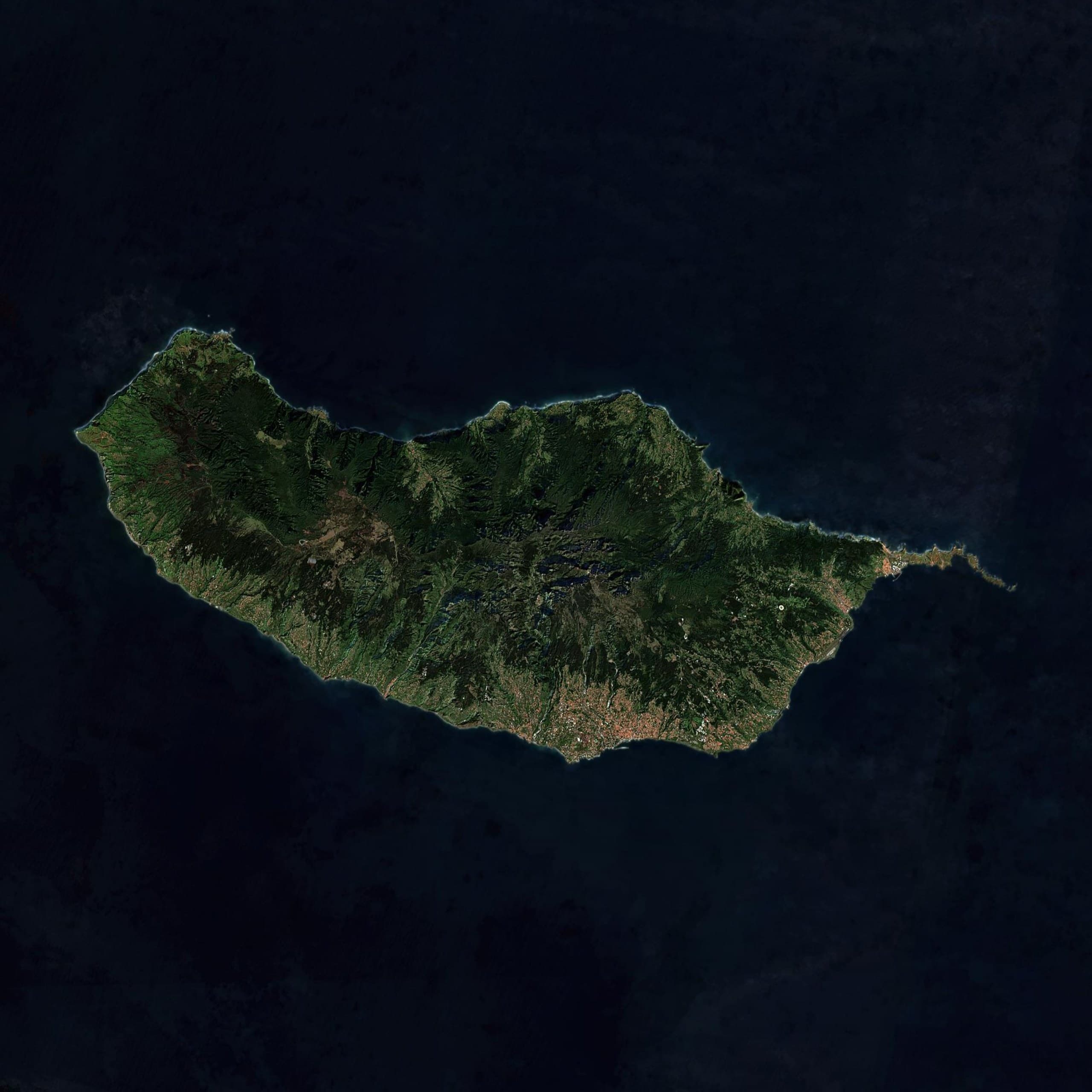
Subtropical Atlantic, mild and humid all year. The high central peaks split the island's weather in two: the south coast is warmer and drier, the north coast cooler, wetter, and wind-whipped. Altitude does the fine-tuning, with every hundred metres of terrace changing what ripens best, and the levada channels carry mountain water to the vines.

Terroir

Volcanic basaltAcidic clay loamTerraced poiosSteep coastal slopes

A volcanic island rising steeply from the ocean: vineyards sit on poios, dry-stone terraces cut into basalt slopes from sea-spray level to above 800 metres. Soils are acidic clay loams weathered from volcanic rock, surprisingly fertile and rich in organic matter. Parcels are tiny, steep, and reached on foot, which is why the island's viticulture never industrialised.

Typical Aromas

burnt caramelroasted walnutcandied orange peeldried figcoffeesaline tang
Explore the aroma wheel

More in Portugal

Frequently Asked Questions

What makes Madeira wine special?▼
Madeira is deliberately heated and oxidized during aging, a process no other classic wine region uses, and it makes the wine practically indestructible. The style was discovered by accident when casks crossing the tropics as ship ballast came home tasting better than when they left. The island has been making it this way for over 300 years, and the American founders toasted the Declaration of Independence with it in 1776.
What are the four noble grapes of Madeira?▼
Sercial, Verdelho, Bual, and Malvasia (sold as Malmsey), and each one signals a sweetness level. Sercial is the driest and most piercing, Verdelho is medium-dry, Bual turns medium-rich, and Malmsey is the sweetest and most honeyed. A fifth grape, Tinta Negra, covers most of the island's vineyards and goes into the everyday 3, 5, and 10 year blends. If you know the grape on the label, you know how sweet the wine will be.
How long does Madeira last after opening?▼
Months, even years, and this is Madeira's superpower. The wine has already been heated and oxidized during aging, so a little air in an open container does almost nothing to it. Keep it corked at room temperature and pour a glass whenever the mood strikes. It makes Madeira one of the most practical fine wines to keep at home.
What is the difference between estufagem and canteiro?▼
Both recreate the tropical sea voyage that originally made the style, just at different speeds. Estufagem warms the wine in heated tanks for about three months and is used for the everyday blends. Canteiro is the slow, traditional method: casks rest for years in the warm attics of the island's lodges, concentrating gradually. The finest Madeiras, including vintage-dated frasqueira wines, are always canteiro-aged.
Does vintage matter for Madeira?▼
Less than age does. Most Madeira is blended across years and labeled by age instead, as 3, 5, 10, or 15 year wines. Single-year wines exist but play by their own rules: a frasqueira must spend at least 20 years in cask before release, so the vintages reaching shelves now are decades old. When you see a year on a Madeira label, think of it as a time capsule rather than a harvest report.

Map data: CAOP freguesia boundaries © Direção-Geral do Território (CC BY)