
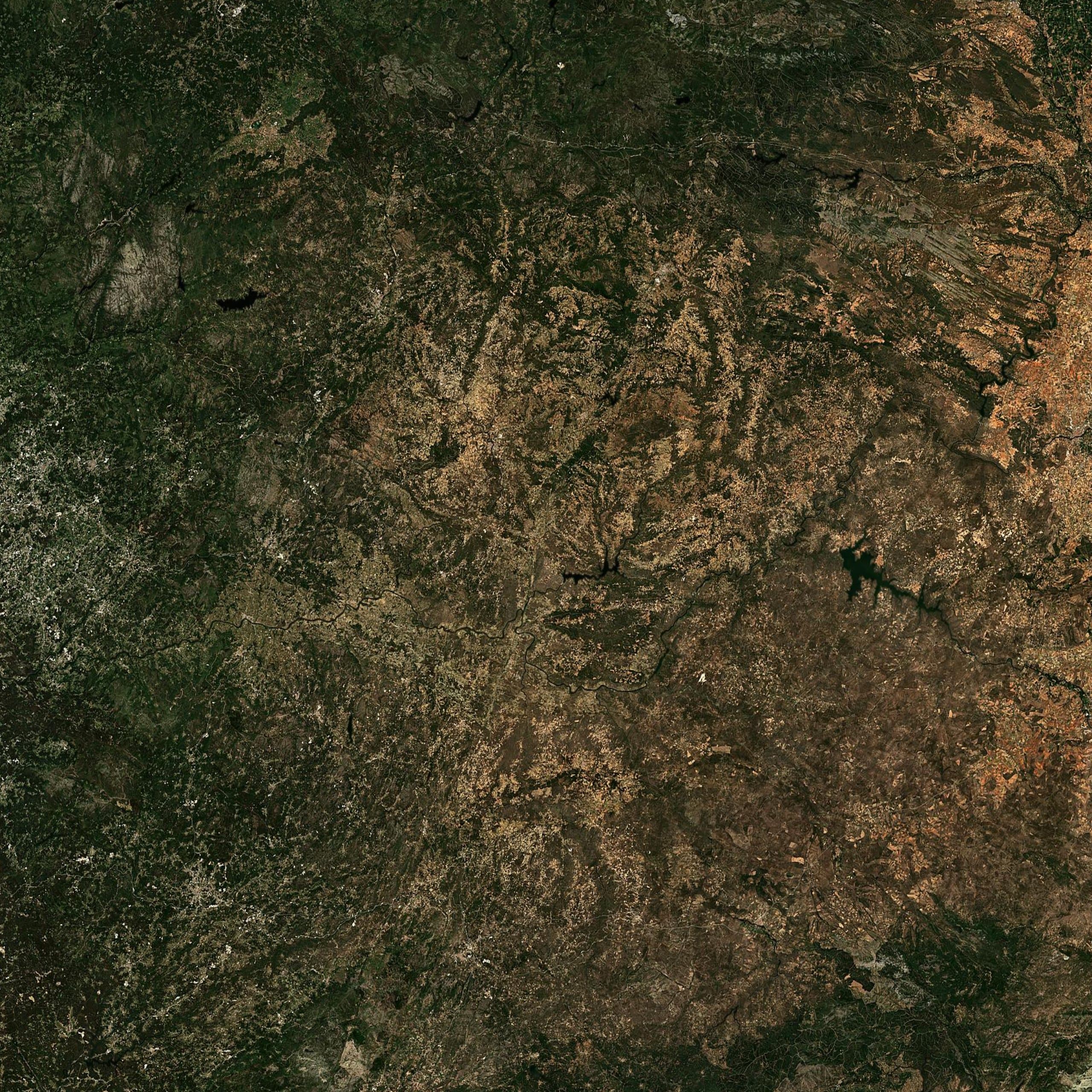
Portugal
Douro Valley
Portugal wine regions
About Douro Valley
63–1222 m
Elevation range
Wine styles
3 Sub-regions
Avg. slope 12.9°
Portugal wine regions
Vintages
59 · 1990–2025
Outstanding Douro Valley Vintages
The best recent vintages rated excellent or exceptional.
Red
Dessert
Sub-regiões
Classification System
Port wines are classified by style and aging. The Douro also produces unfortified DOC wines of increasing quality and recognition.
Vintage Port
Single exceptional vintage, aged 2 years in barrel
Late Bottled Vintage (LBV)
Single vintage, aged 4–6 years in barrel
Tawny (10/20/30/40 yr)
Aged blends with indication of average age
Ruby / Tawny
Young, fruit-forward styles
What Douro Valley produces
Red
Touriga Nacional and indigenous blends, the still-wine frontier of Port country.
White
Fresh, mineral whites from high-altitude vineyards, a rising star.
Regional appellations
Port
Portugal's iconic fortified wine, produced from grapes grown across the Douro terraces. Styles span fresh Ruby to decades-old Tawny.
Notable producers
Estates that shape how this region tastes.
Quinta do Noval
Nacional, legendary Vintage Port
Niepoort
Innovative table wines and classic Port
Quinta do Crasto
Top Douro reds, Reserva Old Vines
Quinta do Vallado
Historic estate, elegant Douro wines
Quinta Vale Dona Maria
Cristiano van Zeller, premium Douro
Similar styles
Lands in the same glass.
Like the reds
Grapes of Douro Valley
What it tastes like
Body
Full
Acidity
Fresh
Tannin
Firm
Oak
Some oak
Ripeness
Jammy
Concentration
Dense
Sweet wines
Full-bodied and lusciously rich, with plush black fruit, spice and dried fig; sweet, nutty with age, long on the finish and built to age.
black fruit · spicy · nutty · plush · built to age
Body
Full
Acidity
Bright
Tannin
Grippy
Oak
Some oak
Ripeness
Rich
Concentration
Medium
Reds
Full-bodied and bright, with grippy tannin, some oak and rich fruit; black fruit, a floral lift and a herbal edge, with a taut finish.
black fruit · floral · herbal · spicy · stony
Body
Medium
Acidity
Bright
Oak
No oak
Ripeness
Fresh
Concentration
Medium
Whites
Medium-bodied and bright; stone fruit, orchard fruit and citrus, with a taut finish.
stone fruit · apple and pear · citrus · floral · herbal
Climate
Extreme continental, shielded from Atlantic influence by the Marão and Montemuro mountains. Summers regularly exceed 40°C, winters are cold. Rainfall drops sharply from west (900mm in Baixo Corgo) to east (400mm in Douro Superior). The dramatic diurnal temperature swings concentrate flavors and preserve acidity.
Terroir
Ancient Precambrian schist and granite, layered over steep terraced hillsides (some exceeding 60° gradient). The fractured schist retains daytime heat and allows deep root penetration. Altitude ranges from 100m along the river to 700m+ on upper slopes, creating distinct microclimates within a single quinta. North-facing slopes are cooler and better suited to white varieties.
Typical Aromas
More in Portugal
Frequently Asked Questions
What makes Douro Valley wine special?▼
What are the best Douro Valley vintages?▼
What grapes are grown in Douro Valley?▼
Is 2024 a good year for Douro Valley?▼
When should I drink Douro Valley 2024?▼
What food pairs well with Douro Valley wines?▼
How does Douro Valley compare to other major wine regions?▼
Map data: IVV (Instituto da Vinha e do Vinho)