CorkCork
Veneto

Italy

Veneto

PiedmontPiedmontTuscanyTuscanyLombardyLombardyPugliaPugliaSicilySicilySardiniaSardiniaFriuliFriuliCampaniaCampaniaAbruzzoAbruzzoTrentinoTrentinoUmbriaUmbriaMarcheMarcheBasilicataBasilicataEmilia-RomagnaEmilia-RomagnaCalabriaCalabriaLiguriaLiguriaValle d'AostaValle d'AostaVenetoVeneto

Italy wine regions

About Veneto

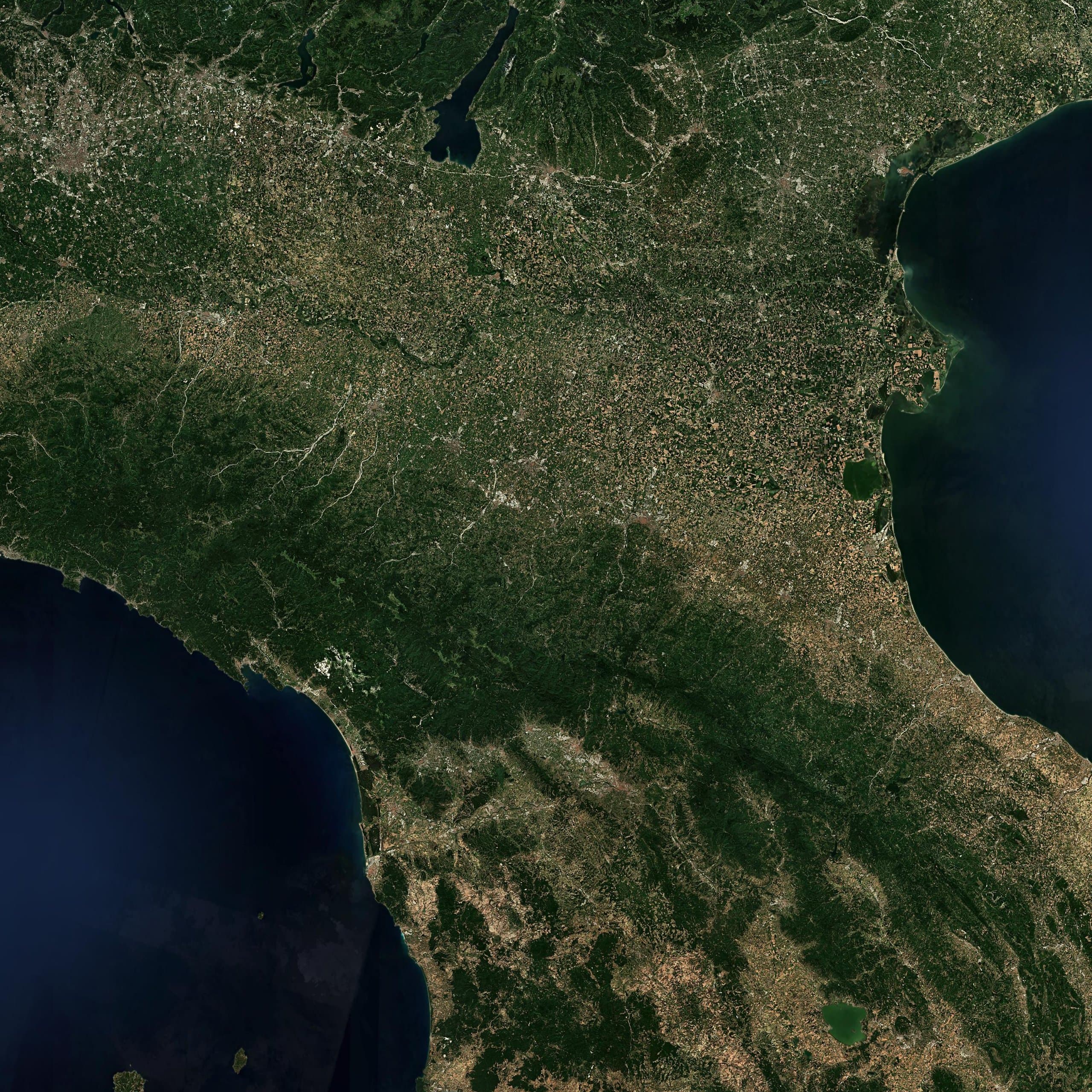
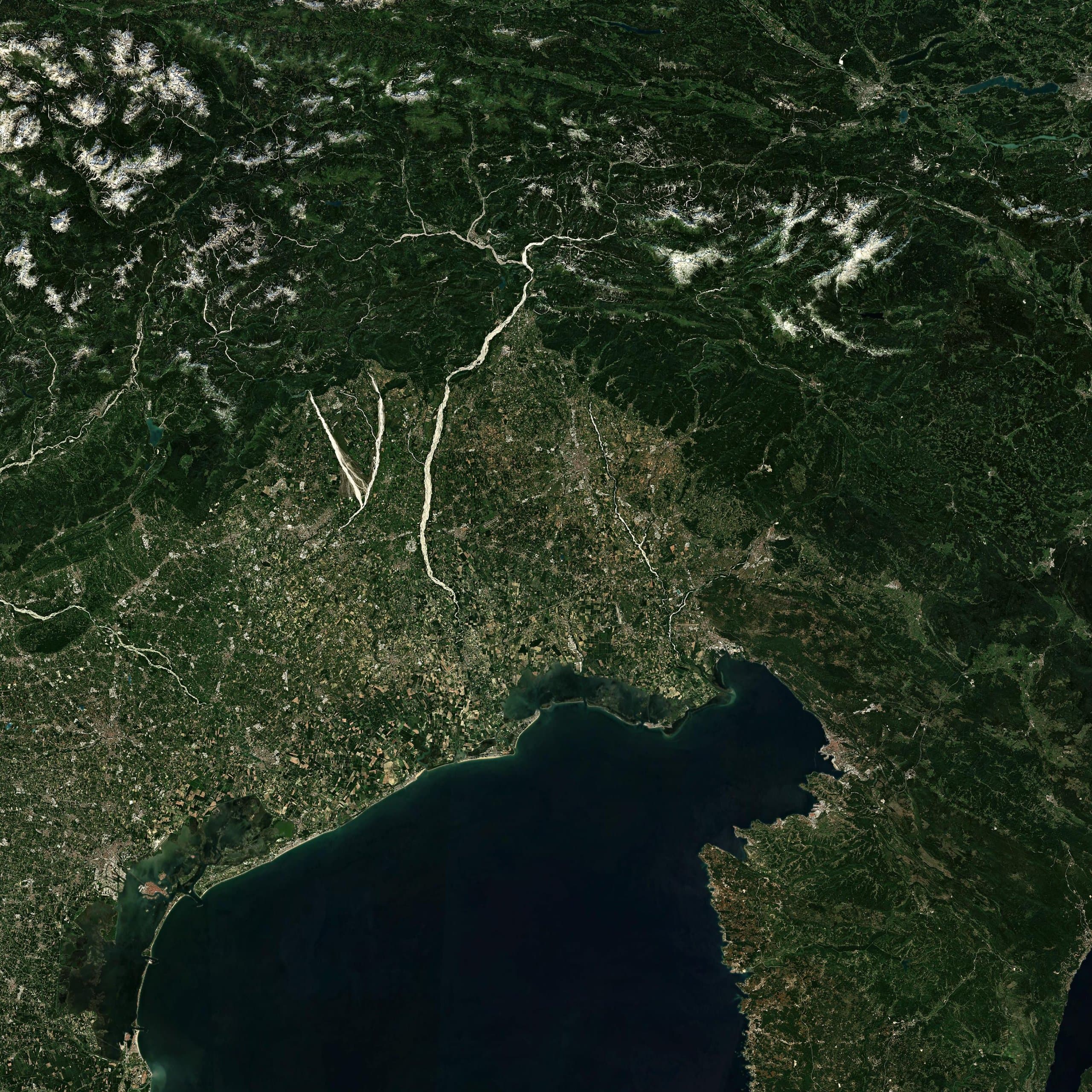
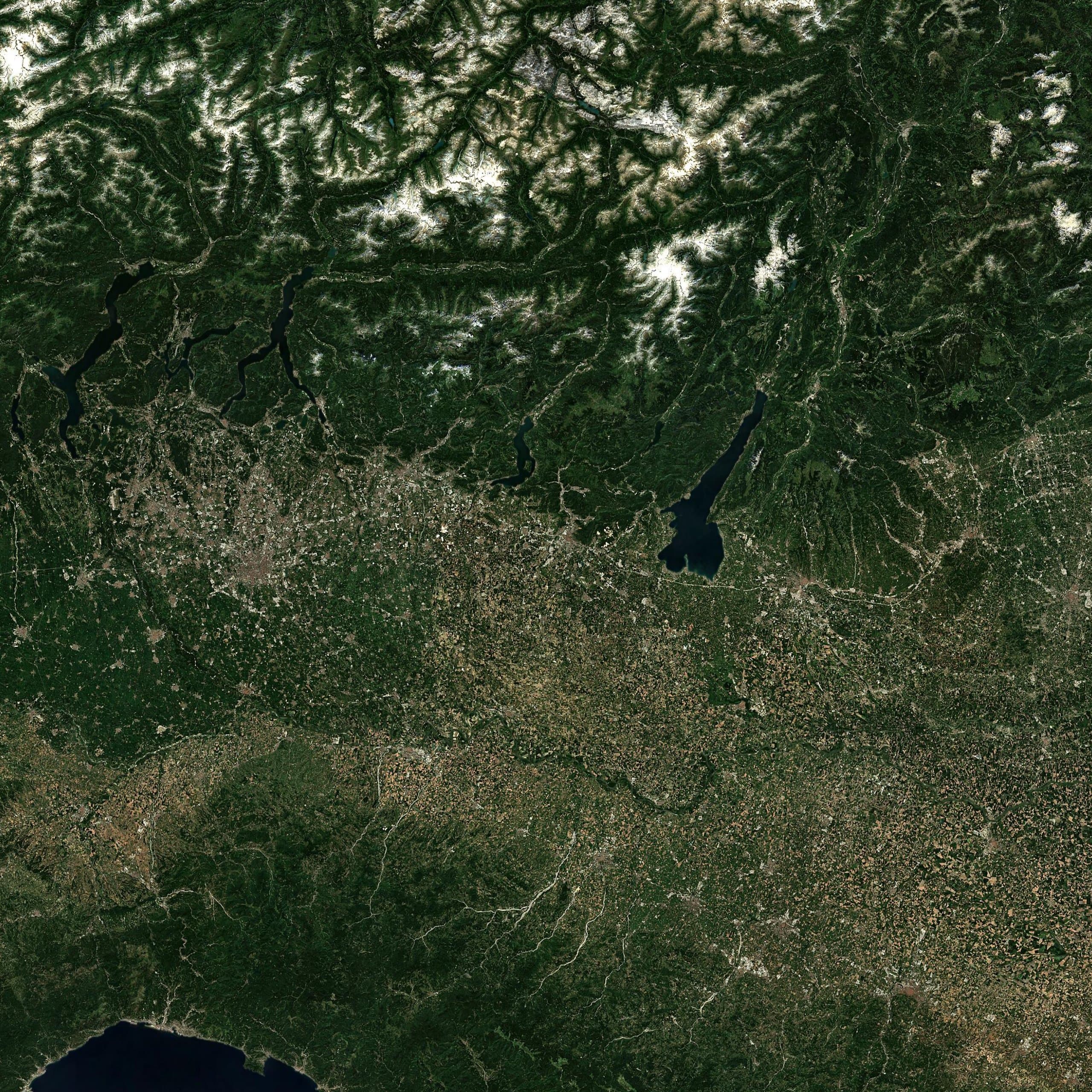
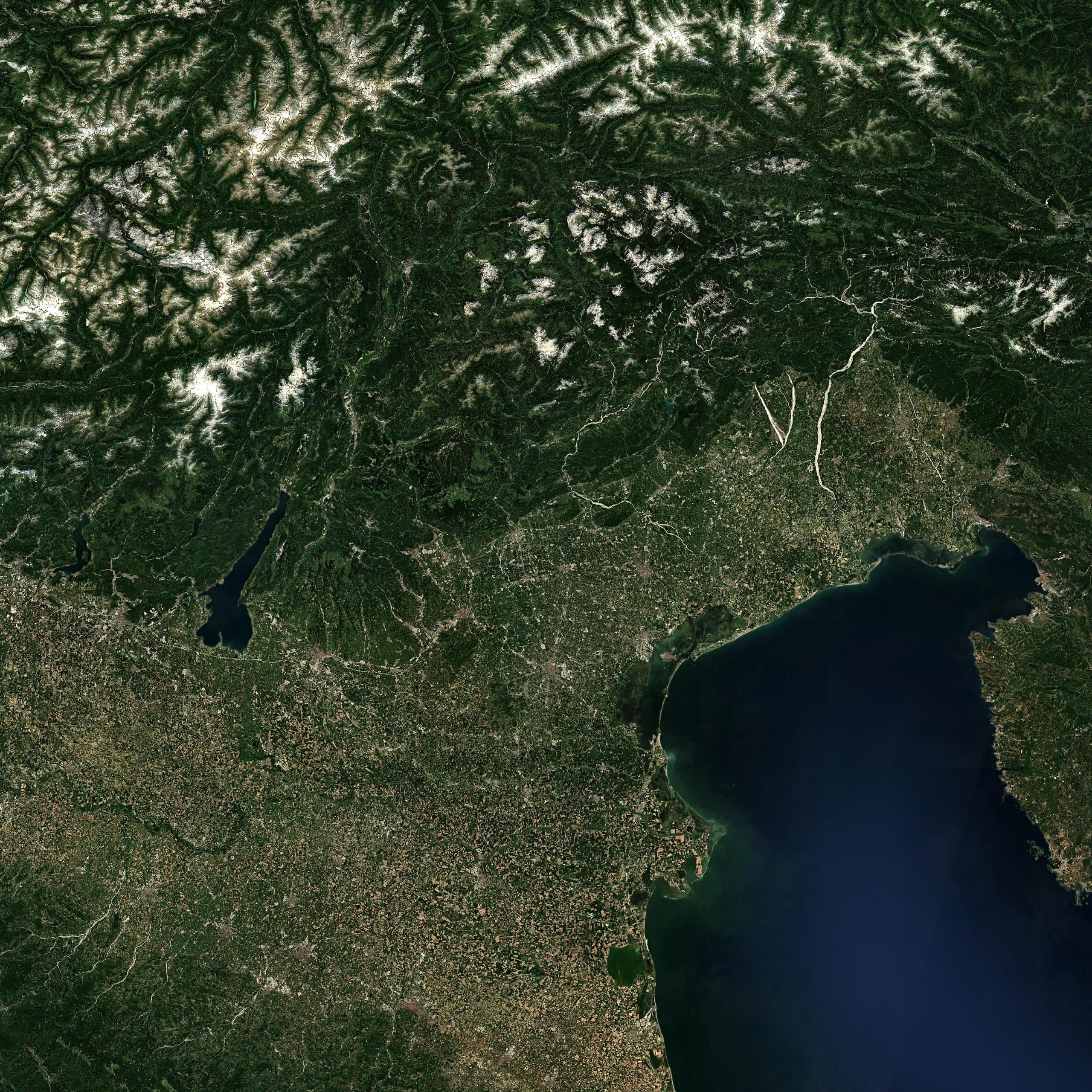
Italy's most productive wine region stretches from the shores of Lake Garda to the Adriatic coast, with the Dolomite foothills to the north. Best known for Prosecco, Soave, and Valpolicella, Veneto's real treasure is Amarone della Valpolicella, made from partially dried Corvina, Rondinella, and Molinara grapes. The appassimento technique concentrates sugars and flavors, producing one of Italy's richest, most powerful reds. Soave, from the Garganega grape, ranges from simple and crisp to complex, age-worthy single-vineyard bottlings. The sheer volume of Prosecco and Pinot Grigio sometimes overshadows the region's serious wines, but top producers in Valpolicella Classico and the volcanic soils of Soave Classico rival any Italian region for quality.

-7–2864 m

Elevation range

redrosésparklingwhite

Wine styles

28 DOCGs

Avg. slope 7.7°

52 DOCs

Avg. slope 8°

Vintages

42 · 2005–2025

Rating:
95+
90-94
85-89
80-84
<80
PeakReadyHold
Year202520242023202220212020201920182017201620152014201320122011201020092008200720062005
Red
—
White
—
—
—
—
—
—
—
—
—
—
—
Sparkling
—
—
—
—
—
—
—
—
—

Outstanding Veneto Vintages

The best recent vintages rated excellent or exceptional.

Red

2023

Hold
90Excellent

Drought stress reduced yields but surviving fruit shows decent concentration.

2028Peak 2032–20382040

2022

Almost ready
91Excellent

Very good concentration from small berries, structured Amarone with depth.

2027Peak 2032–20402045

2021

Ready
94Excellent

A cooler year producing lighter, more elegant styles with fresh acidity.

2026Peak 2030–20372048

2020

Ready
92Excellent

Excellent balance between fruit richness and structure, well-suited for appassimento.

2025Peak 2030–20382042

2019

Ready
96Exceptional

Outstanding vintage, a benchmark for modern Amarone with power and finesse.

2024Peak 2029–20402045

2016

At peak
96Exceptional

Exceptional, classic vintage with pristine fruit and refined tannins.

2021Peak 2026–20402045

2015

At peak
97Exceptional

Outstanding, rich Amarone with superb complexity and long aging potential.

2020Peak 2025–20402045

2013

At peak
90Excellent

Very good balance with classic Valpolicella character and firm structure.

2018Peak 2023–20342038

White

2022

At peak
90Excellent

Warm vintage produced riper, rounder Soave with lower acidity than usual.

2023Peak 2023–20262027

2021

Drink up
94Excellent

Fresh, mineral Soave with excellent purity and bright citrus notes.

2022Peak 2022–20252026

2020

Past window
91Excellent

Very good vintage with balanced fruit and lively acidity.

2021Peak 2021–20242025

2019

Past window
94Excellent

Outstanding freshness and complexity, a benchmark Soave vintage.

2020Peak 2020–20242025

2018

Past window
90Excellent

Warm vintage, drink up. Riper style with lower acidity.

2019Peak 2019–20222023

2016

Past window
92Excellent

Very good Soave with classic almond and citrus character. Fading now.

2017Peak 2017–20212022

2015

Past window
91Excellent

Was excellent with great depth. Past peak for most bottles.

2016Peak 2016–20202021

Sparkling

2025

At peak
93Excellent

A superb vintage, among the region's best in decades: perfumed, balanced, and energetic.

2026Peak 2026–20282029

2021

Past window
92Excellent

An outstanding Prosecco vintage: aromatic, fresh, and precise; millesimato and Cartizze shone.

2022Peak 2022–20242025

2019

Past window
91Excellent

Fresh yet ripe, highly consistent Prosecco; a benchmark recent year.

2020Peak 2020–20212022

2016

Past window
91Excellent

A fresh, elegant vintage with intense aromatics; lovely Cartizze.

2017Peak 2017–20182019

2015

Past window
90Excellent

Generous, ripe, charming Prosecco with open orchard fruit.

2016Peak 2016–20172018

DOC & DOCG

Classification System

Veneto uses Italy’s DOCG/DOC system. Amarone della Valpolicella and Soave Superiore hold DOCG status, while the broader Prosecco DOC covers the region’s famous sparkling wine.

DOCG

Amarone, Recioto, Soave Superiore, Conegliano Valdobbiadene Prosecco

DOC

Valpolicella, Soave, Prosecco, Bardolino, Lugana

IGT

Veneto IGT, delle Venezie IGT

What Veneto produces

Red

Corvina-based Valpolicella and Amarone, from fresh to powerfully concentrated.

White

Soave from Garganega, Prosecco from Glera in the Conegliano hills.

Sparkling

Prosecco, the world's most popular sparkling wine.

Regional appellations

Prosecco DOC

Italy's best-known sparkling wine, made from Glera across nine provinces of Veneto and Friuli. Fresh, light and fruity, with pear and white flowers. Labels from Treviso or Trieste may name the province, and a Prosecco Rosé with a little Pinot Nero has been allowed since 2020.

delle Venezie DOC

The DOC for Pinot Grigio across Veneto, Friuli Venezia Giulia and Trentino, created in 2017. Most of the Pinot Grigio from the north-east carries this name. The broader indication it replaced is now called Trevenezie IGT.

Veneto IGT

The region-wide indication, for wines made outside DOC rules. It covers everything from simple varietal wines to ambitious reds from dried grapes.

Veronese IGT

The indication for the province of Verona. Corvina reds, sometimes from dried grapes, and Garganega whites made outside the Valpolicella and Soave rules.

Marca Trevigiana IGT

The indication for the province of Treviso, for still wines from Merlot, Cabernet and the local Raboso, alongside whites.

Venezia DOC

A DOC covering the provinces of Venezia and Treviso, for varietal wines from the plains between the lagoon and the hills, Pinot Grigio and Merlot above all.

Vicenza DOC

A DOC across most of the province of Vicenza, for varietal reds, whites and sparkling wines outside the smaller hill zones of Breganze, Gambellara and the Colli Berici.

Garda DOC

A broad DOC around Lake Garda, in Veneto and Lombardy, laid over Bardolino, Custoza, Lugana, Soave and Valpolicella. Wines are usually labelled by grape, from Garganega to Pinot Grigio.

Vigneti delle Dolomiti IGT

An indication shared by Trentino, Alto Adige and the province of Belluno. Most labels come from Trentino, for mountain whites and reds such as Teroldego made outside the DOC rules.

Vigneti della Serenissima DOC

A small DOC for traditional-method sparkling wine only, from Chardonnay, Pinot Bianco and Pinot Nero grown in the hills of five Veneto provinces.

Notable producers

Estates that shape how this region tastes.

Allegrini

Benchmark Amarone, La Poja single-vineyard

Masi

Amarone pioneer, Costasera

Bertani

Historic Amarone, long-aged Classico

Romano Dal Forno

Cult Amarone, extreme concentration

Pieropan

Definitive Soave Classico

Leonildo Pieropan

Single-vineyard Soave, La Rocca

Anselmi

Modern Soave, left the consorzio

Grapes of Veneto

What it tastes like

Body

Medium

Acidity

Fresh

Tannin

Firm

Oak

A touch of oak

Ripeness

Ripe

Concentration

Medium

Reds

Corvina throughout: fuller in Amarone della Valpolicella, lighter in Valpolicella.

Each appellation has its own style. Compare Amarone della Valpolicella and Valpolicella.

All 4 appellations

The shape averages its 4 appellations.

Body

Lightish

Acidity

Fresh

Oak

No oak

Ripeness

Fresh

Concentration

Light

Sparkling

Glera throughout: always on the lighter side and fresh.

Each appellation has its own style. Compare Conegliano Valdobbiadene Prosecco and Asolo Prosecco.

All 3 appellations

The shape averages its 3 appellations.

Body

Medium

Acidity

Fresh

Oak

A touch of oak

Ripeness

Rich

Concentration

Concentrated

Sweet wines

Moscato Giallo, Corvina and Garganega: always fresh; fuller in Recioto della Valpolicella, lighter in Colli Euganei Fior d'Arancio.

Each appellation has its own style. Compare Recioto della Valpolicella and Colli Euganei Fior d'Arancio.

All 3 appellations

The shape averages its 3 appellations.

Body

Lightish

Acidity

Fresh

Oak

No oak

Ripeness

Ripe

Concentration

Medium

Whites

Garganega throughout: always on the lighter side and fresh.

Each appellation has its own style. Compare Soave and Gambellara.

The shape averages its 2 appellations.

Body

Lightish

Acidity

Bright

Tannin

Silky

Oak

No oak

Ripeness

Fresh

Concentration

Light

Rosés

On the lighter side and bright with no oak; pink grapefruit, wild strawberry and blood orange with a salty edge, pale, lean and best young.

citrus · red fruit · floral · salty · lean

From the Bardolino card ›

Climate

continentalsheltered

Moderate continental climate with cooling influences from Lake Garda and the Adriatic Sea, plus protection from harsh northern winds by the Alps. This creates ideal conditions for both crisp whites and structured reds, with significant diurnal temperature variation that preserves acidity.

Terroir

diverse soilsbasaltalluvialclay

Incredibly diverse soils ranging from volcanic basalt in Soave, to calcareous clay in Valpolicella, to alluvial deposits near the Po River. The varied elevation from sea level to pre-Alpine slopes, combined with different exposures and microclimates, allows for remarkable wine diversity within a single region.

Typical Aromas

white peachgreen applealmonddried cherryvioletmineral slate
Explore the aroma wheel

More in Italy

Frequently Asked Questions

What makes Veneto wine special?▼
Veneto's incredible diversity is what sets it apart - it's Italy's most productive region but still makes exceptional wines from Lake Garda to the Adriatic coast. The real star is Amarone della Valpolicella, made from partially dried Corvina grapes using the ancient appassimento technique. You've also got crisp Soave from Garganega grapes and of course Prosecco from Glera, so there's something for every occasion.
What are the best Veneto vintages?▼
Recent standout years include 2022 for reds, especially Amarone - small berries gave great concentration and structure. For whites, 2021 was excellent with fresh, mineral Soave showing beautiful citrus purity. 2020 was solid across the board with balanced fruit and good acidity for both reds and whites, perfect for the appassimento process.
What grapes are grown in Veneto?▼
Corvina is the king here - it's the main grape in Amarone and Valpolicella, often blended with Rondinella and Molinara. For whites, you've got Garganega making those mineral Soave wines, Glera for all that Prosecco, and tons of Pinot Grigio. Corvina is really special because it handles the drying process for Amarone so well.
Is 2023 a good year for Veneto?▼
2023 was particularly strong for whites, earning a solid 4/5 rating. Despite the warm growing season, winemakers managed to preserve good acidity, resulting in vibrant, mineral-driven wines. The heat could have been problematic, but careful vineyard management kept the freshness intact.
When should I drink Veneto 2023?▼
For 2023 Veneto whites like Soave and Prosecco, drink them now through 2026 while that vibrant acidity is at its peak. The mineral character and bright fruit will be best in the next couple of years. These aren't really age-worthy styles - they're meant to be enjoyed for their freshness and energy.
What food pairs well with Veneto wines?▼
Amarone is incredible with rich dishes - think osso buco, aged cheeses like Gorgonzola, or even dark chocolate desserts. Soave is perfect with seafood, especially the region's famous baccalà, or creamy risottos. Prosecco works with everything from aperitivo snacks to fried foods, while Valpolicella pairs beautifully with pasta in tomato sauce or grilled meats.
How does Veneto compare to Tuscany?▼
Veneto is way more diverse - while Tuscany focuses heavily on Sangiovese and structured reds, Veneto excels at everything from sparkling Prosecco to the unique dried-grape Amarone. Tuscany has the prestige factor with Chianti and Brunello, but Veneto offers better value and more variety. Plus, Veneto's appassimento technique is completely unique to the region.

Map data: Regione del Veneto