
Italy
Veneto
Italy wine regions
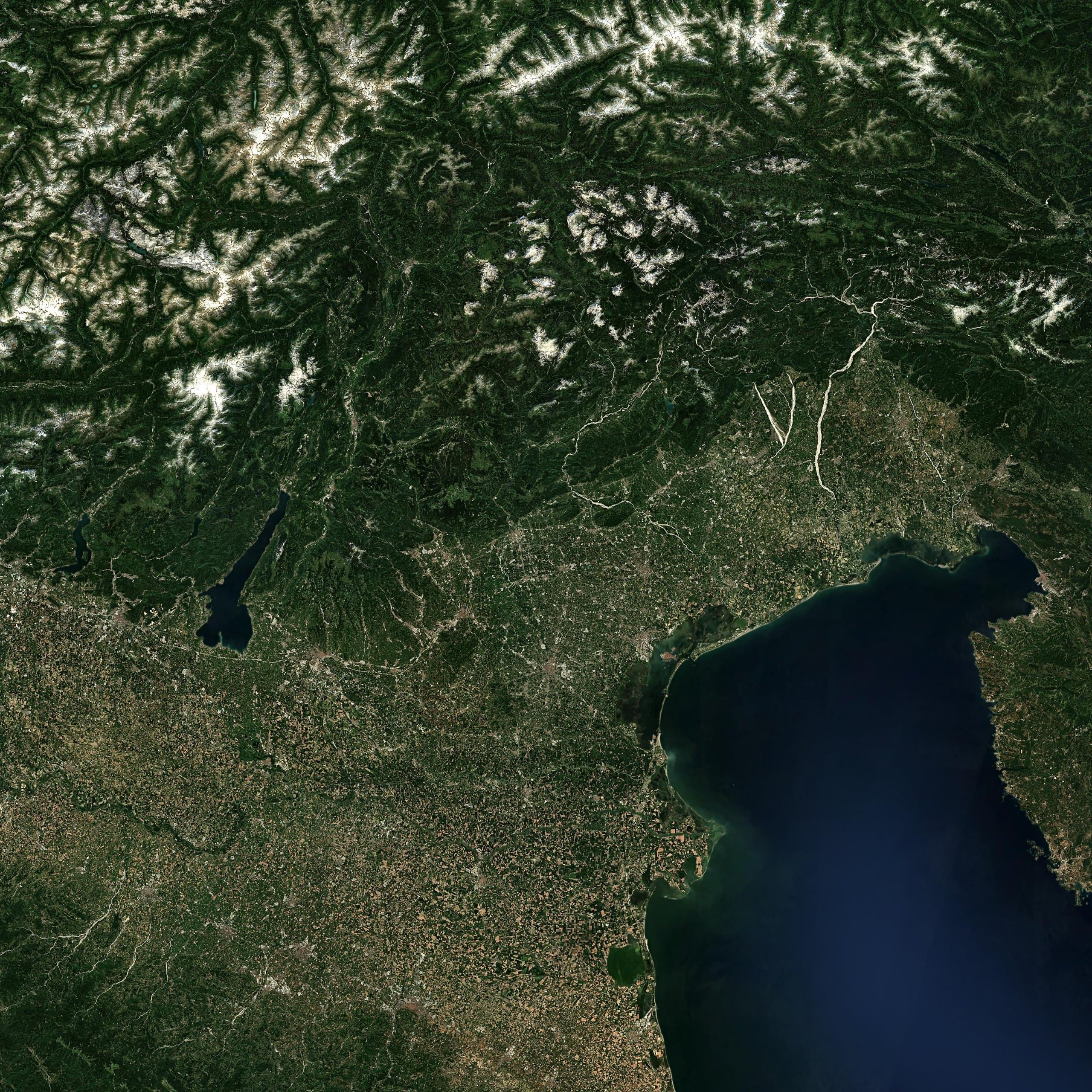
About Veneto
-7–2864 m
Elevation range
Wine styles
28 DOCGs
Avg. slope 7.7°
52 DOCs
Avg. slope 8°
Italy wine regions
Vintages
30 · 2005–2024
Outstanding Veneto Vintages
The best recent vintages rated excellent or exceptional.
Red
White
DOC & DOCG
Classification System
Veneto uses Italy’s DOCG/DOC system. Amarone della Valpolicella and Soave Superiore hold DOCG status, while the broader Prosecco DOC covers the region’s famous sparkling wine.
DOCG
Amarone, Recioto, Soave Superiore, Conegliano Valdobbiadene Prosecco
DOC
Valpolicella, Soave, Prosecco, Bardolino, Lugana
IGT
Veneto IGT, delle Venezie IGT
What Veneto produces
Red
Corvina-based Valpolicella and Amarone, from fresh to powerfully concentrated.
White
Soave from Garganega, Prosecco from Glera in the Conegliano hills.
Sparkling
Prosecco, the world's most popular sparkling wine.
Notable producers
Estates that shape how this region tastes.
Allegrini
Benchmark Amarone, La Poja single-vineyard
Masi
Amarone pioneer, Costasera
Bertani
Historic Amarone, long-aged Classico
Romano Dal Forno
Cult Amarone, extreme concentration
Pieropan
Definitive Soave Classico
Leonildo Pieropan
Single-vineyard Soave, La Rocca
Anselmi
Modern Soave, left the consorzio
Similar styles
Lands in the same glass.
Grapes of Veneto
What it tastes like
Body
Big
Acidity
Bright
Tannin
Grippy
Oak
Some oak
Ripeness
Rich
Concentration
Dense
Reds
Big, dense and bright, with grippy tannin, some oak and rich fruit; red fruit.
red fruit
Body
Light
Acidity
Bright
Oak
No oak
Ripeness
Ripe
Concentration
Medium
Whites
Light-bodied and bright; stone fruit, orchard fruit and a nutty note.
stone fruit · apple and pear · nutty · floral · stony
Drawn from its appellations.
Climate
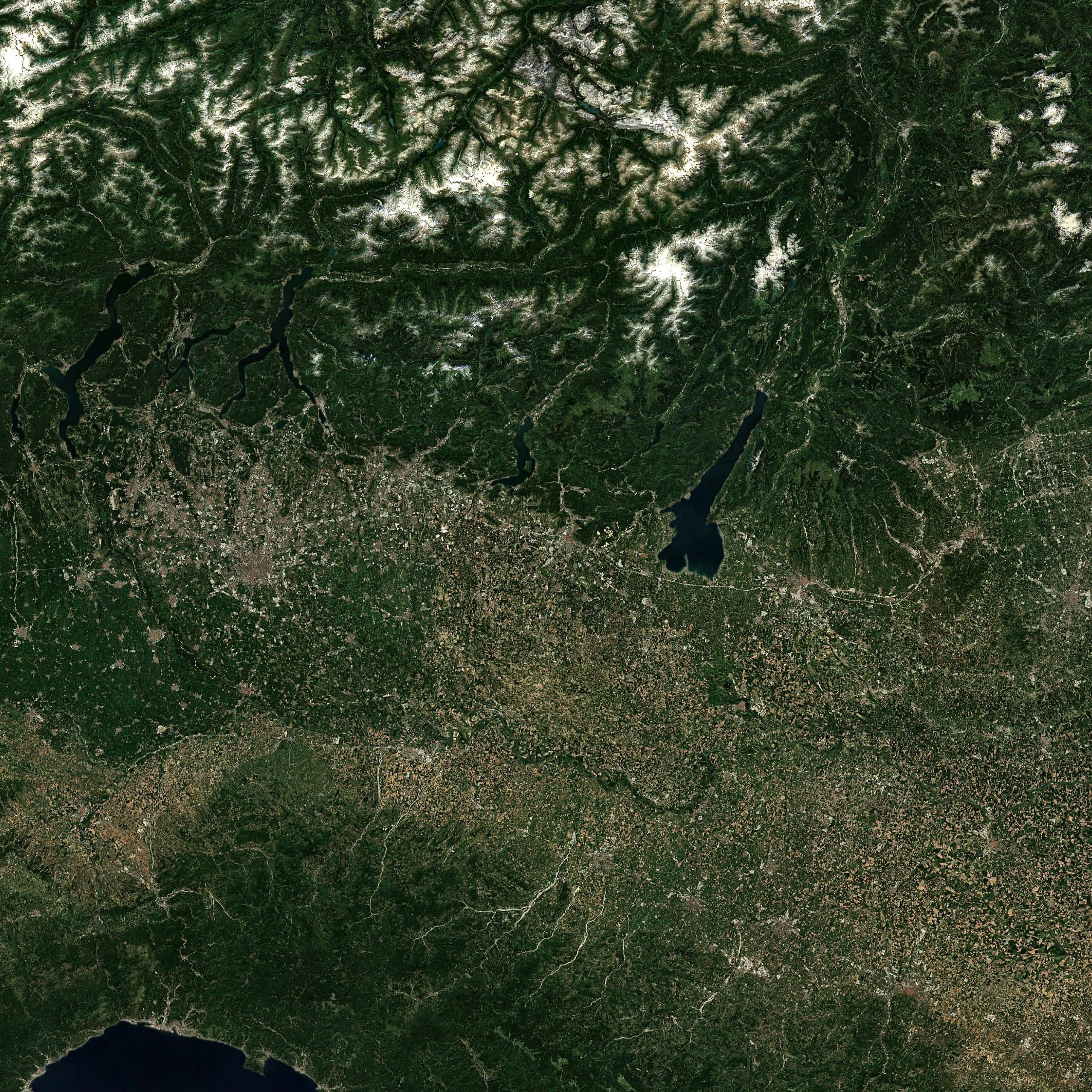
Moderate continental climate with cooling influences from Lake Garda and the Adriatic Sea, plus protection from harsh northern winds by the Alps. This creates ideal conditions for both crisp whites and structured reds, with significant diurnal temperature variation that preserves acidity.
Terroir
Incredibly diverse soils ranging from volcanic basalt in Soave, to calcareous clay in Valpolicella, to alluvial deposits near the Po River. The varied elevation from sea level to pre-Alpine slopes, combined with different exposures and microclimates, allows for remarkable wine diversity within a single region.
More in Italy
Frequently Asked Questions
What makes Veneto wine special?▼
What are the best Veneto vintages?▼
What grapes are grown in Veneto?▼
Is 2023 a good year for Veneto?▼
When should I drink Veneto 2023?▼
What food pairs well with Veneto wines?▼
How does Veneto compare to Tuscany?▼
Map data: Regione del Veneto